
Working on a car’s exhaust system can be intimidating, especially if you’re not a professional mechanic. But sometimes, fixing or maintaining your own exhaust is necessary to save money or keep your vehicle running smoothly. The exhaust system handles hot gases, sharp edges, and sometimes toxic fumes.
That’s why safety is not just important—it’s essential. Many car owners try to repair exhaust issues themselves but overlook simple precautions. This guide will show you how to stay safe, work smarter, and avoid hidden risks when repairing your car’s exhaust system.
Why Safety Matters In Exhaust System Repair
The exhaust system removes harmful gases from your engine and reduces noise. But it also gets extremely hot, gathers rust and sharp edges, and can expose you to dangerous chemicals like carbon monoxide. Injuries in exhaust repairs are common, from burnt hands to inhaling toxic fumes. In the US, thousands of garage accidents happen every year, and a good portion are related to exhaust work. Understanding these risks is the first step to preventing accidents.
Essential Safety Gear For Exhaust Repairs
Before starting, always wear the right safety equipment. Each item protects you from a specific danger.
| Safety Gear | Protection Provided |
|---|---|
| Work gloves (heat-resistant) | Shields hands from burns and cuts |
| Safety goggles | Keeps debris and rust out of eyes |
| Long-sleeve clothing | Protects skin from sparks and hot surfaces |
| Respirator or mask | Blocks harmful fumes and particles |
| Hearing protection | Prevents ear damage when using power tools |
Many beginners skip the mask or gloves, thinking the job will be quick. However, one slip can cause a bad burn or eye injury. Make it a habit to gear up every time.
Preparing Your Workspace
A safe workspace is the foundation for any car repair, but it’s even more critical with exhaust systems.
- Work in a well-ventilated area. Exhaust fumes contain carbon monoxide, which is colorless and odorless. Never work in a closed garage.
- Keep your area tidy. Clear away clutter, spilled oil, or loose tools. A messy space increases the risk of tripping or fire.
- Have a fire extinguisher nearby. Exhaust repairs may involve sparks, especially if you’re cutting or welding.
- Good lighting is vital. Poor lighting makes it easy to miss leaks or overlook hazards.
Pro Tip: Use portable LED work lights under the car for clear visibility.
Lifting And Securing The Vehicle Properly
You’ll need to work under your car to access the exhaust system. Poor lifting is a top cause of injuries.
| Method | Safety Level | Notes |
|---|---|---|
| Hydraulic floor jack + jack stands | High | Always use jack stands after lifting |
| Car ramps | Very High | Good for quick jobs, very stable |
| Scissor jack (emergency) | Low | Not stable for repairs; use only if nothing else is available |
- Never rely on a hydraulic jack alone. Always use jack stands to support the car.
- Place stands on solid, flat ground.
- After lifting, shake the car gently to check stability before sliding underneath.
One overlooked detail: Chock the wheels that stay on the ground. Even parked cars can roll if not blocked properly.
Avoiding Burns And Heat Injuries
The exhaust system can reach temperatures over 400°C (750°F). Even if the car’s been off for an hour, pipes may still be dangerously hot.
- Wait at least 2 hours after driving before touching the exhaust.
- Test with a quick water drop—if it sizzles, it’s too hot.
- Wear heat-resistant gloves and long sleeves.
- Never use your bare hand to check if a pipe is cool.
Many people rush and get burned. Patience saves skin.
Handling Rust, Sharp Edges, And Old Fasteners
Exhaust parts often rust and develop sharp edges. Old bolts can snap or strip easily.
- Spray rusty bolts with penetrating oil (like WD-40) and wait 10–15 minutes before loosening.
- Use the correct size wrench. Forcing the wrong tool can slip and cause injury.
- If cutting rusty pipes, wear safety goggles and gloves.
- Clear away metal shavings after sawing or grinding.
Don’t underestimate how sharp broken exhaust parts can be. Always assume edges can cut.
Dealing With Harmful Fumes
Exhaust gases can be deadly in high concentrations. Carbon monoxide poisoning kills hundreds each year, often in home garages.
- Open doors and windows for airflow.
- Run a portable fan to move fumes away if working indoors.
- If you smell fuel or exhaust inside, stop work and ventilate immediately.
- Wear a respirator if grinding, sanding, or welding.
Never run your car’s engine in a closed space—even for a few minutes.
Safe Use Of Power Tools And Equipment
Power tools make exhaust repairs easier but add new risks.
- Read the manual for every tool you use.
- Check cords and plugs for damage before starting.
- Wear hearing protection when cutting or grinding.
- Hold tools with both hands and keep a steady grip.
- Unplug tools before changing blades or bits.
One extra tip: Keep a bucket of water or sand nearby to deal with sparks, especially if working near flammable materials.
Proper Removal And Installation Of Exhaust Parts
Every exhaust job involves removing old parts and fitting new ones.
- Support the exhaust pipe before removing hangers or bolts to prevent it from dropping suddenly.
- Use a helper if the part is long or heavy.
- Mark the orientation of parts before removing, so you install new ones correctly.
- Tighten bolts to the manufacturer’s torque specs to avoid leaks or breakage.
A common mistake is overtightening, which can crack pipes or strip threads.
Avoiding Chemical Exposure
You might use chemicals like degreasers, lubricants, or sealants.
- Wear nitrile gloves when handling chemicals.
- Store chemicals in labeled, sealed containers.
- Wash your hands before eating or touching your face.
Some exhaust sealants release fumes that can irritate your lungs. Always check the label.
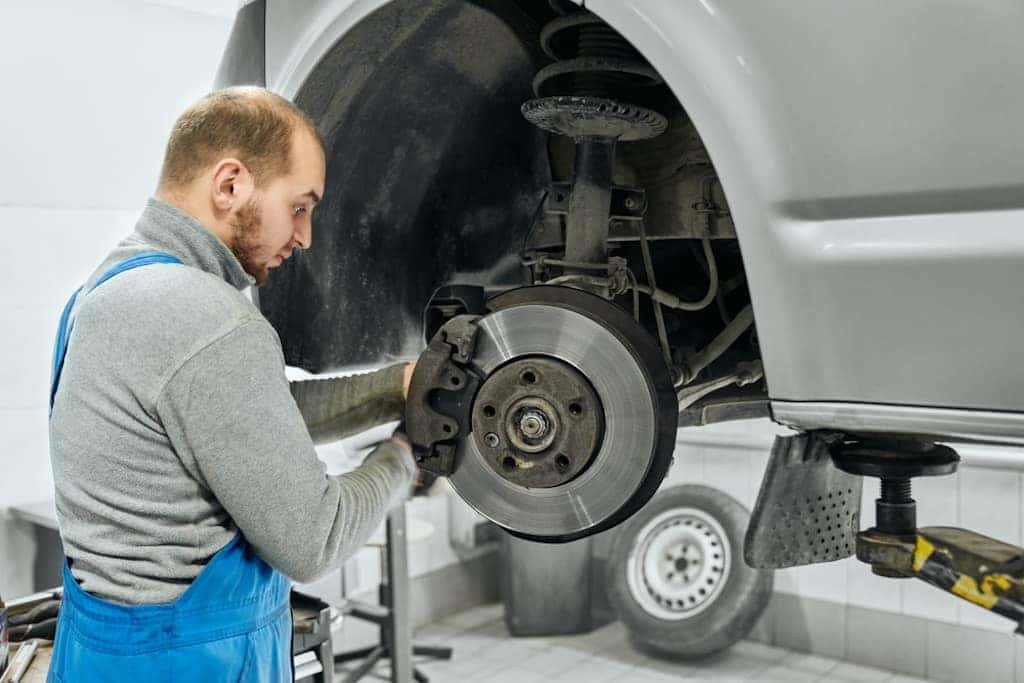
Credit: www.nissanofathens.com
Safe Welding And Cutting Practices
If you need to cut or weld exhaust pipes, follow extra precautions.
- Clear the area of flammable materials.
- Wear a full-face shield and welding gloves.
- Keep a fire extinguisher within reach.
- Let pipes cool before handling.
After welding, check for leaks with soapy water—never with a lighter.
Disposing Of Old Exhaust Parts And Waste
Old exhaust parts can be sharp, dirty, or even contain hazardous materials.
- Place metal scraps in a sturdy container.
- Dispose of chemicals and old fluids at a recycling center.
- Don’t leave old parts on the floor—they’re a trip hazard.
Many local governments have recycling programs for metal auto parts. Check your area’s rules.
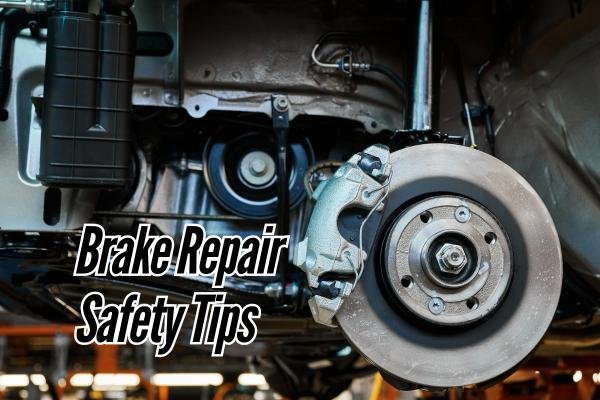
Credit: simonsautorepairtaunton.com
Understanding When To Call A Professional
Some exhaust repairs are best left to experts, especially if you lack experience.
- If the car’s catalytic converter is damaged, it’s illegal to remove or modify it in many countries.
- Welding near the fuel tank or lines is risky.
- If you notice loud backfiring, strong smells, or engine power loss, a deeper problem may exist.
Don’t risk your health or your car’s safety to save a few dollars. When in doubt, get help from a certified mechanic. For a deeper understanding of exhaust system components and how they work, you can visit this Wikipedia page.
Common Mistakes To Avoid
Even careful DIYers can make errors. Here are some to watch for:
- Skipping safety gear: Injuries often happen in “quick” jobs.
- Not securing the vehicle: Never trust the jack alone.
- Ignoring ventilation: Exhaust fumes are invisible but deadly.
- Overtightening bolts: Can crack parts or strip threads.
- Mixing up part orientation: Mark before removing so everything fits right.
- Underestimating chemical risks: Even common sprays can be harmful if inhaled or touched.
Quick Safety Comparison: Diy Vs. Professional Repair
If you’re unsure whether to tackle the job yourself, compare the risks.
| Factor | DIY Repair | Professional Shop |
|---|---|---|
| Cost | Lower, but risk of extra mistakes | Higher, but with warranty |
| Safety Equipment | Must buy and use yourself | Provided by shop |
| Skill Required | Medium to High | Expert |
| Risk of Injury | Higher for beginners | Very low |
DIY repair can save money but only if you follow all safety steps carefully.
Two Overlooked Safety Insights
Many guides forget these points:
- Exhaust hangers are often under tension. When released, they can spring or snap back. Use pliers and stand to the side.
- Old gaskets can contain asbestos. If your car is from the 1980s or earlier, never sand or grind old gaskets—replace them carefully and wash your hands after.

Credit: mufflersandmore.com
Final Thoughts
Repairing your car’s exhaust system is possible for most car owners, but only if you respect the risks. Proper safety gear, careful lifting, and good ventilation are not optional—they are your best protection. Take your time, never rush, and if you’re ever unsure, get help from a professional.
Safe repairs not only protect your body, they also prevent costly mistakes and keep your car reliable for years to come.
Frequently Asked Questions
What Is The Most Dangerous Part Of Exhaust Repair?
The biggest danger is exposure to hot surfaces and toxic fumes. Burns can happen if you touch the exhaust too soon after driving. Carbon monoxide and other gases can build up in closed spaces, leading to poisoning.
Can I Repair My Exhaust System Without Special Tools?
Some minor repairs, like tightening clamps or replacing hangers, can be done with basic tools. However, cutting, welding, or removing rusted parts often requires specialized equipment and safety gear.
How Do I Know If My Garage Is Well-ventilated Enough?
If you can smell exhaust or fuel after a few minutes, your ventilation is not enough. Open all doors and windows, and use a fan to push fumes outside. Never run your engine indoors for longer than necessary.
Should I Be Worried About Chemicals When Repairing Exhausts?
Yes. Many cleaners, lubricants, and sealants release harmful fumes. Always wear gloves and a mask, and read labels before use.
When Should I Let A Professional Handle Exhaust Repairs?
Call a mechanic if you need to weld near the fuel tank, remove a catalytic converter, or if you’re unsure about the repair. Some jobs are safer and cheaper in the long run when done by experts.