
Handling car batteries might seem simple, but the risks are real. The acid inside car batteries is powerful and can cause serious injury if not respected. Many car owners only think about their battery when it dies, but whenever you check, charge, or replace a battery, you are exposed to dangerous chemicals. Taking the right safety steps is not just smart—it’s necessary. This guide will help you understand the hazards, prevent accidents, and protect yourself and others from the dangers of car battery acid.
Understanding Car Battery Acid
Most car batteries use sulfuric acid diluted in water. This liquid is extremely corrosive. If it touches your skin, it can cause burns. If it gets in your eyes, it can cause blindness. Even breathing the fumes is risky. That’s why safety should always come first when working with batteries.
A typical car battery contains about 3-4 liters of this acid. It is strong enough to eat through clothing, metal, and even concrete over time. If you have ever seen white or blue powder on battery terminals, that’s a sign of leaked acid reacting with air.
Many people underestimate how quickly accidents can happen, especially in tight spaces like a garage.
Why Battery Acid Is Dangerous
Sulfuric acid is not just harmful to people; it also damages tools, car parts, and the environment. Spilled acid can corrode metal tools, making them unsafe for future use. If it leaks onto the car’s body or engine, it can eat through paint and wiring. It also contaminates soil and water, harming plants and animals.
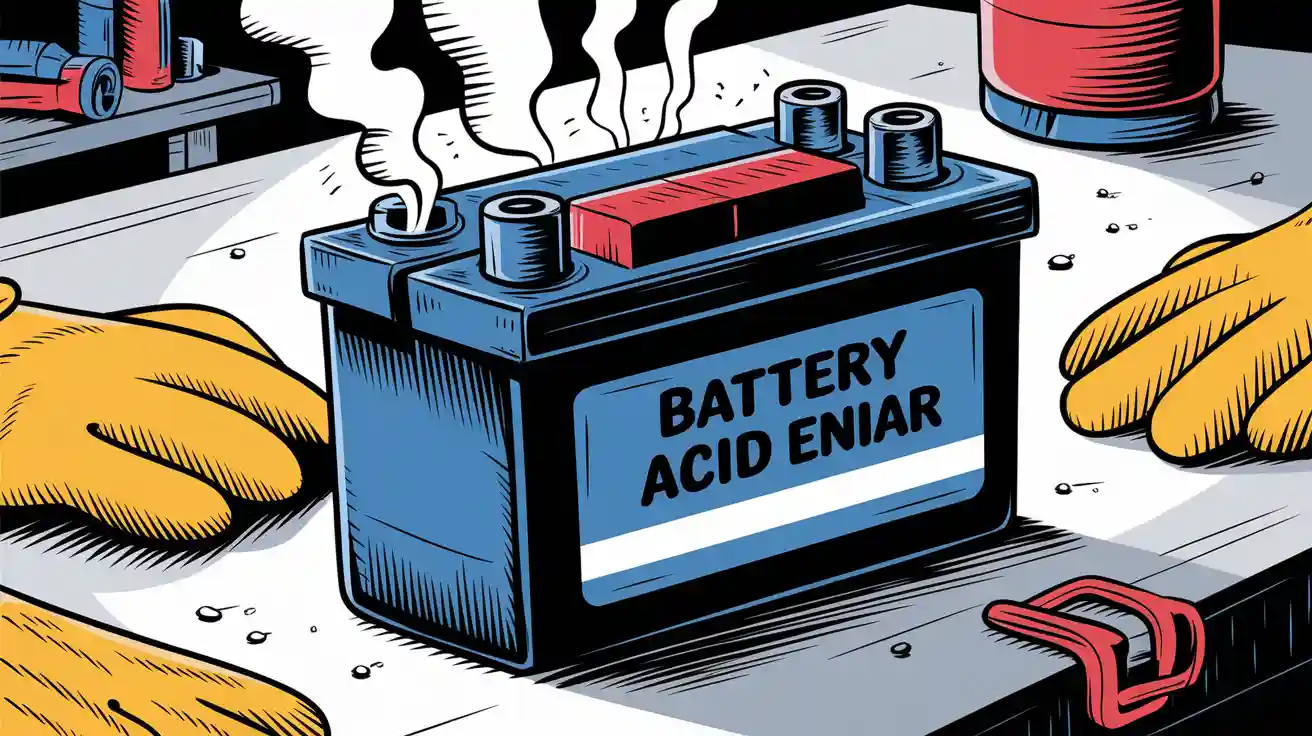
The fumes can cause breathing problems, especially for people with asthma. If you drop or tip a battery, acid can spill out quickly. Even small splashes can leave lasting marks, so always be careful.
Credit: www.large-battery.com
Essential Safety Equipment
Before touching a car battery, you need the right protective gear. This is the simplest way to avoid injury. Here’s what you should have:
- Safety goggles – These protect your eyes from splashes.
- Acid-resistant gloves – Nitrile or rubber gloves are best. Regular fabric gloves are not enough.
- Long-sleeved clothing – Acid can burn skin, so cover your arms.
- Apron – A plastic or rubber apron adds a layer of protection.
- Closed-toe shoes – Never handle acid in sandals or bare feet.
- Face mask – If you work in a small space, a mask can help avoid breathing fumes.
Wearing all this might feel like too much, but even a small mistake can cause big problems.
Preparing Your Workspace
A safe work area is just as important as safety gear. Follow these steps:
- Work in a well-ventilated area to disperse fumes.
- Keep a large container of water nearby in case of spills.
- Make sure the floor is clean and dry to avoid slipping.
- Have baking soda ready. It neutralizes acid quickly.
- Remove flammable objects—acid can react with certain chemicals and start a fire.
Here is a quick comparison of safe vs. unsafe work areas:
| Safe Workspace | Unsafe Workspace |
|---|---|
| Well-ventilated | Poor ventilation |
| Clear of clutter | Tools and objects everywhere |
| Water and baking soda available | No emergency supplies |
| Dry floor | Wet/slippery floor |
Safe Handling Steps
Every step you take matters. Here’s how to safely handle car battery acid:
- Read all warnings on your battery and follow your car’s manual.
- Disconnect the negative terminal first. This prevents sparks.
- Use insulated tools to avoid accidental short circuits.
- Lift the battery carefully, keeping it upright. If tilted, acid can spill.
- Do not smoke or use open flames nearby—battery acid can release flammable gas.
- If you need to move the battery, use a strong carrying strap.
- Never lean over the battery when opening caps or checking acid levels.
One mistake many people make is forgetting to remove jewelry. Rings or watches can cause burns if they touch both terminals.
Cleaning Up Acid Spills
If acid spills, act fast. Here’s what to do:
- Put on all protective gear immediately.
- Cover the spill with baking soda. This will fizz and neutralize the acid.
- Add water slowly to dilute the acid. Do not use too much at once.
- Wipe up with paper towels or rags. Dispose of them in a sealed plastic bag.
- Wash your hands and any exposed skin with soap and water.
- If acid gets on the car, rinse the area thoroughly and dry it.
Never use bleach or ammonia to clean acid—they can react and release dangerous fumes.
Here’s a comparison of cleaning materials:
| Material | Safe for Battery Acid? | Notes |
|---|---|---|
| Baking Soda | Yes | Best for neutralizing acid |
| Vinegar | No | Not effective, can worsen some spills |
| Bleach | No | Dangerous reaction with acid |
| Water | Yes | Use to rinse after neutralizing |
First Aid For Acid Contact
Even with care, accidents can happen. Fast action can prevent permanent injury.
If Acid Touches Skin:
- Remove contaminated clothing.
- Rinse skin with cool water for at least 15 minutes.
- Do not rub the area—this spreads the acid.
- If pain continues, seek medical help.
If Acid Gets In Eyes:
- Hold eyelids open and flush eyes with water for at least 20 minutes.
- Do not use eye drops or other chemicals.
- Go to the emergency room immediately.
If Swallowed Or Inhaled:
- Do not induce vomiting.
- Rinse mouth with water and spit out.
- Get medical help right away.
Many people think that baking soda can be used on the skin, but this can cause irritation. Use only water on your body.
Storing And Disposing Of Batteries Safely
Old or damaged batteries can leak acid at any time. Here’s how to handle them:
- Store batteries upright, in a dry and cool place.
- Keep them away from children, pets, and heat sources.
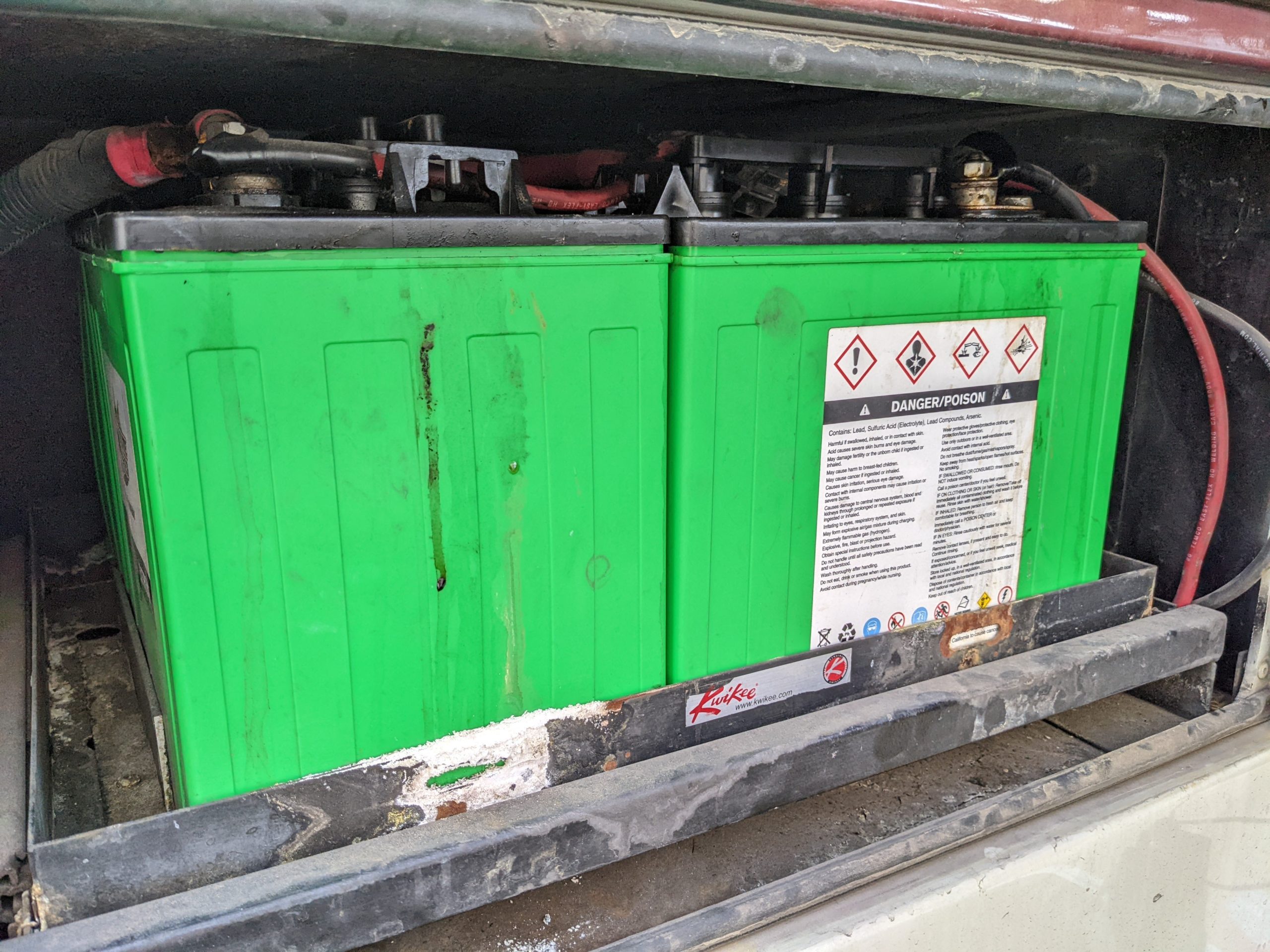
- Place each battery in a leak-proof tray or container.
- Never throw car batteries in household trash—they can leak and cause fires.
- Take used batteries to an approved recycling center.
Proper battery recycling protects the environment and is required by law in many places. Check local regulations for safe disposal options.
Credit: battlebornbatteries.com
How To Check And Top Up Battery Acid
Some older car batteries need regular maintenance. Here’s how to do it safely:
- Put on all protective gear.
- Remove the battery caps carefully.
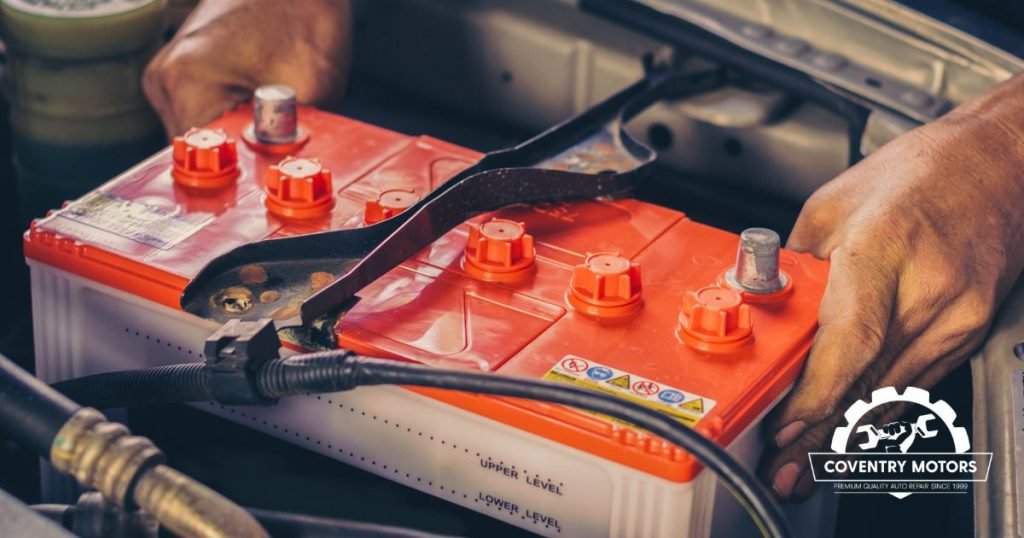
- Check acid level—plates should be covered but not overflowing.
- If low, add only distilled water. Tap water contains minerals that can damage the battery.
- Do not overfill—the acid will spill out when the battery charges.
- Wipe any spills immediately.
Many new batteries are sealed and maintenance-free. If you are not sure, check your car manual.
Common Mistakes And How To Avoid Them
Many accidents happen because people make simple mistakes. Here are some to watch out for:
- Not wearing protection – Even a quick check can cause a splash.
- Mixing up battery terminals – Connecting cables backward can spark and damage electronics.
- Ignoring leaks or corrosion – Clean terminals and fix leaks right away.
- Using metal tools without insulation – This can cause burns or a battery explosion.
- Storing batteries on their sides – Always keep them upright.
A less obvious mistake: never add acid to a battery in your car. Always do it in a safe space, away from the vehicle.
Environmental Impact Of Car Battery Acid
If battery acid leaks into the ground, it can pollute water sources and harm wildlife. It takes just a small amount to cause damage. That is why professional garages have strict rules for battery storage and disposal. Home mechanics should follow the same standards.
Recycling centers can extract and reuse the lead and plastic from old batteries, reducing waste. If you see a spill outside or in your garage, clean it up immediately and report large leaks to local authorities.
Battery Acid Vs. Other Household Acids
Some people think car battery acid is similar to vinegar or lemon juice. But sulfuric acid is much stronger. Here’s a comparison:
| Acid Type | Strength (pH) | Common Use | Danger Level |
|---|---|---|---|
| Battery Acid (Sulfuric) | 0-1 | Car batteries | Very high |
| Vinegar (Acetic) | 2-3 | Cooking, cleaning | Low |
| Lemon Juice (Citric) | 2-3 | Food, cleaning | Low |
This shows why car battery acid deserves special respect compared to common acids at home.
When To Get Professional Help
If you are unsure about any step, or if a battery is leaking badly, call a professional. Mechanics have special tools and training for safe battery handling. Never try to open, refill, or charge a damaged battery yourself. If you buy a new battery, the shop will often take your old one for safe disposal.
If you feel dizzy, have trouble breathing, or your skin burns after handling a battery, get medical help right away. Quick action can prevent serious injury.
Non-obvious Insights To Remember
- Never trust an old battery: Even if it looks fine, seals can fail suddenly. Treat all batteries with caution.
- Label used batteries: Mark old or leaking batteries clearly, so others know not to touch them by mistake.
- Store emergency contacts: Keep the poison control center number handy when working with chemicals.
Many beginners forget these steps, but they make a big difference in safety.
Credit: coventrymotorsny.com
Frequently Asked Questions
What Should I Do If I Accidentally Touch Car Battery Acid?
Rinse your skin with cool water for at least 15 minutes. Remove any contaminated clothing. Do not use creams or baking soda on your skin. If you feel pain or see blisters, get medical help.
Is It Safe To Add Water To A Car Battery Myself?
Only add distilled water and only if your battery is not sealed. Always wear gloves and goggles. Never add acid unless you are trained—this can be very dangerous.
Can Car Battery Acid Damage My Car?
Yes, it can eat through metal, paint, and wiring. Clean any spills right away with baking soda and water. Check for leaks regularly.
How Do I Dispose Of An Old Car Battery?
Take it to a certified recycling center. Never throw it in the trash. Many auto shops will accept used batteries for safe disposal. For more details, see this EPA guide.
What Is The Best Way To Neutralize Car Battery Acid?
Sprinkle baking soda on the spill, then slowly add water. Wait for fizzing to stop, then wipe up with paper towels. Dispose of the waste safely.
Handling car battery acid is serious business, but with the right steps, you can protect yourself and your car. Always use the correct safety gear, work in a safe space, and never take shortcuts. If you have any doubt, ask a professional.
Your safety is worth it.