
Every car owner wants their vehicle to last as long as possible and run smoothly. But many drivers forget the simple truth: cars need regular care to stay reliable and safe. This is where preventive car maintenance comes in. Instead of waiting for something to break, preventive maintenance means checking, servicing, and replacing parts before problems happen. This small habit can save you a lot of money, time, and headaches in the long run.
Many people believe that as long as their car starts in the morning, everything is fine. But the reality is, cars are complex machines with many parts that wear down over time. Ignoring small issues today can lead to major, costly repairs tomorrow.
Preventive maintenance is not just for car enthusiasts or mechanics—it’s essential for anyone who depends on their car for daily life, work, or family.
Let’s explore what preventive car maintenance really means, why it matters, and how you can easily build good habits to keep your vehicle healthy for years.
What Is Preventive Car Maintenance?
Preventive car maintenance is the practice of performing routine checks and services on your car to avoid unexpected breakdowns and costly repairs. It includes tasks like oil changes, tire rotations, brake inspections, fluid checks, and more. The main idea is simple: fix or replace parts before they fail.
This type of maintenance is different from corrective maintenance, which only happens after something breaks. With preventive care, you act early. For example, you change your oil before the engine gets damaged, or replace your brake pads before they wear out completely.
A good preventive maintenance schedule follows the guidelines in your car’s manual and considers your driving habits, climate, and mileage. Sticking to this schedule helps your car run more efficiently, keeps you safer, and often improves fuel economy.
Why Preventive Maintenance Is Important
Some drivers see car care as an extra cost. But the numbers tell a different story:
- According to the U.S. Department of Transportation, regular maintenance can reduce the risk of a breakdown by up to 50%.
- The Car Care Council found that drivers who skip preventive maintenance can end up spending 46% more on car repairs.
- Well-maintained cars can last 200,000 miles or more—sometimes double the life of neglected vehicles.
But it’s not just about money. Preventive maintenance also:
- Keeps your car safe. Worn tires or brakes can cause accidents.
- Reduces stress. You avoid being stranded or missing important events.
- Protects resale value. Buyers pay more for cars with a maintenance history.
- Lowers emissions. A healthy car pollutes less and uses less fuel.
Neglecting maintenance often means small problems become big ones. For example, not changing your oil can eventually destroy your engine, costing thousands of dollars.
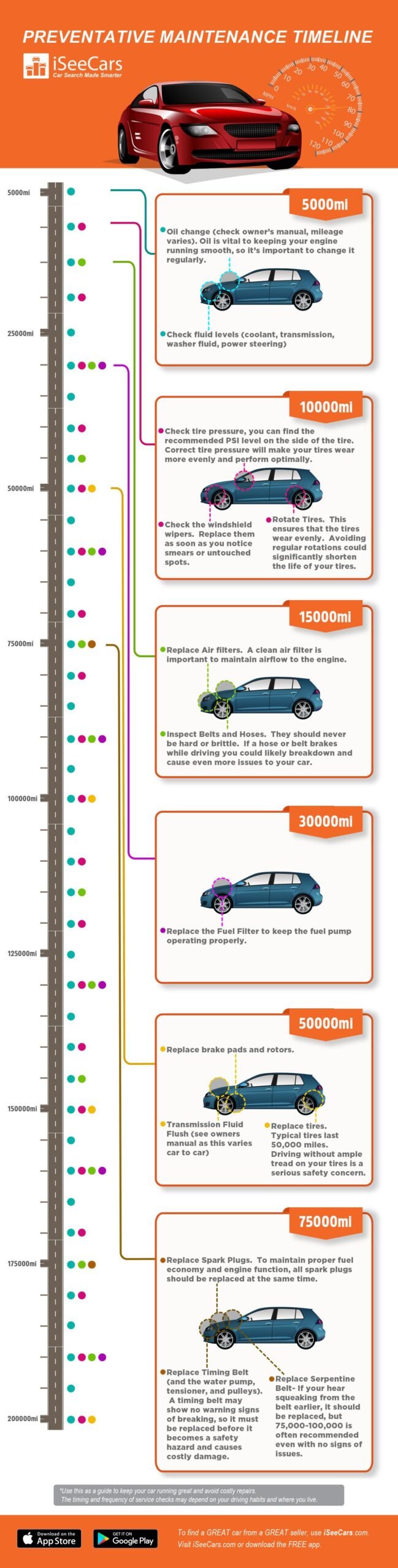
Credit: www.reddit.com
Key Preventive Maintenance Tasks
Preventive maintenance covers many parts of your car. Here are the most important tasks all car owners should know:
1. Engine Oil And Filter Change
Engine oil lubricates moving parts, reducing friction and heat. Over time, oil gets dirty and loses its ability to protect the engine. Changing the oil and filter is usually needed every 3,000 to 7,500 miles, depending on your car and oil type.
Non-obvious insight: Even if you drive very little, oil still ages due to heat and moisture. Change it at least once a year, even with low mileage.
2. Tire Care And Rotation
Tires connect your car to the road. Regularly check tire pressure, tread depth, and look for damage. Rotate your tires every 5,000 to 8,000 miles to make them wear evenly and last longer.
Extra tip: Don’t forget to check the spare tire’s condition and pressure.
3. Brake Inspection
Brakes are critical for safety. Listen for squeaking, grinding, or a soft pedal. Have your brakes checked at least once a year, or sooner if you notice problems.
Beginner mistake: Waiting until brakes make noise often means the pads are already worn out, and you may need to replace expensive parts like rotors.
4. Fluid Checks And Top-ups
Cars use several fluids, each with an important job:
- Engine oil
- Coolant (antifreeze)
- Brake fluid
- Transmission fluid
- Power steering fluid
- Windshield washer fluid
Check fluid levels monthly and top them up as needed. Replacing fluids at the right intervals prevents leaks, overheating, and component failure.
5. Battery Maintenance
Modern car batteries last 3-5 years. Check for corrosion, clean terminals, and test voltage if your car starts slowly. Replace the battery before it fails completely.
Hidden detail: Extreme heat or cold can shorten battery life. In hot climates, batteries often need replacing sooner.
6. Air Filter Replacement
The engine air filter blocks dust and debris. A clogged filter reduces performance and fuel economy. Check and replace it every 15,000 to 30,000 miles, or as recommended.
7. Timing Belt/chain Replacement
Some engines use a timing belt, others a chain. A broken timing belt can destroy the engine. Replace it at the interval listed in your owner’s manual (often between 60,000 and 100,000 miles).
Many owners forget: Not all cars use timing belts—know which one your car uses.
8. Spark Plug Replacement
Spark plugs ignite fuel in the engine. Worn plugs cause rough idling, poor acceleration, and bad fuel economy. Replace them every 30,000 to 100,000 miles, based on your car’s needs.
9. Light And Signal Check
Check headlights, brake lights, turn signals, and interior lights. Replace burned-out bulbs right away—driving without them can be dangerous and may get you a ticket.
10. Wiper Blade Replacement
Wipers wear out from sun and weather. Replace blades every 6-12 months or when they streak. Clear vision is key for safe driving, especially in rain or snow.
11. Cabin Air Filter Replacement
This filter cleans the air inside your car. A dirty cabin filter can cause weak airflow and bad smells. Replace it every 15,000 to 25,000 miles, or as needed.
12. Suspension And Steering Checks
Suspension parts like shocks and struts keep your ride smooth and help control your car. Check for strange noises, uneven tire wear, or poor handling. Have a mechanic inspect these systems yearly.
13. Exhaust System Inspection
Check for rust, holes, or loud noises from the exhaust. A damaged exhaust can leak dangerous gases or reduce performance.
14. Belts And Hoses Inspection
Belts drive the alternator, water pump, and other parts. Hoses carry fluids. Look for cracks, leaks, or wear every few months. Replace any that look old or damaged.
15. Regular Cleaning And Paint Protection
Washing removes dirt and salt that cause rust. Waxing protects the paint. Clean the inside, too—dirt and spilled drinks can damage upholstery and controls.
Comparison: Preventive Vs. Corrective Maintenance
Here’s a quick look at how preventive maintenance differs from waiting for something to break:
| Aspect | Preventive Maintenance | Corrective Maintenance |
|---|---|---|
| Approach | Scheduled checks and replacements | Fixing after breakdown occurs |
| Cost | Lower, spread out over time | Higher, sudden and often urgent |
| Downtime | Usually planned and short | Unexpected, may be long |
| Vehicle life | Longer | Shorter |

Credit: www.ddmotors.com
How To Build A Preventive Maintenance Schedule
Your car’s owner’s manual is the best source for a maintenance schedule. It lists what to check and when. But you can also create your own plan based on your driving:
- Write down your car’s mileage and last service date.
- List all routine tasks (oil change, tire rotation, etc. ).
- Add reminders to your phone or a calendar.
- Check off each task as you finish it.
Here’s a sample schedule for a typical car:
| Task | Interval |
|---|---|
| Oil & filter change | Every 5,000 miles or 6 months |
| Tire rotation | Every 6,000 miles |
| Brake inspection | Every 12,000 miles or yearly |
| Air filter | Every 15,000 miles |
| Battery check | Twice a year |
| Coolant replacement | Every 2 years |
Pro tip: Some garages offer maintenance packages or send reminders by email or app.
Common Mistakes In Preventive Maintenance
Many car owners make simple mistakes that reduce the benefits of preventive care:
- Ignoring the owner’s manual. Every car is different—follow your manual, not just advice from friends.
- Skipping small jobs. Even a $10 filter can cause big problems if neglected.
- Using cheap or wrong parts. Low-quality oil or filters can damage your engine.
- Forgetting about time. Some parts age even if you drive little.
- Trusting warning lights too much. Not all problems trigger a dashboard light.
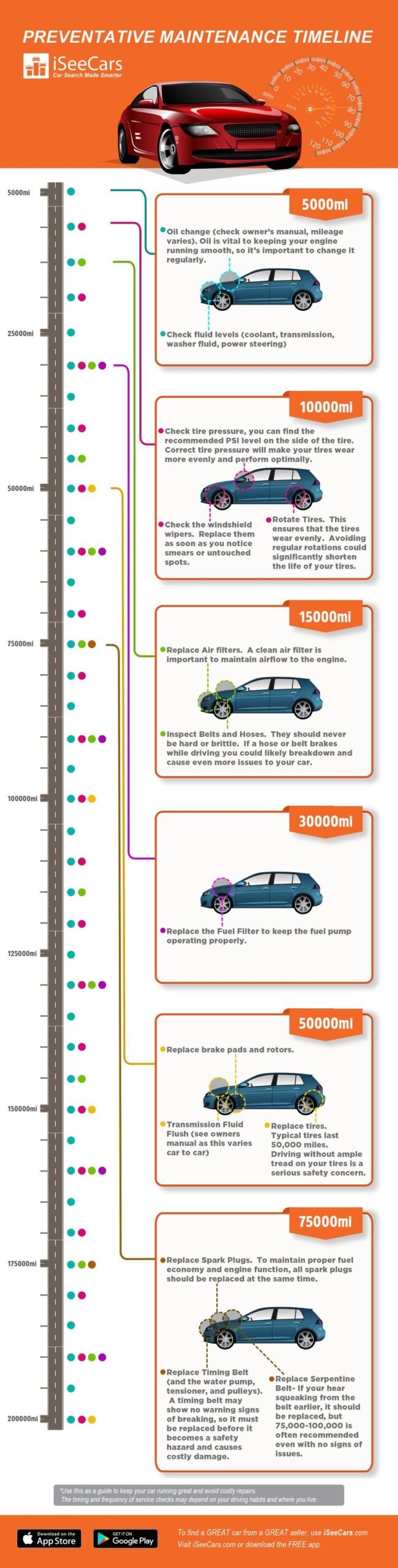
Credit: www.reddit.com
Cost-benefit Analysis: Is Preventive Maintenance Worth It?
Some drivers ask if preventive maintenance really saves money. Here’s a real-world example:
| Scenario | Annual Cost | Long-term Cost (5 years) | Risk of Major Breakdown |
|---|---|---|---|
| With Preventive Maintenance | $300–$600 | $1,500–$3,000 | Low |
| Without Maintenance | $0–$100 | $2,000–$7,000+ | High |
Over five years, regular maintenance is usually cheaper and much less stressful.
Advanced Tips For Getting The Most From Preventive Maintenance
- Keep records. Save receipts and note service dates—this helps with resale and warranty claims.
- Use quality parts and fluids. They last longer and protect your car better.
- Ask your mechanic questions. Learn what’s urgent and what can wait.
- Watch for recalls. Sometimes, the manufacturer will fix problems for free.
- Adapt for climate. Dusty, hot, or cold places may need more frequent checks.
Real-world Example
Sarah drives her car 15,000 miles a year. She spends about $450 yearly on oil changes, tire rotations, and filter replacements. After eight years, her car still runs well, and she sells it for $3,000 more than similar cars without a maintenance history.
Her friend Mike ignores maintenance, faces two breakdowns, and pays $1,800 for repairs in just three years. Sarah’s small, steady investment saved money and stress.
Where To Learn More
Always consult your car’s owner’s manual and trusted mechanics. For more official information on car maintenance, visit the National Highway Traffic Safety Administration.
Frequently Asked Questions
What’s The Difference Between Preventive And Predictive Maintenance?
Preventive maintenance follows a set schedule, while predictive maintenance uses sensors or tests to decide when to replace parts. Most car owners only need preventive maintenance unless they drive advanced or commercial vehicles.
How Often Should I Get My Oil Changed?
Most cars need an oil change every 3,000 to 7,500 miles. Always check your owner’s manual—some modern engines can go longer between changes.
Can I Do Preventive Maintenance Myself?
Yes, many tasks (like checking fluids, lights, or tires) are easy for beginners. Others, like brake work or timing belts, are best left to a professional mechanic.
Does Preventive Maintenance Void My Warranty?
No. In fact, skipping maintenance can void your warranty. Keep good records and use approved parts and fluids.
Is Preventive Maintenance More Important For Older Cars?
Older cars often need more frequent checks because parts wear out faster. But even new cars benefit—a good maintenance routine keeps your vehicle reliable at any age.
Taking care of your car through preventive maintenance is smart, simple, and pays off for every driver. With a little effort, you can enjoy safer, smoother journeys and avoid unexpected repairs.