
Keeping your car in good shape doesn’t have to be complicated. Even if you’re a complete beginner, you can do many simple checks and tasks to make your car run better, last longer, and stay safer. By following a basic car maintenance checklist, you’ll avoid unexpected breakdowns, save money on repairs, and feel more confident every time you drive.
Let’s explore the essential steps every car owner should know, with clear guidance and practical tips for each part of your vehicle.
Essential Fluids Every Car Owner Should Check
Your car relies on several fluids to function smoothly. Over time, these can get low or dirty, leading to engine damage or unsafe driving. Regular checks help you spot problems early.
Engine Oil
The engine oil keeps the engine’s moving parts lubricated and cool. Low or old oil can cause severe engine damage. Check your owner’s manual for the recommended oil type and change intervals. Most cars need an oil change every 5,000 to 7,500 miles.
How to check:
- Park on level ground and turn off the engine.
- Wait a few minutes for the oil to settle.
- Pull out the dipstick, wipe it clean, insert it again, then pull out to check the level.
- The oil should be between the “min” and “max” marks. If it’s dark or gritty, it’s time for a change.
Coolant
Coolant (also called antifreeze) prevents your engine from overheating or freezing. A low coolant level can cause the engine to overheat, which may lead to expensive repairs.
How to check:
- Locate the coolant reservoir (usually a translucent tank).
- The level should be between the “min” and “max” lines.
- Only open the radiator cap when the engine is cold—opening when hot can cause burns.
Brake Fluid
Brake fluid is crucial for safe braking. Low or dirty brake fluid can lead to reduced braking power.
How to check:
- Find the brake fluid reservoir under the hood.
- The fluid should be clear and at the proper level.
- If it’s dark, have it replaced by a mechanic.
Transmission Fluid
For cars with automatic transmissions, transmission fluid allows smooth gear changes. Not all cars have a dipstick for this, so check your manual.
How to check:
- Follow the vehicle-specific transmission-fluid check procedure. Some transmissions are checked at a defined fluid temperature with the engine running, while others have no dipstick and require a level plug or scan-tool temperature reading.
- Use the specified level marks or fill procedure. Transmission-fluid color varies by formulation and service history, so do not diagnose condition from color alone.
- A strong burnt odor, debris, foaming, or abnormal level can indicate a problem, but fluid service should follow the manufacturer procedure rather than color alone.
Power Steering Fluid
Power steering fluid makes turning the steering wheel easier. If steering feels heavy, check this fluid.
How to check:
- Locate the power steering reservoir.
- The fluid should be at the correct level and look clean.
Windshield Washer Fluid
A clear windshield is vital for safe driving. Windshield washer fluid helps clean away dirt and bugs.
How to check:
- Open the washer fluid cap and top up as needed.
Tire Care And Maintenance
Your car’s tires are your only contact with the road. They affect safety, fuel economy, and comfort. Checking them regularly helps you spot issues early.
Tire Pressure
Proper tire pressure gives you better handling and fuel efficiency. Too low or too high pressure can cause uneven wear or even a blowout.
- Find the recommended pressure on a sticker inside the driver’s door or in your manual.
- Use a tire gauge to check pressure at least once a month.
- Fill tires when they’re cold, not after driving.
Tread Depth
Tread depth affects grip, especially on wet roads. Worn tires are dangerous.
- 2/32 inch (about 1.6 mm) is a common U.S. replacement/wear-bar threshold, but legal and inspection requirements vary by jurisdiction.
- Use a tread depth gauge or the “penny test”—insert a penny into the tread with Lincoln’s head upside down; if you see all of his head, it’s time for new tires.
Tire Rotation And Alignment
Rotate tires at the interval and pattern specified by the vehicle or tire manufacturer to help manage normal position-related wear. Misaligned wheels can cause your car to pull to one side or shake.
Signs of alignment problems:
- Steering wheel is off-center
- Car pulls left or right
- Uneven tire wear
Spare Tire
Don’t forget your spare tire. Check its pressure and condition so you’re not stranded in an emergency.
Battery Checks
Your car’s battery provides the electricity needed to start the engine and power accessories. A dead battery can leave you stranded.
- Inspect for corrosion (white or greenish powder) on terminals.
- Ensure cables are tight and secure.
- Battery life varies with climate, use, charging system, battery type, and vehicle demand. Use age as context, but test condition rather than replacing solely by a universal year range.
- If your car cranks slowly or lights dim, have the battery tested.
Lights And Signals
Working lights keep you visible and safe. Check all exterior lights every month.
What To Check
- Headlights – Both high and low beams
- Taillights
- Brake lights
- Turn signals
- Reverse lights
- Hazard lights
Replace burnt bulbs promptly. Sometimes, cleaning cloudy headlight covers can greatly improve visibility.
Wipers And Windshield
Good windshield wipers are essential, especially in rain or snow.
- Replace wiper blades when they streak, chatter, tear, or fail to clear the windshield properly; climate and use determine how quickly they wear.
- Check for cracks or missing rubber on the blades.
- Make sure the windshield is free of chips and cracks. Small chips can often be repaired before they spread.
Air Filter And Cabin Filter
Your engine and your lungs both need clean air. Two filters help with this.
Engine Air Filter
A dirty engine air filter reduces performance and fuel economy.
- Inspect and replace the engine air filter according to the vehicle manufacturer schedule and operating conditions such as dust exposure.
- Do not rely on a “hold it to the light” test alone. Replace based on the manufacturer interval, restriction/damage, heavy debris loading, or a failed sealing edge.
Cabin Air Filter
The cabin air filter keeps dust and pollen out of your car’s interior.
- Replace the cabin filter at the interval specified by the vehicle manufacturer or sooner if it is heavily loaded and airflow is restricted.
Belts And Hoses
Belts (like the serpentine belt) and hoses move power and fluids throughout your engine. If one fails, you could be stranded.
- Look for cracks, fraying, or glazing on belts.
- Inspect hoses for swelling, cracks, abrasion, leaks, oil contamination, or damaged fittings. Hose construction varies, so “firmness” alone is not a reliable pass/fail test.
- Listen for squealing noises, which can mean a loose or worn belt.
Brakes
Safe brakes are non-negotiable. Listen and feel for problems.
Warning signs:
- Squealing or grinding noises
- Longer stopping distances
- Vibration when braking
- Brake warning light on
If you notice any of these, have your brakes checked by a professional.
Credit: www.autotrainingcentre.com
Basic Car Maintenance Checklist for Beginners
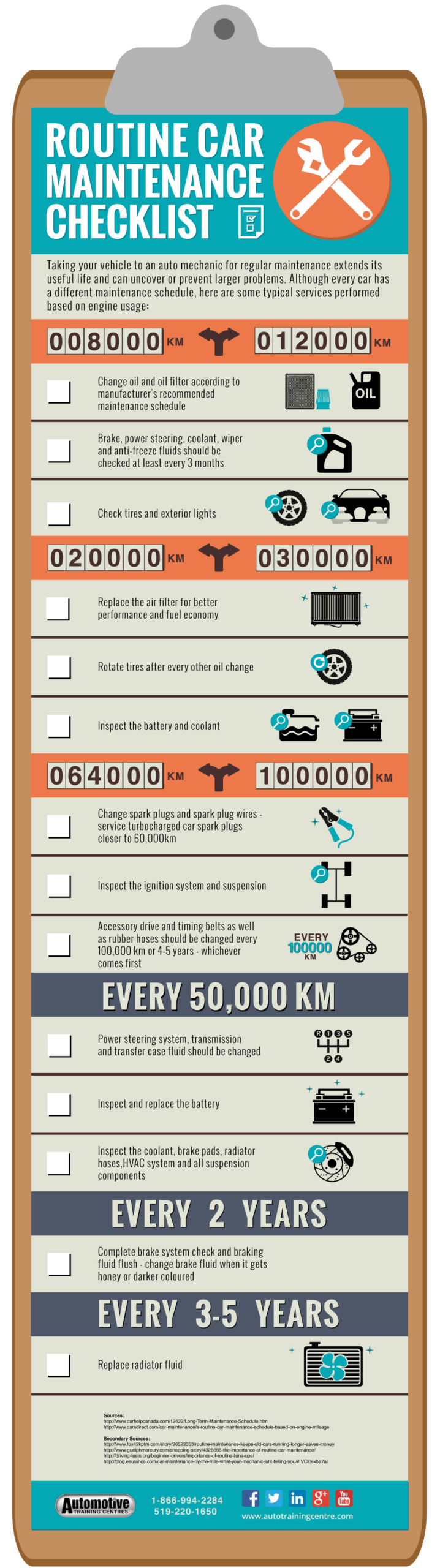
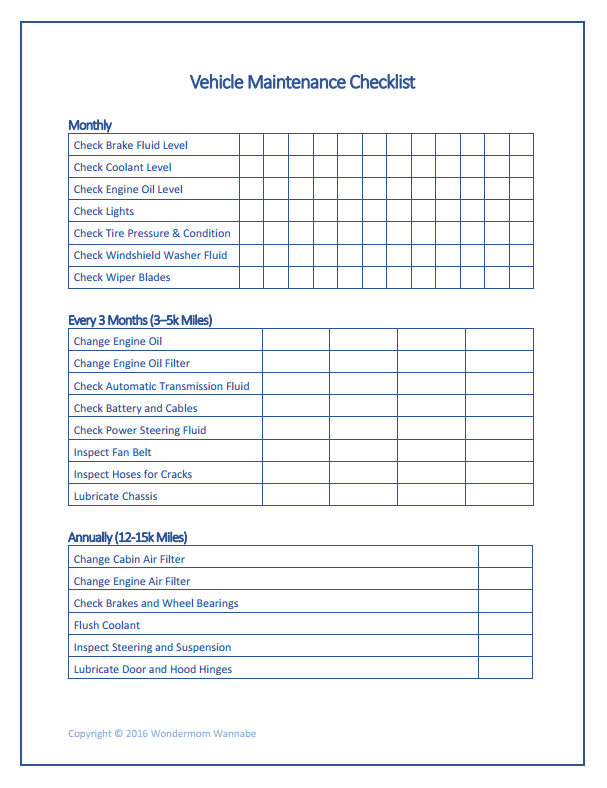
Use this as a recurring inspection list, not as a replacement for your owner’s manual. Check simple condition items such as tire pressure, tread, lights, wipers, visible fluid levels and leaks regularly; perform scheduled oil, coolant, transmission, spark-plug, filter and other services at the exact interval specified for your vehicle and driving conditions.
Common Mistakes Beginners Make
It’s easy to overlook small things when you’re new to car maintenance. Here are mistakes to avoid:
- Ignoring warning lights – Even a simple check engine light can signal a serious problem. Don’t ignore dashboard warnings.
- Skipping scheduled services – Your owner’s manual lists when to replace fluids, filters, and more. Skipping these can shorten your car’s life.
- Overfilling fluids – Too much oil or coolant can be as bad as too little. Always fill to the recommended level.
- Using the wrong products – Not all oil, coolant, or brake fluid is the same. Use what your manual specifies.
- Not tightening gas caps – A loose gas cap can cause the check engine light to come on and waste fuel.
- Forgetting about the spare – Many people never check their spare tire until they need it. Make it part of your routine.
Signs Your Car Needs Immediate Attention
Some issues need a mechanic’s help right away.
- Strange smells – Burning, sweet, or fuel smells can indicate leaks or overheating.
- Unusual noises – Knocking, grinding, or squealing may mean parts are worn or failing.
- Leaks – Puddles under your car (other than water from AC) signal trouble.
- Smoke from the hood – Stop driving and seek help immediately.
Diy Vs. Professional Maintenance
You can do many tasks yourself, but some are best left to professionals. Here’s a quick comparison:
| Task | DIY Friendly | Professional Needed |
|---|---|---|
| Check fluids | Yes | No |
| Change wipers | Yes | No |
| Replace air filter | Yes | No |
| Brake replacement | Possible for advanced DIYers | Recommended |
| Engine diagnostics | No | Yes |
| Transmission fluid change | No | Yes |
Credit: wondermomwannabe.com
Build Your Vehicle-Specific Maintenance Schedule
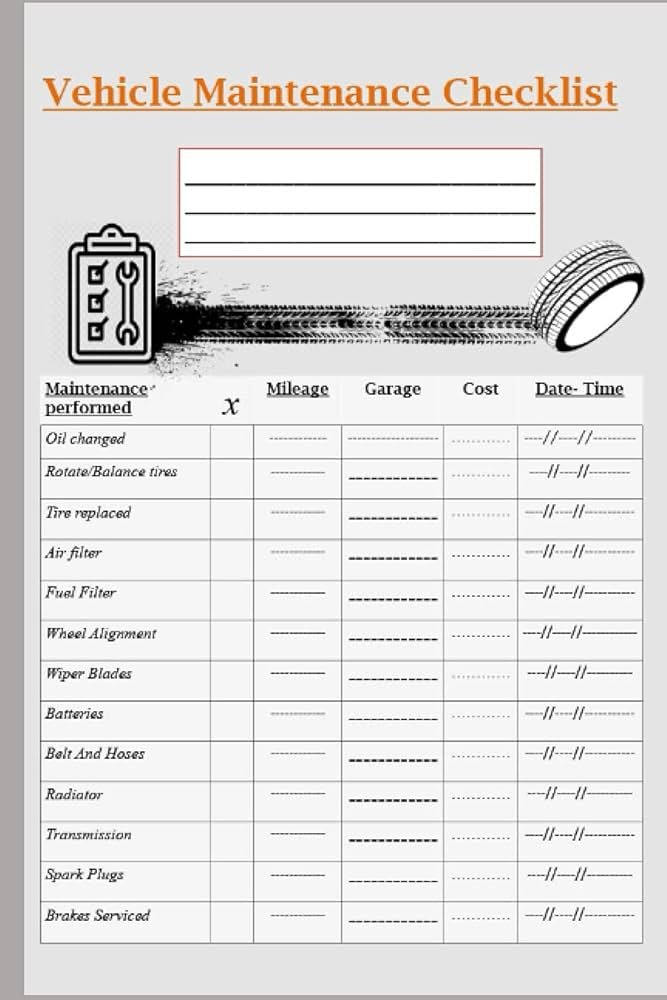
Instead of using a generic mileage table, copy the maintenance intervals from your owner’s manual into a simple log. Include normal and severe-service intervals where applicable, then record the date and mileage each task was completed. This avoids both premature replacement and overdue service.
Non-obvious Insights For Beginners
- You don’t need special tools for most checks. A simple tire gauge and flashlight go a long way. Many auto parts stores will test your battery or even install wiper blades for free.
- Weather affects maintenance needs. Temperature changes tire pressure and can increase battery stress, but sealed vehicle fluids should not simply be “topped up more often” without checking why the level changed.
- A clean engine bay can reveal leaks. Wipe dirt off the engine and under the hood. This makes it easier to spot leaks or worn parts before they cause trouble.
- Your driving style changes maintenance needs. Frequent short trips can wear out oil and batteries faster than long highway drives.
Credit: www.amazon.com
Where To Learn More
Car maintenance gets easier with a repeatable routine. Use the owner’s manual, manufacturer service schedule, dashboard maintenance system, and vehicle-specific service information as your primary references.
Frequently Asked Questions
How Often Should I Check My Car Fluids?
Use the inspection frequency in the owner’s manual. Tire pressure and visible fluid levels are practical regular checks, but sealed transmission, brake, power-steering, and cooling systems may have vehicle-specific procedures and service intervals.
Can I Use Any Engine Oil For My Car?
No, always use the type and grade of oil recommended in your owner’s manual. Using the wrong oil can reduce performance and damage your engine.
What Is The Easiest Maintenance Task For Beginners?
Checking tire pressure and topping up windshield washer fluid are the simplest. Both take only a few minutes and don’t require tools.
How Do I Know If My Battery Is Going Bad?
Signs include slow cranking, repeated low-voltage faults, dimming during starting, or a failed battery test. Age can increase failure risk, but test battery condition and the charging system rather than replacing solely because a certain number of years has passed.
Should I Follow The Maintenance Schedule In My Manual?
Yes. The schedule is designed for your specific car and driving conditions. Following it keeps your car running reliably and protects your warranty.
Taking care of your car doesn’t have to be overwhelming. Start with these simple checks, and you’ll build confidence and keep your vehicle in top shape for years to come.