
When you pour coolant into your car or any machine, it feels like a small task. But the coolant concentration—the mix of antifreeze and water—matters more than most people think. Using the wrong ratio can quietly damage your engine, cost you money, and even put your safety at risk. Let’s look at why the right coolant mix is so important, what can go wrong if you get it wrong, and how to protect your engine for years to come.
What Is Coolant Concentration?
Coolant, or antifreeze, is a fluid that keeps your engine from overheating or freezing. It’s usually a mix of ethylene glycol (or propylene glycol) and water. The typical recommended ratio is 50% coolant and 50% water. This balance protects your engine in both hot and cold weather. However, many people guess the mix or use “universal” solutions, not realizing that the concentration affects engine performance and longevity.
If the ratio is off, your engine’s cooling system can’t do its job. Too much water or too much antifreeze each brings different risks. The correct mix can handle temperatures from about -34°C (-29°F) to 129°C (265°F). Go outside that range, and you invite trouble.
Common Mistakes When Mixing Coolant
Many car owners and even some mechanics make mistakes when mixing coolant. Here are some common errors:
- Guessing ratios: Pouring “about half” of each without measuring.
- Using tap water: Hard water contains minerals that can cause buildup.
- Mixing different types: Not all coolants are compatible.
- Topping off with water only: Dilutes the mix and reduces protection.
A simple measuring jug and attention to the coolant type can prevent most problems.
Credit: www.okuma.com
Effects Of Low Coolant Concentration
If you use too much water and not enough antifreeze, you create a low coolant concentration. Here’s what can happen:
Freezing In Cold Weather
The main job of antifreeze is to stop the liquid from freezing inside your engine. If the concentration is too low, water can freeze at temperatures just below 0°C (32°F). Frozen coolant expands, which can crack the engine block or radiator. Repairs for a cracked engine can cost thousands of dollars and may even require a new engine.
Corrosion And Rust
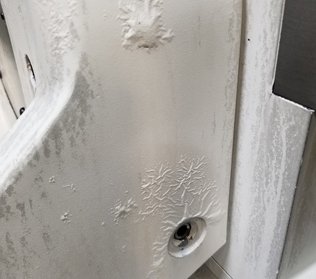
Water alone encourages rust and corrosion inside metal parts. The antifreeze contains additives that protect against this. Low concentration means less protection, leading to rusted parts, clogged passages, and eventually leaks.
Boiling Over In Summer
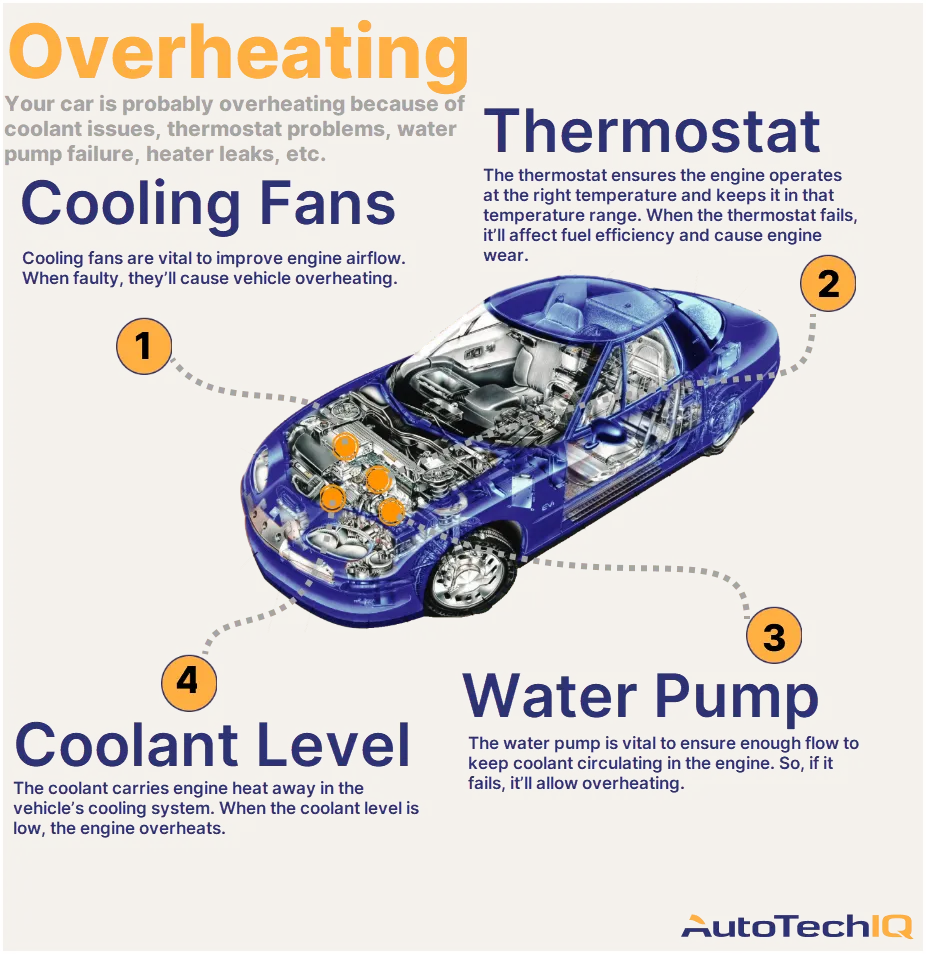
A weak coolant mix boils at a lower temperature. In hot weather or during heavy use, your engine can overheat. Steam pressure can blow hoses or radiator caps, leaving you stranded.
Poor Lubrication
Coolant doesn’t just control temperature—it also lubricates the water pump and seals. Too much water reduces this effect, causing these moving parts to wear out faster.
Example
In a 2018 study, cars with less than 30% antifreeze in their coolant were found to overheat 40% more often in summer compared to those with the correct mix.
Effects Of High Coolant Concentration
It might sound safer to add more antifreeze, but using too much is just as risky. Here’s why:
Reduced Cooling Efficiency
Pure antifreeze doesn’t transfer heat as well as water. The higher the glycol content, the less efficient the system is at removing heat. This can lead to overheating, especially during long drives or in hot climates.
Additive Overload
Antifreeze contains chemicals for corrosion protection, but in high concentrations, these additives can become unstable and form sludge. This can block the radiator and heater core, reducing flow and causing further overheating.
Higher Viscosity
Thicker coolant flows slower. Your water pump has to work harder, and in some cases, it may fail early. This increases the risk of engine damage.
Example
Testing by automotive researchers has shown that a 100% antifreeze mix can increase engine temperature by up to 15°C (27°F) compared to a 50/50 mix.
Table: Coolant Mix And Temperature Protection
The protection level changes based on the coolant-water mix.
| Coolant/Water Ratio | Freeze Protection (°C) | Boil Over Protection (°C) |
|---|---|---|
| 100% Water | 0 | 100 |
| 30/70 | -15 | 104 |
| 50/50 | -34 | 129 |
| 70/30 | -55 | 136 |
| 100% Coolant | -13 | 180 |
Notice that pure antifreeze actually offers less freeze protection than a 50/50 or 70/30 mix. That surprises many people.
Dangers For Different Engine Types
Not all engines are the same. The wrong coolant concentration affects some more than others.
Aluminum Engines
Modern cars often have aluminum engine blocks. These need the anti-corrosive properties of proper coolant mixes even more than older iron blocks. With too little antifreeze, aluminum parts corrode quickly, leading to leaks and expensive repairs.
Diesel Engines
Diesel engines often run hotter and have higher pressure cooling systems. A wrong mix can cause cylinder head cracking or gasket failure much faster in these engines.
Motorcycles And Small Engines
These systems hold much less coolant. Even a small error in mixing can have quick and severe effects, like overheating or freezing.
Table: Engine Material Vs. Corrosion Risk With Wrong Mix
| Engine Material | Low Antifreeze Risk | High Antifreeze Risk |
|---|---|---|
| Cast Iron | Moderate corrosion | Reduced cooling |
| Aluminum | Severe corrosion | Reduced cooling, sludge |
| Mixed Metal | Electrolysis, leaks | Blockage, overheating |
Environmental And Safety Hazards
Coolant is toxic. Using the wrong concentration can increase the risk of leaks. Leaking coolant harms the environment and can poison pets or wildlife if left on the ground. Some coolants are dyed bright colors to warn people, but if the mix is off, you might not notice small leaks until damage is done.
Costly Repairs From Wrong Coolant Mix
The wrong coolant concentration is not just a technical detail—it can empty your wallet. Here’s what you might face:
- Water pump failure: $300–$750
- Heater core replacement: $500–$1,000
- Radiator replacement: $400–$900
- Head gasket repair: $1,200–$2,500
- Cracked engine block: $3,000–$7,000
These costs add up quickly, and most insurance policies do not cover damage from poor maintenance.
How To Check And Adjust Coolant Concentration
You don’t have to be a mechanic to keep your coolant mix right. Here’s how:
- Check your manual. Use the ratio recommended by your vehicle’s manufacturer.
- Use a coolant tester (hydrometer or refractometer). These tools show the freeze and boil protection levels.
- Mix before you pour. Always combine antifreeze and water in a clean container, not in the radiator.
- Use distilled water. Tap water can cause scaling.
- Flush old coolant. When changing coolant, flush out the old mix completely.
If you top off with water only, remember that you weaken the mix over time. Check the ratio every year, especially before winter or a long trip.
Credit: www.autotechiq.com
Table: Coolant Testing Methods
| Method | Accuracy | Ease of Use | Cost |
|---|---|---|---|
| Hydrometer | Good | Easy | Low |
| Refractometer | Very High | Moderate | Medium |
| Test Strips | Moderate | Very Easy | Low |
Two Insights Most People Miss
First, many believe “more antifreeze is better.” In reality, pure antifreeze can freeze faster than a 50/50 mix and doesn’t cool as well. Second, people forget that coolant slowly breaks down over time—even if the level stays the same. Old coolant loses its protective properties, so following the change interval is as important as the ratio.
What Manufacturers Recommend
Most car makers recommend a 50/50 mix of antifreeze and distilled water. Some heavy-duty engines or special climates may need a 60/40 or even 70/30 mix, but never pure antifreeze or pure water. Always check your owner’s manual or ask a dealer if you’re unsure. For more technical information, the Wikipedia antifreeze page offers a deep dive.
Final Thoughts
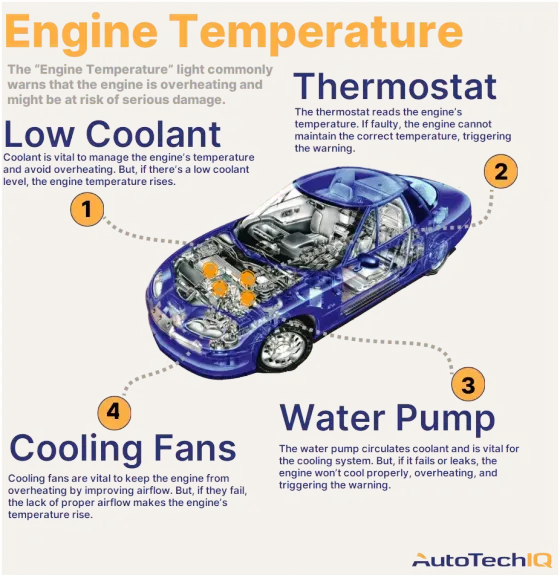
The right coolant concentration is not just a technical detail—it’s a key part of keeping your engine alive and healthy. Using the wrong mix brings risks: freezing, overheating, corrosion, and expensive repairs. Most problems are easy to avoid with a little care and the right tools. Don’t guess; measure. If in doubt, ask for help. Your engine—and your wallet—will thank you.
Credit: www.autotechiq.com
Frequently Asked Questions
What Is The Ideal Coolant Concentration For Most Cars?
The ideal mix for most cars is 50% antifreeze and 50% distilled water. This provides the best protection against both freezing and overheating.
Can I Use Tap Water To Mix With Coolant?
It’s better to use distilled water. Tap water contains minerals that can cause scale and corrosion inside your engine.
What Happens If I Only Use Water As Coolant?
Using only water increases the risk of freezing in winter, overheating in summer, and corrosion year-round. It does not protect your engine properly.
How Often Should I Check Or Change My Coolant?
Check your coolant level and concentration at least once a year. Most manufacturers recommend changing it every 2–5 years, depending on the type.
Is It Safe To Mix Different Coolant Brands Or Types?
Mixing different types can cause chemical reactions, sludge, and reduce protection. Always use the type recommended for your vehicle and avoid mixing brands unless they are labeled as compatible.