
Fixing your car can feel like a big decision. Should you grab your tools and do it yourself, or pay a professional mechanic? Many people want to save money, but worry about making things worse. Others are unsure if the cost of a mechanic is really worth it. This article will help you compare DIY car repair and mechanic costs in detail. You’ll find facts, real examples, and practical advice to help you decide what’s best for your situation.
Understanding Diy Car Repair
DIY stands for “do it yourself.” When you repair your car yourself, you avoid labor charges and may save a lot of money. Many car owners do simple tasks at home, such as oil changes, brake pad replacement, and battery swaps. But some repairs are more complex and risky.
To succeed at DIY car repair, you need:
- Basic tools (like wrenches, jacks, screwdrivers)
- Parts (bought online or at auto shops)
- Repair guides (YouTube, manuals, car forums)
- Time and patience
If you are not careful, DIY can be dangerous. Making a mistake can damage your car or hurt you. Also, some car repairs need special tools or knowledge, especially with modern vehicles full of electronics.
Mechanic Repair: What Are You Paying For?
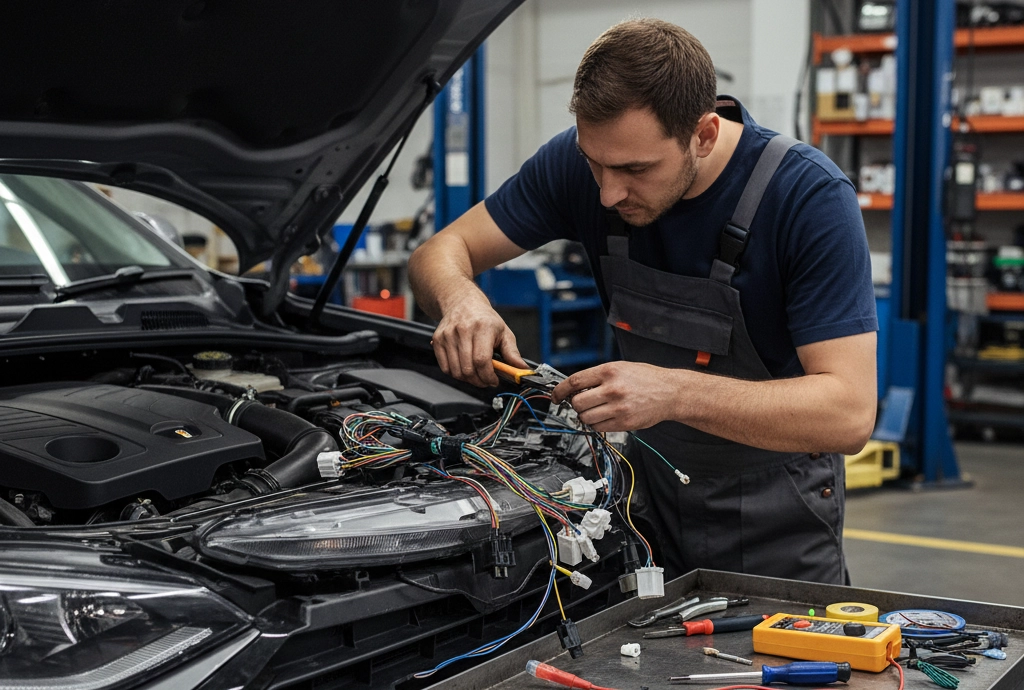
A professional mechanic has training, experience, and the right equipment. When you pay a mechanic, you get:
- Expertise: Years of hands-on training
- Warranty: Most shops guarantee their work
- Speed: Repairs are often faster
- Safety: Less risk of error or injury
Mechanic shops charge for labor (usually $75–$150 per hour in the US) and parts (often at a markup). Some tasks have flat fees. The final bill often surprises people, but it covers business costs, insurance, and taxes.
Credit: www.royalincarparts.com
Comparing Costs: Diy Vs Mechanic
It’s easy to see the price difference by looking at common repairs. Here are three examples:
| Repair | DIY Cost | Mechanic Cost |
|---|---|---|
| Brake Pad Replacement | $40–$100 (parts only) | $150–$300 (parts + labor) |
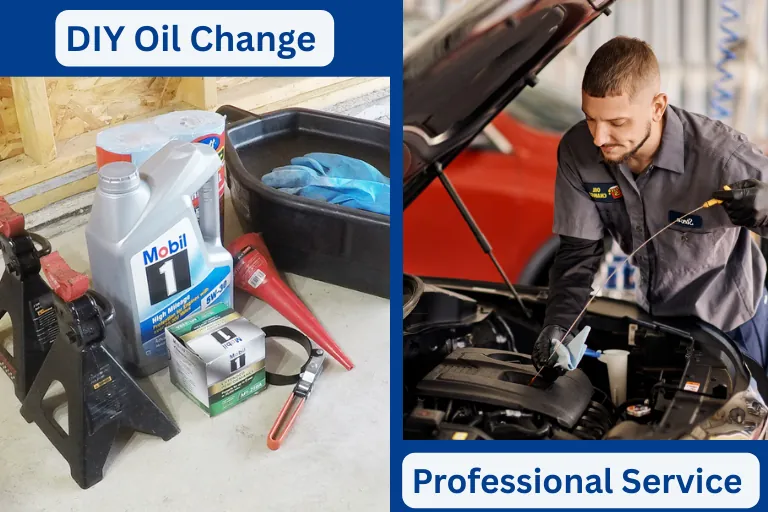
| Engine Oil Change | $25–$50 (oil + filter) | $50–$120 |
| Battery Replacement | $70–$200 (battery) | $120–$300 |
You can see the savings if you do the work yourself. But remember, DIY takes more time and has some risks.
When Is Diy Car Repair A Good Idea?
DIY is best for:
- Simple maintenance: Oil changes, air filter swaps, windshield wipers, battery changes, headlight bulbs.
- Older vehicles: Cars out of warranty, or those with simple designs.
- Common problems: Issues with lots of online guides and video tutorials.
- Saving money: If you’re on a tight budget, DIY cuts costs.
But even for simple jobs, always check your car’s manual and safety guidelines. Some modern cars have complex computer systems that make even basic jobs tricky.
Non-obvious Insight 1
Many beginners forget to check if the right tools are needed before starting. Sometimes, a repair needs a special tool that costs more than the mechanic’s labor. For example, replacing certain sensors or bushings may require a press or scanner.
When To Choose A Mechanic
Letting a professional handle repairs is smarter when:
- Repairs are complex: Timing belts, transmissions, or electrical problems need expert hands.
- You lack time: Some jobs take hours or days.
- You want a warranty: Mechanics usually offer guarantees.
- Safety is a concern: Brakes, airbags, or steering repairs must be done right.
- You don’t have the right space: Not everyone has a garage or safe parking spot.
Non-obvious Insight 2
Many people ignore the hidden costs of DIY—like the value of your time, risk of injury, or extra trips to the auto parts store for forgotten items. If you work late into the night or miss work because of a repair, you may lose more than you save.
Key Factors That Affect The Cost Difference
Many things can change the cost comparison:
- Car make and model: Luxury or foreign cars cost more to repair.
- Age of the car: Older cars are often simpler, but rare parts can be expensive.
- Part quality: Cheap parts wear out faster. Mechanics often use mid-to-high quality parts.
- Location: City mechanics charge more than small-town shops.
- DIY mistakes: If you make an error and need a mechanic to fix it, the total cost can double.
Here is a look at how costs can change for different car brands:
| Car Brand | Average Mechanic Labor Rate | Parts Availability |
|---|---|---|
| Toyota | $90/hour | Very High |
| BMW | $140/hour | Medium |
| Ford | $100/hour | High |
| Subaru | $110/hour | Medium |
| Honda | $95/hour | Very High |
Credit: www.texascollisioncenters.com
Real-world Examples
Imagine you need to change your car’s alternator. At a mechanic, the job may cost $400–$800. Doing it yourself could be $120–$300 for the part, but you need to know how to disconnect the battery, remove the belt, and lift the alternator safely. If you break a bolt or wire, your costs can quickly rise.
Another example is changing spark plugs. For most cars, a mechanic charges $100–$200. DIY cost is $20–$60 for the plugs. However, on some engines, spark plugs are hard to reach, and you might need to remove other parts first.
What You Need For Successful Diy Repairs
Before starting a DIY repair, always:
- Check if the job is within your skill level
- Read or watch guides for your exact car model
- Gather all needed tools and parts before you start
- Make sure you have a safe, flat area to work
- Wear gloves and eye protection
For many beginners, YouTube tutorials are a lifeline. Sites like Haynes Manuals also provide step-by-step instructions for many cars.
Pros And Cons: Diy Vs Mechanic
Let’s break down the main advantages and disadvantages side by side:
| DIY Repair | Mechanic | |
|---|---|---|
| Cost | Lower (parts only) | Higher (labor + parts) |
| Time | More (learning + working) | Less (done professionally) |
| Skill Needed | Medium to High | Low (for you) |
| Tools Needed | Yes | No |
| Warranty | Usually none | Yes (often 12 months) |
| Risk | Medium to High | Low |
Common Mistakes When Comparing Costs
Many people make these errors:
- Ignoring small expenses: Rags, cleaners, and tools add up.
- Overestimating skills: Some jobs look easy, but are tricky in practice.
- Forgetting about safety: DIY repairs can lead to injuries if you are not careful.
- Not checking warranties: Some new cars lose warranty if not serviced by a pro.
- Underestimating time: What should take 1 hour can take 4 hours if you are new.
Credit: guerreromobilemechanics.com
Tips To Save Money—without Sacrificing Safety
- Start small: Learn on easy jobs, like changing air filters or wiper blades.
- Invest in quality tools: Good tools last and make jobs safer.
- Join car forums: Other owners share tips and common problems.
- Buy quality parts: Cheap parts can fail quickly.
- Know when to stop: If you feel lost, get help before making things worse.
How To Find A Good Mechanic
If you decide to use a mechanic, choose wisely:
- Look for shops with good reviews and certifications (like ASE)
- Ask friends or coworkers for recommendations
- Get a written estimate before work starts
- Check if the shop offers a warranty on parts and labor
- Avoid shops that push for extra, unneeded repairs
Frequently Asked Questions
How Much Can I Really Save With Diy Car Repair?
You can often save 40–70% on simple repairs by doing it yourself, since you only pay for parts. For example, changing brake pads might cost $60 in parts compared to $200 at a shop. But don’t forget to count the value of your time and any tool costs.
Is Diy Car Repair Safe For Beginners?
DIY is safe if you start with simple jobs, use proper tools, and follow safety rules. Always use jack stands, wear gloves, and work in a safe area. Don’t tackle jobs involving brakes, suspension, or electrical systems until you are confident.
Will Diy Repair Void My Car’s Warranty?
If you follow the manual and use approved parts, some DIY work (like oil changes) is fine. But if your car is under warranty, check the rules. Some warranties require repairs by authorized mechanics. Always keep receipts and records.
What Are The Risks Of Diy Repairs?
Risks include injury, damaging your car, or making the problem worse. Some mistakes can cost more to fix than the original repair. If unsure, it’s better to get help or use a mechanic.
Are There Repairs I Should Never Try Myself?
Yes. Avoid DIY for airbags, transmissions, timing belts, and complex electronics unless you have special training. These jobs can be dangerous and cost much more if done wrong.
Choosing between DIY car repair and a mechanic depends on your skills, time, and the job itself. DIY can save money and teach you valuable skills, but comes with risk. Mechanics offer expertise and peace of mind, but at a higher cost.
Start small, be honest about your abilities, and don’t be afraid to ask for help when you need it. With the right approach, you can make the smartest choice for your car and your wallet.