
Replacing a car’s side mirror glass can seem difficult, but it’s a task many car owners can handle themselves. Whether your side mirror glass is cracked, shattered, or just foggy with age, changing it can restore safety and improve your view of the road.
You don’t need advanced mechanical skills—just some basic tools, patience, and the right steps. This guide walks you through everything you need to know, from choosing the correct replacement glass to installing it safely. You’ll also get extra tips that help you avoid common mistakes, save money, and finish the job with confidence.
Why Replace Side Mirror Glass?
The side mirror is one of the most important safety features on your car. It helps you see vehicles in your blind spot, judge distances when turning or parking, and avoid accidents. If the glass is broken or missing, you risk limited visibility and possibly a traffic ticket. Many drivers don’t realize that you can replace just the glass, not the whole mirror assembly, saving time and money. Knowing how to do this yourself gives you control and can keep your car looking and functioning like new.
Common Types Of Side Mirror Glass
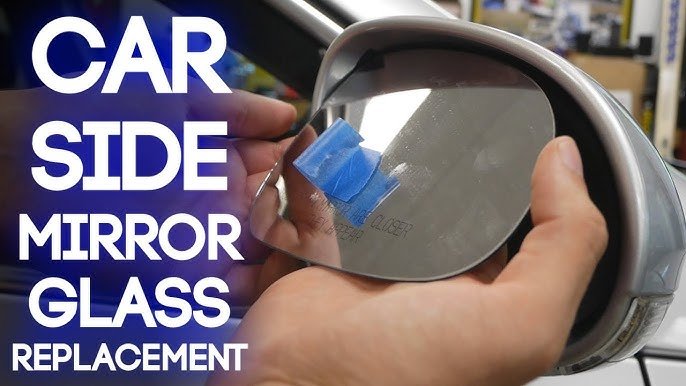
Car side mirror glass comes in different types. Picking the right one is essential for a good fit and safe driving.
| Type | Description | Best For |
|---|---|---|
| Flat Glass | Standard, offers a true-size reflection | Older cars, basic models |
| Convex Glass | Curved, gives a wider field of view | Modern cars, passenger side |
| Heated Glass | Has built-in heating elements to remove fog/ice | Cold climates, higher-end models |
| Auto-dimming Glass | Reduces glare from headlights | Luxury vehicles, night driving |
Before buying, check your car’s manual or look at the old glass to match the type.
Credit: www.youtube.com
Tools And Materials Needed
You don’t need special tools for this job, but having the right items will make the process smoother:
- Replacement side mirror glass (match your car’s make, model, and year)
- Plastic pry tool or flathead screwdriver (for removing old glass)
- Adhesive (double-sided tape or glue, often included with new glass)
- Alcohol wipes or glass cleaner
- Soft cloth or towel (to protect the mirror housing)
- Gloves and safety glasses (for protection)
- Heat gun or hair dryer (optional, for heated mirrors)
If you’re not sure which adhesive to use, ask at your local auto parts store. Some glues are made for mirrors, while others can damage the backing.
How To Identify The Right Replacement Glass
Every car is different, so getting the correct mirror glass is critical. Here’s how to make sure you buy the right one:
- Check the car manual: This usually lists the part number.
- Look for a label: Sometimes, the glass or housing has a sticker with a part number.
- Compare the shape and size: Remove the broken glass and measure it, or take it to a store for comparison.
- Features: Does your mirror have heating, auto-dimming, or blind spot warning? Make sure the replacement matches.
- OEM vs. aftermarket: OEM (Original Equipment Manufacturer) parts are made by your car’s maker. Aftermarket parts are from other companies and may fit more than one model.
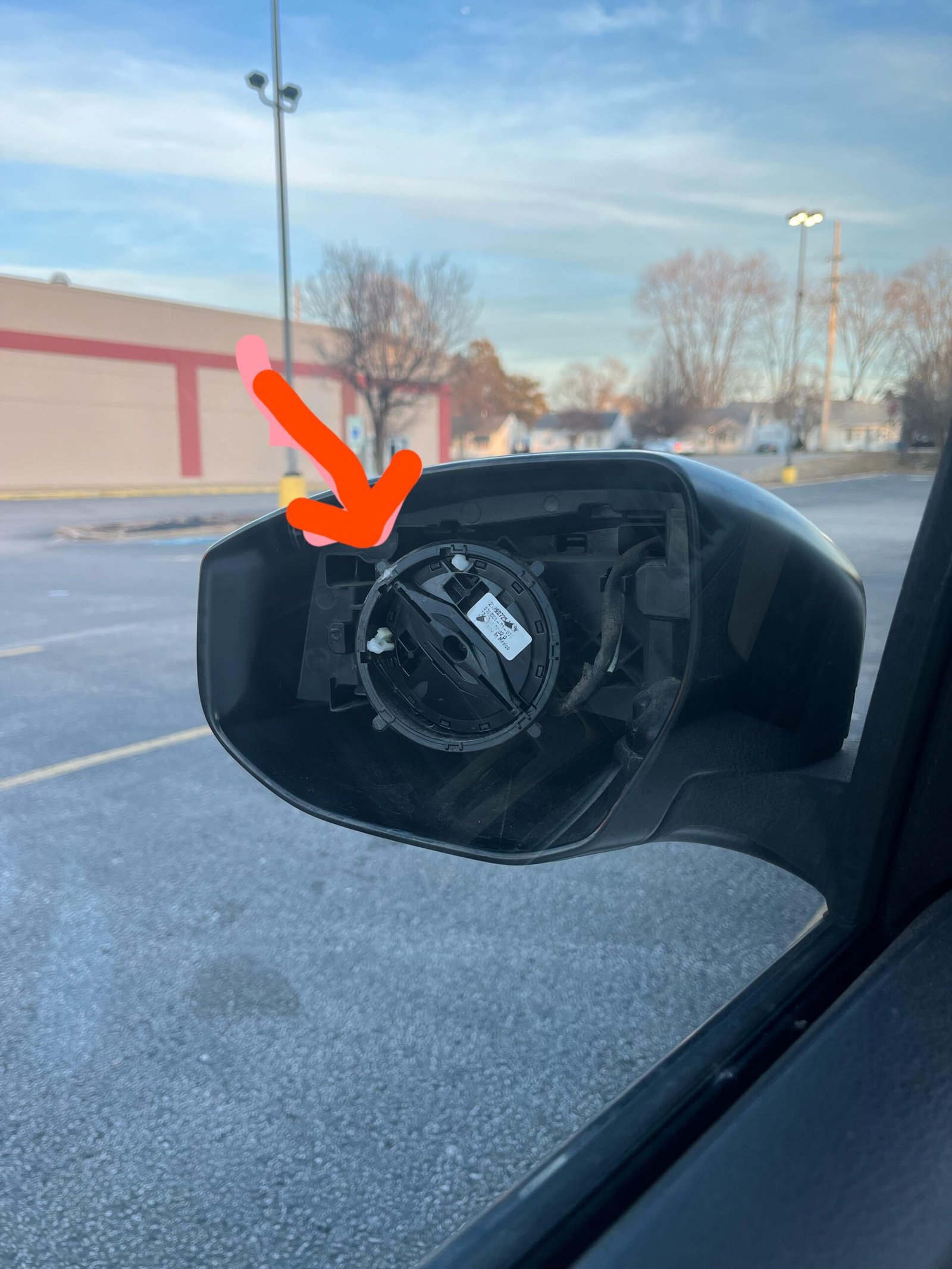
Most car owners overlook the features. For example, a heated mirror will have wires attached to the back. If you replace it with plain glass, the heating won’t work in winter.
Credit: www.reddit.com
Step-by-step Guide: Changing Car Side Mirror Glass
Follow these steps to remove and replace your side mirror glass safely. Take your time and don’t force anything—side mirror housings can be fragile.
1. Prepare The Work Area
Park your car on a flat surface. Turn off the engine and fold the mirror inward, if possible. Put on gloves and safety glasses to protect your hands from broken glass.
2. Remove Broken Or Old Mirror Glass
If the glass is shattered, cover it with masking tape to prevent small pieces from falling. Use a plastic pry tool or flathead screwdriver to gently pop the old glass out of the housing. Work slowly around the edges. If the mirror is heated, disconnect the wires from the back.
Not all mirrors come out the same way. Some are held by clips, others by glue. If you feel resistance, check your car’s manual or search for a video for your exact model.
3. Clean The Housing
Remove any leftover glue, tape, or glass fragments from the mirror housing. Use alcohol wipes or glass cleaner. The surface needs to be clean and dry for the new adhesive to stick.
This step is easy to skip, but it’s important. If the surface isn’t clean, the new glass might not stay in place, especially in hot or cold weather.
4. Test Fit The New Glass
Before applying adhesive, place the new mirror glass into the housing to make sure it fits perfectly. The shape, size, and any holes for wires should align. If it doesn’t fit, don’t force it—contact the seller for the correct part.
5. Attach Adhesive
If your replacement glass comes with pre-installed adhesive pads, peel off the backing. For glue, apply a thin layer around the back edge of the glass (avoid the center). If your mirror is heated, connect the wires now.
Be careful with the amount of adhesive. Too much can ooze onto the mirror face, making it hard to clean.
6. Install The New Glass
Align the glass with the housing and press it firmly in place. Hold it for 30-60 seconds to help the adhesive bond. Some types of glue may require you to hold longer—check the instructions on the package.
If your mirror uses clips, you’ll hear a click as the glass snaps in. Double-check that it’s secure and flush with the housing.
7. Let The Adhesive Cure
Don’t drive the car or adjust the mirror for at least one hour, or as recommended by the adhesive manufacturer. This helps the glue set properly, so the glass won’t shift or fall out.
8. Final Check
After the adhesive cures, gently move the mirror using the adjustment switch inside your car. Make sure it moves smoothly and the glass stays in place. Clean off fingerprints with a soft cloth.
Missing this final step is a common mistake. If the glass moves or feels loose, remove it and repeat the process with more adhesive.
Special Cases: Heated And Auto-dimming Mirrors
Some mirrors have extra features that make replacement a bit trickier.
Heated Mirrors
Heated mirror glass has two small wires attached to the back. When replacing, gently unplug these wires before removing the old glass, and reconnect them before installing the new one. Make sure the wires are not pinched or touching the adhesive.
Auto-dimming Mirrors
These have electronic contacts or a connector. Handle with care—auto-dimming glass is more expensive and can break easily. If you’re unsure, consider getting help from a professional.
Blind Spot And Signal Light Mirrors
Some modern mirrors have built-in lights or sensors. For these, the replacement glass must match the original exactly, with holes or cutouts for the wires. Installing the wrong type may cause warning lights or features to stop working.
Cost Comparison: Diy Vs. Professional Replacement
Changing your own side mirror glass can save a lot of money. Here’s a quick look at average costs:
| Replacement Type | DIY Cost (USD) | Professional Cost (USD) |
|---|---|---|
| Standard Glass | $20 – $50 | $100 – $200 |
| Heated/Auto-dimming Glass | $40 – $150 | $200 – $400 |
| Full Mirror Assembly | $70 – $300 | $300 – $600 |
By doing it yourself, you often save 50% or more. But if your car has advanced features, a professional can ensure everything works correctly.
Common Mistakes To Avoid
- Buying the wrong glass: Double-check size, shape, and features before ordering.
- Skipping cleaning: Dirt or old glue can cause poor adhesion.
- Using too much glue: Excess adhesive can squeeze out and look messy.
- Not letting glue cure: Driving too soon may shift the glass.
- Forcing the glass: If it doesn’t fit easily, you may have the wrong part.
- Ignoring wiring: Forgetting to reconnect wires on heated or electronic mirrors disables features.
A non-obvious tip: If your car is still under warranty, check with your dealer. Some warranties cover mirror glass, especially if it broke due to a defect.
Tips For A Professional-looking Result
- Always work in good light, so you can see clearly.
- Use a towel to cover the door and protect paint from scratches.
- Test all mirror features (heating, adjustment, signals) after installation.
- Keep the old glass (unless it’s shattered) as a backup or for matching in the future.
Many beginners rush the process. Take your time—careful alignment and curing will keep your new glass secure for years.
What To Do With Broken Mirror Glass
Dispose of broken glass carefully. Wrap pieces in thick paper or a bag, and label it as “broken glass” to prevent injury. Some recycling centers accept automotive glass, but check local rules first. Never throw glass into regular trash without protection.
When To Replace The Entire Mirror Assembly
Sometimes, just replacing the glass isn’t enough. If your mirror housing is cracked, the motor doesn’t work, or the glass won’t stay in place, you may need the full mirror assembly. This is more expensive and takes more time to install.
Compare costs and consider your comfort level with car repairs.
Useful Resources
For more details, you can visit Wikipedia’s Automobile Mirror page for background on the different types of car mirrors and their features.
Credit: www.youtube.com
Frequently Asked Questions
Can I Replace Side Mirror Glass Myself?
Yes, most car owners can change side mirror glass with basic tools and careful steps. Make sure to buy the correct replacement glass, use the right adhesive, and follow installation instructions. If your mirror has special features like heating or blind spot sensors, read the manual or get help if needed.
How Do I Know If My Side Mirror Is Heated?
Look for thin wires attached to the back of the mirror glass or check for a heated mirror icon on the glass itself. Your car’s manual will also mention if you have heated mirrors. If your car has a rear defrost button, it sometimes activates heated mirrors too.
What Adhesive Should I Use For Side Mirror Glass?
Most replacement mirror glass comes with double-sided tape or a special mirror glue. Don’t use regular super glue, as it can damage the backing or fail in temperature changes. Auto parts stores sell adhesive kits made for mirror glass.
Is It Illegal To Drive With Broken Side Mirror Glass?
In many places, driving without a working side mirror is illegal and can lead to a ticket. Even if you’re not fined, it’s unsafe. Replace broken or missing mirror glass as soon as possible to stay safe and legal.
What If My New Mirror Glass Doesn’t Fit?
Don’t force it. Double-check the part number, shape, and features. Contact the seller or store for an exchange. Sometimes, aftermarket glass needs small adjustments, but it should not require heavy force or trimming.
Replacing your car’s side mirror glass is a simple, cost-effective repair you can do at home. With the right tools, attention to detail, and a little patience, you’ll have a clear, safe view of the road in no time. Take your time, follow these tips, and you’ll get professional results without the repair shop price.