
Checking the condition of your car’s spark plugs is a simple yet powerful way to keep your engine running smoothly. Spark plugs play a vital role in the ignition system, creating the spark that ignites the air-fuel mixture inside each cylinder.
If they’re worn or dirty, your car can suffer from poor fuel economy, slow acceleration, engine misfires, and even trouble starting. Many drivers ignore spark plug inspection, but learning to check them yourself can save money and prevent bigger engine problems.
This guide will walk you through each step, highlight mistakes to avoid, and share expert tips that even seasoned car owners sometimes miss.
Why Spark Plug Condition Matters
Spark plugs may look small, but they have a big job. Every time you start your car or press the gas, each spark plug fires to keep the engine running. When spark plugs are in good condition, your car starts easily, runs smoothly, and uses fuel efficiently. Bad spark plugs can cause rough idling, increased fuel use, or even engine knocking. Over time, deposits from fuel and oil can build up on the plugs, or the electrodes can wear down, making them less effective.
Regularly checking your spark plugs is important because:
- They show the health of your engine
- Problems can be fixed before they become serious
- Replacing them on time keeps your engine efficient
Mechanics recommend checking spark plugs every 20,000 to 30,000 miles, but your owner’s manual may give a different interval for your specific car.
Tools And Materials You Need
Before starting, it’s important to have the right tools. This makes the job easier and prevents damage to the plugs or your engine.
Here’s what you’ll need:
- Spark plug socket (usually with a rubber insert to grip the plug)
- Ratchet wrench and extension bar
- Spark plug gap tool or feeler gauge
- Torque wrench (optional, for correct tightening)
- Compressed air or a clean brush
- Work gloves
- Flashlight
- Dielectric grease (optional, for reinstallation)
Some car models require removing engine covers or air intake components for access. Always let your engine cool down before starting, as spark plugs and the cylinder head can be very hot.

Credit: vatire.com
Locating Your Car’s Spark Plugs
Spark plugs are usually easy to find. In most cars, they are on top of the engine, under thick wires or ignition coils. Four-cylinder engines typically have four plugs in a straight line. V6 or V8 engines have them arranged on each side.
To locate them:
- Open the hood and look for thick wires (spark plug wires) or coil packs connected to the engine.
- Trace these wires to where they disappear into the engine block—this is where each spark plug sits.
- If unsure, consult your owner’s manual or a simple diagram for your car model.
Step-by-step: How To Remove And Inspect Spark Plugs
With the engine cool and the right tools in hand, you’re ready to check your spark plugs. Here’s how:
- Clean the Area: Before removing anything, use compressed air or a brush to clean around the spark plug area. This prevents dirt from falling into the cylinder.
- Remove the Wire or Coil: Carefully pull off the spark plug wire or unscrew the ignition coil. Do not yank; twist and pull gently to avoid damaging the wire.
- Use the Spark Plug Socket: Fit the socket over the spark plug. Attach your wrench and turn counterclockwise to loosen and remove the plug.
- Inspect the Plug: Hold the spark plug up to the light and look closely at the tip and threads.
- Repeat for Each Plug: Check one plug at a time to avoid mixing up the wires.
It’s a good idea to lay out the plugs in the order you remove them. This helps match any problems to specific cylinders.
Credit: www.jagexp.com
What To Look For: Signs Of Good And Bad Spark Plugs
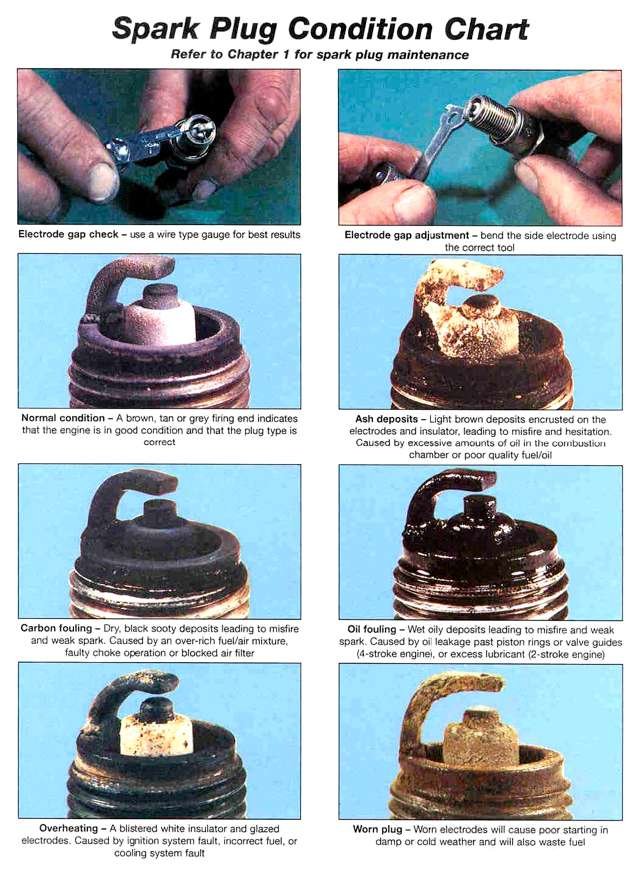
Once you have the spark plug out, the real inspection begins. Here’s what a healthy spark plug looks like, and what problems may appear:
| Spark Plug Condition | Appearance | Possible Cause | What to Do |
|---|---|---|---|
| Normal | Light brown or gray on tip, clean threads | Engine running well | No action needed |
| Carbon Fouled | Black, dry, sooty deposits | Too rich fuel mixture, clogged air filter, too much idling | Check air filter, fuel system |
| Oil Fouled | Wet, oily tip | Worn piston rings, valve seals | Consult mechanic, possible engine repair |
| Overheated | White, blistered, melted look | Too hot (wrong plug, lean mixture, cooling issue) | Check cooling, plug type |
| Worn Electrode | Rounded, eroded center or side electrode | Old age, high mileage | Replace spark plug |
| Deposits | Red, yellow, or white build-up | Fuel or oil additives, coolant leak | Check additives, possible head gasket issue |
Normal plugs mean your engine is healthy. Any signs of damage or heavy deposits suggest a deeper issue. A spark plug that’s oily or wet often points to an engine seal problem, not just a spark plug issue.
Measuring And Adjusting The Spark Plug Gap
A common detail many beginners miss is the spark plug gap—the tiny space between the center and side electrodes. This gap must be just right for the spark to jump and ignite the fuel.
To check the gap:
- Use a spark plug gap tool or a feeler gauge.
- Insert the tool between the electrodes.
- Compare the measurement to your car’s specifications (found in the owner’s manual).
- If too tight, gently bend the side electrode out. If too wide, bend it inward.
Be careful not to damage the center electrode, as it’s fragile. A gap that’s off by even a small amount can cause misfiring or hard starting.
Comparing New Vs. Used Spark Plugs
It’s useful to know how a new spark plug compares to a used one. Here’s a quick comparison:
| Feature | New Spark Plug | Worn Spark Plug |
|---|---|---|
| Color | Shiny metal, clean ceramic | Darkened, deposits, discoloration |
| Gap | Set to correct size | Usually wider than recommended |
| Electrode Shape | Sharp edges | Rounded or eroded |
| Performance | Quick starts, smooth running | Hard starts, misfiring, rough idle |
If you’re unsure, try comparing your used plug to a new one from the same brand and type.
Common Mistakes To Avoid When Checking Spark Plugs
Many people make small errors that can lead to bigger problems. Here’s what to watch out for:
- Mixing up wires: Always remove and replace one plug at a time to avoid crossing wires.
- Over-tightening: Too much torque can strip the threads in the cylinder head, which is costly to fix.
- Using the wrong tool: A regular socket can crack the ceramic insulator. Always use a spark plug socket.
- Skipping the gap check: Even new plugs can have the wrong gap from shipping or handling.
- Ignoring warning signs: If a plug is wet, oily, or damaged, don’t just replace it—find out why.
A spark plug in poor condition is often a symptom, not the actual cause of engine trouble.
When To Replace Your Spark Plugs
Even if a spark plug looks only slightly worn, it may be time to change it. Most plugs last 30,000 to 100,000 miles, depending on the type:
| Type | Expected Lifespan | Typical Use |
|---|---|---|
| Copper | 20,000–40,000 miles | Older vehicles, high performance |
| Platinum | 60,000–100,000 miles | Modern cars, long life |
| Iridium | 80,000–120,000 miles | Most new cars, best durability |
If your car runs rough, uses more fuel, or hesitates when accelerating, old spark plugs may be the reason—even before you see visible damage.
Extra Tips For Accurate Spark Plug Inspection
- Check when the engine is cold for the most accurate readings and to avoid burns.
- Look at all plugs: If only one plug looks bad, it may be a single-cylinder issue. If all are dirty, the problem is likely in the fuel or ignition system.
- Use anti-seize compound sparingly when reinstalling plugs, but only if recommended by the manufacturer.
- Record your findings: Take notes or photos of each plug, especially if you find something unusual. This can help a mechanic diagnose deeper issues.
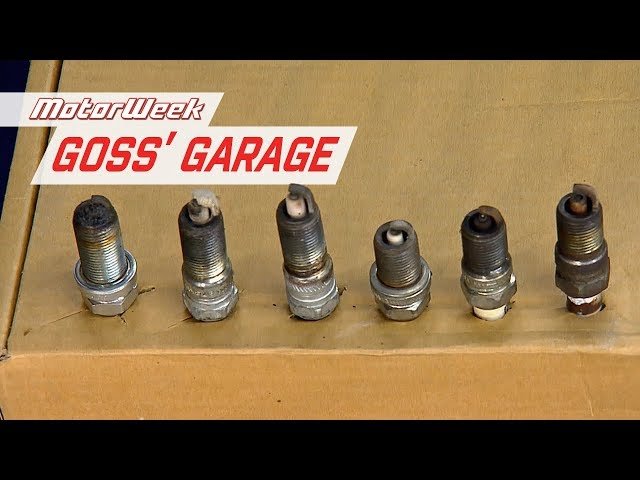
Most beginners forget to check the color and deposit pattern on each plug. These patterns can tell you if your engine is burning oil, running rich, or has a coolant leak—long before warning lights appear.
Credit: www.youtube.com
Should You Clean Or Replace Spark Plugs?
Some people clean spark plugs with a wire brush or sandblaster. While this can remove surface deposits, it doesn’t restore worn electrodes or fix oil fouling. If plugs are heavily fouled or the gap is too large, replacement is best.
Cleaning is only a short-term fix.
If you decide to clean, use a spray-on plug cleaner and a soft brush. Never use harsh chemicals or file the electrodes.
When To Ask A Mechanic For Help
Checking spark plugs is a great DIY task, but sometimes it’s best to get professional help:
- If plugs are hard to remove or stuck
- If you find oil, coolant, or severe damage
- If your engine runs poorly even after replacing plugs
A good mechanic can check for deeper problems, such as a leaking head gasket or faulty ignition coil.
Frequently Asked Questions
How Often Should I Check My Car’s Spark Plugs?
Most experts suggest checking every 20,000 to 30,000 miles, or once a year. Newer cars with long-life plugs may go 60,000 miles or more, but it’s wise to check sooner if you notice engine trouble.
Can I Drive With Bad Spark Plugs?
You can, but it’s not a good idea. Bad spark plugs can cause misfires, poor fuel economy, and even engine damage if ignored for too long. Replace them as soon as you notice problems.
What Are The Signs Of Failing Spark Plugs?
Common symptoms include rough idling, slow starts, poor acceleration, decreased fuel efficiency, and the check engine light turning on. Any of these can point to spark plug trouble.
Do I Need To Replace All Spark Plugs At Once?
Yes, it’s best to replace all at the same time. This keeps engine performance balanced. Mixing old and new plugs can create uneven firing and more engine issues.
Where Can I Learn More About Spark Plug Maintenance?
For more detailed technical information and diagrams, visit the Wikipedia Spark Plug page.
Checking your car’s spark plugs is a simple task that can prevent expensive repairs. With a little time and the right tools, you can spot problems early and keep your car running its best. Even small details, like checking the plug gap or noticing oil on the threads, can make a big difference.
Make spark plug inspection a regular part of your car care routine, and you’ll enjoy smoother drives and fewer surprises on the road.