
Choosing the right garage air compressor size can be confusing, especially if you are new to using air tools or setting up a home workshop. Many people buy the wrong size because they focus only on price, or they pick the biggest unit they can afford.
But a compressor that’s too big wastes money and space, while a small one leads to frustration and tool damage. The key is understanding your real needs, matching them with the right specifications, and making a smart, long-term choice.
In this article, you’ll learn what air compressor size means, why it matters, and how to figure out the ideal size for your garage. We’ll look at the most important factors, explain common mistakes, and give you practical tips that most beginners miss.
By the end, you’ll know exactly how to choose a garage air compressor size that fits your tools, your projects, and your budget.
Why Size Matters For Garage Air Compressors
Choosing the correct size is not just about power or capacity. The size affects how well your compressor runs your air tools, how long you can use them without stopping, and even the lifespan of both the compressor and the tools.
A compressor that’s too small will keep running nonstop, heat up quickly, and wear out faster. Your tools may not work well or at all. On the other hand, a compressor that’s too large costs more, takes up more space, and uses extra electricity—even if you don’t use its full power. Finding the right balance is the best way to avoid problems.
Understanding Key Compressor Terms
Before you compare models, it helps to know the main terms you’ll see:
- CFM (Cubic Feet per Minute): Measures how much air the compressor delivers. The higher the CFM, the more air it can supply to your tools.
- PSI (Pounds per Square Inch): Shows the pressure level. Most garage tools need 90 PSI, but always check your tool’s requirements.
- Tank Size (gallons): Bigger tanks store more air, which helps tools run longer without the compressor turning on.
- Horsepower (HP): Tells how powerful the motor is, but don’t choose by HP alone; CFM and PSI are more important.
These terms work together. For example, a small tank with high CFM may run your tool, but only for a short time before the compressor needs to refill.
Step-by-step: How To Choose The Right Size
Let’s break down the process into clear, practical steps.
1. List Your Air Tools And Their Requirements
Write down every air tool you plan to use—now and in the future. Include things like:
- Impact wrenches
- Air ratchets
- Paint sprayers
- Sanders
- Nail guns
- Tire inflators
Check each tool’s CFM and PSI requirements. This information is usually on the tool or in its manual.
2. Find The Highest Cfm Requirement
Most people miss this: you must size your compressor for the tool with the highest CFM, not just your most-used tool. If you plan to run multiple tools at the same time, add their CFM numbers together.
For example:
- Impact wrench: 5 CFM @ 90 PSI
- Paint sprayer: 6.5 CFM @ 40 PSI
- Die grinder: 7 CFM @ 90 PSI
If you plan to use the impact wrench and die grinder together, you need at least 12 CFM.
3. Add A Safety Margin
Compressors rarely deliver their “advertised” CFM at normal garage conditions. Add 25% to 30% extra to your total CFM for best results.
Using the example above:
- Required CFM: 12
- Add 25%: 12 x 1.25 = 15 CFM
So, you should look for a compressor that can deliver 15 CFM at 90 PSI.
4. Choose The Right Tank Size
Tank size affects how long you can use your tool before the compressor refills. For short bursts (like nail guns), a small tank is fine. For continuous tools (like sanders or paint sprayers), a bigger tank (20 gallons or more) is better.
Here’s a simple guide:
| Tank Size (Gallons) | Best For |
|---|---|
| 1-6 | Short bursts, tire inflation, brad nailers |
| 8-20 | Medium tools, occasional use |
| 20-60 | Continuous use, large tools |
5. Consider Your Power Supply
Check your garage’s available power. Most homes offer 120V outlets, but bigger compressors may need 240V. Using the wrong voltage can damage your compressor or cause electrical issues.
6. Think About Future Needs
Many people only plan for their current tools. If you might add bigger tools later (like a sandblaster or a large paint gun), buy a compressor that can handle growth.
7. Check Space And Portability
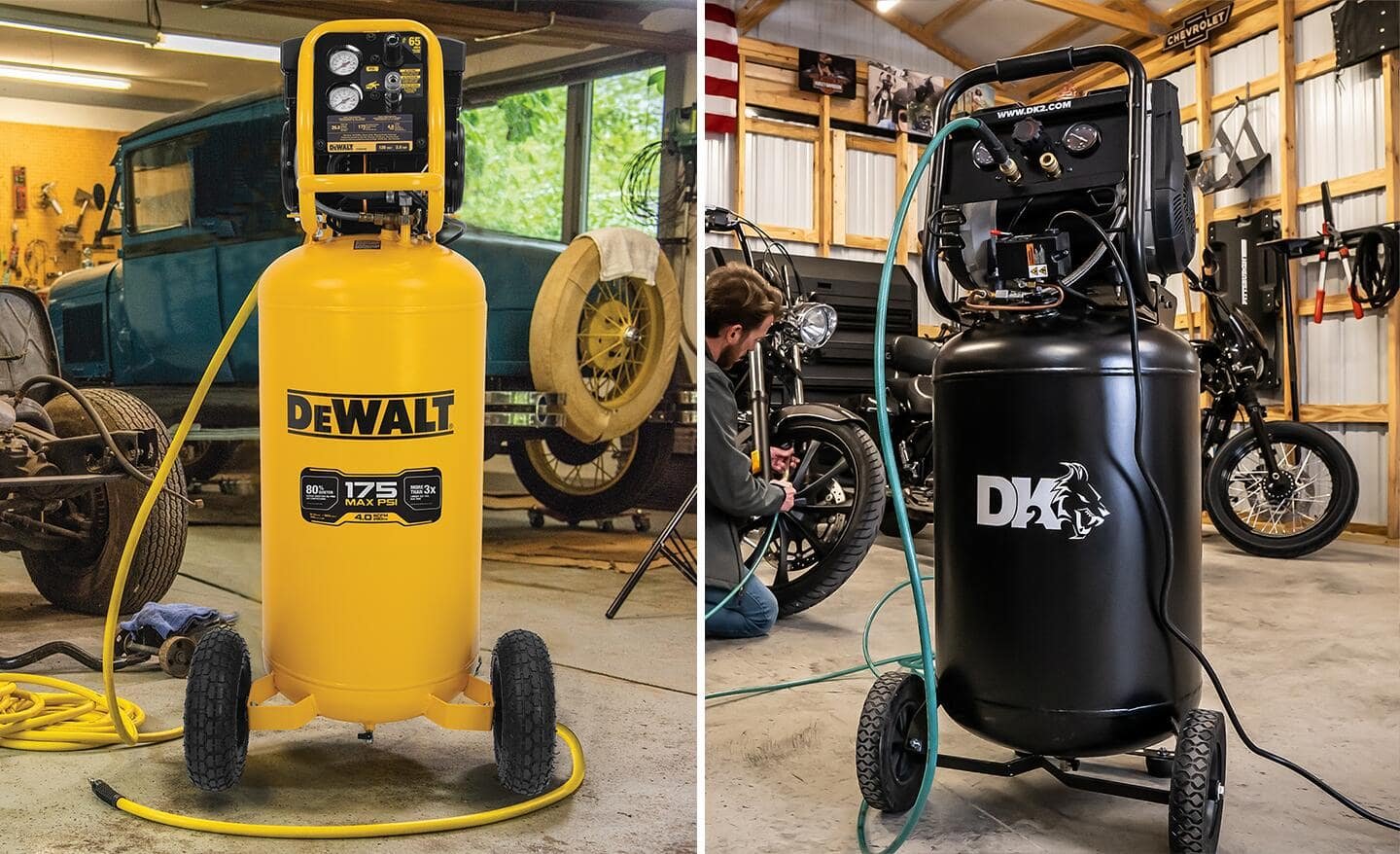
A large compressor may not fit in a small garage. If you need to move it, look for a model with wheels and handles. Stationary compressors are powerful, but harder to move.
Comparing Common Garage Compressor Sizes
Let’s look at some typical sizes and what they can handle:
| Compressor Size | CFM @ 90 PSI | Best Uses |
|---|---|---|
| Small (1-6 gal) | 0.5-2.5 | Tire inflators, staplers, brad nailers |
| Medium (8-20 gal) | 3-5 | Impact wrenches (light duty), air ratchets |
| Large (20-60 gal) | 5-15+ | Paint sprayers, sanders, multiple tools |
Credit: cf-t.com
Common Mistakes When Choosing Compressor Size
Many beginners (and even experienced users) make mistakes that lead to wasted money or poor performance.
Focusing Only On Hp
It’s tempting to choose by horsepower, but CFM at the right PSI is what really matters. A high HP with low CFM won’t power heavy tools.
Ignoring Duty Cycle
The duty cycle shows how long a compressor can run before resting. Most home compressors are rated for 50%-70%. If you need continuous use, look for a model with a higher duty cycle.
Forgetting About Air Quality
Bigger tanks and compressors can create more moisture in the air. For painting or sensitive work, you may need a dryer or filter.
Not Checking Noise Levels
Large compressors can be very noisy. If your garage is attached to your house, check the decibel rating to avoid surprises.
Overlooking Maintenance
Bigger, oil-lubricated compressors last longer but need more maintenance. Make sure you’re comfortable with oil changes and filter cleaning.
Real-world Examples
Let’s see how different users might choose:
Home DIYer: Uses a brad nailer and inflates tires. A 6-gallon, 2.5 CFM compressor is enough.
Car Enthusiast: Runs an impact wrench and air ratchet. Needs at least a 20-gallon, 5 CFM unit.
Garage Painter: Uses HVLP spray gun (needs 12 CFM at 40 PSI). Should buy a 60-gallon, 15 CFM compressor for smooth, continuous spraying.
Credit: www.onallcylinders.com
Table: Typical Air Tool Requirements
Here’s a quick reference for common air tools:
| Tool | Average CFM | Recommended Tank Size |
|---|---|---|
| Brad Nailer | 0.3 | 1-6 gal |
| Impact Wrench (1/2″) | 4-5 | 8-20 gal |
| Paint Sprayer | 6-12 | 20-60 gal |
| Die Grinder | 5-8 | 20-60 gal |
| Orbital Sander | 8-12 | 20-60 gal |
| Tire Inflator | 2 | 1-6 gal |
| Air Hammer | 4 | 8-20 gal |
Non-obvious Insights Most Beginners Miss
1. Temperature and Altitude Matter: Compressors deliver less air at higher altitudes or in cold temperatures. If your garage is in the mountains or an unheated space, get a slightly larger size.
2. Duty Cycle Limits: Running your compressor beyond its duty cycle can cause it to overheat and fail early. Buy a bigger tank or higher quality unit if you need long, continuous use.
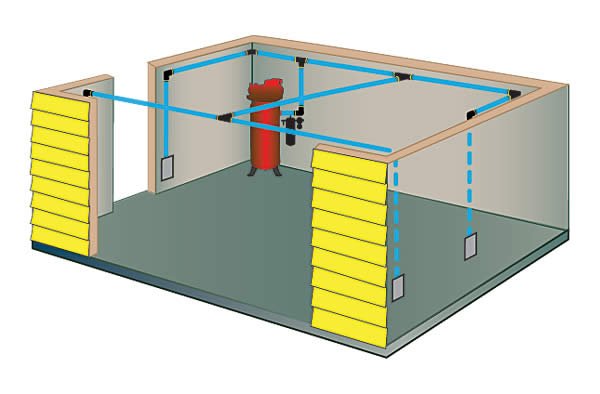
3. Air Line Size Affects Performance: If your hoses are too narrow or too long, you’ll lose pressure and CFM before the air reaches your tool. Use the shortest, widest hoses you can.
Credit: www.homedepot.com
Practical Tips For Making The Right Choice
- Always buy for your biggest tool, not your most-used one.
- Don’t forget about plug type and circuit requirements. Some large compressors need a dedicated 20A or 30A breaker.
- Check return policies and warranties before you buy, especially for expensive models.
- Read reviews from real users who do the same kind of work as you.
- Visit manufacturer websites or trusted sources like Ingersoll Rand’s buying guide for more technical details.
Frequently Asked Questions
What Is The Most Important Factor When Choosing Compressor Size?
The most important factor is the CFM requirement of your largest air tool (or the total CFM if you want to run more than one tool at the same time). Always check the CFM at the correct PSI for your tools.
Can I Use A Small Compressor For Big Jobs If I Wait For The Tank To Refill?
Technically, yes, but it’s very slow and can overwork your compressor. For paint spraying or sanding, a small tank will leave you waiting for air constantly and may damage the compressor.
Is A Bigger Compressor Always Better?
Not always. Larger compressors cost more, use more electricity, and take up more space. Buy the size that fits your real needs, plus a 25-30% safety margin.
How Do I Know If My Compressor Can Run Multiple Tools?
Add up the CFM requirements of all tools you want to run at once. Choose a compressor that can deliver at least that total CFM at the required PSI, plus a safety margin.
What Maintenance Does A Garage Air Compressor Need?
Most compressors need regular oil changes (if oil-lubricated), air filter cleaning, and draining moisture from the tank. Always check the manual for your model’s schedule.
Choosing the right garage air compressor size is about more than buying the biggest or cheapest model. It requires understanding your tools, your workspace, and your future plans. With the steps and tips above, you’ll make a choice that keeps your projects running smoothly for years.
Take your time, measure your real needs, and invest in quality—you’ll save money and headaches in the long run.