
Choosing the right drill bit for automotive work can make the difference between a quick, clean job and a frustrating experience. Whether you are a DIY car enthusiast or a professional mechanic, understanding drill bits is essential. Many people grab any old bit and hope for the best, but for automotive tasks, the right bit means less wear on your tools and safer, more accurate results.
Automotive drilling is not like drilling wood or drywall. Car parts use different metals, plastics, and composites. Some pieces are soft and thin, while others are hardened steel or layered with rust and paint. The wrong bit can break, dull quickly, or damage the part you want to fix. There are also specialty bits for removing broken bolts, drilling spot welds, or working on delicate electrical connectors. The good news: once you know what matters, picking the right drill bit becomes much easier.
This guide breaks down everything you need to choose the best drill bit for any automotive job. You’ll learn about bit types, materials, coatings, sizing, and what to look for with real-world car repairs. You’ll also find tips that most beginners overlook, so you can avoid common mistakes and work with confidence.
Understanding Drill Bit Materials
Choosing the right material is the first step. Drill bits come in several materials, and each works better for certain automotive tasks.
- High-Speed Steel (HSS): This is the most common type. HSS bits are affordable and good for soft metals, plastic, and wood. For most car interior work or drilling into aluminum, HSS is a safe choice.
- Cobalt Steel Alloy: These bits are mixed with cobalt, making them very hard and heat-resistant. They’re perfect for drilling into tough metals like stainless steel, cast iron, or hard bolts, which you find often in cars.
- Carbide: These are extremely hard and stay sharp longer than other bits. They’re best for high-volume or professional work, especially drilling into hardened steel. However, they are brittle and can break if not used carefully.
- Titanium-Coated: These are HSS bits with a thin layer of titanium nitride. The coating reduces friction and helps the bit last longer. Ideal for people who want a step up from basic HSS without the cost of cobalt or carbide.
- Black Oxide-Coated: These bits are treated to resist rust and stay sharper than regular HSS. They’re a good all-purpose choice for basic automotive metalwork.
Material Comparison For Automotive Use
Here’s a quick look at how common drill bit materials perform in automotive metal drilling:
| Material | Best For | Durability | Cost |
|---|---|---|---|
| HSS | Soft metals, plastics | Moderate | Low |
| Cobalt | Hardened steel, stainless | High | Medium-High |
| Carbide | Hardened steel, pro use | Very High | High |
| Titanium-Coated | General use, mild steel | High | Medium |
Non-obvious insight: Many people overlook that cobalt bits are not fully made of cobalt; they are HSS alloyed with a small percentage of cobalt, giving a balance between toughness and heat resistance.
Drill Bit Types And Their Uses In Automotive Work
There is no one-size-fits-all bit. Here are the most useful types for car repair and modification:
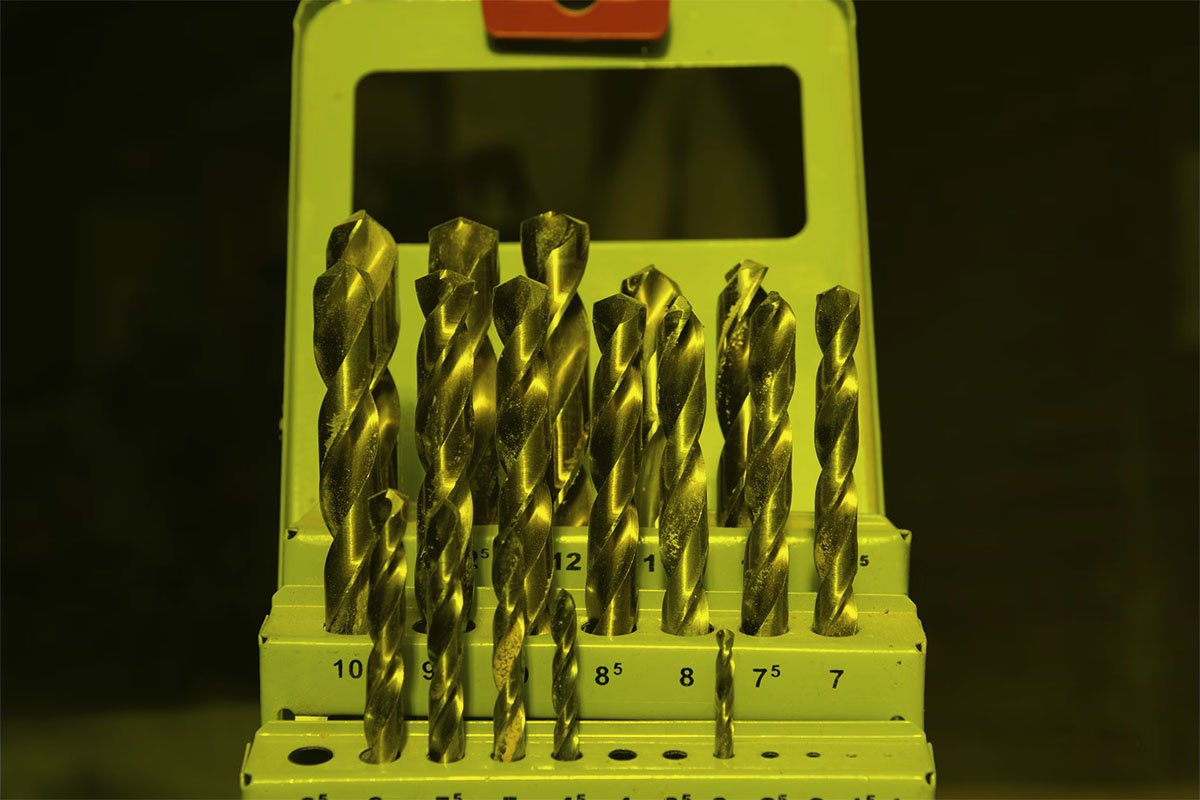
- Twist Drill Bits: The classic bit for making holes in sheet metal, plastic, and thin steel. Most general automotive drilling uses twist bits.
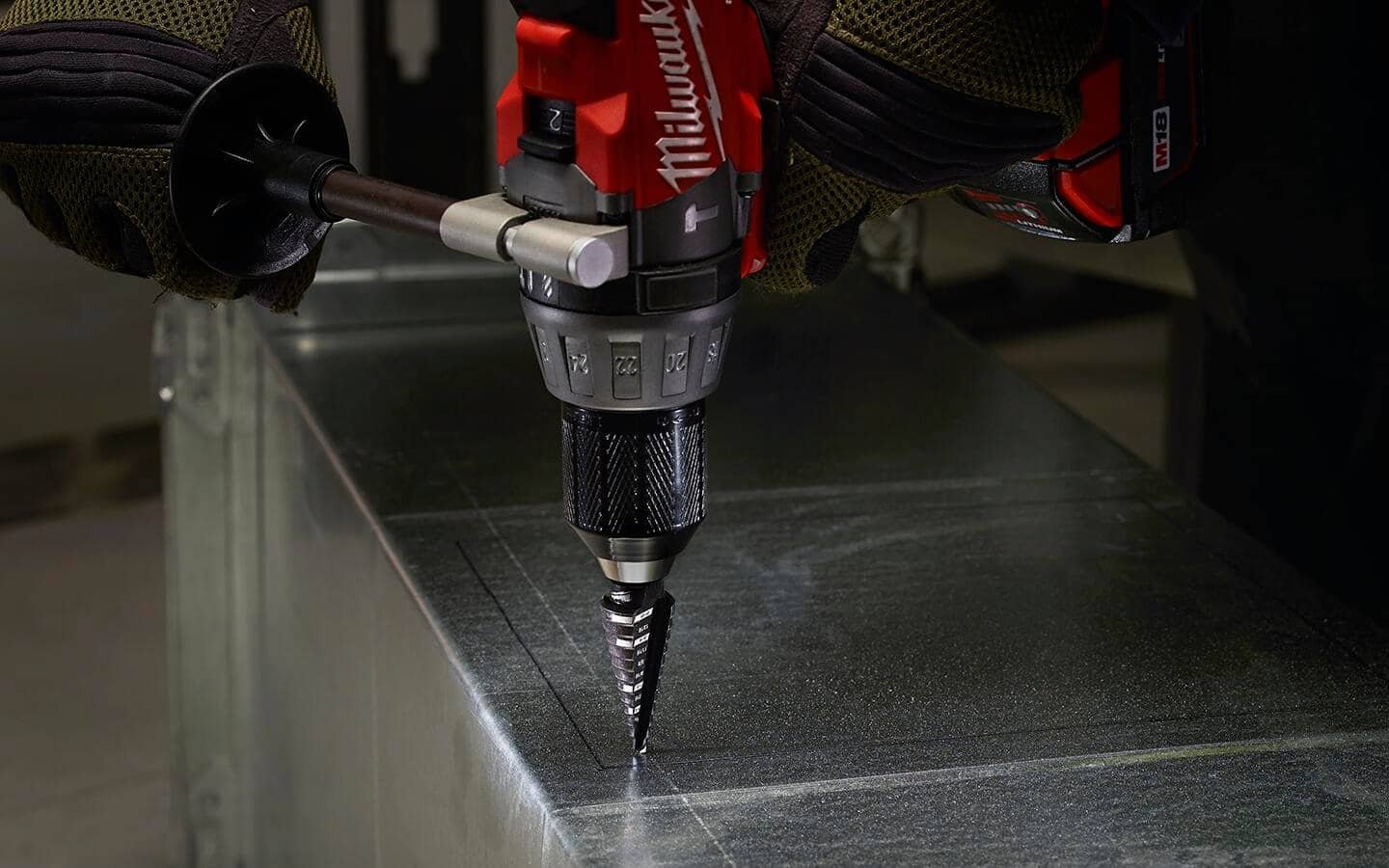
- Step Drill Bits: Excellent for enlarging holes in thin metal, like car panels or dashboards. They create smooth, even holes without grabbing or tearing the material.
- Left-Handed Drill Bits: Designed to spin in reverse. Great for removing broken bolts—sometimes the bit unscrews the bolt as it drills.
- Cobalt Drill Bits: As explained above, these are essential for tough metals. If you work on exhaust manifolds, hardened bolts, or engine blocks, keep these handy.
- Spot Weld Cutter Bits: These have a flat, ring-shaped cutting edge. Used for separating spot-welded panels during bodywork or rust repair.
- Brad Point Bits: Used for clean holes in plastics or softer trim materials without wandering.
- Hole Saws: For making large diameter holes, such as for aftermarket gauges or wiring. Choose bi-metal or carbide-tipped hole saws for metal.
- Countersink Bits: These create a recess for screws to sit flush with the surface—helpful for interior panels or custom brackets.
Pro tip: For most automotive jobs, you’ll use twist and step bits the most. But specialty bits save time and prevent damage in specific tasks.
Credit: rogofastener.com
Matching Drill Bit Size To The Task
Choosing the right size is more than just picking what fits. Here’s how to get it right:
- For Bolts and Fasteners: Drill a pilot hole smaller than the bolt’s outer thread. For extracting broken bolts, match the bit to the bolt core, not the threads.
- For Body Panels: Use a step bit for clean, round holes. Start small, then gradually increase size.
- For Electrical Work: Use small bits (1/16”–1/8”) for wire routing, being careful to avoid nearby components.
Sizing Chart Example
This quick reference table shows common drill bit sizes for typical automotive tasks:
| Task | Recommended Bit Size | Notes |
|---|---|---|
| Drilling out broken M6 bolt | 3.5mm – 4.0mm | Start small, work up |
| Sheet metal for wiring | 1/8” – 1/4” | Step bit recommended |
| Spot weld removal | 8mm – 10mm | Use spot weld cutter |
| Gauge pod install | 1” – 2” (hole saw) | Bi-metal/carbide |
Non-obvious insight: Drilling too large a pilot hole is a common mistake. The fastener may not hold securely, causing future failures.
Drill Bit Coatings: Why They Matter
Coatings do more than change the color of your bit. The right coating reduces friction, heat, and wear. Here’s what you should know:
- Black Oxide: Provides mild corrosion resistance and reduces friction. Good for occasional car repairs.
- Titanium Nitride (TiN): Makes the bit gold in color. Helps with heat resistance and longevity, especially in repeated metal drilling.
- Cobalt (M35/M42): Not a coating but an alloy. Resists heat even better—essential for hard automotive steel.
Important: Coatings wear off over time. If your bit is dull or the color fades, performance drops.
Key Factors When Choosing A Drill Bit For Automotive Work
It’s not just about material or size. Consider these real-world factors:
- Drill Type Compatibility: Not all bits fit every drill. For cordless drills, stick with bits under 1/2” diameter. Heavy-duty work may need a corded drill or drill press.
- Length and Accessibility: Short bits are less likely to wander or break, but sometimes you need long bits to reach hidden bolts or brackets.
- Point Angle: Standard bits are 118°. For hard metals, 135° split-point bits reduce walking and make starting holes easier.
- Shank Type: Round shanks are common, but hex shanks lock into impact drivers for better control—especially useful in tight engine bays.
- Bit Flexibility: Carbide is hard but brittle. Cobalt offers a better balance of hardness and toughness for cars.
- Price vs. Value: Don’t buy the cheapest set. Inferior bits dull quickly, costing more over time. For regular automotive work, invest in cobalt or titanium-coated bits.
Real-world Example
Suppose you need to remove a rusted exhaust manifold bolt. A basic HSS bit may dull or snap. A cobalt bit, with a 135° split-point, will cut through much more easily and last longer. This can save you hours and avoid damaging the engine block.
When To Use Specialty Drill Bits
Some automotive tasks need more than a standard drill bit.
- Broken Bolt Removal: Left-handed bits sometimes loosen the bolt as they drill. If not, the hole is ready for an extractor.
- Spot Weld Separation: Spot weld cutters remove only the weld, not the whole panel, keeping the rest of the metal intact.
- Plastic Clip and Trim Work: Brad point bits or specialty plastic bits create clean holes without cracking brittle trim.
Tip: Always keep a few specialty bits in your kit for emergencies. They save time and prevent costly mistakes.
Credit: www.homedepot.com
Maintenance And Storage Tips
Even the best drill bit is useless if dull or rusty. Here’s how to keep your bits in top shape:
- Sharpen Regularly: Use a bench grinder or dedicated bit sharpener. Dull bits make ugly holes and overheat easily.
- Lubricate for Metal: Always use cutting oil or spray when drilling steel. It keeps the bit cool and extends life.
- Clean After Use: Wipe bits with a rag and store in a dry case. Don’t leave them rolling in your toolbox.
- Inspect for Damage: Check for chips, cracks, or worn points before use. Replace damaged bits immediately.
Practical advice: Many beginners skip oiling the bit. This small step doubles the life of your bits and prevents overheating.
Common Mistakes And How To Avoid Them
- Using Wood Bits on Metal: Wood bits (like spade or auger) can’t handle auto steel. They dull fast and may shatter.
- Wrong Speed: Drilling too fast overheats bits. For metal, use lower speeds and steady pressure.
- Not Center Punching: Without a starter dimple, bits wander and scratch paint or wiring.
- Pushing Too Hard: Let the bit do the work. Too much force can snap the bit or damage the panel.
- Skipping Lubrication: Always use oil on metal.
Lesson: Slow down, use the right bit, and prep your work. This prevents frustration and expensive repairs.
Example: Choosing The Right Drill Bit For A Common Automotive Task
Let’s say you’re installing a new stereo and need to run wires through the firewall.
- Choose a step bit for a clean hole in thin metal. Start with a pilot hole using a 1/8” twist bit.
- Use a titanium-coated or black oxide bit for the pilot hole, as the firewall is mild steel.
- Drill slowly and use oil to prevent overheating.
- Clean the hole with a deburring tool or round file.
- Always check for wires or hoses on the other side before drilling.
This example shows how matching bit type, material, and size to the task ensures success.
Quick Reference: Top 5 Drill Bits For Automotive Diy
If you want a starter set, these cover most car jobs:
- Cobalt Twist Drill Set (1/16” to 1/2”)
- Step Drill Bit (4-12mm or 1/8”–1/2”)
- Left-Handed Drill Bit (for bolt extraction)
- Spot Weld Cutter
- Bi-Metal Hole Saw (for gauge installs)
Insider tip: Don’t buy oversized kits with bits you’ll never use. Focus on these essentials for better quality and results.
Credit: mothers.com
Frequently Asked Questions
What Drill Bit Is Best For Drilling Into Car Steel?
For most car steels, especially hardened or rusted bolts, a cobalt drill bit is best. It cuts smoothly, resists heat, and stays sharp longer than regular HSS bits.
Can I Use A Wood Drill Bit On My Car?
No. Wood drill bits are not designed for metal. They will dull quickly, overheat, and can even snap, damaging the car or injuring you.
How Do I Prevent The Drill Bit From Wandering On Metal?
Always center punch the spot you want to drill. This makes a small dent so the bit stays in place and doesn’t slide on the metal surface.
Why Is My Drill Bit Turning Blue?
A blue color on the bit means it’s overheating. This usually happens from drilling too fast or not using enough cutting oil. Overheated bits dull quickly.
Where Can I Learn More About Drill Bit Types?
For a full breakdown of drill bit materials and types, see the Wikipedia drill bit guide for more details.
Choosing the right drill bit for automotive work isn’t hard once you know what to look for. Match the bit to the material, task, and your drill, and you’ll get cleaner holes, longer tool life, and better results every time.
With the right bits in your toolbox, even tough repairs become manageable.