
If you enjoy working on cars at home, painting your vehicle can save money and give you great satisfaction. But to get a smooth, professional finish, you need a safe and controlled space. Many car lovers ask: How can I build a car painting booth in my garage? The answer is not as simple as hanging some plastic sheets. Painting requires good ventilation, dust control, and safe handling of chemicals. A well-built booth protects your health and helps you achieve the best results. This guide will walk you step-by-step through creating a car painting booth in your garage, covering everything from planning to troubleshooting. Even beginners can follow this process.
Planning Your Car Painting Booth
Before you start building, take time to plan. Poor planning leads to mistakes, wasted money, and possible safety risks. Here are key factors to consider:
- Garage Size: Measure your garage. You need enough space to fit your car, move around, and install ventilation. Most standard cars require a booth at least 20 feet long, 10 feet wide, and 8 feet high.
- Power Source: Painting equipment needs electricity. Make sure you have safe outlets and extension cords.
- Lighting: Good lighting is essential to see imperfections. Bright, white LED lights are ideal.
- Safety: Paint fumes are dangerous. You must plan for proper ventilation and fire safety.
Many beginners overlook how much space paint overspray needs. If the booth is too small, dust and paint particles settle on your car, ruining the finish. Measure carefully and leave extra room.
Gathering Materials And Tools
Building a car painting booth requires a mix of common and special items. Make a checklist before you shop. Here are essentials:
- Plastic sheeting (6-mil thickness or more)
- PVC pipes (for frame)
- Duct tape and zip ties
- Fans (for ventilation)
- High-quality air filters
- LED light fixtures
- Respirator mask
- Coveralls
- Disposable gloves
- Fire extinguisher
- Floor covering (plastic or paper)
- Hinges and zippers (for booth entrance)
- Extension cords
Many people skip buying proper air filters, thinking household filters are enough. But automotive paint particles are much finer. Use filters rated for paint booths.
Building The Booth Frame
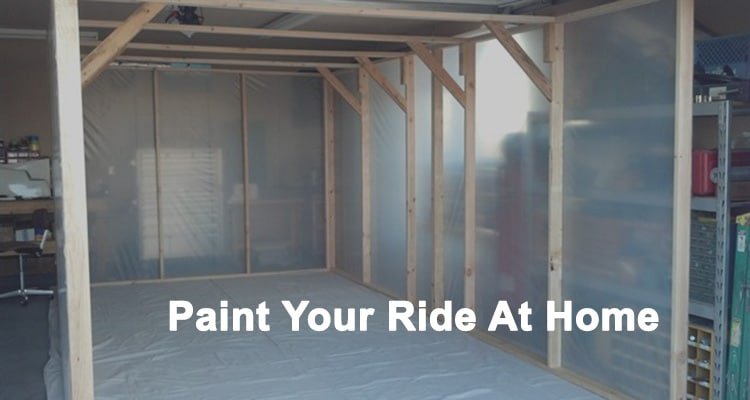
A solid frame gives your booth structure. Most people use PVC pipes because they are light, cheap, and easy to cut. Here’s how to build the frame:
- Cut PVC pipes to fit your garage’s size.
- Assemble pipes using elbow connectors and T-joints to form a rectangle.
- Make sure the frame is stable. Use extra supports if needed.
- Place the frame in your garage, leaving space around the car.
Some people use wood for the frame, but PVC is safer and doesn’t splinter. Double-check that the frame is strong enough to hold plastic sheeting without sagging.
Installing Walls And Floor Covering
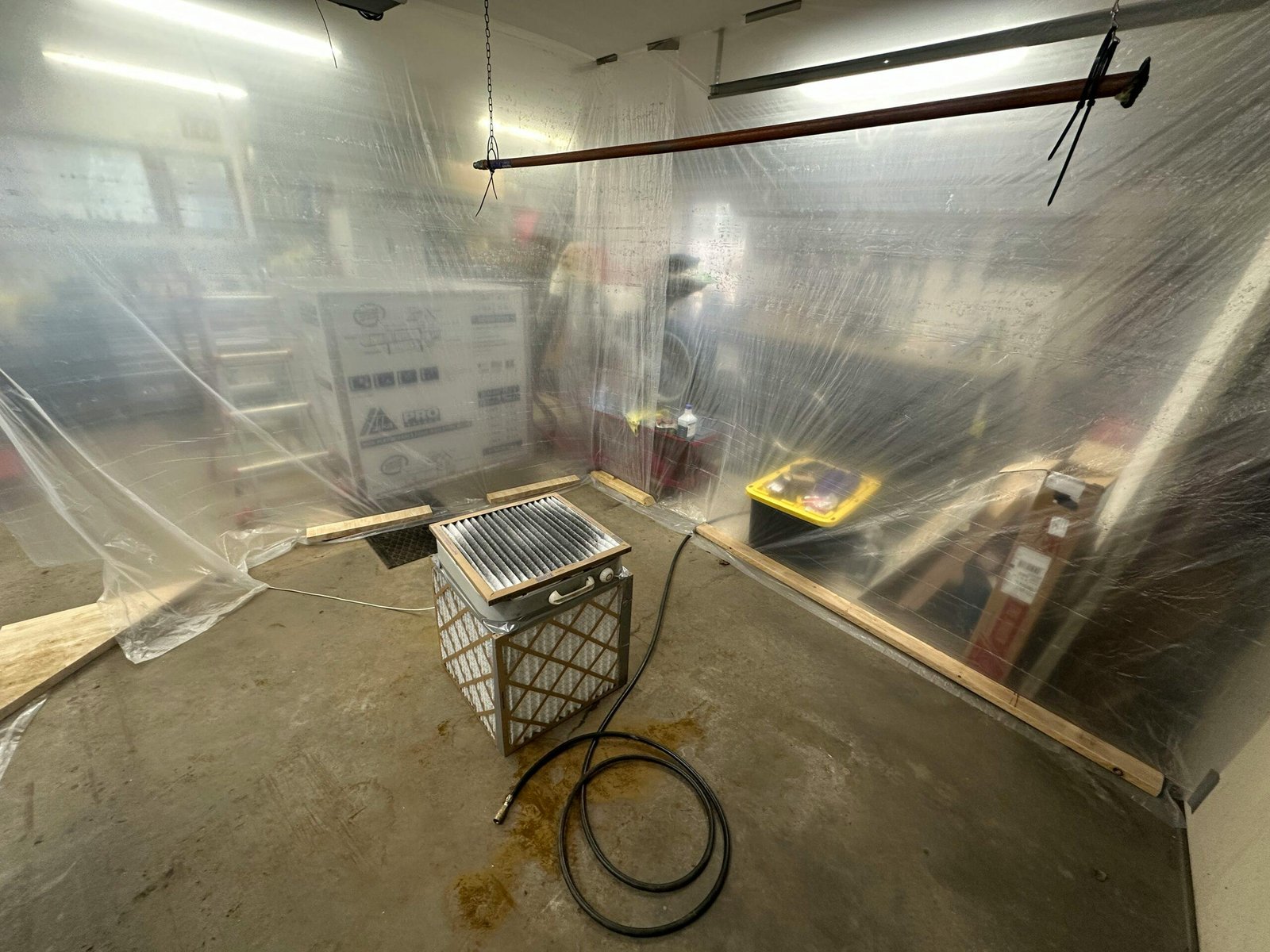
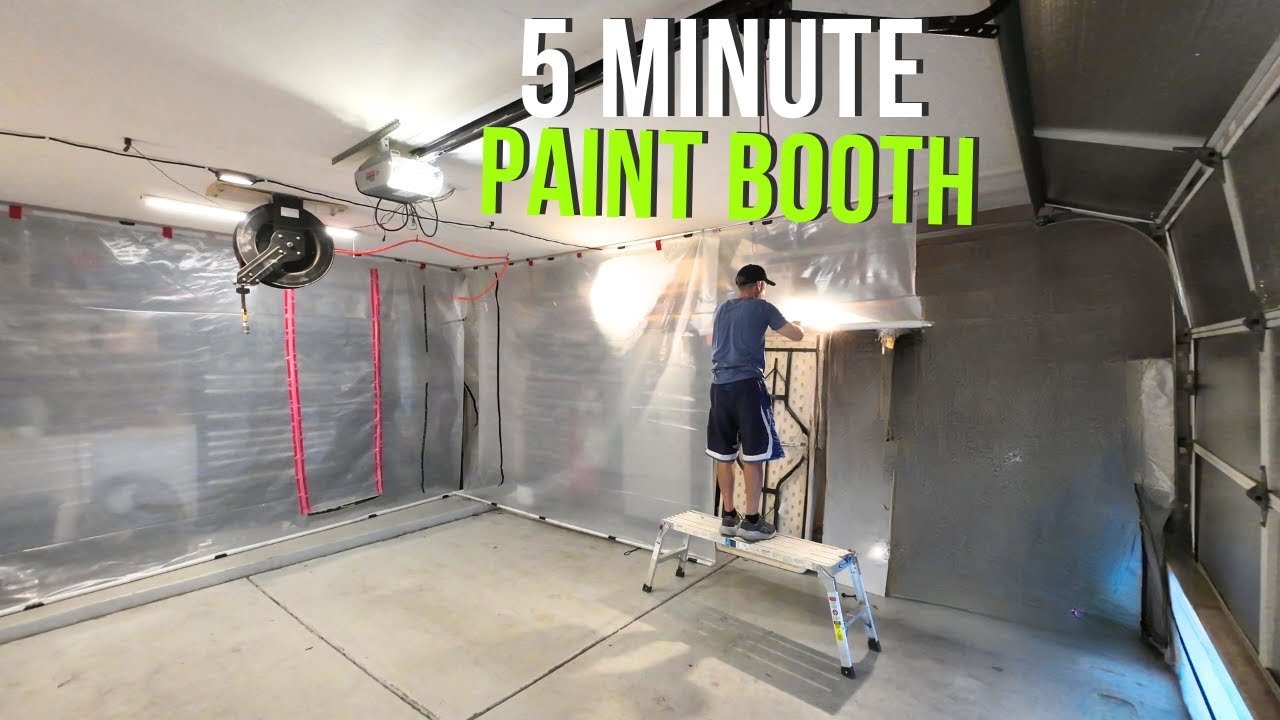
Once your frame is ready, cover it with plastic sheeting to create walls and ceiling. Use thick plastic (6-mil or more) to prevent tearing and keep dust out.
- Drape plastic over the frame and secure with duct tape and zip ties.
- Seal all edges to prevent air leaks.
- Install a plastic sheet on the floor. Overlap the edges and tape them to the wall sheets.
If you don’t seal the booth tightly, dust and bugs can get in and ruin your paint job. Take extra time to check for gaps.
Credit: www.hagerty.com
Setting Up Ventilation And Filtration
Proper ventilation is the most important part of your car painting booth. Paint fumes are toxic and flammable. You need a way to bring in fresh air and remove harmful fumes.
Creating Airflow
- Install intake fans at one end of the booth. These bring fresh air in.
- Place exhaust fans at the opposite end. These pull fumes out.
- Use high-quality filters on both intake and exhaust fans to trap dust and paint particles.
Many beginners make the mistake of only using one fan. You need both intake and exhaust for balanced airflow. Here’s a quick comparison of fan types:
| Fan Type | Airflow | Noise Level | Cost |
|---|---|---|---|
| Box Fan | Moderate | High | Low |
| Inline Duct Fan | High | Low | Medium |
| Industrial Blower | Very High | Medium | High |
Choose a fan that moves at least 400 cubic feet per minute (CFM) for a single car booth. Always point exhaust fans outside.
Air Filter Choices
- Use paint booth filters for exhaust fans. These trap overspray and keep your neighborhood safe.
- Use HEPA filters for intake fans. This keeps dust out.
Don’t forget to change filters regularly. Clogged filters reduce airflow and allow fumes to build up.
Adding Lighting
Painting needs even, bright light. Shadows hide flaws and make painting harder.
- Install LED light fixtures around the booth.
- Place lights overhead and on the sides for complete coverage.
- Use waterproof covers to protect lights from paint.
LEDs are better than fluorescent lights. They don’t flicker and show true colors.
Creating A Safe Entrance
You need a way to get your car in and out without letting dust inside.
- Use heavy-duty zippers or hinges to make a door.
- Seal the door edges with duct tape after closing.
- Make the door big enough for your car but not so big that it’s hard to seal.
Some people use overlapping plastic sheets instead of a door. This is cheaper but less effective at keeping dust out.
Preparing The Booth For Painting
Before you start painting, clean the booth carefully.
- Sweep and vacuum the floor.
- Wipe walls and ceiling with a damp cloth.
- Run fans for 30 minutes to clear any dust.
Wear coveralls, gloves, and a respirator mask. Keep a fire extinguisher nearby. Paint fumes can ignite easily.
Credit: www.youtube.com
Painting Your Car
Now your booth is ready for use. Here are some practical steps:
- Mask off areas you don’t want to paint with tape and paper.
- Mix paint according to manufacturer’s instructions.
- Start with a primer coat. Let it dry.
- Spray base coat in even layers. Let each layer dry before the next.
- Apply clear coat for shine and protection.
- Allow the paint to cure. This can take from 24 hours to several days.
Many people rush the drying process. This causes paint to bubble or peel. Follow drying times carefully.
Troubleshooting Common Problems
Even with a good booth, issues can happen. Here’s how to fix the most common:
Dust In Paint
- Check for gaps in booth walls.
- Replace intake filters.
- Clean the booth again.
Paint Fumes Not Clearing
- Increase exhaust fan speed.
- Make sure all filters are clean.
- Open a small vent to help airflow.
Uneven Paint Finish
- Adjust lighting.
- Spray from a consistent distance.
- Practice on scrap panels before painting your car.
Here’s a quick table comparing common mistakes and their effects:
| Mistake | Effect | Solution |
|---|---|---|
| Insufficient ventilation | Strong fumes, unsafe air | Add more exhaust fans |
| Booth leaks | Dust on paint | Seal edges with tape |
| Weak lighting | Missed flaws | Add LED fixtures |
| Wrong filters | Overspray escapes | Use paint booth filters |
Credit: rodsshop.org
Maintenance And Cleaning
After each paint job, clean your booth to keep it working well.
- Remove old plastic sheeting if it’s dirty.
- Clean fans and replace filters.
- Check frame stability.
- Store protective gear safely.
Many people forget booth maintenance, leading to poor results next time.
Cost Estimates And Saving Tips
Building a basic DIY booth costs between $300 and $800, depending on size and materials. Here’s a rough breakdown:
- Plastic sheeting: $80–$120
- PVC pipes and connectors: $100–$150
- Fans and filters: $120–$250
- Lighting: $60–$100
- Miscellaneous (tape, zippers, coveralls, etc. ): $50–$180
Buying materials in bulk and using coupons can save money. For more advanced options and legal advice, see this EPA guide.
Legal And Environmental Concerns
Painting cars produces hazardous waste and fumes. Check local laws before you start. Some areas require permits for painting, even at home. Always dispose of paint cans and filters safely.
If you plan to paint often, consider professional booth upgrades or renting a commercial booth. Home booths are best for small projects.
Frequently Asked Questions
How Much Space Do I Need For A Car Painting Booth In My Garage?
You need at least 20 feet long, 10 feet wide, and 8 feet high for most cars. This gives room for the car, movement, and equipment.
What Kind Of Filters Should I Use For Ventilation?
Use paint booth filters for exhaust fans and HEPA filters for intake fans. These keep paint particles and dust out of the air.
Is It Safe To Paint Cars At Home?
With proper ventilation, respirators, and fire safety, painting at home is safe for small projects. Always follow safety rules and check local laws.
How Can I Prevent Dust From Ruining My Paint Job?
Seal booth walls tightly, clean the booth before painting, and use high-quality intake filters. Run fans before painting to clear dust.
What Is The Best Lighting For Car Painting Booths?
LED fixtures are best. They provide bright, even light and show true paint colors. Place lights overhead and on booth walls for best coverage.
Building a car painting booth in your garage takes effort, but it’s possible for anyone who plans carefully and follows safety rules. With the right setup, you can achieve professional results and enjoy your car hobby safely.