
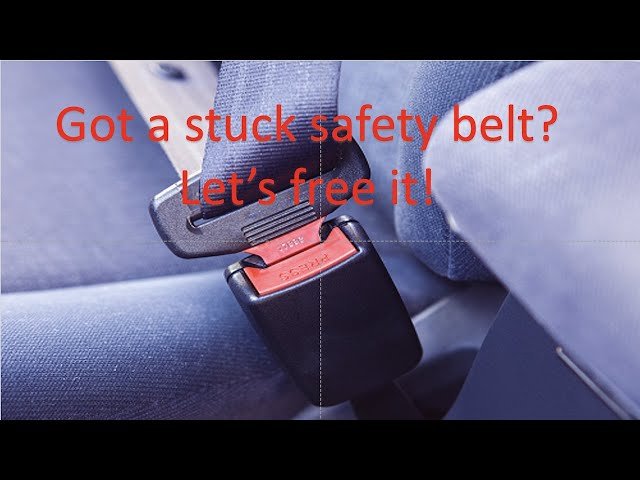
A stuck seat belt is usually caused by twisted webbing, dirt in the buckle, debris in the guide loop, or a locked retractor. Start with the simple checks: park safely, inspect the belt for cuts or fraying, untwist the webbing, clean the buckle, pull the belt out slowly, and let it retract in a straight line. If the belt is damaged, will not latch, or stays locked after cleaning, replace the assembly instead of forcing it.
Because the seat belt works with the restraint system, avoid removing trim near airbags unless you know the service procedure. If the repair goes beyond cleaning and untwisting, review these DIY car maintenance safety tips and this warning on airbag repair risks before going deeper.
Why Seat Belts Get Stuck
A seat belt can jam for several reasons. Sometimes, the cause is easy to spot. Other times, it’s hidden deep inside the mechanism. Here are the most common reasons:
- Twisted Belt Webbing: If the belt is twisted, it can catch inside the retractor or at the slot where it enters the pillar.
- Dirt or Debris: Food crumbs, sand, or even dust can block the retractor or buckle.
- Retractor Locking: The retractor has a safety lock. If triggered, it won’t let the belt move until reset.
- Faulty Retractor Spring: Over time, the spring loses tension, making the belt slow or stuck.
- Damaged Belt or Buckle: Tears or damage can cause the belt to snag.
- Temperature Effects: In very cold or hot weather, plastic parts may expand or contract, causing temporary jams.
Understanding the cause makes it easier to pick the right fix. Let’s go step by step.
Safety First: What To Do Before You Start
Before you try to fix anything, always think about safety:
- Turn off the car engine and make sure the car is in park.
- Check for airbags near the seat belt area. If you need to remove panels, be extra careful.
- Work in good light so you can see what you’re doing.
- Keep children and pets away from the work area.
If you ever see frayed, cut, or severely damaged belts, do not try to repair them yourself. Replace them or seek professional help immediately.
Credit: www.youtube.com
Step-by-Step Guide: How to Fix a Stuck Seat Belt
Most stuck seat belts can be fixed with patience and simple tools. The following steps go from easiest to most advanced.
1. Check For Obvious Obstructions
Start by looking for anything blocking the belt. Sometimes a coin, pen, or even a button can stop the belt from moving.
- Gently pull the belt out as far as it goes.
- Look for twists or knots.
- Check the slot and buckle for objects.
If you find something, remove it and test the belt.
2. Untwist The Belt
A twisted seat belt is a common issue. Here’s how to fix it:
- Pull the belt all the way out.
- If you feel resistance, stop and gently guide the twist back through the slot.
- Sometimes you may need to feed the belt back and forth a few times.
- Make sure the belt lies flat and smooth.
3. Clean The Belt And Buckle
Dirt and grime can jam a seat belt. Cleaning often solves the problem:
- Use a damp cloth with mild soap to wipe both sides of the belt.
- Clean the slot and buckle with a small brush or compressed air.
- Let the belt dry fully before retracting.
This simple step can solve many sticking problems, especially if you eat or drink in your car.
4. Reset The Retractor Mechanism
The seat belt retractor has a locking feature for safety. It can lock accidentally if pulled too fast or at an angle.
- Pull the belt out slowly and evenly.
- If it won’t move, let it retract fully, then pull gently again.
- Sometimes you need to pull very slowly or at a slight angle.
If this doesn’t work, try gently wiggling the belt as you pull.
5. Do Not Lubricate the Retractor Internals
Do not spray silicone, oil, grease, or penetrating lubricant into the retractor or onto the webbing unless the vehicle manufacturer specifically authorizes a product and location. Seat-belt retractors are calibrated restraint components, and contamination can affect locking or webbing performance.
6. Stop Before Removing Airbag-Adjacent Trim
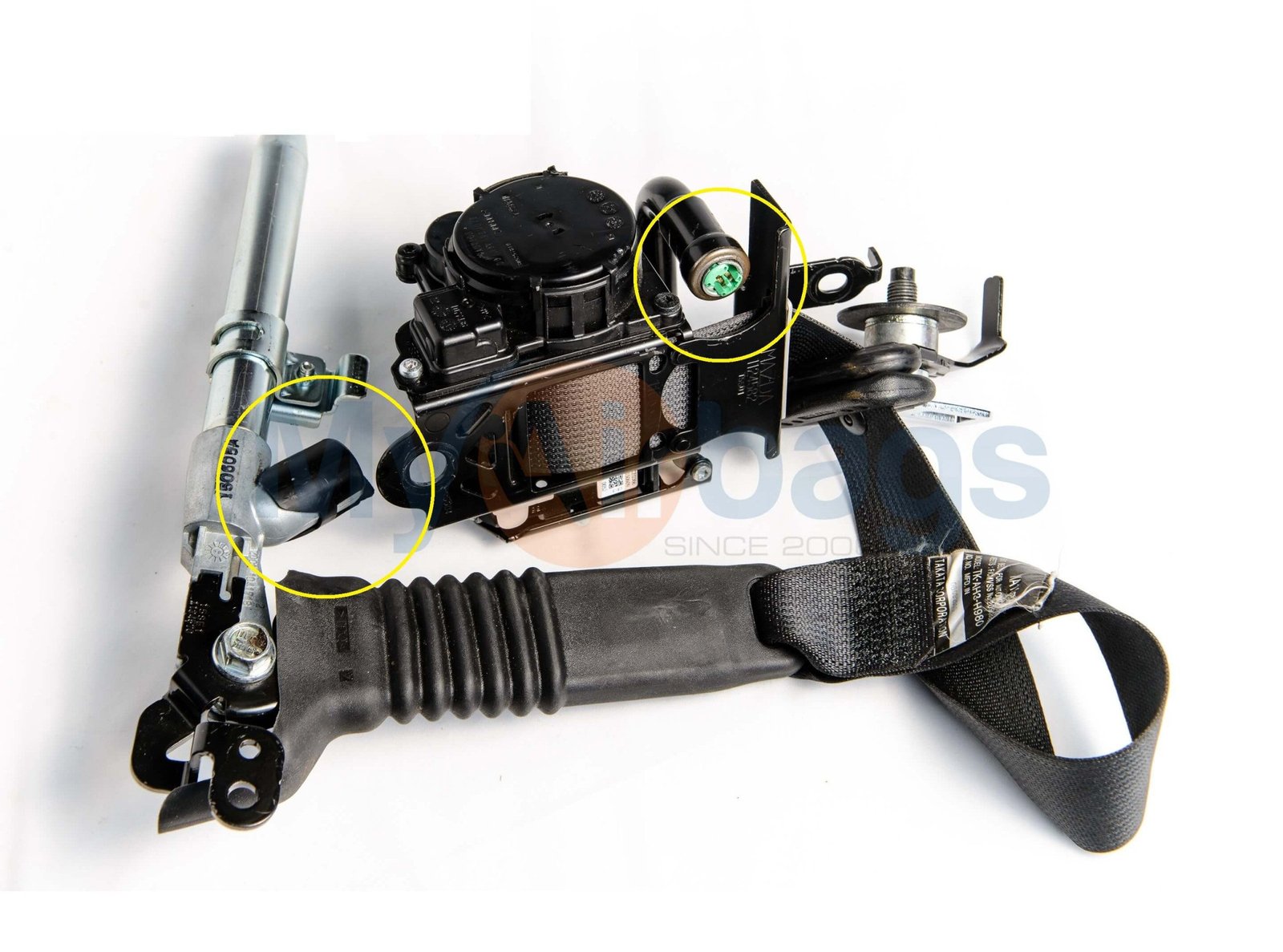
If the basic cleaning and untwisting steps do not restore normal operation, check the vehicle service information before removing pillar trim. Side-curtain airbags, pretensioner wiring, special clips, and pyrotechnic components may be located behind that trim. Do not open, adjust, or repair the retractor mechanism itself.
7. Inspect For Damage
If the belt is still stuck, look for:
- Fraying, cuts, or tears in the belt.
- Cracked or broken buckle.
- Broken or loose retractor spring.
If you find any of these, the safest choice is to replace the faulty part.
8. Replace the Assembly Only With the Correct Procedure
If the retractor or pretensioner is faulty, replacement should follow the exact vehicle service procedure and part number. Pretensioners can contain pyrotechnic devices tied to the supplemental restraint system. Battery-disconnection steps, wait times, fastener torque, connector handling, and post-repair checks are vehicle-specific.
9. Use an Approved Replacement or Qualified Repair Path
Because seat belts and pretensioners are crash-safety components, use the vehicle manufacturer’s approved replacement procedure or a qualified restraint-system specialist. Do not choose a repair method based only on price.
10. Recheck Vehicle Position and Belt Routing
Some retractors can lock because of vehicle angle or belt routing. Move the vehicle to level ground when safe, make sure the belt is not twisted through the upper guide, and try a slow, steady pull. Do not heat the retractor or pillar trim with a hair dryer or other heat source.
DIY Cleaning vs. Restraint-System Repair
DIY work should generally stop at inspection, untwisting, removing loose debris, and cleaning the webbing or buckle with an approved mild method. Retractor, pretensioner, buckle-switch, airbag-adjacent trim, or crash-damaged restraint repairs should follow the manufacturer procedure or be handled by a qualified professional.
Credit: blog.myairbags.com
Common Mistakes To Avoid
When fixing a stuck seat belt, some mistakes can make things worse. Here’s what to watch out for:
- Forcing the belt: Pulling too hard can damage the retractor.
- Using oil-based lubricants: These can weaken or stain the belt.
- Ignoring signs of damage: Driving with a damaged seat belt is unsafe.
- Skipping the owner’s manual: Every car is different; always check for special instructions.
If you’re not sure what to do, don’t risk your safety—get help.
How To Prevent Seat Belt Problems
Most seat belt jams are preventable. Here are some tips to keep them working smoothly:
- Clean regularly: Wipe the belt and buckle every few months.
- Avoid sharp objects: Don’t let keys, coins, or tools near the belt slot.
- Use gently: Pull the belt out and let it retract slowly.
- Check for twists: Fix any twists as soon as you notice them.
- Don’t slam the buckle: Insert and release it gently.
Regular care can add years to your seat belt’s life.
Do Not Judge Seat-Belt Condition by Vehicle Age Alone
There is no reliable age-based percentage table that tells you whether a seat belt will stick or fail. Inspect actual condition and function: webbing damage, buckle operation, retractor movement, warning lights, pretensioner status, and crash history matter more than a generic vehicle-age estimate.
If your car is older, regular maintenance is even more important.
When To Replace A Seat Belt
Some problems mean the seat belt must be replaced, not repaired. Replace your seat belt if:
- The belt is torn, frayed, or cut
- The retractor doesn’t hold the belt tight
- The buckle won’t latch or release
- The vehicle has been in a crash and the service information requires belt, buckle, retractor, or pretensioner replacement
Seat belts are a critical safety device. Don’t take chances.
Two Insights Most People Miss
- Seat belts can lock due to parking angle. If your car is parked on a steep slope, the retractor may lock because it thinks the car is moving. Try moving the car to flat ground before troubleshooting.
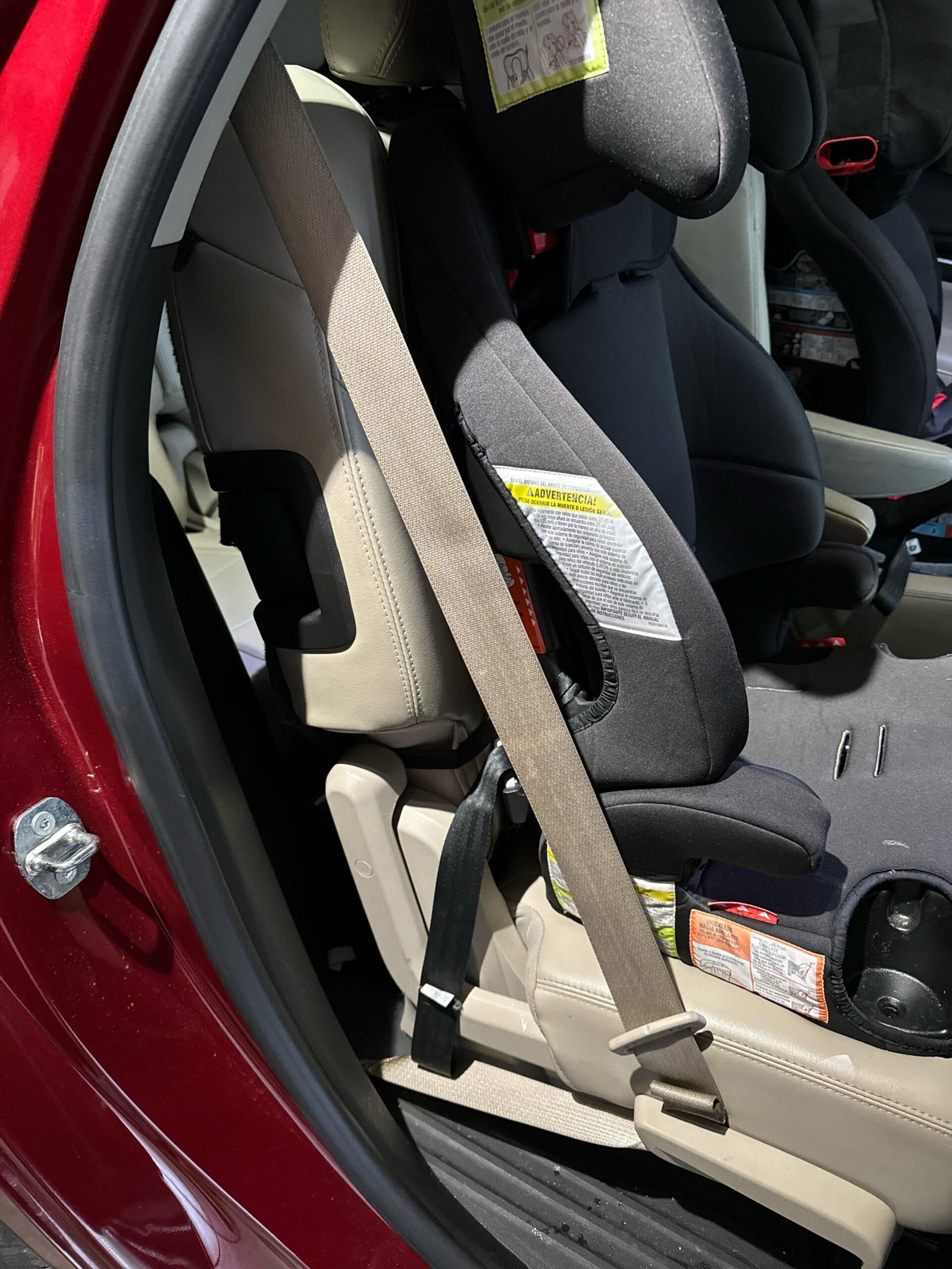
- Child seats can cause jamming. Sometimes, the way a child seat is installed can press on the belt or retractor, causing it to stick. Always check for interference when installing or moving child seats.
Frequently Asked Questions
How Do I Know If My Seat Belt Retractor Is Broken?
If the belt won’t retract, feels loose, or doesn’t lock during sudden pulls, the retractor may be broken. Inspect for damage and, if in doubt, have a professional check it.
Can I lubricate a stuck seat belt?
Do not spray lubricant on the webbing or into the retractor unless the vehicle manufacturer explicitly specifies a product and application point. Clean contamination with the approved method instead.
What If My Seat Belt Is Stuck After An Accident?
After a crash, follow the vehicle manufacturer’s restraint-system inspection and replacement procedure. Pretensioners, retractors, buckles, anchors, or webbing may require replacement even if damage is not obvious.
Is It Safe To Drive With A Stuck Seat Belt?
No. A seat belt that doesn’t work properly puts you at risk in a crash. Fix or replace it before driving.
Where Can I Find More Information On Seat Belt Safety?
For more details on seat belt safety, check the NHTSA official site.
A stuck seat belt is annoying, but with the right steps, you can usually fix it yourself. Taking care of your seat belts means safer, smoother rides for everyone. If you ever have doubts, don’t hesitate to get professional help—your safety is worth it.
Credit: www.reddit.com