
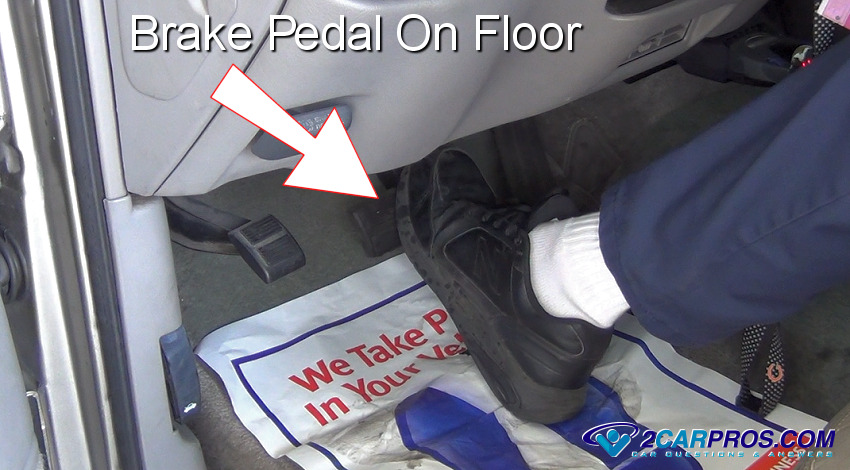
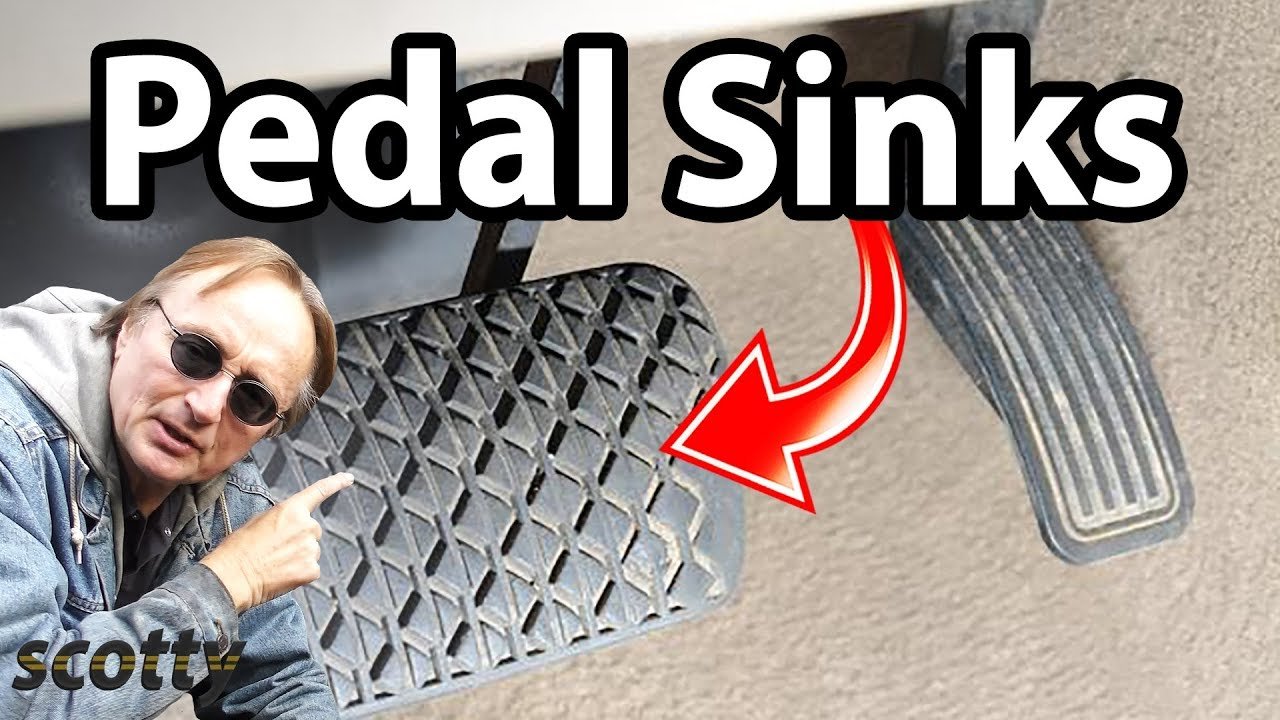
When you press your car’s brake pedal and it sinks all the way to the floor, it’s more than an inconvenience—it’s a serious safety issue. You depend on your brakes every time you drive. If the pedal loses firmness or goes down too far, your car’s stopping power is in danger.
Some drivers might panic, but with the right knowledge and a careful approach, you can understand the problem and fix it before it leads to an accident or expensive damage.
Knowing why a brake pedal sinks to the floor is important for every car owner. This article will guide you through causes, how to diagnose the problem, and step-by-step solutions. You’ll also learn about common mistakes, safety tips, and when to call a professional. Even if you’re not an expert, you’ll discover what you can do yourself and how to talk confidently to a mechanic.
Why The Brake Pedal Sinks To The Floor
Several things can cause a brake pedal to lose pressure and sink. Understanding these reasons helps you fix the problem faster and avoid more damage.
Common Causes
- Brake fluid leak: If there’s a leak in the system, the fluid level drops, and the pedal loses pressure.
- Worn master cylinder: The master cylinder pushes brake fluid through the system. If it fails, the pedal can drop.
- Air in brake lines: Air bubbles make the pedal feel spongy or soft.
- Faulty brake calipers or wheel cylinders: If these parts leak or fail, fluid escapes, and pressure drops.
- Damaged brake lines or hoses: Old, rusty, or cracked lines can leak fluid.
- Bad brake booster: Rare, but a failing booster can change pedal feel.
- ABS problems: A problem in the anti-lock braking system can sometimes cause pedal issues.
How The Brake System Works
A car’s brake system is hydraulic. When you press the pedal, it pushes fluid through lines to the brakes on each wheel. If anything in this chain breaks or leaks, the system loses pressure.
Here’s a simple comparison of brake pedal feel and what it usually means:
| Pedal Feel | Possible Cause |
|---|---|
| Firm and high | Normal operation |
| Spongy | Air in lines, old fluid |
| Sinks to floor slowly | Master cylinder leak |
| Sinks quickly | Major fluid leak, failed part |
How To Diagnose The Problem
Before fixing the issue, you need to find what’s causing the brake pedal to sink. Take your time—missing a small detail can be risky.
Step 1: Check Brake Fluid Level
Open your car’s hood and find the brake fluid reservoir (usually clear plastic with a cap marked “brake fluid”). The fluid should be between the MIN and MAX lines. If it’s low, you may have a leak.
Step 2: Inspect For Leaks
Look under the car and around each wheel. Check for wet spots, drips, or stains near wheels, under the master cylinder, or along brake lines. Even a small leak can cause big problems.
Step 3: Look At The Master Cylinder
The master cylinder is often behind the brake pedal, on the firewall. If it’s wet or the paint is peeling, fluid may be leaking.
Step 4: Test Pedal Feel
With the engine off, pump the brake pedal a few times. Hold it down firmly. Does it sink slowly or stay firm? If it sinks, there’s likely a leak or master cylinder problem.
Step 5: Inspect Brake Calipers And Wheel Cylinders
Remove the wheels and check the calipers (front) and wheel cylinders (rear, if drum brakes). Look for fluid around these parts.
Step 6: Check Brake Lines And Hoses
Follow the metal lines from the master cylinder to each wheel. Inspect rubber hoses for cracks or leaks. Metal lines should be free of rust and wet spots.
Step 7: Scan For Abs Codes
If your car has ABS, a code reader can check for stored errors. Sometimes, ABS module failures can affect pedal feel.
Step-by-step Fixes For A Sinking Brake Pedal
Once you know the cause, follow these solutions. Always use the right tools and take safety seriously.
Fix 1: Add Or Change Brake Fluid
If the fluid is low but no leaks are found, top it up with the correct type (see your owner’s manual). Old, dirty fluid should be flushed and replaced.
How To Add Brake Fluid
- Clean the reservoir cap.
- Open the cap and fill to the MAX line.
- Replace the cap and test the pedal.
If the fluid drops again soon, you probably have a leak.
Fix 2: Bleed The Brakes
Air in the lines makes the pedal soft. Bleeding the brakes removes trapped air.
Steps To Bleed Brakes
- You’ll need a helper, a wrench, and a clear tube.
- Start at the wheel farthest from the master cylinder (usually rear passenger).
- Attach the tube to the bleeder screw on the caliper or cylinder.
- Have your helper press the brake pedal.
- Open the bleeder screw—fluid and air bubbles will come out.
- Close the screw before your helper releases the pedal.
- Repeat until no air comes out, then move to the next wheel.
If you’re not sure how, there are many detailed guides and videos, or ask a professional.
Fix 3: Replace Leaking Parts
If you find a leak, replace the damaged part. Common replacements include:
- Master cylinder
- Brake caliper
- Wheel cylinder
- Brake hose or line
Master cylinder replacement is a common repair if the pedal sinks slowly with no visible leaks. Here’s a quick look at part costs:
| Part | Average Cost (USD) | Skill Level |
|---|---|---|
| Master Cylinder | $80–$250 | Intermediate |
| Brake Caliper | $60–$130 each | Intermediate |
| Brake Hose | $20–$50 each | Beginner–Intermediate |
| Brake Line | $20–$80 (plus labor) | Advanced |
Fix 4: Repair Or Replace Brake Booster
If the booster fails, you may have a hard pedal, but in rare cases, it can affect pedal travel. This job is best left to a mechanic unless you have experience.
Fix 5: Repair Abs Issues
If you find an ABS warning light, scan for codes. Some repairs, like replacing an ABS module, need special tools and knowledge.
Safety Tips And Common Mistakes
Fixing brakes is serious. Even small mistakes can be dangerous.
Safety Tips
- Always use jack stands when lifting your car.
- Wear gloves and eye protection.
- Test the brakes at low speed in a safe area before driving on main roads.
- If unsure, ask a professional for help.
Common Mistakes To Avoid
- Not finding all leaks: One missed leak can make repairs useless.
- Using wrong brake fluid: Always check your manual.
- Not bleeding brakes fully: Air left in the system keeps the problem.
- Ignoring ABS codes: Some brake issues are electronic, not just hydraulic.
- Skipping test drives: Always check pedal feel before normal driving.
Credit: www.2carpros.com
When To Call A Mechanic
Some fixes are simple, but if you’re not sure, don’t risk your safety. Call a mechanic if:
- You see heavy leaks and can’t find the source.
- The pedal still sinks after repairs.
- You don’t have the right tools or experience.
- There are ABS or brake warning lights.
A professional has the tools to safely diagnose and repair complex brake problems.
Real-world Example
Consider this: A driver notices their brake pedal sinks slowly when stopping at a light. Fluid level is normal, but there are no leaks. After checking, they find the master cylinder is worn out (common in cars over 100,000 miles). Replacing the master cylinder and bleeding the brakes fixes the issue. The driver avoided a dangerous failure by acting quickly.
Credit: www.youtube.com
How To Prevent Future Problems
Preventive care saves money and keeps you safe. Here’s how:
- Check brake fluid every oil change.
- Replace brake fluid every 2–3 years or as your car’s manual says.
- Inspect brake lines and hoses for rust or cracks.
- Listen for changes in brake feel or noise.
- Fix small problems before they get bigger.
Brake fluid absorbs moisture over time, which leads to rust and reduced braking power. Replacing it regularly prevents many issues.
Cost Comparison: Diy Vs Mechanic
Wondering if you should try a fix yourself? Here’s a simple cost breakdown:
| Repair Task | DIY Cost | Mechanic Cost | Time Needed |
|---|---|---|---|
| Bleeding Brakes | $10 (fluid only) | $60–$120 | 1–2 hours |
| Master Cylinder Replacement | $80–$250 | $250–$450 | 2–3 hours |
| Brake Hose Replacement | $20–$50 | $90–$150 | 1 hour |
DIY can save money, but only do repairs you’re comfortable with.
Extra Insights Most Beginners Miss
- Brake fluid can leak inside the car: Sometimes, the master cylinder leaks under the dashboard. Check the carpet near the brake pedal for wetness.
- Bleeding order matters: Always start with the wheel farthest from the master cylinder, or you may not remove all air.
- Never mix brake fluid types: Mixing DOT 3 and DOT 4 (or other types) can damage seals and reduce effectiveness.
Trusted Resources
For more detailed diagrams and brake repair basics, see Wikipedia’s Brake Fluid page.
Credit: www.greatwater360autocare.com
Frequently Asked Questions
Why Does My Brake Pedal Sink Only When The Engine Is Running?
With the engine running, the brake booster helps push the pedal down. If the master cylinder is worn or there’s a leak, the pedal may sink more with the booster’s help. Check for leaks and master cylinder issues.
Is It Safe To Drive If My Brake Pedal Sinks To The Floor?
No, it’s not safe. If the pedal sinks, your brakes may fail completely at any time. Have your car towed to a repair shop or fix the issue before driving.
Can Low Brake Pads Cause The Pedal To Sink?
Worn brake pads usually make the pedal travel a bit farther, but they rarely cause it to sink to the floor. A sinking pedal is almost always a fluid or hydraulic issue.
How Often Should I Change Brake Fluid?
Most experts recommend replacing brake fluid every 2 to 3 years, or as your car’s manual suggests. Old fluid absorbs moisture, which can cause rust and reduce braking power.
What Tools Do I Need To Fix A Sinking Brake Pedal?
You’ll need a wrench set, a clear hose for bleeding brakes, a helper, jack stands, gloves, and safety glasses. Some repairs need extra tools (like line wrenches or a code reader for ABS).
Fixing a sinking brake pedal is vital for your safety and those around you. With careful diagnosis and repair, you can restore your brakes’ stopping power and drive with confidence. If you’re unsure, don’t take risks—seek professional help and stay safe on the road.