
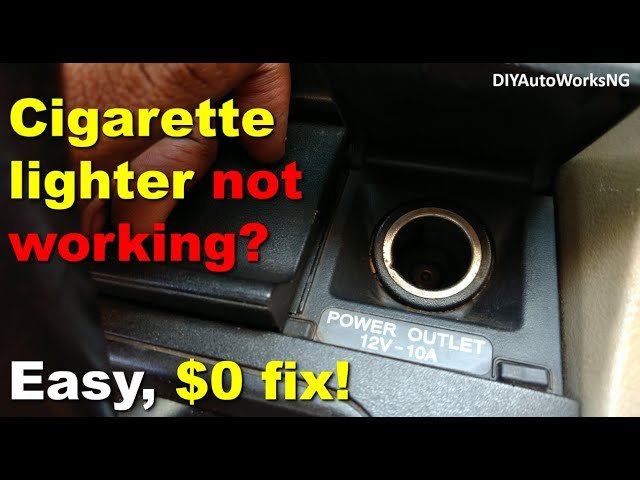
If your car cigarette lighter or 12V power outlet is not working, start with the fuse, the accessory plug, and the socket contacts. In most cars, a dead lighter is caused by a blown fuse, debris inside the socket, a loose connector, or a charger that draws too much power. The fix often takes less than an hour: test another accessory, check the correct fuse amperage, clean the socket safely, and replace the lighter element or outlet only if power is still missing.
How Car Cigarette Lighters Work
Understanding how this small device operates helps you troubleshoot. The car cigarette lighter is essentially a 12-volt power socket. When you push the lighter in, electricity heats a coil inside. For accessories like chargers, the lighter socket provides a reliable power source. If this system fails, it usually means a power issue, a bad connection, or a damaged part.
Most sockets are tied to the car’s accessory power system. This means that they only work when the ignition is in the “on” or “accessory” position. If your lighter or socket has suddenly stopped working, you need to check several common points.
Common Reasons Your Car Cigarette Lighter Stops Working
Let’s look at the most frequent causes:
- Blown fuse – The most common issue. Fuses protect your car’s electrical circuits. If there’s too much current, the fuse “blows” and cuts off power.
- Debris or objects in the socket – Small bits of metal, coins, or dirt can block the socket or cause shorts.
- Damaged lighter element – The coil inside the lighter can wear out or break.
- Loose wiring – Vibrations or previous repairs can cause wires behind the socket to disconnect.
- Accessory plug issue – Sometimes the device you’re plugging in is faulty, not the socket.
- Burned or melted socket – Overheating can damage the socket, especially if you use high-powered devices.
Quick Checks Before You Start
Before grabbing your tools, try these simple checks:
- Test the socket with another accessory (like a phone charger you know works).
- Try your lighter or device in another car.
- Make sure the ignition is set to “accessory” or “on”.
These steps can quickly tell you if the problem is with the socket or your device. If several electrical accessories act weak or inconsistent, also check the charging system with a multimeter alternator test and make sure the battery connections are clean.
Step-by-step Guide To Fixing Your Car Cigarette Lighter
If your quick checks point to a problem with your car’s socket, follow these steps:
1. Locate And Inspect The Fuse
Most lighter sockets have a dedicated fuse in the car’s fuse box. The fuse box is usually under the dashboard, near the driver’s knee, or in the engine compartment.
- Check the car manual for the exact fuse location and number.
- Pull out the fuse using plastic tweezers.
- Hold it up to the light. If the thin metal strip inside is broken or burned, the fuse is blown.
Tip: Fuses are cheap—usually less than $2.
Non-obvious insight: Some cars have more than one fuse for cigarette lighters, especially if there are multiple sockets (front and rear). Check all related fuses.
| Fuse Rating | Typical Use | Color Code |
|---|---|---|
| 10A | Standard lighter socket | Red |
| 15A | High-power accessories | Blue |
| 20A | Multiple sockets | Yellow |
2. Replace The Fuse (if Needed)
If you find a blown fuse:
- Buy the same amperage rating. Never use a higher-rated fuse—it’s a fire risk.
- Snap the new fuse into the slot.
- Test the lighter.
If it works, you’re done. If the fuse blows again quickly, there’s a deeper electrical problem.
3. Inspect The Socket For Debris Or Damage
- Turn off your car.
- Shine a flashlight into the socket.
- Use plastic tweezers or a wooden stick to remove any objects. Never use metal tools—they can short out the socket.
Practical tip: Even small bits of foil from gum wrappers can cause a short.
4. Test The Lighter Element
If you use the old-style push-in lighter, check if the element coil is blackened or broken. Replace the lighter element if you see clear damage. New elements cost $5–$15.
5. Check Accessory Plugs
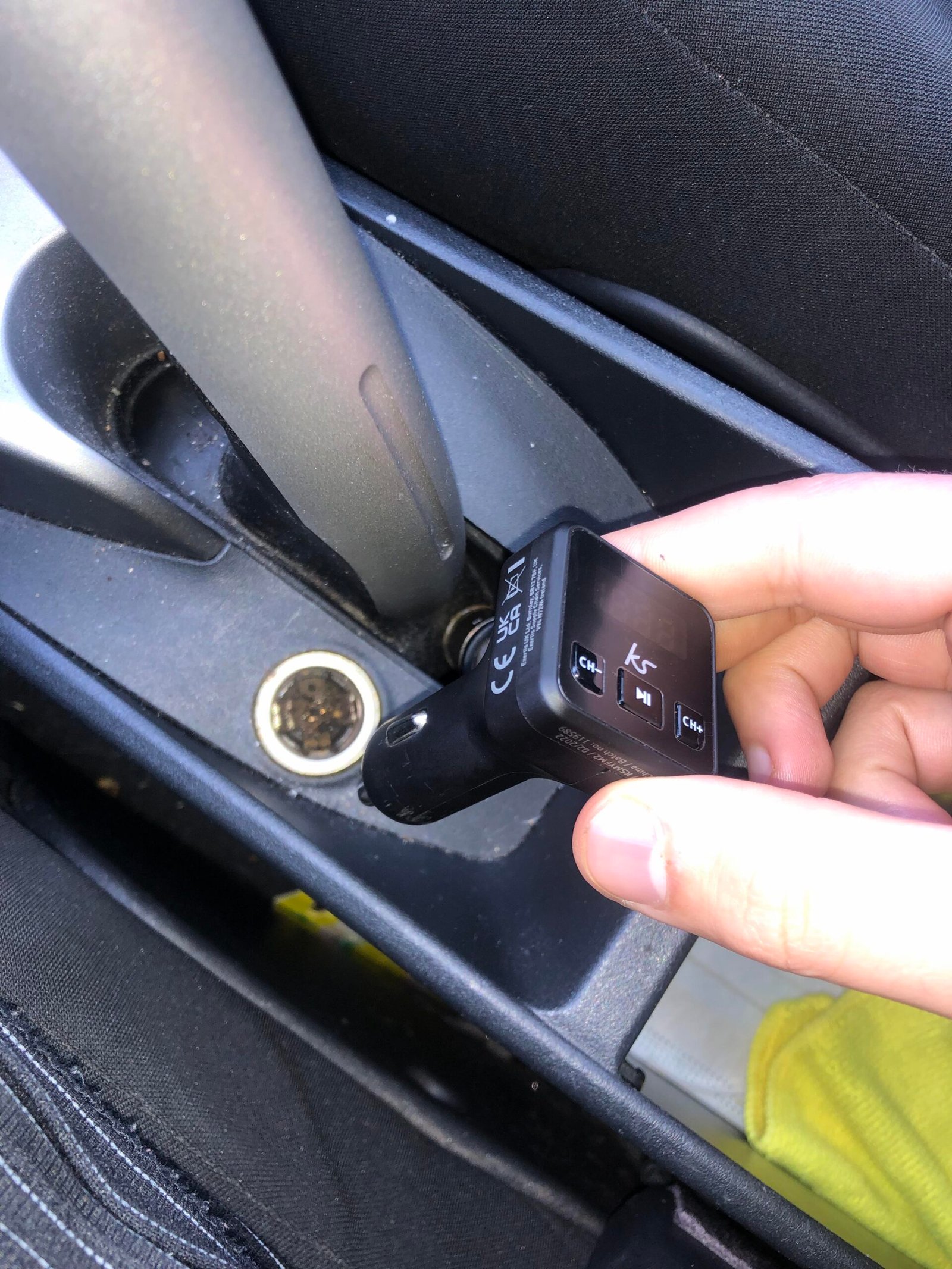
Try several devices (like a GPS or phone charger) in the socket. If one works but others don’t, the problem is with the accessory, not the socket.
Non-obvious insight: Some car sockets are slightly deeper or shallower than others, so a plug that works in one car might not make good contact in another.
6. Inspect Socket Wiring
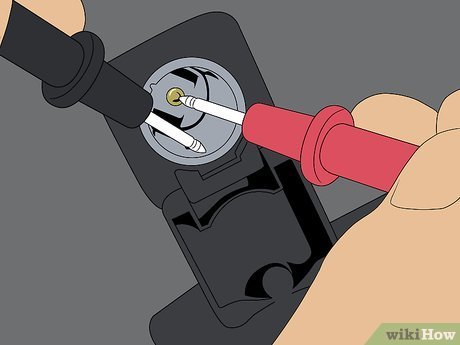
If the fuse is good and the socket is clean, the wiring may be loose or disconnected.
- Remove the socket (usually it pops out with a gentle pry).
- Check the wires for looseness or corrosion.
- Push any loose connectors back into place.
If you see melted wires or scorch marks, consult a mechanic—this means a serious electrical fault.
7. Replace The Socket (if Necessary)
A new socket costs $10–$30. Installation is usually simple:
- Disconnect the car battery first.
- Remove the old socket.
- Plug in the new one, matching the wires by color.
- Reinstall the socket and reconnect the battery.
Test the socket.
Credit: www.youtube.com
When To See A Mechanic
If you’ve tried all these steps and your lighter still does not work—or if fuses keep blowing—there may be a bigger electrical problem. Common signs you should seek professional help:
- Fuse blows immediately after replacement
- Burn marks or melted plastic around the socket
- Other electrical items (like radio or lights) are also failing
Electricity is dangerous. If you’re not sure, it’s safer to visit a qualified mechanic.
Preventing Future Problems
Keeping your cigarette lighter socket in good shape saves time and avoids headaches later. Here’s how:
- Only use accessories rated for your socket’s amperage.
- Avoid plugging in cheap, unbranded chargers—they often cause shorts.
- Clean the socket gently every few months.
- Never force plugs that don’t fit.
A little prevention goes a long way.
Credit: www.wikihow.com
Comparing Diy Vs. Mechanic Repair
Trying to decide if you should fix the lighter yourself or go to a professional? Here’s a quick comparison:
| Aspect | DIY | Mechanic |
|---|---|---|
| Cost | Low (usually under $20) | Higher ($50–$150 typical) |
| Time Required | 30–60 minutes | 1–2 hours (including wait) |
| Skill Level | Basic tools, simple steps | Professional expertise |
| Safety | Safe for simple fixes | Safer for complex issues |
Tools And Supplies You May Need
If you want to fix your car cigarette lighter, gather these:
- Flathead and Phillips screwdrivers
- Needle-nose pliers or plastic tweezers
- Flashlight
- Replacement fuse (check rating)
- New lighter element or socket (if needed)
- Cleaning brush or compressed air
Pro tip: Most cars have spare fuses and a puller in the fuse box lid.
Credit: www.reddit.com
Why Do Fuses Blow In The First Place?
Many people wonder why fuses blow. The most common reason is plugging in a device that draws too much current. For example, some portable air compressors or cheap power inverters can overload the socket. Even a shorted phone charger can do this.
Interesting fact: Most car lighter sockets are only designed for 120–180 watts (10–15 amps). Devices that use more power can easily blow the fuse.
Real-world Example
Imagine Sarah plugs her phone charger into the lighter socket and nothing happens. She checks her charger in another car—it works fine. She looks in her car’s manual, finds the fuse box, and sees the lighter fuse is burned out.
She replaces it, and everything works again. But a week later, the fuse blows again. This time, Sarah realizes her husband used a high-powered tire inflator. The inflator draws more current than the socket can handle, so it keeps blowing fuses.
Lesson: Always check device power ratings.
What If Your Car Has Multiple Sockets?
Modern cars often have several 12V sockets—some in the front, some in the back. Each socket may have its own fuse, or multiple sockets may share a single fuse. You need to check all fuses and test each socket separately.
| Socket Location | Typical Use | Common Fuse Size |
|---|---|---|
| Front dash | Phone/GPS charging | 10A |
| Rear seat | Passenger devices | 15A |
| Cargo area | Coolers/air pumps | 20A |
Tip: Some cars label these as “power outlet” instead of “cigarette lighter,” but the fix is the same.
Alternative Power Options
If you can’t fix the socket or need more power, consider these:
- USB adapters that connect directly to the car’s wiring
- Portable battery packs for charging devices
- Hardwired 12V sockets installed by a professional
These options offer more reliability and can support higher-powered devices.
Frequently Asked Questions
Why Did My Car Cigarette Lighter Stop Working Suddenly?
A sudden failure is usually caused by a blown fuse. This often happens when a device draws too much power or a metal object falls into the socket and creates a short circuit. Check the fuse box first.
Can I Use Any Fuse To Replace A Blown One?
No. Always replace with the same amperage fuse. Using a higher-rated fuse can damage your car’s wiring or even cause a fire. If you’re unsure, check your car manual or ask an expert.
My Phone Charger Works In Other Cars But Not Mine. Why?
Your car’s socket might be deeper, shallower, or dirty. Also, some sockets only work when the ignition is on. Try cleaning the socket and make sure the ignition is set correctly.
Is It Safe To Fix The Lighter Socket Myself?
For simple problems like changing a fuse or cleaning the socket, DIY repair is safe. If you see melted parts, smell burning, or have repeated fuse blows, it’s best to visit a mechanic.
Can I Prevent The Cigarette Lighter From Breaking Again?
Yes. Only use quality accessories, never force plugs, and avoid overloading the socket with high-power devices. Clean the socket occasionally and check for loose connections.
Fixing a car cigarette lighter that’s not working is usually a simple process. Most problems come from blown fuses, dirty contacts, or overloaded accessories. With a few careful checks, you can restore power in less than an hour. If the fuse blows again, the socket looks melted, or there is no voltage at the outlet, stop DIY testing and have the circuit inspected. For nearby electrical maintenance, see our guide on cleaning car battery terminals.