
Testing a car’s alternator with a multimeter can save you time, money, and trouble. You don’t need to be a professional mechanic or buy expensive tools to check if your alternator is working properly. A simple digital multimeter and a bit of know-how are enough for most cars.
When your car battery keeps dying or your electrical systems act strangely, the alternator is often the cause. Knowing how to test it is a valuable skill for any driver or car owner.
What Is An Alternator And Why It Matters
The alternator is a vital part of your car’s electrical system. It generates electricity while the engine runs. This power charges the battery and runs things like headlights, air conditioning, and the radio. If the alternator fails, your battery will drain quickly, and your car could stop working while you’re driving. That’s why regular testing is smart, especially if you notice warning signs like dimming lights or strange noises.
Tools You Need For Testing
Testing your alternator doesn’t require a lot of equipment. Here’s what you should have ready:
- Digital multimeter (with DC voltage measurement)
- Safety gloves and glasses (for protection)
- Owner’s manual (for your car’s battery location and specifications)
- Pen and paper (to note readings)
- A helper (optional, but useful for revving the engine or turning on accessories)
Most modern multimeters are affordable and easy to use. If you don’t have one, basic models are available for less than $20.
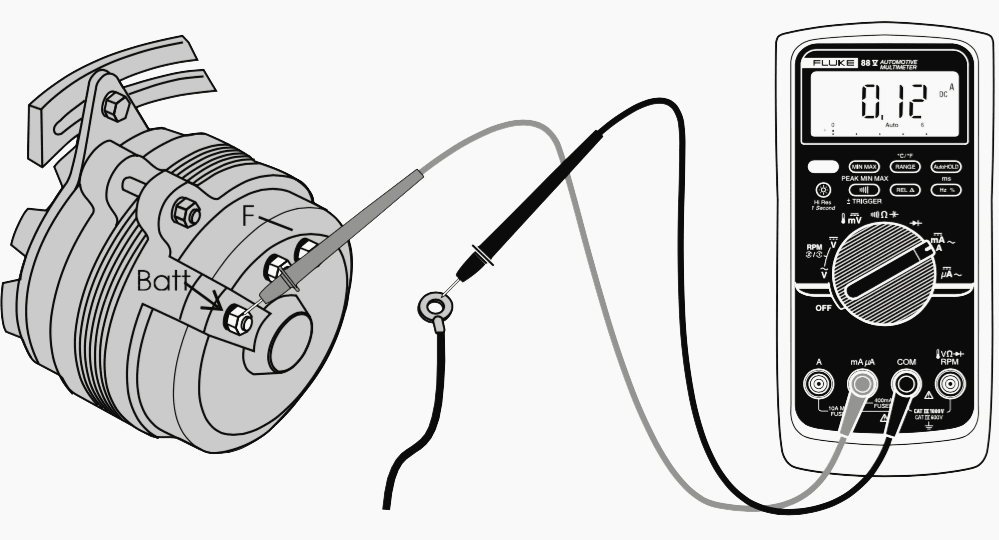
Credit: electrical-engineering-portal.com
Safety Precautions Before You Begin
Safety should always come first. Here are some important points:
- Wear safety gloves and glasses.
- Make sure the car is in park or neutral with the parking brake on.
- Don’t let tools touch both battery terminals at once (to avoid sparks or shocks).
- Work in a well-ventilated area, especially if testing with the engine running.
- Never put your hands near moving engine parts.
If you ever feel unsure, ask a professional for help.
How To Test Car Alternator With A Multimeter
Testing your alternator is a step-by-step process. Each step tells you something different about the health of your charging system.
Step 1: Locate The Battery And Alternator
Open the hood and find the car battery. In most cars, it’s a rectangular box with two cables attached (positive and negative). The alternator is usually nearby, connected by a belt to the engine. Check your owner’s manual if you’re not sure where these are.
Step 2: Check Battery Voltage (engine Off)
Before testing the alternator, you need to know the battery’s condition. Set your multimeter to DC voltage (20V range is usually fine).
- Turn off all electrical accessories (lights, radio, AC).
- Place the red probe on the battery’s positive terminal.
- Place the black probe on the negative terminal.
- Read the display.
A healthy, fully charged car battery should read 12.6 volts or higher. If it’s much lower (12.4V or less), the battery may be weak or discharged, which can affect your alternator test.
Step 3: Start The Engine And Measure Voltage
Now, start the car. Let it idle for a minute. Measure the battery voltage again with the engine running.
- Keep the multimeter probes on the same terminals.
- Watch the voltage reading.
A working alternator should increase the voltage to somewhere between 13.8 and 14.8 volts. This shows the alternator is charging the battery as it should.
If you see little or no increase, or the voltage drops, your alternator may not be working properly.
Step 4: Test With Electrical Loads On
Turn on several electrical accessories—headlights, rear defroster, and air conditioning. This puts extra load on the alternator.
- With the engine running, measure the battery voltage again.
The voltage should stay above 13 volts. If it drops below 13V, the alternator might not be strong enough to handle the load, or it could be failing.
Step 5: Rev The Engine (optional, But Revealing)
Have a helper gently press the gas pedal to raise the engine speed to about 2000 RPM. Watch the multimeter reading.
- Voltage should stay steady or rise slightly (but not above 14.8V).
- If voltage jumps too high (over 15V), the alternator’s voltage regulator may be faulty.
- If voltage drops, the alternator can’t keep up.
This step often reveals problems that don’t show at idle.
Step 6: Inspect For Unusual Noises Or Smells
While the engine runs, listen for whining, grinding, or squealing near the alternator. Burning smells or hot wires can also mean trouble. Sometimes, bad alternators fail even if voltage readings seem normal.
What Your Readings Mean
Here’s a simple guide to interpret your results:
| Test Condition | Expected Voltage | Possible Issue |
|---|---|---|
| Engine Off (Battery) | 12.6V or higher | Low = Weak battery |
| Engine Idling | 13.8V to 14.8V | Low = Bad alternator |
| With Load (Lights/AC) | 13V or higher | Below 13V = Weak alternator |
| Revved Engine | 14.2V to 14.8V | Over 15V = Bad regulator |
If your numbers are outside these ranges, you likely have a charging system problem.
Common Mistakes To Avoid
Many people make simple errors when testing with a multimeter. Avoid these to get accurate results:
- Testing with a dead battery: If the battery is very low, results will be misleading. Charge or replace the battery first.
- Wrong multimeter setting: Make sure you set your multimeter to DC voltage, not AC or resistance.
- Loose connections: Dirty or loose battery terminals can cause false readings. Clean and tighten them before testing.
- Skipping the load test: Only measuring at idle may miss weak alternators. Always test with electrical accessories on.
- Ignoring warning signs: Strange noises or smells often mean trouble even if voltage seems okay.
Data: Alternator Output In Different Car Types
Alternator output can vary depending on the vehicle. Here’s a comparison of typical output for different car types:
| Vehicle Type | Normal Alternator Output | Battery Size (Typical) |
|---|---|---|
| Small sedan | 70–90 amps | 40–55 Ah |
| Pickup truck | 90–130 amps | 65–80 Ah |
| Luxury SUV | 120–180 amps | 80–100 Ah |
| Hybrid car | Smaller (uses main battery) | Varies |
If your car has many electronics or is larger, it needs a stronger alternator.
When To Replace The Alternator
After testing, you may find your alternator is weak or failing. Here’s when replacement is necessary:
- Voltage stays below 13V even with engine running and all accessories off.
- Voltage rises above 15V, which can damage electronics and battery.
- Alternator makes loud noises or smells burnt.
- Battery keeps dying even after charging and testing.
Replacing the alternator is not a job for everyone. It can be tricky in some cars due to tight spaces or special tools. If you’re not confident, have a professional do the work.
Practical Tips For Accurate Testing
Here are some extra pointers most beginners miss:
- Test after driving for 10–15 minutes. Cold batteries can give false low readings.
- Check the drive belt tension. A loose or worn belt can cause low alternator output even if the alternator itself is fine.
- Look for warning lights on your dashboard (like the battery symbol). These often light up before you notice electrical problems.
Troubleshooting: If The Alternator Passes But Problems Remain
Sometimes, your alternator tests fine, but your car still has charging issues. Here’s what to check next:
- Battery age or health: Old batteries can’t hold a charge even if the alternator works well.
- Bad battery cables: Corroded or damaged cables increase resistance and reduce charging.
- Blown fuses or bad relays: Electrical faults elsewhere can stop charging.
- Parasitic drain: Something may be draining power when the car is off (like a stuck relay or aftermarket device).
- Ground connections: A loose ground wire can cause weird electrical symptoms.
A full charging system test may be needed for complex problems.
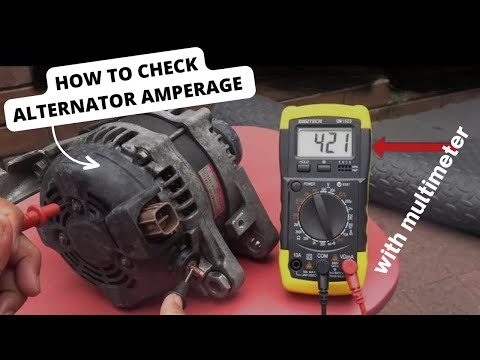
Credit: www.youtube.com
Example Scenario: Diagnosing A Weak Alternator
Imagine your headlights dim when you stop at a light, but brighten when you accelerate. You test the battery at rest: 12.4V. With the engine running: 13.0V. With headlights and AC on, voltage drops to 12.5V. When you rev the engine, it barely reaches 13.2V.
This pattern points to a weak or failing alternator. The voltage does not rise enough under load or at higher RPM. Replacement or repair is needed.
Cost And Time Involved
Testing with a multimeter takes about 5–10 minutes. If you need to buy a multimeter, expect to spend $15–$40 for a basic one. Professional diagnostics at a shop may cost $20–$50, but some auto parts stores will test your alternator for free.
Multimeter Types: Which Is Best?
There are two main types of multimeters: digital and analog. For car alternator testing, digital multimeters are best because they are:
- Easier to read (clear numbers)
- More accurate
- Safer (auto-ranging protects the device)
Here’s a quick comparison:
| Multimeter Type | Display | Accuracy | Best For |
|---|---|---|---|
| Digital | Numeric LCD | High | Beginner & expert |
| Analog | Needle gauge | Medium | Special uses |
Digital multimeters are the best choice for alternator testing.
Where To Learn More
If you want to dive deeper into how alternators work or get more technical details, check out this Wikipedia page on automotive alternators for additional information.
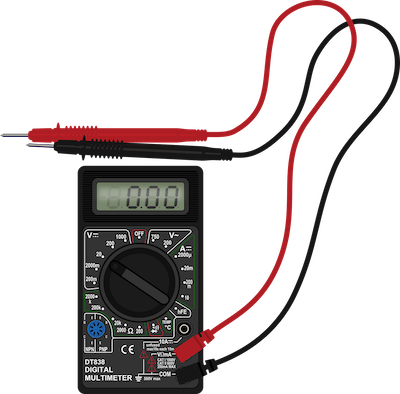
Credit: tameson.com
Frequently Asked Questions
What Are The Signs Of A Failing Alternator?
Common signs are dimming headlights, battery warning lights, strange noises (like whining or grinding), and a dead battery. Electronics may stop working, or the car may stall while driving.
Can I Test An Alternator Without Removing It From The Car?
Yes, you can test the alternator while it’s still installed. A multimeter test on the battery terminals with the engine running tells you if it’s charging.
Is It Safe To Drive With A Bad Alternator?
No. If the alternator fails, your battery will soon run out of power. This can cause the car to stall and lose power steering or brakes. It’s best to repair or replace the alternator as soon as possible.
How Long Does An Alternator Usually Last?
Most alternators last 7–10 years or about 100,000–150,000 miles. However, heat, water, and electrical overloads can shorten their life.
Why Is My New Battery Still Dying After Replacing The Alternator?
A new battery may still die if there’s a parasitic drain, bad wiring, or if the battery itself is defective. Always check the full charging system, not just the alternator.
Testing your car’s alternator with a multimeter is a practical skill that can save you from unexpected breakdowns. With careful steps and attention to detail, you can catch problems early and keep your car running smoothly. If you ever feel unsure, don’t hesitate to consult a professional.