
Hearing a clunking noise every time your car rolls over a bump can be worrying. The sound might be sharp, dull, or even feel like something is loose under your car. Many drivers ignore these noises, hoping they’ll go away. But in most cases, a clunk means something important needs attention. This guide will help you understand why your car is making that sound, how to diagnose the problem, and what you can do to fix it.
Driving with a clunking noise is more than just annoying. It can signal a safety issue with your suspension, steering, or wheels. Left unchecked, it could turn into a much bigger—and more expensive—problem. As a calm expert, my goal is to walk you through each step clearly, using real-life examples and simple explanations. With the right approach, you can stop the noise and keep your car safe and smooth.
Common Causes Of Clunking Noise Over Bumps
Understanding the most frequent reasons for a clunk helps you quickly narrow down the problem. Here are the main culprits:
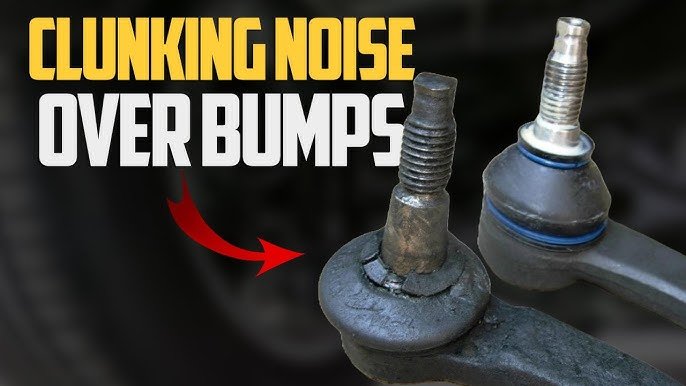
- Worn Ball Joints: Ball joints connect your car’s suspension to the wheels. Over time, they can get loose or dry, causing a metallic clunk, especially when going over bumps.
- Damaged Sway Bar Links: The sway bar keeps your car stable when turning. If the links or bushings wear out, you’ll hear a knock or rattle over uneven roads.
- Bad Struts or Shocks: These parts absorb bumps. If they fail, you might hear a dull thud and feel the ride get rougher.
- Loose Suspension Bushings: Rubber bushings cushion metal parts. When they wear out, metal can hit metal, making clunks.
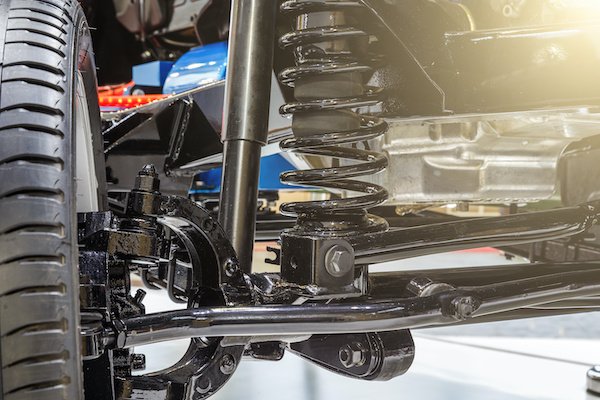
- Worn Control Arms: Control arms hold the wheels in the right position. Worn bushings or ball joints here cause clunks and steering problems.
- Broken Coil Springs: Springs support your car’s weight. A broken coil can cause a loud clunk and a sagging ride.
- Loose Exhaust Components: Sometimes, the exhaust system hangs low and bangs against the car body.
- Loose or Damaged Steering Components: A worn tie rod or rack can make noise when the suspension moves.
- Loose Wheel or Lug Nuts: If a wheel isn’t tight, it can shift and make a clunk, especially over bumps.
- Damaged Wheel Bearings: These usually hum, but if very worn, they can clunk during sharp turns or bumps.
Each cause has its own symptoms. Listening closely and feeling how the car drives will give you important clues.
How To Diagnose The Clunking Noise
Before you can fix the problem, you need to find out what’s wrong. Here’s a systematic approach:
Listen And Observe
- When does the noise happen? Only over bumps? When turning? Both?
- Where is the sound? Front, rear, left, or right?
- Is it loud or soft? A sharp clank often means metal hitting metal, while a dull thud points to worn rubber.
Visual Inspection
A careful look can reveal many issues.
- Park on a flat surface.
- Use a flashlight.
- Check for these signs:
- Cracked or split bushings
- Rust or damage on springs and shocks
- Leaking fluid from shocks or struts
- Loose or missing bolts
- Worn or torn rubber boots on ball joints and tie rods
Physical Checks
If you have basic tools and safety stands, try:
- Pushing down on each corner of the car. Listen for a clunk or squeak.
- Wiggling the wheels (side to side and top to bottom). Excess play means worn joints or bearings.
- Moving the exhaust system by hand to see if it’s loose.
Professional Diagnosis
If you’re unsure, a mechanic can use tools to check for looseness and wear. They may test drive the car or use a lift for a closer look.
Credit: www.youtube.com
Step-by-step Guide To Fixing Clunking Noises
Once you know what’s wrong, you can plan the repair. Here’s how to fix the most common causes:
1. Replacing Ball Joints
Ball joints can be pressed in or bolted on. Here’s a general process:
- Lift the car safely and remove the wheel.
- Unbolt the ball joint from the control arm and steering knuckle.
- Remove and replace with a new ball joint.
- Tighten all bolts to the manufacturer’s spec.
- Reinstall the wheel and lower the car.
Tip: If the ball joint is part of the control arm, you’ll need to replace the whole arm.
2. Changing Sway Bar Links Or Bushings
- Raise the car and locate the sway bar and links.
- Remove the old links or bushings.
- Install new parts and tighten bolts evenly.
Practical Insight: Sway bar parts are often cheap and can be replaced with basic tools.
3. Fixing Struts And Shocks
- Remove the wheel and locate the shock or strut.
- Unbolt it from the car body and control arm.
- Replace with a new unit.
- Tighten everything securely.
Caution: Strut replacement can be dangerous if the spring is under tension. Use a spring compressor or ask a professional.
4. Replacing Control Arm Bushings
- Remove the control arm from the car.
- Press out the old bushing (may need a hydraulic press).
- Install new bushings and refit the arm.
Key Point: After this repair, get an alignment to keep tires wearing evenly.
5. Fixing Loose Exhaust Parts
- Check exhaust hangers and brackets.
- Replace any broken or missing supports.
- Tighten loose bolts.
6. Tightening Wheels Or Lug Nuts
- Use a torque wrench to ensure all lug nuts are tight to the correct spec.
7. Replacing Wheel Bearings
- Remove the wheel and brake assembly.
- Take out the old bearing (may need special tools).
- Install a new bearing and reassemble.
Note: Bad bearings often hum before they clunk.
8. Steering Components
- Check tie rods and steering rack for play.
- Replace any worn parts.
- Get a wheel alignment after repair.
9. Broken Coil Springs
- Inspect for any broken coils.
- Replace the spring (do both sides for balance).
- Use spring compressors for safety.
10. General Maintenance
- Lubricate moving parts if they are dry.
- Check for missing bolts or brackets.
- Inspect all rubber bushings and replace if cracked or missing.
Comparing Common Suspension Problems
Sometimes, several parts can be noisy at once. Here is a quick comparison of symptoms to help you decide where to start:
| Part | Noise Type | When Heard | Other Symptoms |
|---|---|---|---|
| Ball Joint | Sharp clunk | Bumps, turns | Wandering steering |
| Sway Bar Link | Rattle, knock | Bumps | Poor cornering |
| Shock/Strut | Dull thud | Bumps | Bouncy ride |
| Control Arm Bushing | Clunk | Bumps, acceleration | Uneven tire wear |
Credit: completecarcare318.com
When Should You See A Mechanic?
Some repairs are easy for DIYers, but others require special tools or experience. You should consider a professional if:
- You hear a loud clunk and feel the car pulling to one side
- The steering feels loose or imprecise
- You see leaking fluid from shocks or struts
- The noise gets worse quickly
- You notice uneven tire wear
- You are unsure about the diagnosis
Non-obvious tip: Even small noises can signal bigger hidden problems—fixing them early reduces future costs.
Cost To Fix Clunking Noises
Prices vary depending on the car and the part. Here is a rough cost guide:
| Repair Type | DIY Cost (Parts Only) | Professional Cost |
|---|---|---|
| Ball Joint | $30–$100 | $200–$400 |
| Sway Bar Link | $15–$50 | $70–$150 |
| Shock/Strut | $50–$150 | $300–$600 |
| Control Arm | $60–$150 | $200–$500 |
| Wheel Bearing | $30–$80 | $150–$400 |
Insight: If two or more parts are worn, replacing them together saves labor and prevents repeat trips to the mechanic.
Preventing Clunking Noises In The Future
Prevention is always better than repair. Here’s how to keep your suspension quiet and safe:
- Inspect your suspension and steering parts every 10,000 miles (or at every oil change).
- Replace bushings and ball joints at the first sign of wear.
- Avoid potholes and rough roads when possible.
- Wash under the car regularly, especially in winter, to prevent rust.
- Keep all bolts and nuts tight—check after any repair or tire change.
- Use high-quality parts for replacement—they last longer and perform better.
Real-world Example
A driver noticed a clunking noise in their 2015 Honda Accord each time they went over speed bumps. They checked the suspension and saw a torn rubber boot on the lower ball joint. After replacing the ball joint and getting an alignment, the noise disappeared and the car felt more stable.
This shows how a small part can have a big impact on comfort and safety.
Common Mistakes When Fixing Clunking Noises
Even experienced DIYers make errors. Avoid these:
- Ignoring small noises—they rarely fix themselves.
- Tightening bolts by feel—always use a torque wrench.
- Replacing one part when multiple are worn—fix everything needed at once.
- Skipping alignment after suspension work—leads to poor handling and tire wear.
- Using cheap parts—they may fail quickly and make the same noise come back.
Extra tip: Document what you replace and when. This helps you track problems and proves maintenance for resale value.
Useful Resources
To learn more about car noises and repairs, visit the Wikipedia Car Suspension page. It explains suspension systems and their parts in detail.
Credit: motronix.net
Frequently Asked Questions
Why Does My Car Only Make A Clunking Noise On One Side?
A clunk on one side usually means a worn part—like a ball joint, bushing, or strut—on that side. The other side may still be good, but it’s smart to check both. Often, replacing both sides at once keeps the car balanced.
Is It Safe To Drive With A Clunking Noise Over Bumps?
It’s usually not safe. Clunking can mean a loose suspension or steering part that could fail completely. This can cause you to lose control of your car. Get it checked and fixed as soon as possible.
Can I Fix A Clunking Noise Myself?
Many repairs—like replacing sway bar links or bushings—are possible for someone with basic tools and skills. But jobs like pressing in ball joints or wheel bearings often need special tools and experience. If you’re not sure, ask a mechanic.
How Do I Know If The Clunk Is From The Front Or Rear Suspension?
Listen carefully as you drive over bumps. Front noises often are louder and felt through the steering wheel. Rear noises may sound farther away. Having someone ride along to listen can help pinpoint the area.
Will A Wheel Alignment Fix A Clunking Noise?
No. Alignment adjusts the angles of the wheels but does not fix worn or loose parts. If you hear a clunk, the part must be repaired or replaced before aligning the wheels.
Catching and fixing a clunking noise over bumps keeps your car safe, smooth, and enjoyable to drive. Take your time, use this guide, and don’t ignore those warning sounds. They’re your car’s way of asking for help—listen, and you’ll avoid bigger problems down the road.