
Fixing a car dent can feel frustrating, especially when you see the cost of professional repairs. Many people are surprised to learn that some dents can be fixed at home using simple tools and hot water. The hot water method is a popular DIY approach because it’s cheap, requires no special skills, and sometimes gives impressive results—if you follow the right steps. In this article, you’ll learn how the hot water method works, what you need, detailed step-by-step instructions, when it makes sense to use, and what mistakes to avoid. By the end, you’ll know exactly how to try this technique safely and when it’s better to seek expert help.
Understanding The Hot Water Method
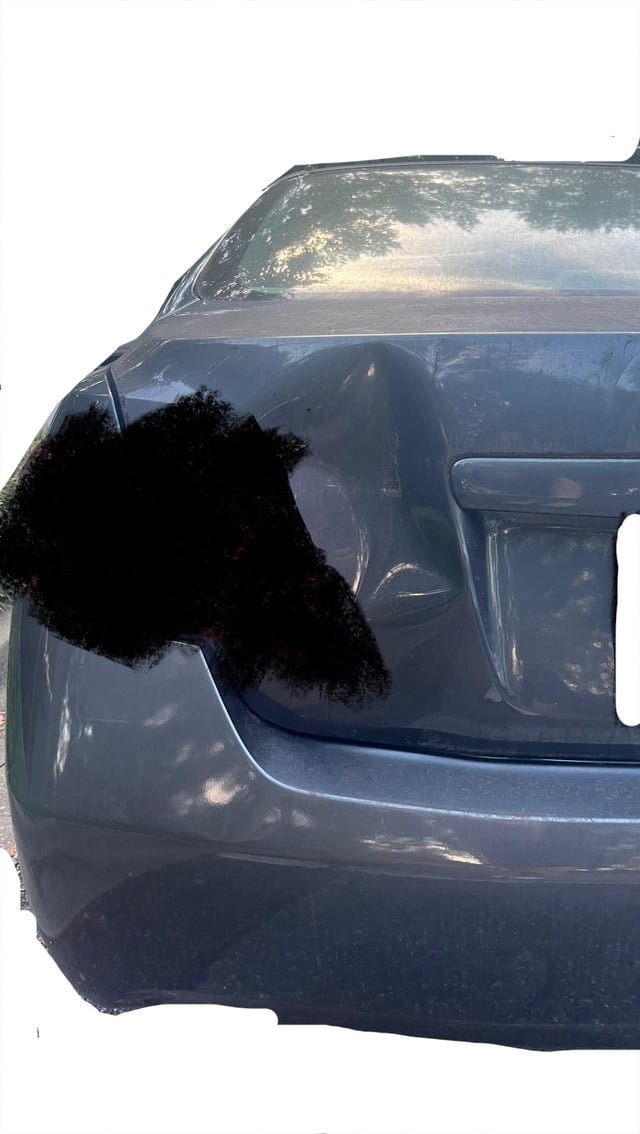
The hot water method uses heat to make plastic car panels more flexible. Most modern cars have bumpers and panels made from plastic, which can become soft and bendable when heated. Pouring hot water over a dented area makes the plastic soft enough to push the dent out by hand or with gentle pressure from behind. This method is best for shallow dents on plastic parts, especially bumpers.
Many people wonder if this trick is just a myth. In reality, it works on some dents—but not all. The key is the type of dent and the material of your car’s panel. Steel or aluminum panels, or deep, sharp dents, won’t respond to hot water.
But for small, rounded dents on plastic bumpers, this can be a practical solution.
When To Use (and Not Use) The Hot Water Method
Before you start, it’s important to know when this method is likely to work.
Good Candidates For Hot Water Dent Removal
- Plastic bumpers: Most modern cars have plastic bumpers that flex with heat.
- Shallow dents: Dents without sharp creases or deep scratches.
- Recent dents: The sooner you act, the better your chances.
- Accessible from behind: You need to reach behind the dent to push it out.
When To Avoid This Method
- Metal panels: Hot water won’t soften steel or aluminum.
- Paint damage: If the paint is cracked or missing, hot water won’t help.
- Sharp creases: Deep or sharp dents are usually too strong for this technique.
- Hard-to-reach areas: If you can’t access the back of the dent, it’s difficult to fix.
Trying this method on the wrong type of dent can make things worse. It’s always smart to inspect the dent and panel material first.
Tools And Materials Needed
You don’t need expensive equipment to try this method. Here’s what you need:
- Kettle or large pot: To boil water.
- Thick rubber gloves: To protect your hands from heat.
- Soft cloth or towel: For cleaning and drying.
- Bucket: To carry hot water outside.
- Plastic or wooden tool (optional): For gentle pushing if your hand won’t fit.
Many people forget about gloves, but hot water can cause burns if you’re not careful. A soft towel is important for drying the area quickly, which can prevent water spots or streaks.
Step-by-step Guide To Fixing A Car Dent With Hot Water
Let’s walk through the process carefully. Each step matters for safety and success.
1. Clean The Area
Wash and dry the dented area first. Dirt or grit can scratch the paint when you press the dent out. Use a car-safe soap and a soft cloth. Make sure the area is completely dry before starting.
2. Boil Water
Fill a kettle or large pot with enough water to cover the dent. Bring the water to a boil, then remove it from heat. The water should be very hot, but not bubbling violently (to reduce risk of splashing).
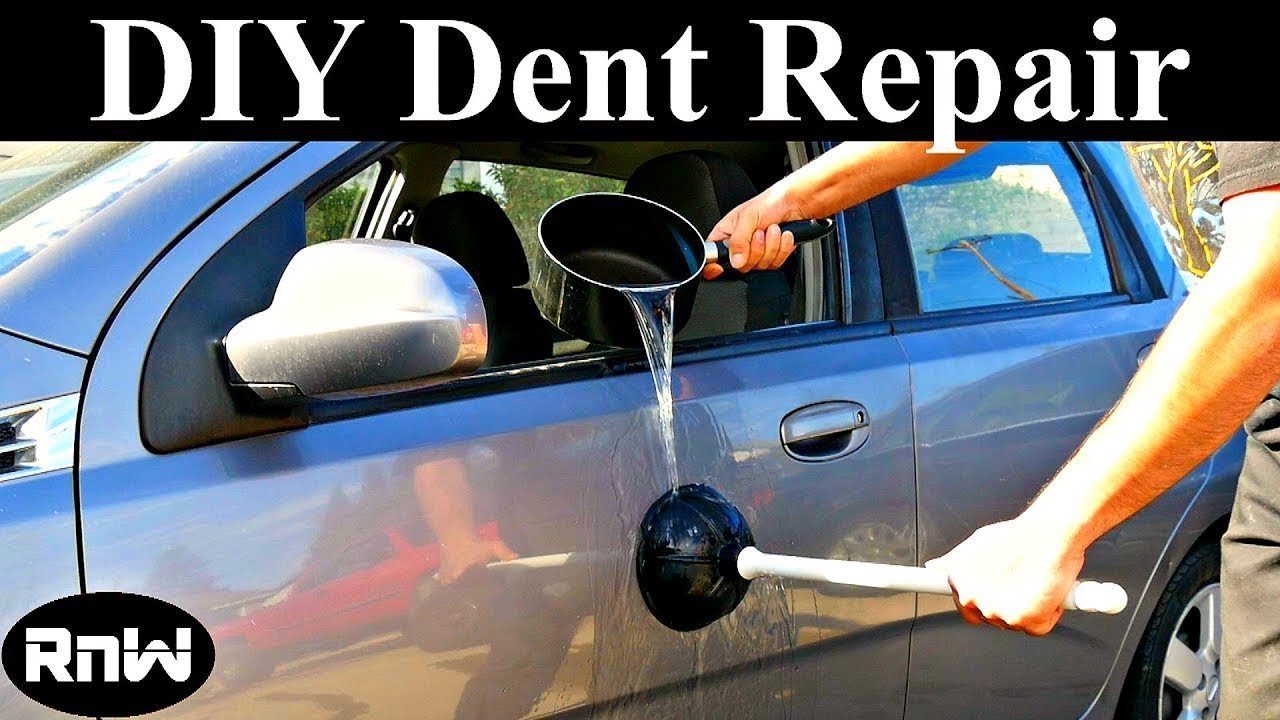
3. Pour Hot Water Over The Dent
Wear your gloves for this step. Carefully pour the hot water directly onto the dented area. Move slowly to avoid splashing yourself or others. The goal is to heat the plastic so it becomes flexible, not to burn the paint.
4. Push The Dent Out From Behind
Quickly, while the panel is still hot and flexible, reach behind the dent and gently push it outward. If your hand won’t fit, use a soft plastic tool wrapped in a cloth. Apply even pressure—don’t punch or press too hard.
If the dent pops out, you’ll hear or feel a small “pop. ”
5. Reapply Hot Water If Needed
Some dents need more than one attempt. If the dent doesn’t fully pop out, pour more hot water and try again. Sometimes, gently massaging the area helps.
6. Cool And Dry
Once the dent is out, pour cold water over the area to help the plastic set back into shape. Dry the panel with a soft towel.
7. Inspect Your Work
Check the area for any remaining dents, paint damage, or new marks. If the dent is smaller but not gone, you can repeat the process once or twice more.
Data: When Does The Hot Water Method Work?
The hot water method has mixed results based on the dent’s type and panel material. Here’s a quick comparison:
| Dent Type | Panel Material | Success Rate | Example |
|---|---|---|---|
| Shallow, round | Plastic | High (60-80%) | Modern bumper dent |
| Deep, sharp | Plastic | Low (10-20%) | Creased bumper dent |
| Any shape | Steel/Aluminum | Very low (0-5%) | Door panel dent |
This table shows why it’s important to check your car’s panel material before starting. The method is most effective on plastic with shallow dents.
Common Mistakes And How To Avoid Them
Even though this method looks simple, beginners often make mistakes. Let’s look at the most common issues and how to avoid them.
Using Boiling Water On Hot Days
On a very sunny day, panels can already be hot. Adding boiling water can overheat the paint, causing discoloration or even peeling. If you try this in summer, let the car cool in the shade first.
Ignoring Paint Condition
If the dented area has scratches or paint chips, hot water might make the paint peel or crack further. Always inspect the paint before you begin.
Using Excessive Force
Pushing too hard from behind can crack the plastic or cause new dents. Use gentle, steady pressure.
Forgetting Safety
Hot water can cause serious burns. Always use gloves, and pour water carefully. Never let children or pets near you when working.
Giving Up Too Soon
Sometimes dents won’t pop out in one try. Be patient and repeat the process two or three times. However, if the dent won’t move after several attempts, it may be too deep or sharp for this method.
Credit: www.callegherie.it
Practical Tips For Better Results
A few simple tricks can improve your chances of success.
- Work quickly: Heat softens plastic for only a short time.
- Use a helper: One person pours water, another pushes the dent.
- Wrap tools in cloth: This protects the paint from scratches.
- Try from both sides: Sometimes pushing and pulling gently from both sides helps.
- Finish with cold water: This helps “lock” the plastic back into place.
Comparing Hot Water With Other Diy Dent Removal Methods
You might wonder if hot water is the best home solution for dents. Here’s a comparison with other popular options:
| Method | Best For | Tools Needed | Success Rate | Risk Level |
|---|---|---|---|---|
| Hot water | Plastic bumpers, shallow dents | Kettle, gloves | 60-80% | Low |
| Hair dryer & air duster | Small plastic or metal dents | Hair dryer, compressed air | 40-60% | Medium |
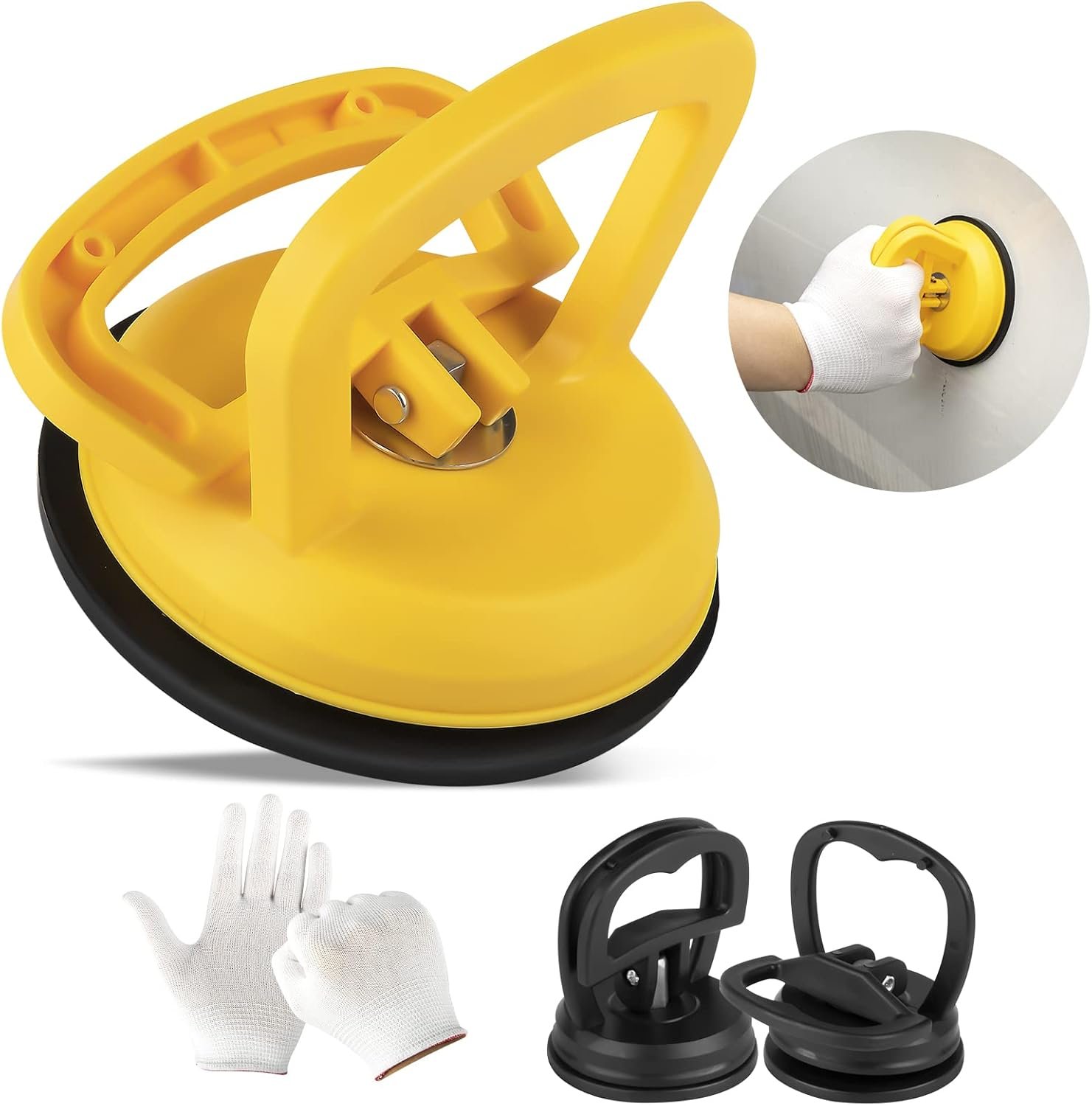
| Suction cup/puller | Large, shallow dents | Suction tool | 50-70% | Low |
| Professional repair | All dent types | Special tools | 95%+ | None |
The hot water method is cheap and low-risk, but not always the most effective. For difficult dents, professional repair is more reliable.
Credit: www.reddit.com
What To Do If The Hot Water Method Fails
Not all dents can be fixed at home. If your dent is still there after several tries, don’t worry. Here’s what you can do:
- Try a suction cup dent puller: These tools are affordable and often work on larger dents.
- Use a hair dryer and compressed air: This method works on some small dents, especially on metal panels.
- Consult a professional: If the dent is deep, sharp, or on a metal panel, a professional repair shop can fix it without damaging your paint.
A non-obvious tip: Sometimes, insurance covers dent repairs, especially if the damage happened in an accident. Check your policy before paying out of pocket.
Real-world Example: Hot Water Method Success Story
Recently, a car owner in Texas used the hot water method on a 2021 Toyota Corolla’s plastic bumper. The dent happened in a parking lot and was about 6 inches wide. He followed the steps above, and after two tries, the dent popped out with no visible damage.
The process took less than 20 minutes and cost nothing except a bit of time and caution.
However, another driver tried this on a metal door panel and saw no change after three attempts. This shows why choosing the right type of dent is critical.
Safety Considerations
Hot water can burn skin in just a few seconds. Always use thick gloves, pour slowly, and keep children and pets away. If boiling water splashes on the paint, quickly rinse with cool water. Never try this method with boiling oil or chemicals—only clean, hot water.
If you notice paint discoloration, stop immediately. Safety should always come first.
Cost And Time Comparison
How Does The Hot Water Method Compare With Professional Repairs?
| Method | Average Cost | Time Needed |
|---|---|---|
| Hot water method | $0–$5 | 15–30 minutes |
| Professional repair | $100–$300 (small dent) | 1–2 hours |
| DIY dent puller | $10–$30 | 20–40 minutes |
If you’re on a budget and the dent is right, the hot water method is worth trying first.
Credit: www.youtube.com
Expert Opinions
Auto body experts agree: the hot water method is a simple, low-cost fix for certain dents, but it’s not a miracle solution. If you value a perfect finish, professional repair is best. For small, shallow dents on plastic, it can save you time and money.
If you want more technical information on how plastic bumpers respond to heat, you can visit this Wikipedia page about car bumpers for further reading.
Frequently Asked Questions
What Kind Of Dents Can Be Fixed With Hot Water?
The hot water method works best on shallow, round dents in plastic panels or bumpers. It is less effective on metal panels or sharp, deep dents.
Will Hot Water Damage My Car’s Paint?
If used correctly, hot water will not damage most modern car paints. However, if the paint is already cracked or the water is poured too quickly, there is a small risk of damage.
How Many Times Can I Try The Hot Water Method?
You can repeat the process two or three times. If the dent does not pop out after several tries, it’s unlikely to work and could risk more damage.
Can I Use This Method On A Metal Car Door?
No, the hot water method does not work on metal panels. It only softens plastic, so dents in metal must be repaired by other methods.
Is It Safe To Do This On My Own?
Yes, if you use protective gloves and pour water carefully. Avoid burns by keeping children and pets away, and never use boiling oil or harsh chemicals.
Trying to fix a car dent at home can be satisfying and save money. The hot water method is an easy, low-risk way to handle small dents in plastic bumpers. Just remember: check the panel material, use safety gear, and don’t expect miracles. If the dent is stubborn or you want a perfect finish, professional help is always a smart choice.