
Car engines are complex, but when something goes wrong, the symptoms can be easy to spot. One common issue drivers face is an engine misfire. You might notice your car shaking, power dropping, or the check engine light coming on. Fixing an engine misfire at home is possible, but it requires patience, some tools, and a step-by-step approach. This guide will walk you through the process, helping you save money and better understand your vehicle.
What Is An Engine Misfire?
An engine misfire happens when one or more cylinders fail to fire correctly. In simple terms, your engine’s rhythm is interrupted. You might feel this as a sudden jerk, rough idle, or even a stalling engine. Misfires can damage your engine over time, so it’s important to fix them quickly.
Common Causes Of Engine Misfire
Understanding why an engine misfires helps you fix the problem efficiently. The most common reasons are:
- Faulty spark plugs: Old or dirty spark plugs can’t ignite fuel properly.
- Ignition coil problems: These deliver voltage to the spark plugs. If they fail, misfires occur.
- Bad spark plug wires: Worn wires can cause weak or no spark.
- Fuel delivery issues: Clogged fuel injectors or filters limit fuel flow.
- Vacuum leaks: Unmetered air entering the engine disrupts the air-fuel mix.
- Low compression: Damaged valves, pistons, or gaskets lower compression.
- Sensor failures: MAF, O2, or crankshaft sensors provide wrong data to the computer.
Tools And Items You’ll Need
Before starting, gather the right tools. This saves time and keeps you safe.
- Socket set and ratchet
- Spark plug wrench
- Screwdrivers (flathead and Phillips)
- Multimeter (for electrical tests)
- Fuel pressure gauge
- OBD-II scanner (to read error codes)
- Replacement spark plugs, wires, or coils if needed
- Rags and gloves
Safety First
Always work on a cool engine. Disconnect the negative battery terminal before touching engine electronics. Wear gloves and eye protection to avoid injury from sharp parts or chemicals.
Step-by-step Guide To Fixing Engine Misfire At Home
1. Scan For Trouble Codes
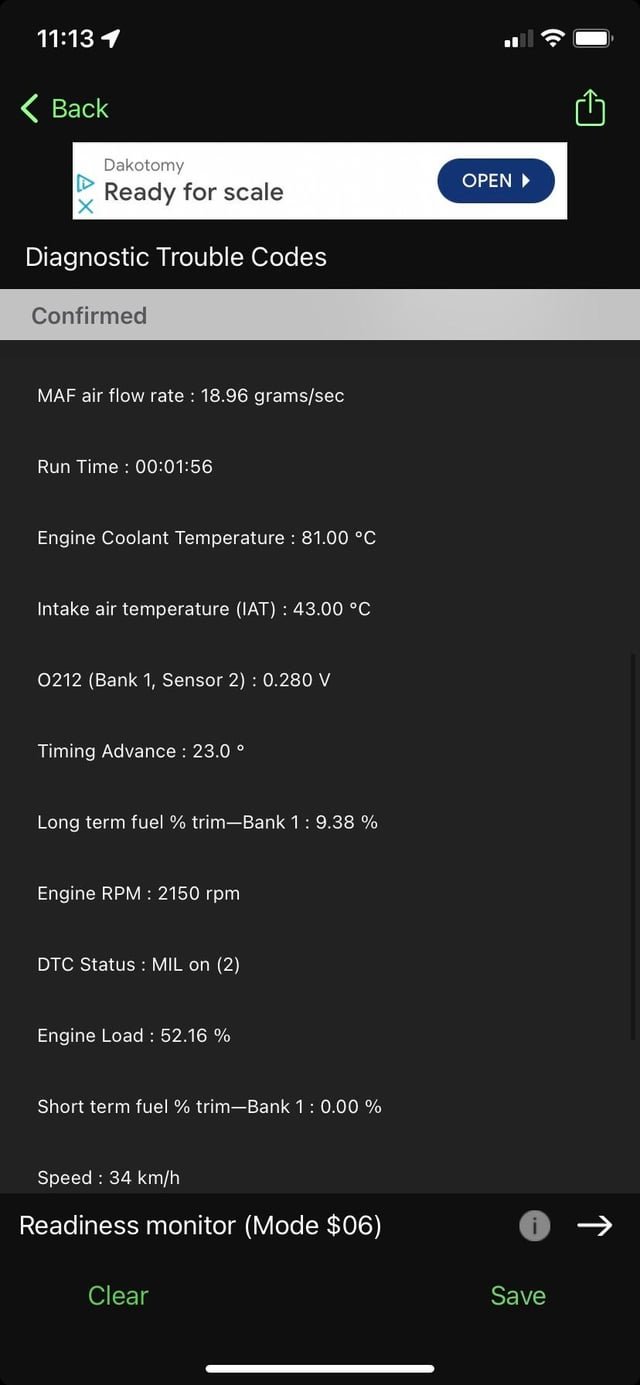
Modern cars (usually 1996 or newer) have an OBD-II port. Plug in your OBD-II scanner, turn the key to “on,” and read the codes. Codes like P0301 or P0302 mean cylinder 1 or 2 is misfiring. This narrows down the problem area.
2. Inspect Spark Plugs
Remove the spark plug from the cylinder mentioned in the code. Look for signs of wear:
- Black, sooty plugs: Running rich (too much fuel)
- White, blistered plugs: Running lean (too much air or overheating)
- Oily plugs: Possible oil leak
Replace any damaged or worn spark plugs with the correct type for your engine.
3. Check Ignition Coils And Wires
If your car uses individual ignition coils, swap the suspected bad coil to another cylinder. Clear the code and drive. If the misfire moves, the coil is bad. For cars with spark plug wires, check for cracks, wear, or burn marks. Replace any faulty wires.
4. Test Fuel Injectors
A clogged or failed fuel injector can cause misfires. Listen to each injector with a mechanic’s stethoscope or long screwdriver pressed to your ear. Each should make a rhythmic ticking sound. If not, it may be clogged or dead. You can also swap injectors between cylinders to see if the misfire follows.
5. Check For Vacuum Leaks
Spray carburetor cleaner or starter fluid around intake gaskets, vacuum hoses, and the base of the throttle body while the engine idles. If the idle changes, you’ve found a leak. Replace any cracked or loose hoses.
6. Test Engine Compression
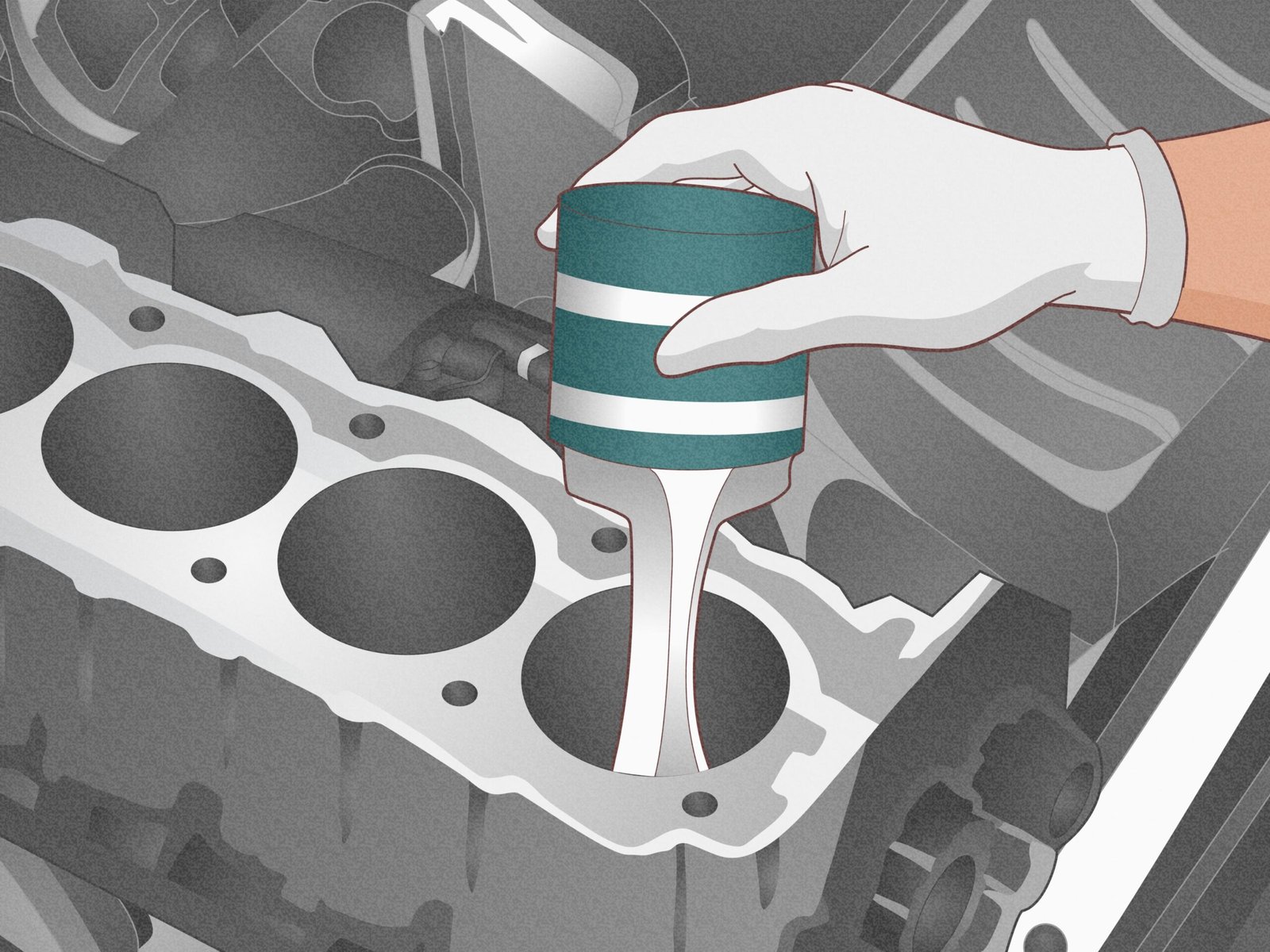
Low compression means air/fuel isn’t being trapped properly. Remove the spark plug, screw in a compression gauge, and crank the engine. Most engines should have 120-180 psi. If numbers are low, you may have bad valves, piston rings, or a head gasket problem.
7. Clean Or Replace Sensors
A dirty MAF (Mass Air Flow) or faulty O2 sensor can confuse the engine computer. Carefully clean the MAF sensor with special cleaner. Replace sensors if they still show error codes after cleaning.
8. Check Fuel Pressure
Attach a fuel pressure gauge to the fuel rail. Compare the reading to your car’s manual. Low pressure points to a weak fuel pump or clogged filter.
9. Address Mechanical Problems
If you find low compression, leaking head gasket, or broken timing components, these are harder fixes. Sometimes, it’s best to get professional help if repairs are beyond basic DIY.
Comparing Misfire Causes And Diy Difficulty
Here’s a quick look at how common misfire causes compare in terms of how easy they are to fix at home:
| Cause | DIY Difficulty | Tools Needed | Estimated Cost |
|---|---|---|---|
| Spark Plugs | Easy | Wrench, socket set | $10-40 |
| Ignition Coils | Moderate | Basic hand tools | $20-150 |
| Fuel Injectors | Moderate | Basic hand tools | $30-100 |
| Vacuum Leaks | Easy | Spray cleaner | $5-15 |
| Compression Issues | Difficult | Compression gauge | $30-60 |
| Sensors | Easy-Moderate | OBD-II scanner, screwdriver | $20-80 |
Credit: www.wikihow.com
Signs That Point To A Misfire
Misfires are not always obvious. Here are signs to watch for:
- Rough idle: Engine shakes when stopped.
- Loss of power: Slow acceleration or stalling.
- Check engine light: Often blinks during severe misfires.
- Unusual exhaust smell: Raw fuel smell from tailpipe.
If you notice any of these, it’s time to take action before bigger problems develop.
Preventing Engine Misfires
You can avoid many misfires with regular care. Here’s how:
- Change spark plugs and wires every 30,000–60,000 miles or as recommended.
- Use good quality fuel to avoid deposits in injectors.
- Check and replace air filters every 12,000–15,000 miles.
- Inspect vacuum lines and hoses for cracks during oil changes.
- Fix oil leaks quickly to prevent fouling plugs.
- Clean sensors with proper cleaners, not harsh chemicals.
- Pay attention to any new sounds or smells.
These steps keep your engine happy and reduce repair costs.
Credit: www.wikihow.com
Extra Tips Most Beginners Miss
- Always replace spark plugs as a set: If one is bad, others are likely close to failing.
- Record which parts you change: This helps with troubleshooting if problems return.
- Don’t ignore small misfires: Even a “small” misfire can damage the catalytic converter, which is expensive to fix.
Real-world Example
A driver notices their check engine light blinking and the car shakes at stoplights. They use an OBD-II scanner, finding code P0302 (cylinder 2 misfire). After pulling the spark plug, they see it’s worn and black. Replacing all spark plugs and clearing the code, the car runs smoothly again.
This is a typical DIY fix that saves a costly mechanic visit.
When To Seek Professional Help
If you’ve tried the above steps and still have a misfire, it may be time for an expert. Some issues like low compression, internal engine damage, or complex wiring faults need special tools and experience.
Here’s a quick summary of when to try DIY and when to call a pro:
| Situation | DIY? | Pro Needed? |
|---|---|---|
| Spark plugs, wires, coils, sensors | Yes | No |
| Vacuum leaks, fuel filter | Yes | No |
| Low compression, head gasket, timing chain | No | Yes |
| Complex electrical/ECU issues | No | Yes |
Cost Of Fixing A Misfire At Home Vs. A Shop
Fixing a misfire at home is usually much cheaper than going to a mechanic. Let’s compare:
| Repair | DIY Cost | Shop Cost | Time Needed |
|---|---|---|---|
| Spark plugs | $10–40 | $100–200 | 1 hour |
| Ignition coils | $20–150 | $120–400 | 1-2 hours |
| Fuel injectors | $30–100 | $150–300 | 2-3 hours |
As you can see, doing repairs yourself can save hundreds of dollars. However, always consider your skill level and safety before starting.
Useful Resources For Diy Car Repair
If you want more details on specific steps, car forums, YouTube, and repair manuals are excellent. The Haynes Manual website offers detailed guides for almost every car model.
Frequently Asked Questions
What Happens If I Ignore An Engine Misfire?
Ignoring a misfire can damage your catalytic converter and engine. It also reduces fuel economy and can cause your car to fail emissions tests.
Can I Drive With A Misfire?
Short trips may be possible, but it’s risky. A misfiring engine can overheat, stall, or break down suddenly.
How Do I Know Which Cylinder Is Misfiring?
Use an OBD-II scanner to read the code. Codes like P0301, P0302, etc., tell you which cylinder has the problem.
Will A Misfire Fix Itself?
No. Most misfires are caused by worn parts or leaks that need fixing. Waiting will often make the problem worse.
What Is The Most Common Cause Of A Misfire?
Worn spark plugs are the most common cause, especially in cars with high mileage or overdue maintenance.
Fixing a car engine misfire at home is within reach for most people with basic tools and some patience. By following these steps, you can restore your car’s smooth running and avoid costly breakdowns. The key is to stay organized, replace worn parts, and not ignore early warning signs.
With care, your car will keep running strong for years to come.
Credit: www.reddit.com