
If your car fuel gauge is not working, it can be stressful and sometimes dangerous. Not knowing how much fuel you have can leave you stranded or damage your engine if you run out unexpectedly. Many drivers face this issue, but fixing it is possible without always going to a mechanic. This guide will show you how to diagnose, repair, and prevent common fuel gauge problems. You’ll learn the steps, tools, and tips needed—even if you don’t have much car repair experience.
A working fuel gauge is important for safety and planning. Ignoring the problem can lead to more expensive repairs later. Let’s explore how a fuel gauge works, the main reasons why it fails, and the best ways to get it working again.
How A Fuel Gauge Works
Before you fix a fuel gauge, it helps to understand how it works. Most cars use an electric system with these main parts:
- Fuel sending unit: This is inside the fuel tank. It measures the fuel level and sends signals to the dashboard.
- Gauge on dashboard: Shows the amount of fuel based on the signal it gets.
- Wiring and connectors: Carry the signal from the tank to the dashboard.
When you fill up or use fuel, the sending unit moves a float arm up or down. This changes the electrical signal sent to the gauge. If any part fails, the reading on your dashboard can be wrong or stuck.
Common Signs Of A Faulty Fuel Gauge
Watch for these signs to know if your fuel gauge is not working correctly:
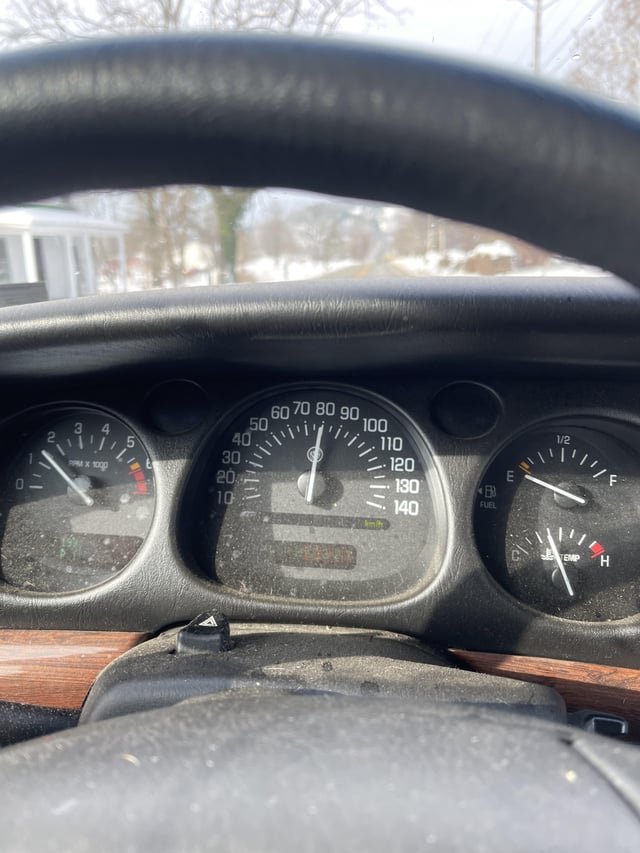
- Stuck on full or empty: The needle does not move, no matter how much you fill or use.
- Fluctuating readings: The needle jumps or moves up and down quickly.
- Gauge not moving at all: It stays in the same place for days.
- Warning light stays on: The low fuel light is always on, even after filling the tank.
If you see any of these, it’s time to check your fuel gauge system.
Main Causes Of A Car Fuel Gauge Not Working
Several problems can stop your fuel gauge from working. Knowing the cause helps you fix it faster:
- Faulty fuel sending unit: This is the most common reason. The float or resistor inside the tank can break or wear out.
- Wiring issues: Loose, broken, or corroded wires can block the signal.
- Bad gauge cluster: The part on your dashboard can fail due to age or electrical problems.
- Blown fuse: A fuse protects the circuit. If it blows, the gauge won’t work.
- Grounding problems: Poor grounding can make the readings wrong or stop the gauge completely.
Each cause has its own signs and fixes, which we’ll cover next.
Tools And Parts You Might Need
To repair a fuel gauge, you may need these:
- Screwdrivers
- Socket set
- Multimeter (for testing electricity)
- Replacement sending unit or gauge
- Electrical tape or connectors
- Owner’s manual (for your car’s wiring diagram)
Having the right tools will save you time and prevent damage.

Credit: thatjuicebar.com
Step-by-step: How To Diagnose And Fix A Car Fuel Gauge
1. Check The Dashboard Fuse
A blown fuse is easy to check and fix.
- Find your car’s fuse box (often under the dashboard or hood).
- Look for the fuel gauge or instrument cluster fuse using the diagram on the cover.
- Pull out the fuse. If the metal strip inside is broken, replace it with the same rating.
Many beginners forget to check fuses. A simple replacement can solve the problem instantly.
2. Inspect The Gauge Cluster
Sometimes the problem is in the dashboard.
- Turn on the ignition and watch the gauge’s needle.
- If none of the gauges work, the cluster could be at fault.
- Tap gently on the dashboard. If the needle moves, there may be a loose connection.
Replacing a gauge cluster is more complex and may require a professional, but checking connections is something you can do at home.
3. Test The Fuel Sending Unit
This is the most common cause of issues.
- Access the fuel tank (some cars have an access panel under the rear seat; others require removing the tank).
- Disconnect the sending unit’s wiring.
- Use a multimeter to check for resistance as you move the float arm up and down.
- No change means the sending unit is faulty and needs replacement.
Remember, working near fuel is dangerous. Always work in a well-ventilated area and avoid sparks or open flames.
4. Examine Wiring And Grounds
Wiring problems can be hard to spot.
- Check all visible wires between the fuel tank and dashboard.
- Look for cuts, corrosion, or loose connectors.
- Clean corroded connections with a wire brush and reattach any loose wires.
- Make sure the ground wire is tightly connected to clean metal.
Many DIYers miss hidden wiring faults. Take your time and check each connection.
5. Replace Faulty Parts
If you find a bad sending unit or gauge, replace it.
- For the sending unit: Remove the old unit from the tank and install the new one. Make sure the float moves freely.
- For the gauge: If the problem is in the dashboard, follow your car’s manual to remove and replace the gauge.
Always double-check part numbers to make sure you buy the correct replacement.
6. Reset The System
Some cars need a reset after repairs.
- Disconnect the car battery for 10–15 minutes.
- Reconnect the battery and turn on the ignition.
- Watch the gauge. If it reads correctly, your fix worked.
If not, repeat your checks or consult a professional.
Comparison: Common Fuel Gauge Faults And Fixes
Understanding which solution fits your problem can save you time and money. Here’s a quick overview:
| Symptom | Likely Cause | Solution |
|---|---|---|
| Gauge stuck on full | Sending unit float stuck | Check/replace sending unit |
| Gauge always empty | Blown fuse or bad ground | Replace fuse, fix ground |
| Fluctuating readings | Wiring issues | Repair/replace wires |
| No movement at all | Bad gauge or wiring | Test/replace gauge or wiring |
Credit: www.reddit.com
Special Cases: Digital Vs. Analog Fuel Gauges
Modern cars use digital displays, while older ones have analog needles. Fixing each can be different.
| Type | Key Features | Repair Difficulty |
|---|---|---|
| Analog Gauge | Needle display, simple wiring | Usually easy |
| Digital Gauge | Screen display, more sensors | More complex |
Digital systems may need special diagnostic tools and are harder for beginners.
Cost Of Repair: What To Expect
Repair costs can vary a lot. Here’s a basic comparison:
| Repair Type | DIY Cost | Professional Cost |
|---|---|---|
| Fuse replacement | $5–$15 | $20–$50 |
| Sending unit | $30–$150 | $200–$500 |
| Gauge cluster | $100–$250 | $300–$800 |
| Wiring repair | $10–$50 | $50–$200 |
Doing it yourself can save money, but only if you’re confident. If you’re unsure, get help from a qualified mechanic.
Non-obvious Tips For Repairing A Fuel Gauge
Many beginners overlook these important points:
- Check for recalls: Sometimes, car makers recall vehicles due to faulty fuel gauges. Check your car’s VIN on the manufacturer’s site for free repairs.
- Test with a full and empty tank: Faults often show only at certain levels. Compare readings when your tank is full and nearly empty.
- Don’t ignore small symptoms: If the gauge moves slowly or sticks sometimes, fix it early. Small problems can get worse.
Safety Precautions
Working around fuel is dangerous. Always:
- Work in a well-ventilated space
- Keep fire extinguishers nearby
- Wear gloves and safety glasses
- Avoid open flames, sparks, or smoking
Safety is more important than speed. Take your time.
Credit: www.youtube.com
When To Call A Professional
Some repairs are best left to experts:
- If you smell strong fuel odors or see leaks
- If the dashboard electronics are also failing
- If you’re not comfortable with car wiring
Professional mechanics have the tools and experience to fix complex problems safely.
Preventing Future Fuel Gauge Problems
To keep your fuel gauge working:
- Keep your tank at least 1/4 full to protect the sending unit from heat
- Use good-quality fuel to avoid sediment build-up
- Service your car regularly and check for warning lights
Prevention saves money and trouble later.
Where To Find More Help
If you want more details, visit Wikipedia: Fuel Gauge for in-depth technical information.
Frequently Asked Questions
Why Does My Fuel Gauge Read Empty When The Tank Is Full?
This often means the sending unit float is stuck or the wiring is disconnected. It can also happen if the fuse is blown. Check the fuse and connections first, then test the sending unit.
Can I Drive With A Faulty Fuel Gauge?
Yes, but it’s risky. You won’t know when you’re about to run out of fuel, which can leave you stranded or damage your fuel pump. Fix the gauge as soon as you can.
How Long Does It Take To Fix A Fuel Gauge?
Simple fixes like fuse replacement take 10–20 minutes. Replacing a sending unit or gauge cluster can take 1–3 hours. If you’re not sure, plan extra time for checking and testing.
Is Fixing A Fuel Gauge Expensive?
It depends on the cause. Fuses are cheap, but a new sending unit or gauge can cost more. Doing it yourself saves money, but professional repairs are safer for complex issues.
What Is The Most Common Cause Of Fuel Gauge Failure?
The fuel sending unit is the most common reason. Over time, the float can get stuck or the resistor can wear out. Wiring problems are also frequent, especially in older cars.
A working fuel gauge gives you peace of mind on the road. By following these steps and tips, you can diagnose and fix most fuel gauge problems yourself. If you’re ever unsure, don’t hesitate to ask a professional for help.