
When you step into your car on a cold morning, you expect the heater to fill the cabin with warm air. But sometimes, the heater only blows cold air—or nothing at all. This problem can be not just uncomfortable but also dangerous if visibility is affected by a foggy windshield.
Fixing a car heater that isn’t blowing hot air can seem overwhelming, but with some guidance, you can often find the cause and solution yourself. In this guide, you’ll learn why this issue happens, how to diagnose it, and steps to fix it, so you can drive comfortably again.
How The Car Heater Works
Before troubleshooting, it helps to know the basics. The car heater uses heat from the engine’s coolant. As the engine runs, coolant absorbs heat and circulates through the heater core—a small radiator inside your dashboard. A fan then blows air over the heater core, sending warm air into the cabin. If something blocks this process, the heater won’t work correctly.
Common Reasons Your Car Heater Isn’t Blowing Hot Air
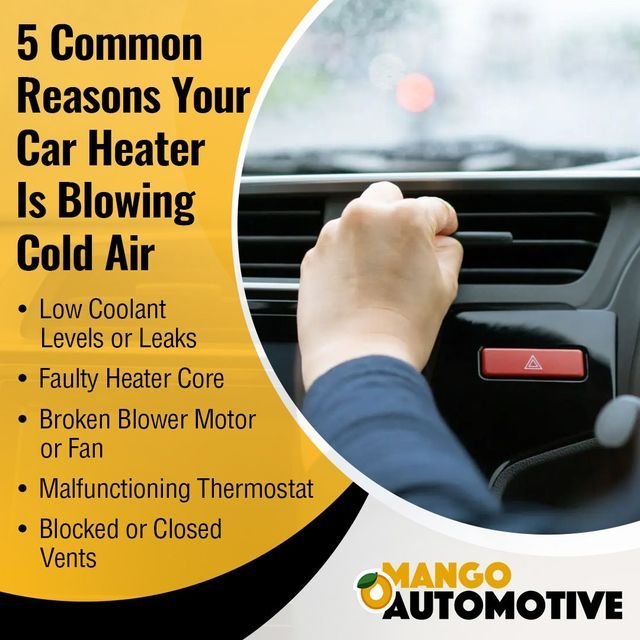
Many drivers believe the heater is a simple system, but several things can go wrong. Here are the most common causes:
- Low coolant level
- Air pockets in the cooling system
- Faulty thermostat
- Clogged heater core
- Malfunctioning heater control valve
- Broken blower fan
- Faulty blend door or actuator
- Blocked or disconnected hoses
- Electrical or fuse issues
- Leaking head gasket
Let’s look at each cause and how to fix them.
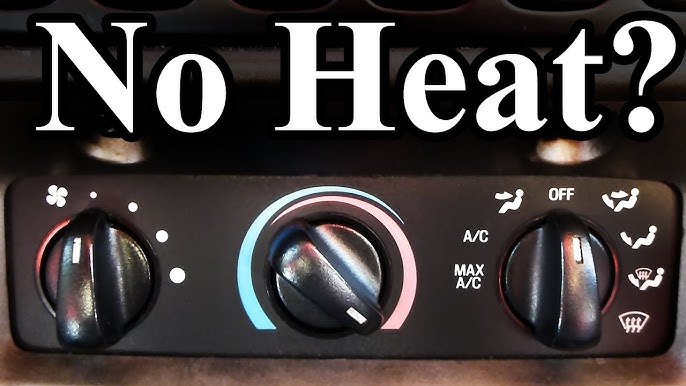
Credit: www.youtube.com
Diagnosing The Problem
1. Check Cabin Airflow
First, notice what happens when you turn on the heater. Does air come out at all? Is it cold or only slightly warm? Weak or no airflow suggests a blower problem, while air that is always cold points toward coolant or control issues.
2. Inspect Coolant Level
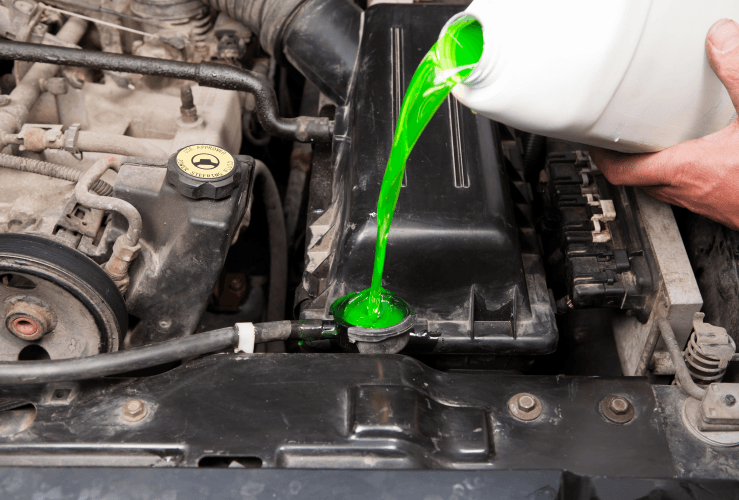
Pop the hood and look at the coolant reservoir when the engine is cool. The fluid should be between the “min” and “max” marks. Low coolant is the most common reason for a heater blowing cold air.
Caution: Never open the radiator cap when the engine is hot—it can spray scalding coolant.
3. Feel The Hoses
With the engine warm, carefully touch the two heater hoses running into the firewall. Both should feel hot. If one is cold, the heater core may be blocked or the valve is stuck.
4. Listen For Unusual Noises
Strange sounds like clicking or whirring from under the dash may signal a blend door actuator problem.
5. Observe The Temperature Gauge
If the gauge stays cold after driving, the thermostat might be stuck open, preventing the engine (and heater) from warming up.
Step-by-step Solutions For Each Problem
Low Coolant Level
The heater can’t blow hot air if there isn’t enough coolant in the system.
How to Fix:
- Let the engine cool completely.
- Open the hood and locate the coolant reservoir.
- Add the correct type of coolant (see owner’s manual) until it reaches the “max” line.
- Check for leaks under the car. If you find a puddle, the system needs repair.
Tip: Don’t just top up; always check why coolant was low. Even small leaks can become big problems.
Air Pockets In The Cooling System
Trapped air prevents hot coolant from reaching the heater core.
How to Fix:
- Park the car on a flat surface.
- With the engine cool, remove the radiator cap.
- Start the engine and let it run. Turn the heater to max.
- Watch for bubbles escaping from the radiator, which means air is coming out.
- Top up the coolant as the level drops.
- Replace the cap once bubbling stops.
Some cars need special steps to “bleed” the system, so check your owner’s manual.
Faulty Thermostat
A stuck-open thermostat keeps the engine too cool for the heater to work.
How to Fix:
- Find the thermostat housing (usually where the upper radiator hose meets the engine).
- Remove the old thermostat (engine must be cold).
- Install a new one, making sure it matches your car’s specs.
- Refill coolant if needed.
Insight: Many people replace thermostats without checking if the engine warms up slowly or not at all, which is a key sign.
Clogged Heater Core
A blocked heater core stops hot coolant from flowing. This is often due to old coolant, rust, or debris.
How to Fix:
- Disconnect both heater hoses from the firewall (engine cool).
- Attach a garden hose to one side and gently flush water through the core.
- Watch for dirty water or debris coming out the other end.
- Reconnect everything and refill coolant.
Warning: Never use high water pressure—it can damage the core.
Malfunctioning Heater Control Valve
Some cars use a valve that opens or closes to let hot coolant into the heater core.
How to Fix:
- Find the valve (usually on a heater hose).
- Have someone change the heater settings while you watch the valve.
- If it doesn’t move, replace it.
Broken Blower Fan
If you hear nothing and feel no air, the blower motor might have failed.
How to Fix:
- Check the fuse box for a blown fuse.
- If the fuse is fine, listen for the fan when changing speeds.
- Test the motor with direct power (if comfortable).
- Replace if it doesn’t work.
Faulty Blend Door Or Actuator
The blend door mixes hot and cold air. If it gets stuck, you’ll get the wrong temperature.
How to Fix:
- Listen for clicking under the dashboard when changing temperature.
- Remove lower dash panels to access the actuator.
- Replace the actuator or manually move the door to test.
Non-obvious insight: Sometimes, a stuck door can be gently freed, but repeated failures mean you need a new actuator.
Blocked Or Disconnected Hoses
Rats or debris can sometimes block hoses, especially in older vehicles.
How to Fix:
- Inspect all heater hoses for blockages, kinks, or disconnections.
- Clear obstructions and reconnect hoses tightly.
Electrical Or Fuse Issues
No heat or fan at all? Electrical faults could be the culprit.
How to Fix:
- Check heater-related fuses in the fuse box.
- Test the heater switch and wiring for continuity.
Leaking Head Gasket
This is rare but serious. A blown gasket can cause coolant loss and heater failure.
How to Fix:
- Look for white smoke from the exhaust or milky oil.
- If suspected, see a mechanic. Head gasket repair is not a DIY job.
Credit: arbetarcentrum.nu
When To See A Mechanic
Some issues—like a leaking head gasket, complex electrical faults, or persistent coolant loss—are best left to professionals. If you try the above steps and still have no heat, or if you notice overheating, engine misfires, or coolant mixing with oil, don’t risk bigger damage.
Schedule a service appointment.
Preventing Heater Problems In The Future
Keeping your heater working isn’t just about fixing problems. Preventive care is key.
- Change coolant regularly: Old coolant leads to clogs and rust.
- Inspect hoses: Check for leaks, cracks, and soft spots every oil change.
- Run the heater briefly in summer: This keeps the system in good shape.
- Fix leaks quickly: Even small drips can cause air pockets or damage.
- Flush the heater core every few years: Especially in older cars or if you use hard water.
Credit: www.startrescue.co.uk
Real-world Example
Imagine your car starts blowing cold air on a snowy morning. You check the coolant and find it’s low. After topping it up, you have heat again—but a week later, the problem returns. This suggests a leak. Looking closer, you spot a crusty white spot on a hose clamp.
Replacing the hose solves the problem for good.
Many drivers just keep refilling coolant, not realizing a slow leak can cause engine overheating and expensive repairs later. Always look for the root cause, not just the symptom.
Common Mistakes People Make
- Ignoring coolant type: Mixing different coolants can cause sludge.
- Forgetting to bleed air: After any coolant work, air must be removed for proper flow.
- Overlooking cabin air filter: A clogged filter can reduce airflow, making the heater less effective.
- Using stop-leak products: These may clog the heater core and cause bigger problems later.
Heater Repair Cost Comparison
Here’s how typical repair costs compare for common heater problems:
| Problem | DIY Cost | Shop Cost |
|---|---|---|
| Thermostat replacement | $20–$60 | $150–$300 |
| Heater core flush | $0–$30 | $100–$250 |
| Blower motor replacement | $40–$100 | $200–$400 |
| Heater control valve | $20–$70 | $100–$200 |
Heater Core Vs. Radiator: What’s The Difference?
Many people confuse the heater core and radiator. Here’s a quick comparison:
| Feature | Heater Core | Radiator |
|---|---|---|
| Location | Inside dash | Front of engine bay |
| Main purpose | Heats cabin air | Cools engine |
| Size | Small | Large |
Quick Troubleshooting Checklist
If you’re in a rush, run through these checks:
- Is the coolant level low?
- Does the engine warm up as usual?
- Is the blower fan working?
- Do you hear strange noises under the dash?
- Are both heater hoses hot?
- Any signs of leaks or wet carpets?
Fixing a car heater is about patience and step-by-step checks. Rushing or guessing rarely helps.
Where To Learn More
Want to explore more about how heating and cooling systems work? Check out this detailed overview on Automobile Air Conditioning.
Frequently Asked Questions
Why Does My Car Heater Blow Cold Air Only When Idling?
This usually means coolant isn’t circulating well at low speeds. Possible causes are low coolant, a failing water pump, or a partially clogged heater core.
Can A Bad Thermostat Affect My Heater?
Yes. A thermostat stuck open keeps the engine from reaching full temperature, so the heater blows lukewarm or cold air.
How Often Should I Change My Car’s Coolant?
Most cars need new coolant every 2–5 years or 30,000–60,000 miles. Check your owner’s manual for exact intervals.
Why Does My Heater Smell Sweet Or Musty?
A sweet smell often means a coolant leak (possibly from the heater core), while a musty odor suggests mold in the air system or a clogged cabin filter.
Is It Safe To Drive With No Heat?
You can drive, but it’s uncomfortable and risky if defrosting fails. Lack of heat may also signal engine problems, so don’t ignore it for long.
A working heater keeps you comfortable and safe. With the steps above, you can diagnose and fix most problems, or know when it’s time to call a mechanic. Stay warm and drive safe!