
A leaking oil pan gasket is one of those car problems that drivers often ignore, but it can quickly become serious. Over time, oil leaks can lead to low oil levels, engine damage, and a messy driveway. The good news is that you can fix a car oil pan gasket leak yourself with the right tools, patience, and some basic car knowledge.
This guide will walk you through everything you need to know to diagnose, prepare for, and fix an oil pan gasket leak at home.
Understanding The Oil Pan Gasket Leak
An oil pan gasket is a sealing material placed between the oil pan and the bottom of the engine block. Its job is to keep engine oil inside the pan as the engine runs. Over years of heat, pressure, and vibration, the gasket can become brittle or cracked. When that happens, oil starts to seep out.
Common signs of an oil pan gasket leak:
- Puddles or spots of oil under your car, especially after parking overnight
- A burning oil smell if oil drips onto hot engine parts
- Low engine oil level warning on the dashboard
- Visible oil around the oil pan edges
Ignoring these signs can lead to bigger, costlier engine issues. Fixing the leak early keeps your engine safe and saves money.
Safety First: Preparing For The Job
Before you start, safety is the top priority. You’ll be working under your car, handling tools, and dealing with oil. Take time to prepare your workspace and gather the right equipment.
You’ll need:
- A car jack and sturdy jack stands (never rely on a jack alone)
- Wheel chocks to prevent rolling
- Nitrile gloves and safety glasses
- Oil catch pan
- Rags or disposable shop towels
Check that your workspace is flat, well-lit, and has good ventilation. If you’re working in a garage, keep the door open. Ensure your car is completely cooled down before starting—hot oil can burn you.
Credit: www.pelicanparts.com
Tools And Materials Required
Having the correct tools will make the job smoother and reduce frustration. Here’s a list of what you’ll need for most vehicles:
- Socket set (metric and standard sizes)
- Torque wrench
- Screwdrivers (flathead and Phillips)
- Gasket scraper or plastic razor blade
- New oil pan gasket (buy the correct one for your car make/model)
- Replacement engine oil and oil filter
- Gasket sealant (if recommended by your car’s manual)
- Brake cleaner or degreaser
Not all oil pan gaskets are the same. Some are rubber, some are cork, and others are a combination. Always check your owner’s manual or parts database for the exact type.
How To Fix Car Oil Pan Gasket Leak: Step-by-step Guide
Fixing an oil pan gasket leak is not a quick 30-minute job. For most people, it will take 2–4 hours, depending on your car and experience. Here’s how you can do it yourself.
1. Lift And Secure The Car
- Park on a level surface and engage the parking brake.
- Place wheel chocks behind the rear wheels.
- Use the car jack to lift the front end high enough for you to slide under comfortably.
- Carefully position the jack stands under the car’s frame, not the oil pan.
- Lower the car onto the stands and give it a gentle shake to check stability.
Pro tip: Always keep a charged phone within reach in case you need help.
2. Drain The Engine Oil
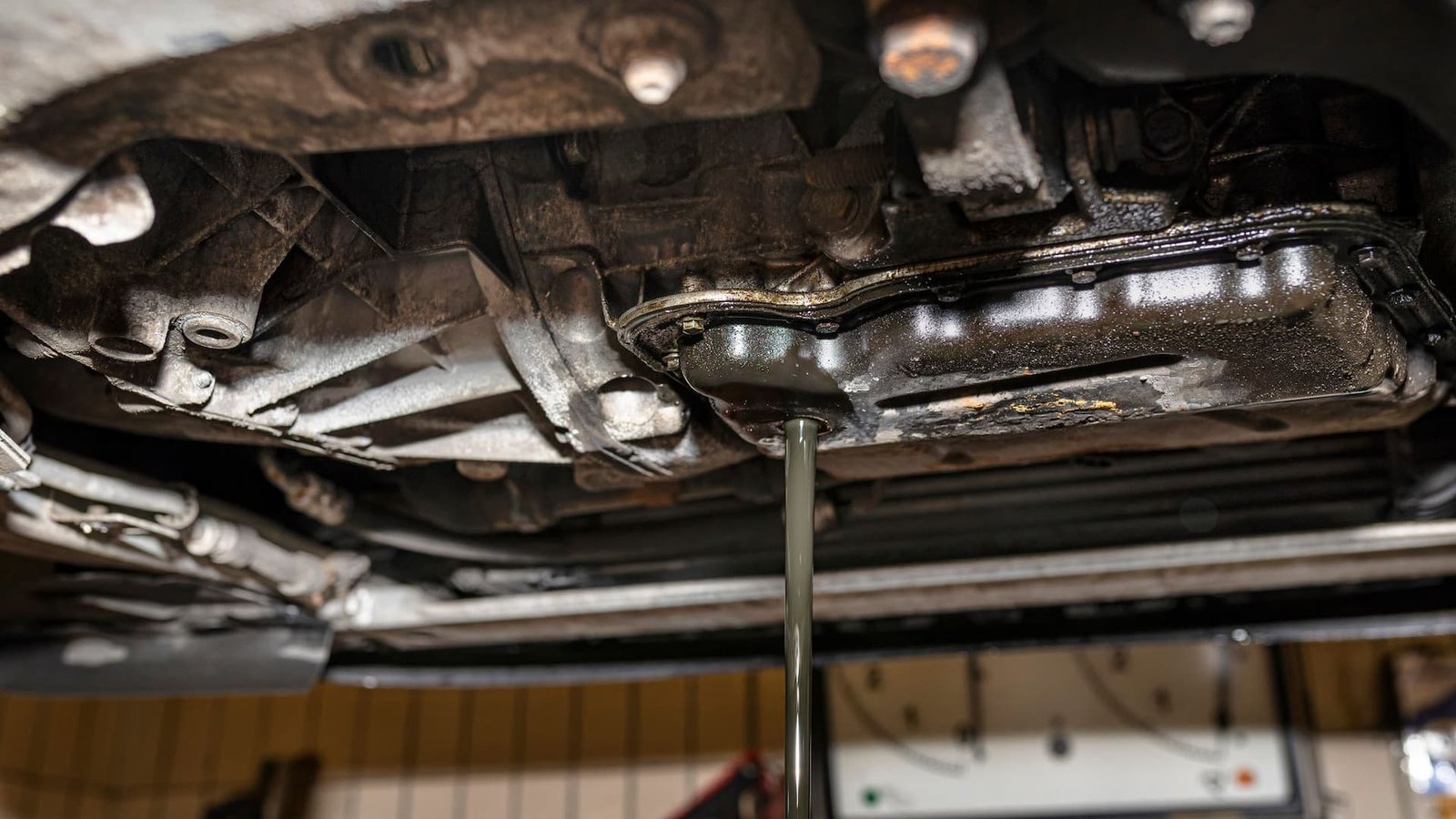
- Position the oil catch pan under the oil pan drain plug.
- Using the correct socket, loosen and remove the drain plug.
- Allow all oil to drain out—this can take several minutes.
- Replace the drain plug temporarily (do not tighten fully yet).
Used oil is toxic and must be disposed of at a recycling facility—never pour it down the drain.
3. Remove Obstructions
On some cars, you may need to remove parts to access the oil pan, such as:
- Splash guards or underbody covers
- Exhaust pipes (in some layouts)
- Starter motor (rare, but possible)
Take photos before removing anything. Keep bolts and small parts in a tray so you don’t lose them.
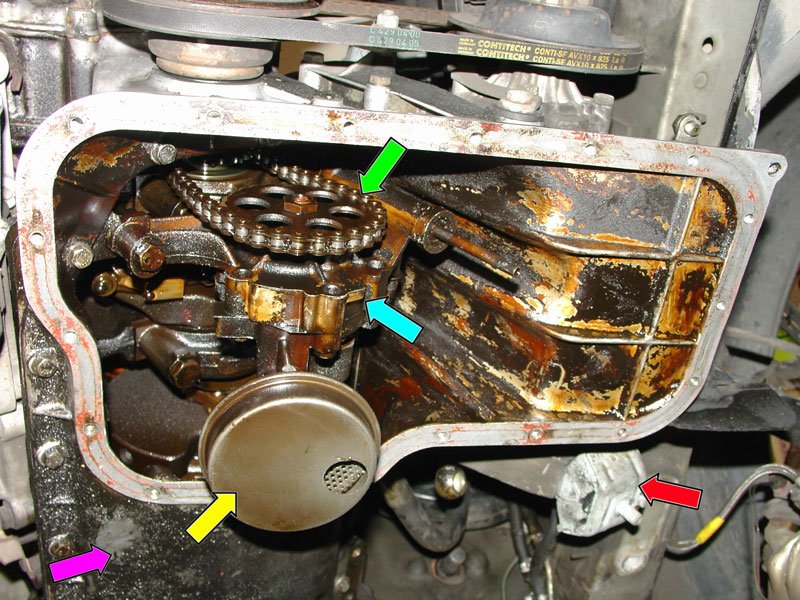
4. Unbolt And Remove The Oil Pan
- Using the socket set, remove all the bolts around the oil pan edges.
- Gently tap the sides of the oil pan with a rubber mallet if it’s stuck, but never pry against the engine block.
- Lower the oil pan carefully—there may still be a small amount of oil left.
Hidden tip: Some oil pans have hidden bolts or clips. Check all around before forcing the pan off.
5. Remove The Old Gasket And Clean Surfaces
- Peel off the old gasket from both the oil pan and the engine block.
- Use a gasket scraper or plastic blade to remove any leftover material. Do not gouge the metal.
- Clean both surfaces with brake cleaner or degreaser. Wipe until dry and free of oil residue.
A clean surface is critical. Even a small piece of old gasket or oil residue can cause a new leak.
6. Install The New Gasket
- Position the new gasket on the oil pan. Some gaskets require a small amount of gasket sealant—check your manual.
- Align the holes so the gasket fits perfectly.
- If using sealant, apply a thin, even bead. Too much can squeeze into the engine.
Some new gaskets come with adhesive strips to hold them in place during installation.
7. Reattach The Oil Pan
- Carefully line up the oil pan and press it against the engine block.
- Insert the bolts by hand to avoid cross-threading.
- Tighten the bolts in a criss-cross pattern. This ensures even pressure on the gasket.
Refer to your car’s manual for the correct torque specification. Over-tightening can crush the gasket, causing leaks.
8. Reinstall Removed Parts
- Reattach any exhaust pipes, splash shields, or other components removed earlier.
- Double-check that all bolts are tight and nothing is left loose.
9. Add New Engine Oil And Filter
- Remove the old oil filter and replace it with a new one.
- Pour in the recommended amount and type of new engine oil.
- Reinstall and tighten the drain plug fully.
Check your manual for oil capacity and type—using the wrong oil can harm your engine.
10. Start The Engine And Check For Leaks
- Start the engine and let it idle for a few minutes.
- Look under the car for any signs of fresh oil drips.
- Turn off the engine and check the oil level. Top off if needed.
Take a short test drive, then check under the car and around the oil pan again.
Table: Common Oil Pan Gasket Materials
Understanding the type of oil pan gasket your car uses can help you choose the right replacement.
| Gasket Material | Durability | Typical Lifespan | Notes |
|---|---|---|---|
| Rubber | High | 7–10 years | Easy to install; resists leaks well |
| Cork | Medium | 5–8 years | Affordable; can dry out and crack |
| Liquid/Silicone | Very High | 10+ years | Forms strong seal; requires careful application |
What Can Go Wrong? Common Diy Mistakes
Even careful DIYers can make errors. Here are some common mistakes and how to avoid them:
- Not cleaning surfaces fully. Even a small bit of old gasket or oil can cause leaks.
- Using too much sealant. Extra sealant can squeeze into the engine and block oil passages.
- Over-tightening bolts. This can distort the oil pan and gasket, leading to leaks.
- Forgetting to reinstall components. Always double-check your work.
- Not replacing the oil filter. Old filters may be clogged or dirty.
If you’re unsure about a step, consult your car’s repair manual or search for a video tutorial specific to your make and model.
Table: Diy Vs. Professional Oil Pan Gasket Repair
Curious about how DIY compares with a shop repair? Here’s a quick breakdown.
| Factor | DIY | Professional |
|---|---|---|
| Cost | $30–$120 (parts only) | $300–$600 (parts & labor) |
| Time | 2–4 hours | 1–3 hours |
| Skill Needed | Moderate | None required |
| Satisfaction | High (if successful) | Guaranteed (warranty) |
Extra Tips For A Leak-free Repair
- Take pictures as you go. This helps you remember bolt locations and reassembly steps.
- Label bolts if there are different lengths or types.
- Use a torque wrench. Tightening bolts to the correct specification is key for a lasting seal.
- Check for other leaks. Sometimes, valve cover gaskets or rear main seals can also leak oil—inspect them while you’re under the car.
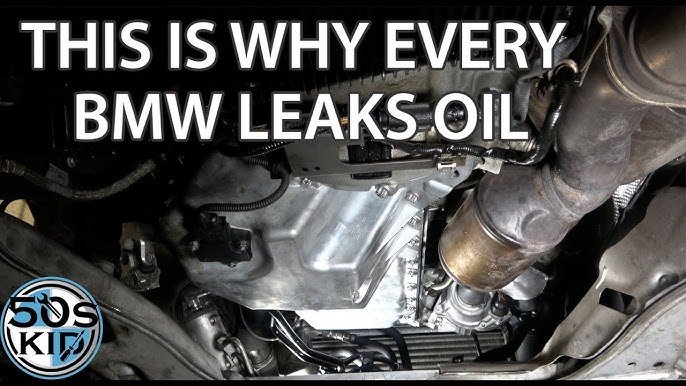
One detail many beginners miss: Sometimes, a leak that looks like it comes from the oil pan is actually from above (like the valve cover). Oil travels down and collects on the pan. Clean the area, then recheck to confirm the true leak source.
Credit: www.youtube.com
Table: Signs Of A Failing Oil Pan Gasket Vs. Other Leaks
It’s easy to confuse oil pan gasket leaks with other engine oil leaks. Here’s how to tell the difference.
| Leak Location | Possible Source | How to Confirm |
|---|---|---|
| Bottom of oil pan | Oil pan gasket | Inspect around pan edge for wetness |
| Front of engine | Timing cover, crank seal | Oil higher up, not just at pan |
| Back of engine | Rear main seal | Oil at bellhousing or transmission |
| Top of engine | Valve cover gasket | Oil running down engine sides |
When To Call A Mechanic
Not every oil pan gasket leak is a good DIY project. If you see these signs, consider getting professional help:
- The oil pan is hard to access (blocked by suspension or exhaust parts)
- Bolts are rusted or stripped
- You lack the right tools or a safe workspace
- You feel unsure about any step
Professional mechanics have lifts and experience to handle tough jobs safely. If you decide to take your car to a shop, choose one with good reviews and clear pricing. For more on oil leak repairs, you can visit Wikipedia.
Credit: www.autonationmobileservice.com
Frequently Asked Questions
How Long Does It Take To Fix An Oil Pan Gasket Leak?
For most DIYers, expect 2–4 hours, depending on your car’s design and your experience. Some cars with complex exhaust or suspension parts may take longer.
Can I Drive With An Oil Pan Gasket Leak?
It’s risky. Small leaks can turn into big ones quickly, and low oil can damage your engine. If you must drive, check and top off oil often until the leak is fixed.
Is Gasket Sealant Always Needed?
Not always. Some gaskets are designed to be installed dry. Others may require a thin bead of sealant. Always check your car’s service manual for instructions.
How Do I Know If The Leak Is Really From The Oil Pan Gasket?
Clean the engine and oil pan, then check for fresh oil after a short drive. If the oil appears around the pan edge, the gasket is likely the cause. Oil higher up may mean another gasket is leaking.
What Happens If I Over-tighten The Oil Pan Bolts?
Over-tightening can crush or deform the gasket, leading to leaks or even damaging the oil pan. Use a torque wrench and follow the specifications in your car’s manual.
Fixing an oil pan gasket leak yourself can be satisfying and save you hundreds of dollars. With patience and careful work, you can restore your car’s oil-tight seal and keep your engine healthy for years to come.