
A car radiator is a crucial part of the engine’s cooling system. It helps keep your engine at the right temperature and prevents overheating. In many cars, the radiator tank is made of plastic. Over time, these plastic tanks can crack or develop leaks. A leaking radiator can lead to engine overheating, expensive repairs, or even engine failure. But the good news is: you can often fix a plastic radiator tank leak yourself with the right tools and knowledge.
This article will guide you step-by-step on how to fix a car radiator plastic tank leak. You’ll learn how to find the leak, choose the best repair method, and perform the fix safely. We’ll also discuss when a DIY repair is possible and when it’s better to get professional help. By the end, you’ll have a clear understanding of the process and the confidence to tackle this common car problem.
Understanding Car Radiator Plastic Tank Leaks
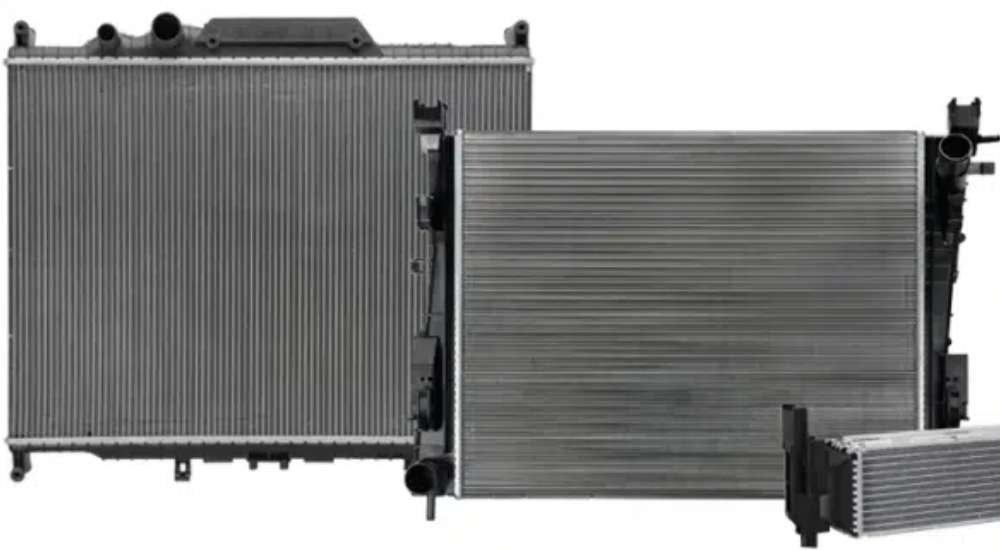
Most modern car radiators have plastic end tanks attached to an aluminum core. These plastic tanks are lighter and cheaper to make than metal, but they’re also more likely to crack or split, especially as they age. Common causes of leaks include:
- Overheating: Repeated overheating can weaken the plastic.
- Vibration: Constant engine vibration may cause small cracks.
- Coolant pressure: High pressure from a faulty radiator cap can stress the tank.
- Aging plastic: Sunlight, heat, and chemicals break down the plastic over years.
- Physical damage: Impacts from accidents or road debris can crack the tank.
A leak may start small—a few drips under your car—but even a tiny crack can get worse quickly. Ignoring a radiator leak is risky. Low coolant can cause your engine to overheat, warp the cylinder head, or damage the head gasket.
Signs Of A Plastic Radiator Tank Leak
You don’t need to be a mechanic to spot a radiator leak. Here are the main signs:
- Coolant puddle: Bright green, yellow, pink, or orange liquid under the front of your car.
- Low coolant warning: Dashboard alert or dropping coolant level in the reservoir.
- Steam: Steam from under the hood, especially after a drive.
- Sweet smell: Coolant has a sweet, syrupy smell.
- Engine running hot: Temperature gauge rising higher than normal.
If you notice any of these signs, check your radiator as soon as possible.
Safety First: What To Do Before Starting
Fixing a radiator leak means working with hot fluids and pressurized parts. To stay safe:
- Let the engine cool: Never open the radiator cap when the engine is hot. Wait at least 30–60 minutes after driving.
- Wear gloves and eye protection: Coolant is toxic and can irritate skin and eyes.
- Work in a well-ventilated area: Coolant fumes can be harmful.
- Keep pets and children away: Even small amounts of spilled coolant can be deadly if ingested.
How To Find The Leak In A Plastic Radiator Tank
Before you can fix the leak, you need to find exactly where it’s coming from. Here’s how:
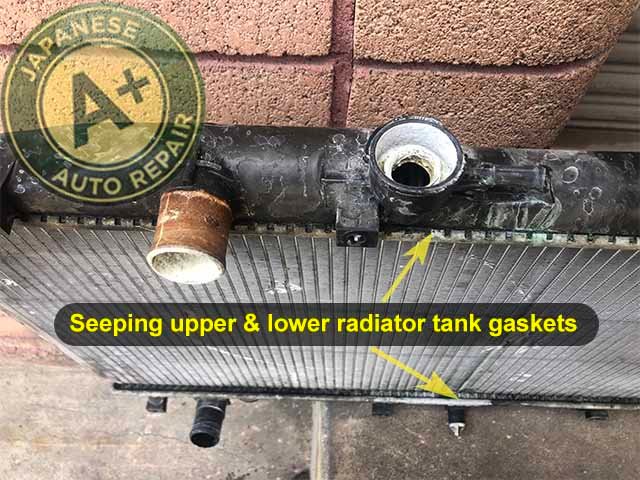
- Look for visible cracks or wet spots: Use a flashlight to inspect the plastic tanks on both ends of the radiator.
- Check under the car: Notice where the coolant drips are forming.
- Wipe the area clean: Dry the suspected area and watch for new leaks.
- Pressure test: If you have access to a radiator pressure tester, you can pump up the system (when cold) and watch for leaks.
Small cracks are sometimes hard to see. If you can’t find the leak, add a little coolant dye and use a UV light—this makes leaks glow so you can spot them easily.
Credit: aplusjapaneseautorepair.com
Choosing The Right Repair Method
There are several ways to fix a car radiator plastic tank leak. The best method depends on the size and location of the crack, your skill level, and the tools you have. Here’s a comparison of the main options:
| Repair Method | Best For | Lasts How Long? | Tools Needed |
|---|---|---|---|
| Epoxy Repair Kit | Small cracks, easy access | 6–18 months | Epoxy kit, sandpaper |
| Soldering/Welding | Medium cracks, strong fix | 1+ years | Plastic welder or soldering iron |
| Plastic Tank Replacement | Large cracks, severe leaks | 5–10 years | Basic tools, new tank |
| Radiator Stop Leak Additive | Tiny leaks, emergency use | Days–weeks | Additive only |
Most DIYers use epoxy repair kits for small leaks, since they’re simple and effective. Plastic welding is stronger but needs special tools. Replacing the tank is the most permanent fix if the damage is large.
Step-by-step: Fixing A Plastic Radiator Tank Leak With Epoxy
Epoxy is a strong glue that can seal cracks in plastic radiator tanks. Here’s how to use it:
1. Prepare The Area
- Drain the coolant: Open the drain plug at the bottom of the radiator and let the coolant flow into a container. This prevents spills when working.
- Clean the surface: Use sandpaper (80–120 grit) to rough up the cracked area. This helps the epoxy stick.
- Remove grease and dirt: Wipe the area with a clean rag and alcohol or brake cleaner.
2. Mix And Apply Epoxy
- Read the instructions: Every epoxy kit is a bit different. Follow the package steps.
- Mix the epoxy: Usually, you combine two components.
- Apply generously: Use a small putty knife or a stick to spread the epoxy over the crack. Cover at least 1 inch (2–3 cm) beyond the crack on all sides.
- Build layers: For wide cracks, apply a second layer after the first starts to set.
3. Let It Cure
- Wait the recommended time: Most epoxies need 1–2 hours to harden, but full strength can take 24 hours.
- Keep it dry: Don’t refill the radiator until the epoxy is fully cured.
4. Refill Coolant And Test
- Check the repair: After the epoxy is cured, refill the system with coolant.
- Run the engine: Let the engine warm up and watch for leaks.
- Top up as needed: If the level drops, add more coolant.
How To Fix The Leak With Plastic Welding
Plastic welding is a more advanced fix. It melts the plastic back together, creating a strong bond. You’ll need a plastic welder or a heavy-duty soldering iron.
How Plastic Welding Works
- Heat the cracked area until the plastic softens.
- Push the edges together and melt a plastic rod (included in kits) into the crack.
- Let it cool to form a solid, leak-proof repair.
Plastic welding is best for longer cracks or when epoxy has failed. It takes practice to get a clean, strong weld. If you’re new to this, try on a scrap piece of plastic first.
Temporary Fix: Using A Radiator Stop Leak Additive
Sometimes you need a quick fix to get home or to a mechanic. Radiator stop leak additives can seal tiny cracks from the inside. Here’s how they work:
- Pour the additive into the radiator or coolant reservoir.
- The chemicals react with air at the crack and harden, blocking the leak.
Warning: These additives are only for very small leaks and are not a permanent solution. They can sometimes clog heater cores or sensors, so use them only in emergencies.
When To Replace The Plastic Radiator Tank
Not all leaks can be fixed with epoxy or welding. Consider a replacement if:
- The crack is longer than 2 inches (5 cm)
- The plastic is crumbling or brittle
- The leak returns after a repair
- The tank has melted or is badly warped
You can buy a new plastic tank for most radiators. Replacement may cost $40–$100 for the part, plus labor if you hire a mechanic.
Here’s a quick look at repair vs replacement:
| Factor | Repair | Replacement |
|---|---|---|
| Cost | $10–$30 | $40–$200 |
| Time Needed | 1–2 hours | 2–4 hours |
| Skill Level | Basic DIY | Advanced DIY/Professional |
| Durability | Months–1 year | 5–10 years |
If you’re not comfortable removing the radiator, it’s best to let a professional do the replacement.
Common Mistakes When Fixing Radiator Plastic Tank Leaks
Even experienced DIYers make mistakes. Here are some to avoid:
- Not cleaning the area: Epoxy or welds won’t stick to dirty or oily plastic.
- Skipping the cure time: If you add coolant too soon, the repair can fail.
- Using the wrong epoxy: Only use products rated for high temperatures and coolant exposure.
- Ignoring system pressure: If your radiator cap is bad, pressure will cause new leaks.
- Overusing stop leak additives: Too much can block heater cores and cause more problems.
Credit: natrad.com.au
Extra Tips For A Lasting Repair
- Replace old hoses and the radiator cap: Weak hoses or a faulty cap can cause leaks to return.
- Check coolant type: Always refill with the correct coolant for your car—mixing types can damage seals.
- Monitor temperature: After a repair, keep an eye on your engine temperature for a few days.
- Practice on scrap plastic: If you’re new to plastic welding, practice before working on your radiator.
When To Get Professional Help
DIY repairs are great for small leaks, but there are times when you should let a pro handle it:
- You see coolant mixing with oil (milky oil or white sludge)
- The radiator is leaking from the core, not the plastic tank
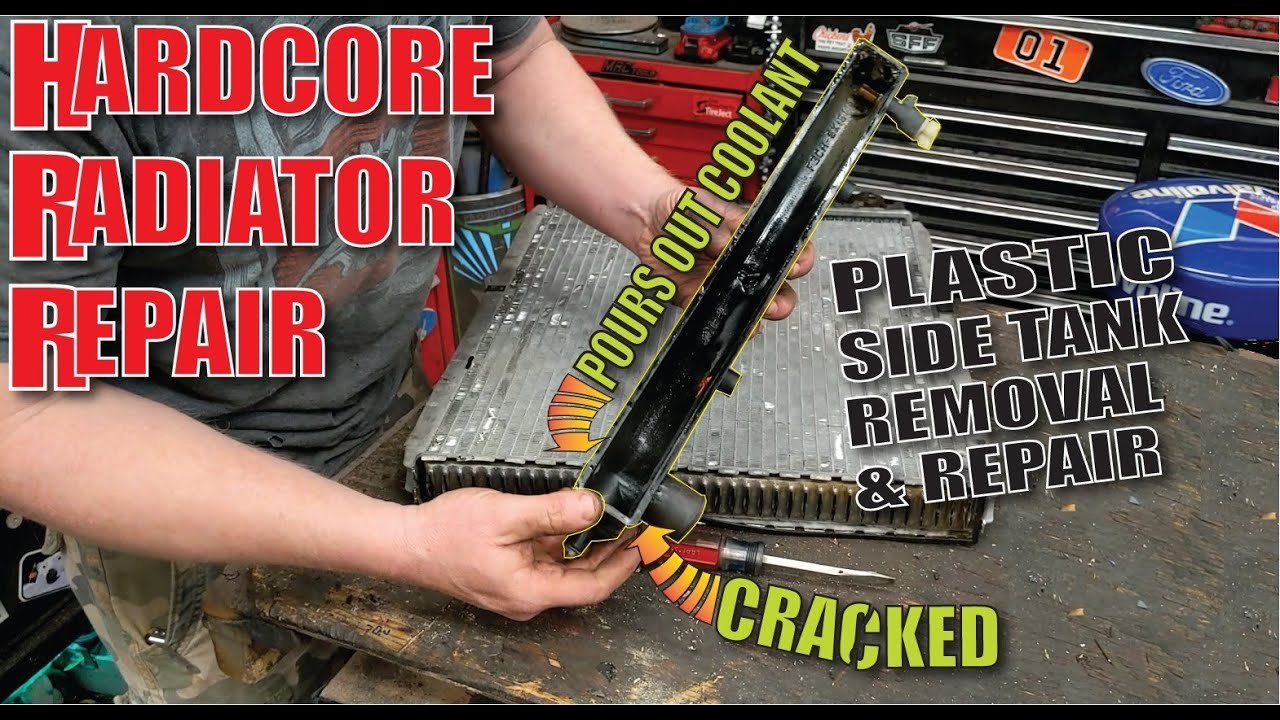
- The leak is large or the tank is falling apart
- You’re not comfortable working with car cooling systems
A professional mechanic can pressure test, diagnose, and repair or replace the radiator safely.
Credit: www.youtube.com
Environmental Tips: Dispose Of Coolant Properly
Coolant is poisonous and bad for the environment. Never pour it down the drain or on the ground. Take old coolant to a recycling center or auto parts store that accepts it. Clean up spills right away with rags and water.
Cost Comparison: Diy Vs Professional Radiator Leak Repair
Understanding the cost difference can help you decide which method is best for your situation:
| Method | DIY Cost | Professional Cost |
|---|---|---|
| Epoxy Repair | $10–$30 | $80–$150 |
| Plastic Tank Replacement | $40–$100 | $200–$400 |
| Full Radiator Replacement | $100–$300 | $400–$900 |
DIY is much cheaper, but only if you’re confident and the leak is minor.
Frequently Asked Questions
How Long Will An Epoxy Repair Last On A Plastic Radiator Tank?
An epoxy repair can last between 6 months and 2 years, depending on the size of the crack, how well the surface was prepared, and the quality of the epoxy. For best results, always follow the instructions and allow full curing time.
Can I Drive My Car With A Radiator Leak?
Driving with a radiator leak is not safe. Even a small leak can quickly cause the coolant level to drop, leading to engine overheating. If you must drive, top up the coolant and keep a close eye on the temperature gauge.
What Is The Best Epoxy For Plastic Radiator Tanks?
Look for a high-temperature, waterproof epoxy that is rated for automotive use. Popular brands include J-B Weld PlasticWeld and Permatex Plastic Tank Repair Kit. Always check the label to make sure it works with coolant and withstands at least 250°F (120°C).
Is Radiator Stop Leak Safe To Use?
Radiator stop leak additives are safe for temporary, emergency use on tiny leaks. However, they can sometimes clog small passages in the cooling system if overused. Always follow the instructions and plan for a permanent repair soon.
Where Can I Find More Information About Car Cooling Systems?
For a deeper technical look at car radiators and cooling system maintenance, see the Wikipedia page on engine radiators.
Fixing a car radiator plastic tank leak is a valuable skill that can save you money and keep your car running smoothly. With the right approach and care, you can handle most small leaks yourself and avoid bigger problems down the road.