
Hearing a rattling noise from under your car can be unsettling. You might worry if it’s a small problem or a sign of something serious. Many drivers ignore these sounds, hoping they will go away. But ignoring a rattling noise under the car can lead to bigger, more expensive repairs. Understanding the causes, knowing what to check, and learning how to fix these noises can save you money and keep your car safer on the road.
This guide will walk you through everything you need to know about diagnosing and fixing car rattling noises coming from underneath. You’ll find practical advice, simple steps, and insights that even many car owners miss. With the right approach, most rattling noises can be identified and resolved without stress.
Why Cars Rattle Underneath
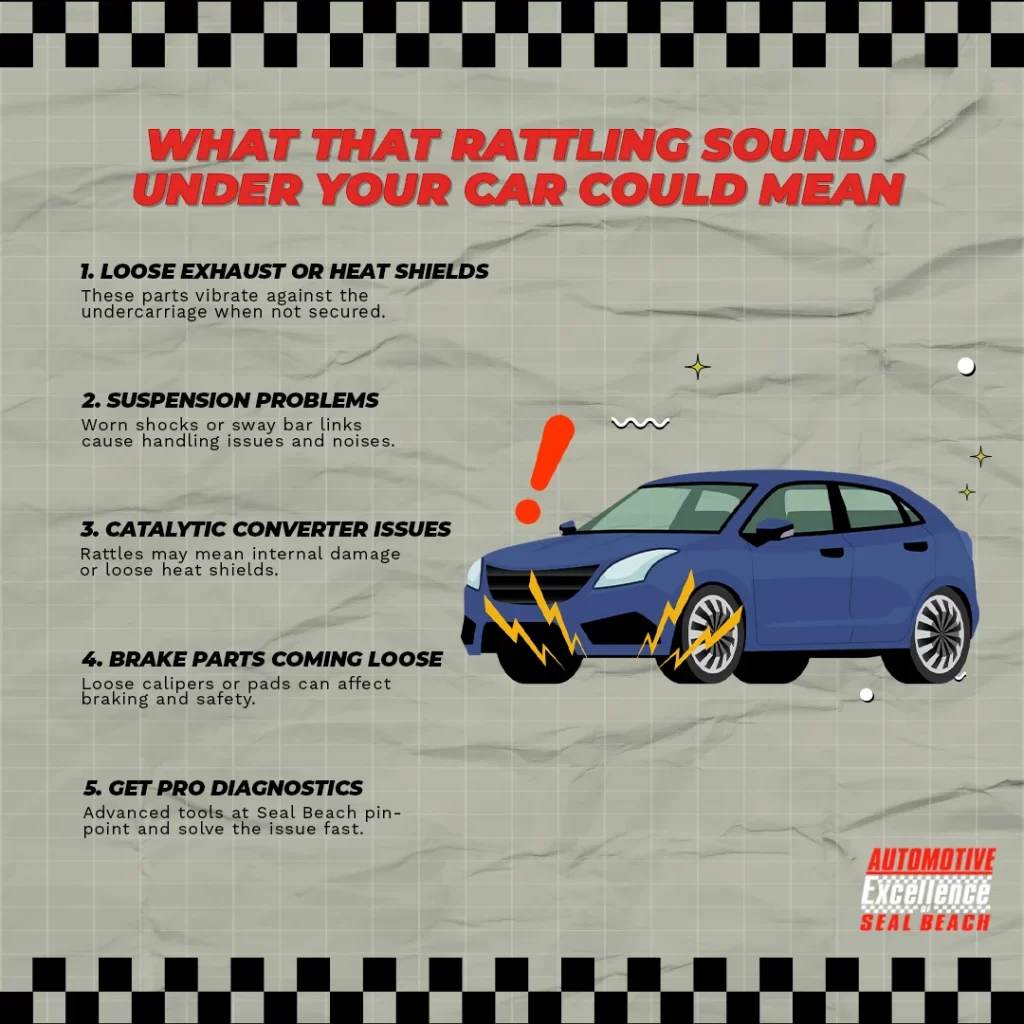
A rattling noise under your car usually means that something is loose, broken, or worn out. The sound might be caused by metal parts vibrating, plastic shields moving, or exhaust parts coming loose. Common causes include:
- Loose heat shields
- Worn suspension parts
- Damaged exhaust system
- Stones or debris trapped under the car
- Problems with the catalytic converter
- Loose or broken underbody panels
The location and type of noise can give clues. For example, rattling only during acceleration may point to the exhaust, while rattling over bumps may mean a suspension issue. Listening carefully and noting when the sound happens is your first step.
Tools And Materials You Might Need
Fixing a rattling noise often requires basic tools. Here are some you might need:
- Car jack and jack stands (for safe lifting)
- Screwdrivers (flathead and Phillips)
- Wrenches and sockets
- Flashlight or headlamp
- WD-40 or similar lubricant
- Replacement bolts, nuts, or clamps
- Protective gloves and safety glasses
Most repairs do not need advanced tools, but always make sure your car is secure before getting underneath.
Credit: sealbeachauto.com
Step-by-step Guide To Finding The Rattle
1. Listen And Locate
Start by identifying when and where you hear the rattle. Is it when the car is moving, idling, or going over bumps? Does it come from the front, middle, or rear? Have a friend help by revving the engine while you listen from outside (stand safely).
2. Visually Inspect Under The Car
Park on a flat surface, turn off the engine, and let the car cool. Use a flashlight to look for loose or hanging parts under the car. Pay attention to the exhaust system, heat shields, and underbody panels.
3. Check For Loose Heat Shields
Heat shields are thin metal covers that protect parts from exhaust heat. They often rust or the bolts become loose. Tap them gently—if you hear a rattle, they may be the problem.
4. Examine The Exhaust System
Check for loose clamps, broken hangers, or rusted pipes. The exhaust system runs from the engine to the back of the car. Move parts gently by hand; any excessive movement can cause rattling.
5. Inspect Suspension And Steering Parts
Look at the sway bar links, control arms, and bushings. Worn or broken suspension parts can rattle over bumps. If you see rubber bushings that are cracked or missing, they need attention.
6. Remove Debris
Stones, branches, or road debris can get trapped under the car, especially in the splash shields or near the wheels. Remove anything that doesn’t belong.
7. Check Underbody Panels
Plastic or metal panels under the car can come loose, especially after hitting a pothole or curb. Wiggle these panels; if they move or make noise, tighten or replace the fasteners.
8. Examine The Catalytic Converter
Inside the catalytic converter is a ceramic honeycomb. If it breaks, it can rattle. Tap the converter gently with your hand. If you hear something inside, it may need replacement.
9. Test Drive
After checking and tightening everything, take the car for a short drive. Listen carefully to see if the noise is gone. If not, repeat the inspection or seek professional help.
Common Causes And Fixes For Car Rattling
Below are the most frequent sources of rattling under the car and how to fix them.
Loose Heat Shields
Heat shields rust and loosen over time. If you find a loose shield:
- Tighten the bolts or clamps.
- If the shield is rusted, use a large hose clamp as a temporary fix.
- Replace if badly damaged.
Non-obvious insight: Sometimes, a heat shield only rattles at certain RPMs because of engine vibration. Don’t rule it out if you don’t hear the noise at idle.
Worn Or Broken Exhaust Parts
The exhaust system hangs from rubber mounts. If a mount is broken, the exhaust will rattle.
- Replace damaged hangers or mounts.
- Use new bolts or clamps for loose connections.
- For rusted sections, replacement is best.
Pro tip: Use WD-40 on stubborn bolts, but let it soak for at least 10 minutes before trying to loosen.
Suspension Issues
Suspension rattles often get louder over bumps.
- Replace worn bushings or sway bar links.
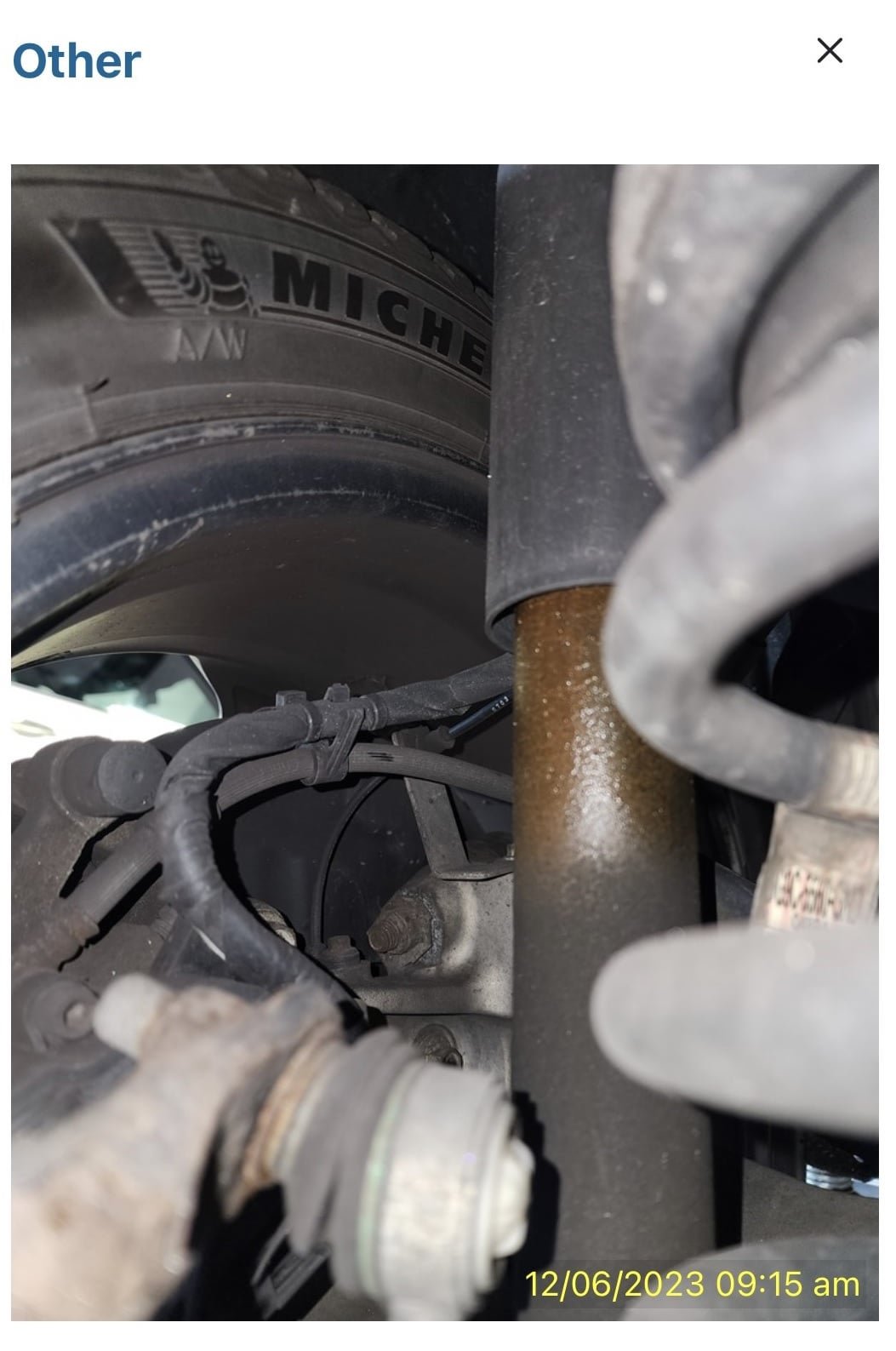
- For shock absorber noise, check for oil leaks. Replace if leaking or bouncy.
- Tighten any loose bolts.
Beginner mistake: Many people think suspension rattles always mean big repairs, but often it’s just a loose bolt or worn bushing.
Debris Trapped Underneath
Remove any stones or debris by hand. After off-road driving, check for sticks or mud in the wheel wells and splash shields.
Loose Underbody Panels
If plastic panels or shields are loose, use new push clips or bolts. Missing fasteners are common after repairs or curb hits.
Catalytic Converter Failure
If you hear a rattle from inside the catalytic converter, the internal parts may be broken.
- Replacement is the only long-term fix.
- Delaying replacement can reduce engine power and fuel economy.
Comparison Of Common Rattling Causes
To help you understand the differences, see this comparison:
| Cause | Noise Pattern | Typical Location | Repair Difficulty |
|---|---|---|---|
| Heat Shield | Metallic, high-pitched | Near exhaust | Easy |
| Exhaust Hanger | Low, muffled | Middle/rear of car | Easy to moderate |
| Suspension Bushing | Thumping/rattle over bumps | Wheels/suspension | Moderate |
| Catalytic Converter | Rattle at idle/acceleration | Under middle of car | Moderate to hard |
Credit: www.reddit.com
When To Get Professional Help
Not all rattles are easy to fix at home. You should seek a mechanic if:
- The noise is very loud or gets worse quickly.
- You see parts hanging down.
- There is a burning smell or smoke.
- The car drives differently or warning lights are on.
A mechanic has the tools to safely lift the car and do a detailed inspection. Sometimes, the problem is inside a part (like a broken spring or internal exhaust damage) that you can’t see.
Preventing Future Rattling Noises
Prevention is often easier than repair. Follow these tips:
- Check under your car after hitting a pothole, curb, or road debris.
- Ask your mechanic to inspect heat shields and exhaust hangers during routine service.
- Fix small rattles early before they cause more damage.
- Avoid overloading your car, which can stress suspension and exhaust mounts.
- Wash under your car after driving on salted roads to prevent rust.
Expert tip: Many rattling noises start with rust. Keeping the underbody clean and dry extends the life of shields and mounts.
Credit: www.youtube.com
Real-world Example
A driver noticed a rattling sound after driving on a gravel road. Inspection showed a small stone caught between the exhaust heat shield and the pipe. Removing the stone stopped the noise. This simple fix saved the driver from a costly visit to the repair shop.
Cost Of Repair: What To Expect
Repair costs depend on the problem. Here’s a rough comparison:
| Repair Type | Typical Cost (USD) | DIY Possible? |
|---|---|---|
| Heat Shield Tighten/Replace | $20 – $100 | Yes |
| Exhaust Hanger | $10 – $50 | Yes |
| Suspension Bushing | $100 – $300 | Sometimes |
| Catalytic Converter | $400 – $2,000 | No (usually) |
Non-obvious insight: Many shops will fix a loose shield or hanger quickly and cheaply if you describe the noise clearly. Being specific can reduce labor charges.
Safety First: What Not To Do
Never crawl under a car supported only by a jack. Always use jack stands on a solid surface. If you smell fuel or see sparks, do not start the car. Safety is more important than saving money.
If you’re unsure, it’s better to pay for a mechanic’s inspection than risk a breakdown or accident.
Additional Resources
For more technical details on exhaust systems and car maintenance, you can check Wikipedia’s exhaust system page.
Frequently Asked Questions
What Is The Most Common Cause Of Rattling Under A Car?
The most common cause is a loose heat shield. Heat shields are thin metal covers that often rust and become loose, causing a metallic rattle. Other common causes include loose exhaust hangers, underbody panels, or trapped debris.
Is It Safe To Drive With A Rattling Noise Under My Car?
It depends on the cause. If the noise is from a loose shield or minor debris, it’s usually safe for a short time. But if the rattle is loud, gets worse, or you see parts hanging down, stop driving and have your car checked by a professional.
Can I Fix A Rattling Noise Under My Car Myself?
Yes, many rattles can be fixed at home with basic tools. Tightening loose bolts, removing debris, or replacing simple hangers are doable for most people. For more complex problems (like suspension or catalytic converter), professional help is best.
Why Does The Rattling Noise Get Louder When I Accelerate?
If the rattling increases with acceleration, it often points to the exhaust system or a broken catalytic converter. Engine vibrations can also make loose parts rattle more at higher speeds. Check the exhaust and heat shields first.
Will Ignoring A Rattling Noise Cause Damage?
Ignoring a rattle can sometimes lead to bigger problems, especially if parts break off and cause more damage. Early inspection and repair usually prevent costly repairs and keep your car safe.
Fixing a car rattling noise under your car doesn’t have to be hard. With careful listening, simple inspection, and the right tools, you can often solve the problem yourself. Pay attention to small noises—they are your car’s way of asking for help.
Addressing them early keeps your vehicle running smoothly and safely.