
Car rust is a problem that can make any car owner worry. Even a small rust spot can spread quickly, weaken metal, and hurt your car’s value. Many people think fixing rust means welding, which sounds hard, expensive, and risky without experience. But the truth is you can repair a car rust spot without welding—using simple tools, patience, and the right methods. This guide walks you through everything you need to know, even if you’re a beginner.
Why Rust Happens And Why You Must Act Fast
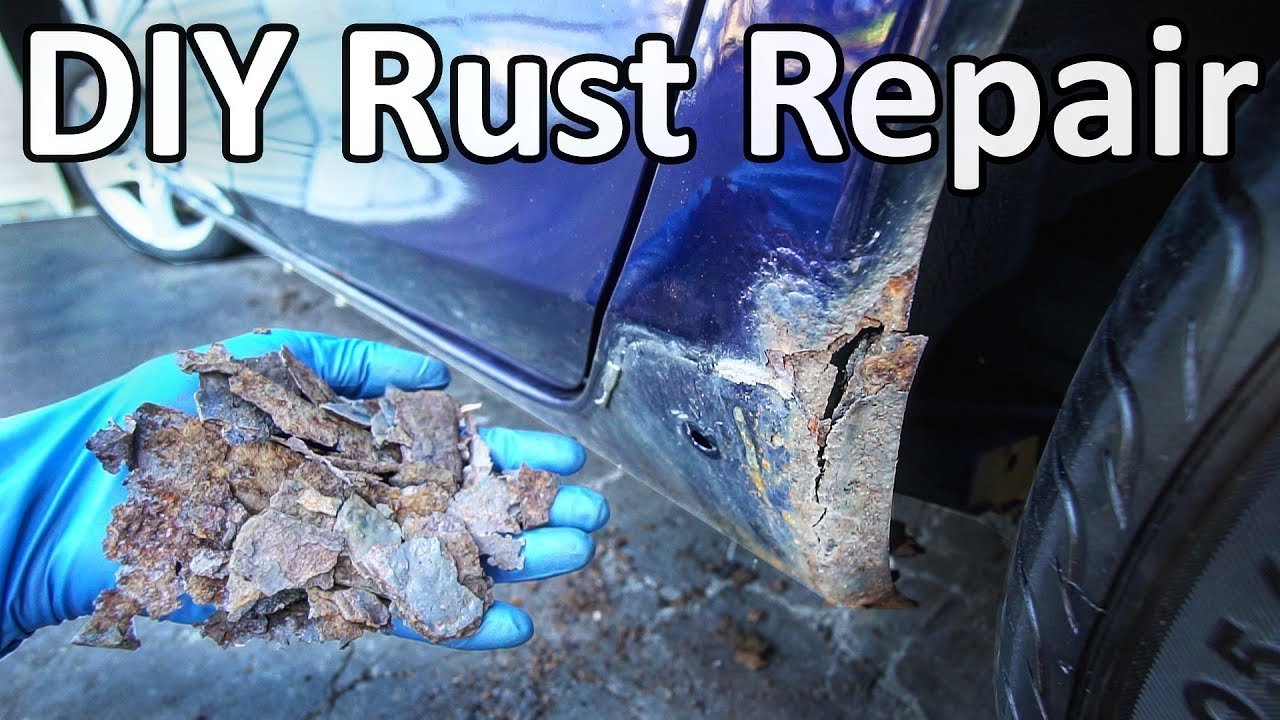
Rust forms when bare metal touches water and oxygen. Road salt, rain, and humidity speed up this process. Once you see a bubble or brown patch, the rust is already eating the metal. If you ignore it, that spot can become a hole, and fixing it will cost much more.
Acting early not only keeps your car looking good but also saves money and trouble later.
Tools And Materials You’ll Need
You don’t need a pro workshop to fix a small rust spot. Most tools are easy to find at auto stores or online. Here’s what you’ll need:
- Sandpaper (various grits: 80, 120, 220, 400, 800, 1200)
- Rust converter or rust neutralizer
- Body filler (like Bondo)
- Putty knife or plastic spreader
- Primer (automotive, rust-resistant)
- Automotive paint (matched to your car color)
- Clear coat (optional but recommended)
- Masking tape and paper (to protect other areas)
- Microfiber cloths
- Rubbing alcohol or degreaser
- Disposable gloves and dust mask
- Spray bottle with water
- Touch-up brush or spray gun (depending on paint type)
Pro tip: For small jobs, you can use spray cans for primer, paint, and clear coat. For better results, especially on larger spots, use a spray gun.
Credit: www.youtube.com
Deciding When Welding Isn’t Needed
Not every rust spot needs welding. If the hole is small (smaller than a coin), or the metal is just surface-rusted and not fully eaten through, you can fix it without welding. Here’s a quick comparison to help you decide:
| Rust Type | Welding Needed? | DIY Fix Possible? |
|---|---|---|
| Surface rust | No | Yes |
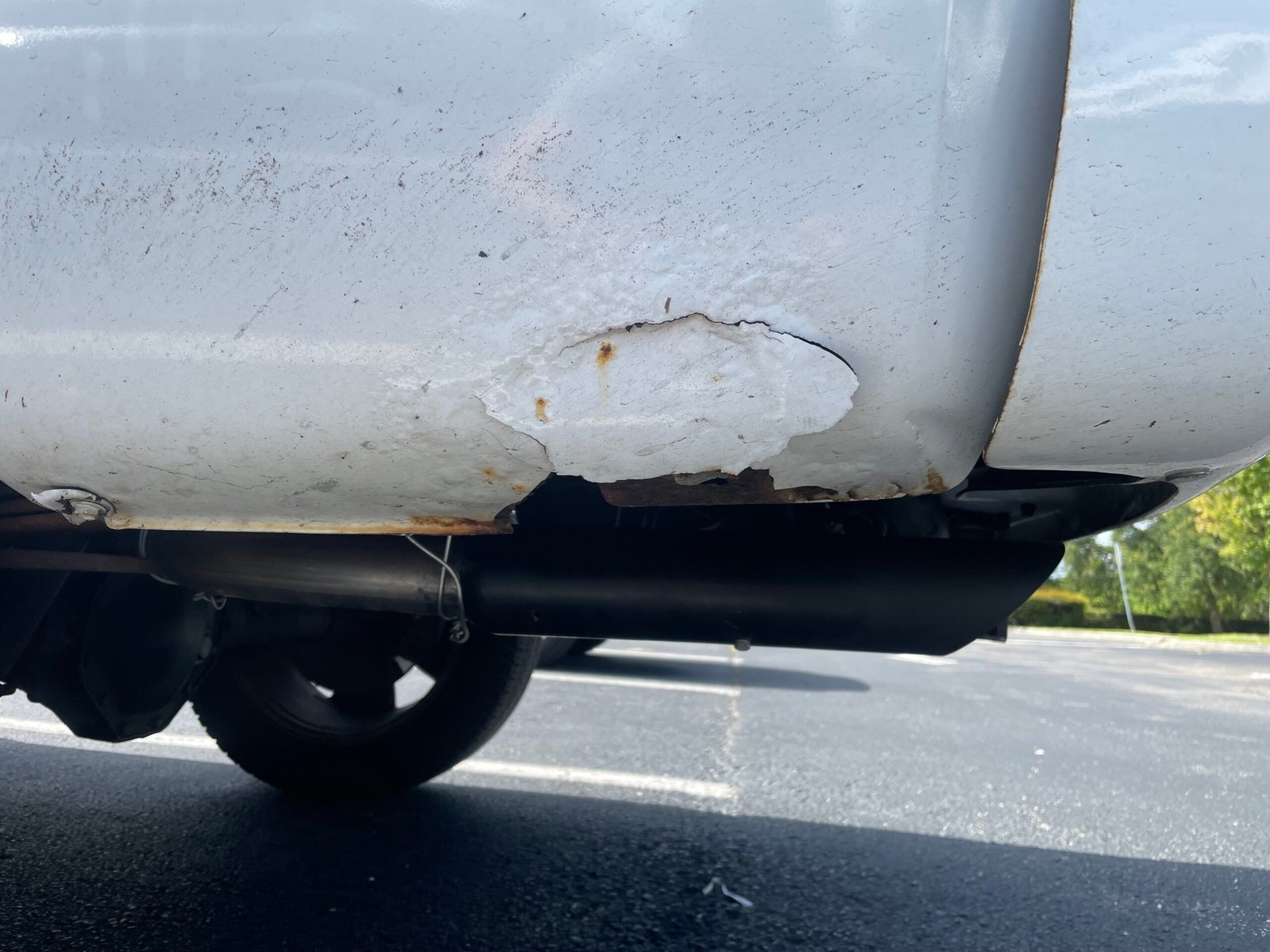
| Small holes (under 1 inch) | No | Yes |
| Large holes (over 2 inches) | Yes | No |
| Rust on structural parts | Yes | No |
If you’re unsure, gently press the area. If it feels soft or crumbles, it might be too far gone for a simple patch.
Step-by-step: How To Fix Car Rust Spot Without Welding
1. Clean The Area
Start by washing the rust spot and the area around it with soap and water. Dry well. Use rubbing alcohol or degreaser to remove wax, oil, or dirt. This helps sandpaper and chemicals work better.
2. Mask Off Surrounding Paint
Use masking tape and paper to cover areas you don’t want to damage. Leave 2–3 inches around the rust spot exposed. This avoids paint overspray and sanding scratches on good panels.
3. Remove Loose Rust And Paint
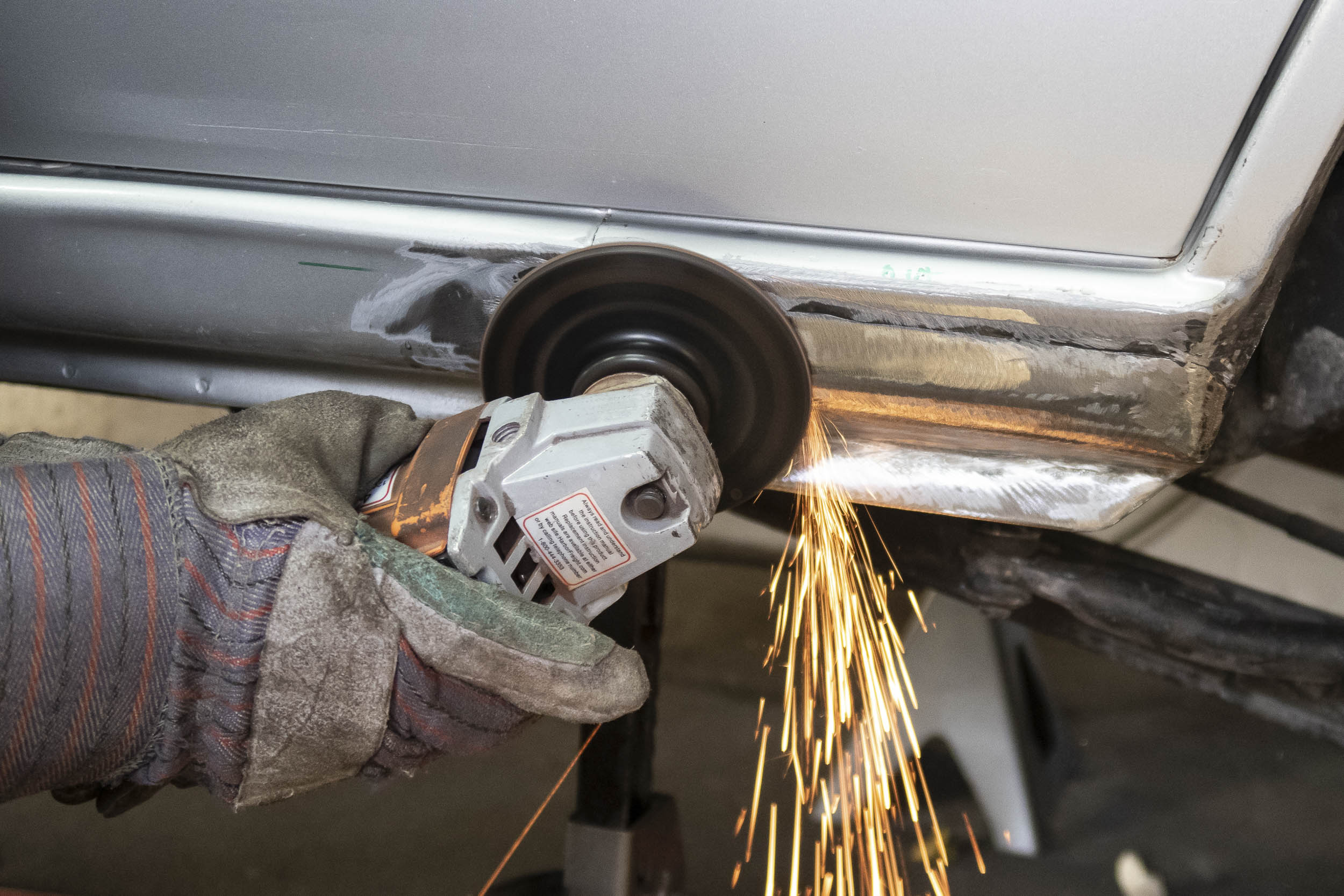
Take 80-grit sandpaper and sand off all loose rust and paint until you see bare, clean metal. Sand a little beyond the rust spot to make sure you catch all hidden rust. For deep pits, use a wire brush or drill with a wire wheel.
Non-obvious tip: If you see bubbles or raised paint, keep sanding. Rust often hides under paint.
4. Apply Rust Converter
If you can’t remove every bit of rust, use a rust converter. This chemical changes rust into a stable surface that stops spreading. Brush or spray it on, wait as the instructions say (usually 30 minutes to 1 hour), and let it dry fully.
5. Fill Small Holes Or Pits
If there’s a small hole or rough spot, use body filler. Mix as the package says, then spread with a plastic spreader. Press firmly to fill holes and smooth the edges. Let it dry for 20–30 minutes.
Pro tip: Don’t use too much filler. It’s easier to add a second thin layer than sand off a thick one.
6. Sand Smooth
Start with 120-grit sandpaper to shape the filler. Move to 220-grit to smooth it more. Hold your hand flat and sand in circles for a smooth finish. Use your fingers to feel for high or low spots.
For a perfect result, finish with 400-grit sandpaper. Always sand a bit past the repair area to blend into the old paint.
7. Clean And Check
Wipe the area with a microfiber cloth and rubbing alcohol. Make sure it’s clean, dry, and smooth. Any dust or oil will ruin the finish.
8. Apply Primer
Spray 2–3 thin coats of automotive primer. Hold the can 8–10 inches away and move side to side. Wait 10–15 minutes between coats. Let it dry fully (usually 1 hour).
After drying, lightly sand with 800-grit sandpaper and clean again. This step helps paint stick and gives a smooth look.
9. Paint The Area
Use the right automotive paint—matched to your car’s color code. Spray 2–3 thin coats, waiting 10 minutes between each. Don’t spray too much at once, or you’ll get drips.
Blend the last coat into the old paint for a seamless look. If using a brush, dab gently rather than brush back and forth.
10. Apply Clear Coat
For best protection and shine, add 2–3 coats of clear coat after the paint dries. Wait 10–15 minutes between coats. Let the clear coat cure for 24 hours.
11. Final Sand And Polish
Once the clear coat is hard, lightly sand with 1200-grit sandpaper and water to smooth out any bumps. Then use car polish and a microfiber cloth to bring back the shine.
Here’s a simple timeline for the repair process:
| Step | Time Needed | Tip |
|---|---|---|
| Cleaning & sanding | 1 hour | Be thorough—rust hides! |
| Applying filler & drying | 1 hour | Thin layers are best |
| Priming & painting | 2–3 hours (with drying) | Multiple thin coats |
| Clear coat & polish | Overnight | Patience for best results |
Credit: www.hagerty.com
Common Mistakes To Avoid
Many beginners make simple errors that ruin a good repair. Here are things to watch out for:
- Not removing all rust: If you leave even a little, it will come back soon.
- Skipping primer: Paint doesn’t stick well to filler or metal without primer.
- Using the wrong paint: Household spray paint won’t last; always use automotive paint.
- Rushing drying time: If you paint too soon, you’ll get bubbles or cracks.
- Not blending paint: Hard paint lines are easy to spot. Feather the paint to blend in.
Non-obvious insight: Humidity and cold weather can slow drying. If possible, work on a dry, warm day or in a garage.
How This Repair Compares To Welding
You might wonder if a non-welded fix will last. For small rust spots and holes, body filler and paint can last several years if done well. Welding is stronger but much more expensive and often not needed for cosmetic or minor rust.
For deep rust or large holes, welding is the only safe fix.
Here’s a quick look at the pros and cons:
| Method | Durability | Skill Needed | Cost |
|---|---|---|---|
| No-weld patch | 3–5 years | Beginner | Low |
| Welding | 10+ years | Expert | High |
Credit: www.reddit.com
How To Prevent Rust From Coming Back
After your repair, you want to keep rust away as long as possible. Here’s how:
- Wash your car regularly, especially the underbody.
- Wax your car every few months to seal the paint.
- Check for stone chips or scratches and fix them fast.
- Use rust protection spray on hidden parts (inside doors, under fenders).
- Park in a garage or use a cover if you can.
Non-obvious tip: In winter, rinse your car after every snowstorm. Salt sticks to metal and speeds up rust.
When To Get Professional Help
If you find rust on a car frame, suspension, or large panels, it’s best to see a pro. Structural rust is dangerous and needs welding to be safe. Also, if you’re not sure about color matching or don’t have a place to work, a body shop can help with these final steps.
Frequently Asked Questions
How Long Does A Rust Repair Without Welding Last?
A well-done patch can last 3 to 5 years if you catch rust early and protect the area. Regular washing and waxing help prevent new rust.
What Size Rust Spot Can I Fix Without Welding?
You can fix surface rust and small holes (under 1 inch) easily. If the hole is larger or the area feels weak, welding is safer.
Can I Use Household Products Like Baking Soda To Remove Rust?
Baking soda can clean light rust, but it’s not enough for car repairs. Automotive rust converters and sandpaper do a better job for long-term fixes.
Do I Need To Repaint The Whole Panel?
No. You only need to paint the repaired area. Blend the new paint into the old paint for the best look. Sometimes a pro can polish the panel to hide the repair even more.
Where Can I Get Matching Car Paint?
Most auto parts stores mix paint by your car’s color code (often found in the door jamb). Online shops like Dupli-Color also offer custom mixes.
Fixing a car rust spot without welding is a practical skill that saves money and keeps your car looking sharp. Take your time, use the right materials, and don’t skip steps. Your repair will look good and hold up for years—no welding torch needed.