
Every driver knows the frustration of a car that stalls at idle. You stop at a red light, and suddenly your engine shuts off. It’s not just annoying—it can be dangerous, especially in traffic. But why does this happen, and what can you do about it?
Fixing a car that stalls at idle isn’t always simple, but understanding the causes makes the solution much easier. This guide will walk you through everything you need to know to get your car running smoothly again. You’ll learn how to diagnose, repair, and prevent stalling, even if you’re not a mechanic.
Understanding Why Cars Stall At Idle
When a car stalls at idle, it means the engine stops running when you’re not pressing the gas pedal. Modern engines are designed to keep running smoothly, even at very low speeds. So, stalling is a sign that something isn’t working right.
Common causes include:
- Bad sensors
- Dirty air intake
- Fuel problems
- Electrical faults
- Vacuum leaks
Sometimes, there’s more than one problem at the same time. Let’s break down how to identify the root cause before you start fixing anything.
Initial Checks Before Repair
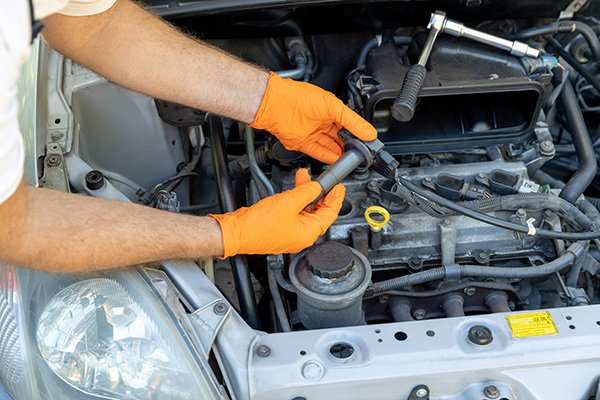
Before you grab your tools, it’s smart to do a few quick checks. These simple steps can save you time and money.
- Check for warning lights: If the “Check Engine” light is on, use a code reader to find out what’s wrong. Many auto parts stores will scan your car for free.
- Listen and observe: Does your engine make strange sounds? Are there any odd smells? Noticing these details helps narrow down the problem.
- Review recent changes: Did you recently fill up with gas, replace parts, or get repairs? Sometimes, a new issue appears right after service.
Many beginners forget these basic checks and jump straight into complex repairs, wasting time and sometimes causing more damage.
Credit: www.communityautoinc.com
Common Causes And How To Fix Them
Dirty Or Faulty Idle Air Control Valve (iac)
The Idle Air Control Valve manages how much air enters the engine when you’re not pressing the gas. If it’s dirty or stuck, your car can stall.
- How to check: Find the IAC near the throttle body. Remove it (refer to your manual). Look for dirt or carbon build-up.
- Fix: Clean with throttle body cleaner and a soft brush. If cleaning doesn’t help, replace the IAC.
Clogged Or Dirty Throttle Body
A throttle body controls airflow into the engine. Dirt and carbon can block this, causing rough idling and stalling.
- How to check: Remove the air intake hose. Shine a light into the throttle body. If you see black buildup, it needs cleaning.
- Fix: Use a specialized throttle cleaner and a soft cloth. Never force the throttle plate open by hand—it can damage electronic controls.
Faulty Mass Air Flow (maf) Sensor
The MAF sensor measures air going into the engine. If it’s sending wrong readings, your engine may stall.
- How to check: Locate the MAF sensor just after the air filter. Unplug it while the engine is running. If the idle improves, the sensor is likely bad.
- Fix: Clean with MAF cleaner spray. If the problem continues, replace the sensor.
Vacuum Leaks
Vacuum leaks are a common, often-missed cause of stalling. They allow extra air into the engine, confusing sensors and causing stalling.
- How to check: Listen for a hissing noise around hoses and intake manifold. Spray carburetor cleaner around suspected areas—if the idle changes, there’s a leak.
- Fix: Replace cracked or broken hoses. Tighten loose clamps and fittings.
Bad Spark Plugs Or Ignition System
Worn spark plugs can cause weak combustion, making the engine stall.
- How to check: Remove and inspect the plugs. Look for soot, oil, or worn electrodes.
- Fix: Replace plugs and wires if needed. Don’t forget the ignition coils if the problem continues.
Fuel Delivery Issues
A weak fuel pump or clogged filter means your engine isn’t getting enough fuel at idle.
- How to check: Listen for the fuel pump when you turn the key. Check the filter for clogs.
- Fix: Replace the fuel filter if dirty. If the pump is weak or silent, replace it.
Failing Engine Sensors
Other sensors—like the engine coolant temperature sensor or oxygen sensor—can also cause stalling if faulty.
- How to check: Use a code reader or diagnostic tool.
- Fix: Replace faulty sensors. Always use high-quality replacements.
Battery Or Charging System Problems
A weak battery or alternator can cause the engine to die at idle.
- How to check: Measure battery voltage (should be around 12.6V with engine off, 13.7-14.7V with engine running).
- Fix: Replace the battery if old or weak. Have the alternator tested and replace if needed.
Faulty Pcv Valve
The Positive Crankcase Ventilation (PCV) valve helps control engine gases. If it’s clogged, idle problems can follow.
- How to check: Remove the valve and shake it. If it doesn’t rattle or is dirty, it’s bad.
- Fix: Replace with a new PCV valve—these are usually inexpensive.
Step-by-step Guide To Troubleshooting
Let’s put it all together in a clear action plan.
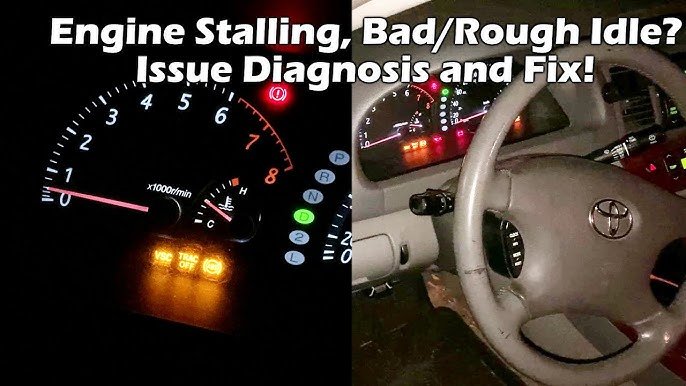
- Scan for codes: Use an OBD-II scanner to check for engine codes.
- Visual inspection: Look for obvious broken, disconnected, or leaking parts.
- Check air intake: Inspect and clean the throttle body, IAC, and MAF sensor.
- Inspect ignition system: Remove and check spark plugs and wires.
- Test for vacuum leaks: Use carb cleaner or smoke test.
- Check fuel delivery: Listen for the pump, change the filter if needed.
- Test battery and alternator: Use a voltmeter.
- Replace faulty sensors: Based on code scan or obvious signs.
Most cars will have a clear problem after these steps. Sometimes, you’ll need to repeat or combine steps, especially with older cars.
Credit: www.youtube.com
When To Call A Mechanic
Not every stalling problem can be fixed at home. Call a professional if:
- The car stalls at idle and while driving
- You smell fuel inside or outside the car
- There are no error codes, but the problem won’t go away
- You don’t have the right tools or experience
Trying to fix advanced engine problems without the right skills can make things worse.
Prevention Tips To Avoid Stalling
Once your car is running well, a few simple habits can keep it that way.
- Change air and fuel filters regularly (every 20,000–30,000 miles)
- Use high-quality fuel from trusted brands
- Clean sensors and throttle body every 30,000 miles
- Fix small leaks and noises before they get worse
- Warm up your car for a minute before driving in cold weather
Many people overlook regular cleaning of the throttle body and sensors. Doing this every few years can prevent most idle stalling problems.
Credit: www.wikihow.com
Example: Diagnosing A Real-world Idle Stall
Imagine your 2012 Toyota Corolla stalls at stoplights. The Check Engine light is on, and the code reader shows “P0505”—IAC malfunction.
- You remove the IAC and find it covered in black carbon.
- Cleaning it with spray improves the idle, but not completely.
- You replace the IAC with a new one, and the stalling disappears.
This example shows the value of careful diagnosis—starting with the code reader, then visual checks, cleaning, and finally replacement.
Table: Common Causes Of Stalling And Their Fixes
Here’s a quick reference for causes and solutions:
| Cause | How to Check | Solution |
|---|---|---|
| Dirty IAC Valve | Visual inspection for dirt/carbon | Clean or replace valve |
| Clogged Throttle Body | Look for black buildup inside | Clean with throttle cleaner |
| Vacuum Leak | Listen for hissing, spray test | Replace hoses, tighten clamps |
| Bad Spark Plugs | Inspect for wear or soot | Replace plugs and wires |
| Weak Fuel Pump | Listen for pump sound | Replace fuel pump |
Table: Signs That Point To Specific Causes
Matching symptoms with causes can help you decide where to start:
| Symptom | Likely Cause |
|---|---|
| Stalls only at idle, runs fine at speed | IAC, throttle body, or vacuum leak |
| Stalls when cold, improves when warm | MAF sensor or coolant temp sensor |
| Stalls with AC on | Weak idle control or alternator |
| Stalls randomly, any time | Ignition or fuel delivery problem |
Table: Cost Comparison For Common Repairs
Knowing what repairs usually cost helps you plan your next steps:
| Repair | DIY Cost | Shop Cost |
|---|---|---|
| IAC Valve Replacement | $50–$150 | $150–$350 |
| Throttle Body Cleaning | $10–$30 | $80–$150 |
| MAF Sensor Replacement | $60–$120 | $150–$300 |
| Fuel Pump Replacement | $100–$300 | $400–$800 |
Practical Tips For Beginners
- Take pictures of parts before removing them. It’s easy to forget how things fit back together.
- Keep a logbook of repairs and symptoms. This helps with future problems.
- Don’t guess. Use a code reader and check twice before replacing parts.
Many beginners replace the wrong part because they skip diagnosis. Remember: cleaning is often better than replacing, especially with sensors and valves.
Where To Find More Information
Sometimes, you’ll need more details for your specific car. Good places to look include:
- Your car’s owner’s manual
- Online forums for your car model
- Repair guides like Chilton or Haynes
- Wikipedia for general information about cars
Frequently Asked Questions
Why Does My Car Only Stall At Idle And Not While Driving?
When your car stalls only at idle, it usually means there’s a problem with idle control components—like the IAC valve, throttle body, or vacuum system. At higher speeds, the engine gets more air and fuel, so these issues are less noticeable.
Can Bad Fuel Cause Stalling At Idle?
Yes, bad or contaminated fuel can cause stalling. Water or dirt in the gas tank blocks fuel flow, especially at low speeds. If you suspect bad fuel, drain the tank and use a fuel system cleaner.
Is It Safe To Drive A Car That Stalls At Idle?
It’s risky. Stalling in traffic can lead to accidents, especially if your car loses power steering or brakes. Fix the problem as soon as possible and avoid busy roads until it’s repaired.
How Often Should I Clean The Throttle Body?
For most cars, clean the throttle body every 30,000 miles or every 2–3 years. If you notice rough idle or stalling, clean it sooner.
What If My Car Still Stalls After Trying These Fixes?
If the problem continues, you may have a deeper issue—like an engine computer fault, wiring problem, or major mechanical failure. In this case, it’s best to see a professional mechanic for a full diagnosis.
A car that stalls at idle can feel overwhelming, but with careful checks and simple fixes, you can often solve the problem yourself. With patience and the right approach, your engine will stay smooth, reliable, and safe on the road.