
Car trunks are designed to make life easier, letting you store bags, groceries, and tools safely out of sight. But sometimes, the trunk just won’t open—no matter how many times you press the button or turn the key. This problem can be more than a small annoyance.
It can leave you stranded with your groceries or even make it hard to access your spare tire in an emergency. The good news? You can often fix a stuck trunk yourself, even if you’re not a mechanic. This guide will show you how to troubleshoot and repair a car trunk that won’t open, step by step.
Common Reasons Your Car Trunk Won’t Open
Understanding the reason behind a stuck trunk is the first step to fixing it. Here are the most typical causes:
- Dead car battery – On many cars, the trunk release is electronic. If your battery is dead, the release may not work.
- Broken trunk latch – The latch can wear out, rust, or jam, making it impossible to open.
- Faulty key fob or button – Sometimes, the trunk button or key fob fails.
- Damaged wiring – Wires that power the release can break or short-circuit.
- Mechanical linkage failure – In some cases, a metal rod or cable connecting the latch to the release is disconnected.
- Frozen trunk – In cold weather, ice can glue the trunk shut.
- Obstruction – Items inside the trunk can jam the locking mechanism.
Many drivers overlook problems with wiring or the mechanical linkage, focusing only on the latch or battery. But these less obvious issues are common, especially in older cars.
First Steps Before You Start Repairs
Before grabbing your tools, do a quick check to save time:
- Try using both the key and the interior release button. Sometimes one works if the other fails.
- Check if all doors and the trunk are unlocked. Many cars block trunk access if the car is locked.
- Listen for sounds when you press the release—no sound means a possible electrical or battery issue, while a click suggests a mechanical problem.
If your car has fold-down rear seats, lower them to see if you can access the trunk from inside. Many cars have a manual emergency release inside the trunk for safety.
How To Open A Stuck Trunk: Step-by-step Solutions
1. Try The Manual Key Slot
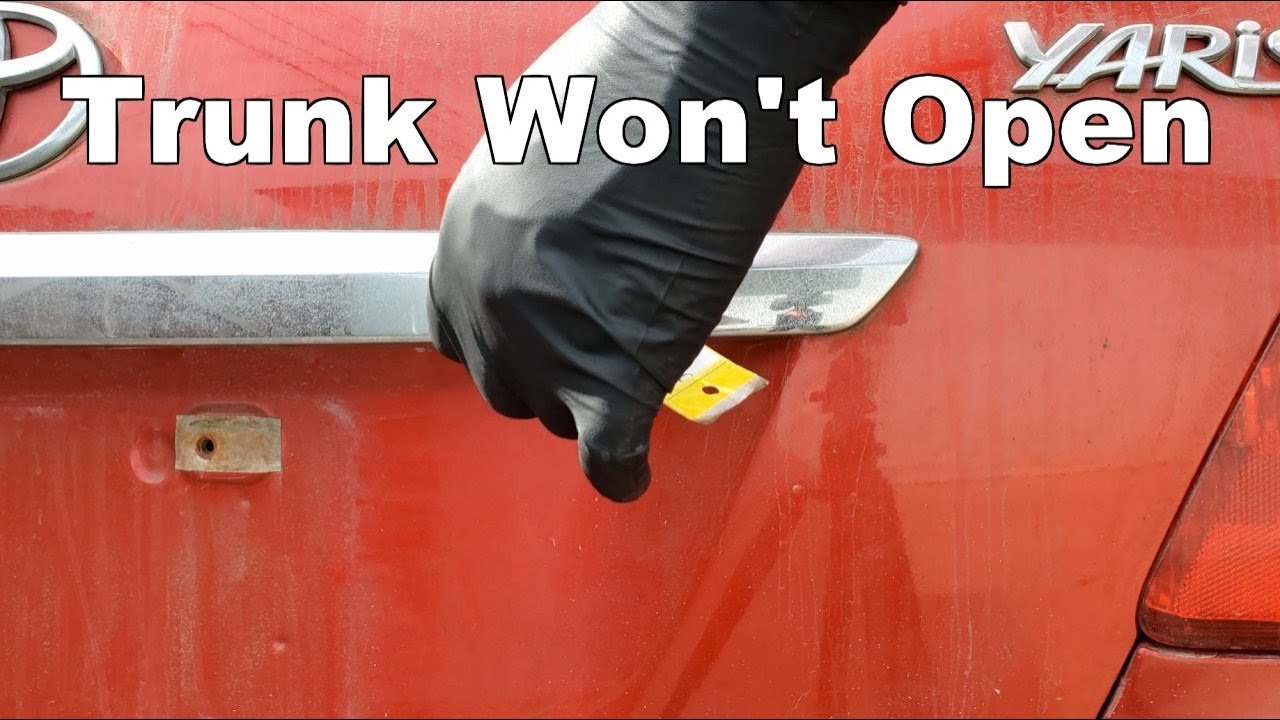
Many cars with electronic releases still have a hidden key slot. Look for a small plastic cover near the trunk handle. Pop it off with a flathead screwdriver or your key, then insert your physical key and turn.
If the key won’t turn, spray a little WD-40 or similar lubricant into the lock and try again after a minute.
2. Use The Emergency Release Lever
Modern cars (especially after 2002 in the US) include a glow-in-the-dark emergency trunk release inside the trunk. Fold down the rear seats, reach in, and look for a handle or cord. Pulling this should open the trunk.
Non-obvious tip: If you don’t see a handle, check your car’s manual. Some releases are hidden or require pulling a tab in a specific direction.
3. Check The Battery
If you hear nothing when pressing the trunk button, the battery may be dead:
- Try starting the car. If nothing happens, jump-start the battery.
- After the car starts, try the trunk again.
If the trunk opens with the car running, the issue is likely the battery or electrical system.
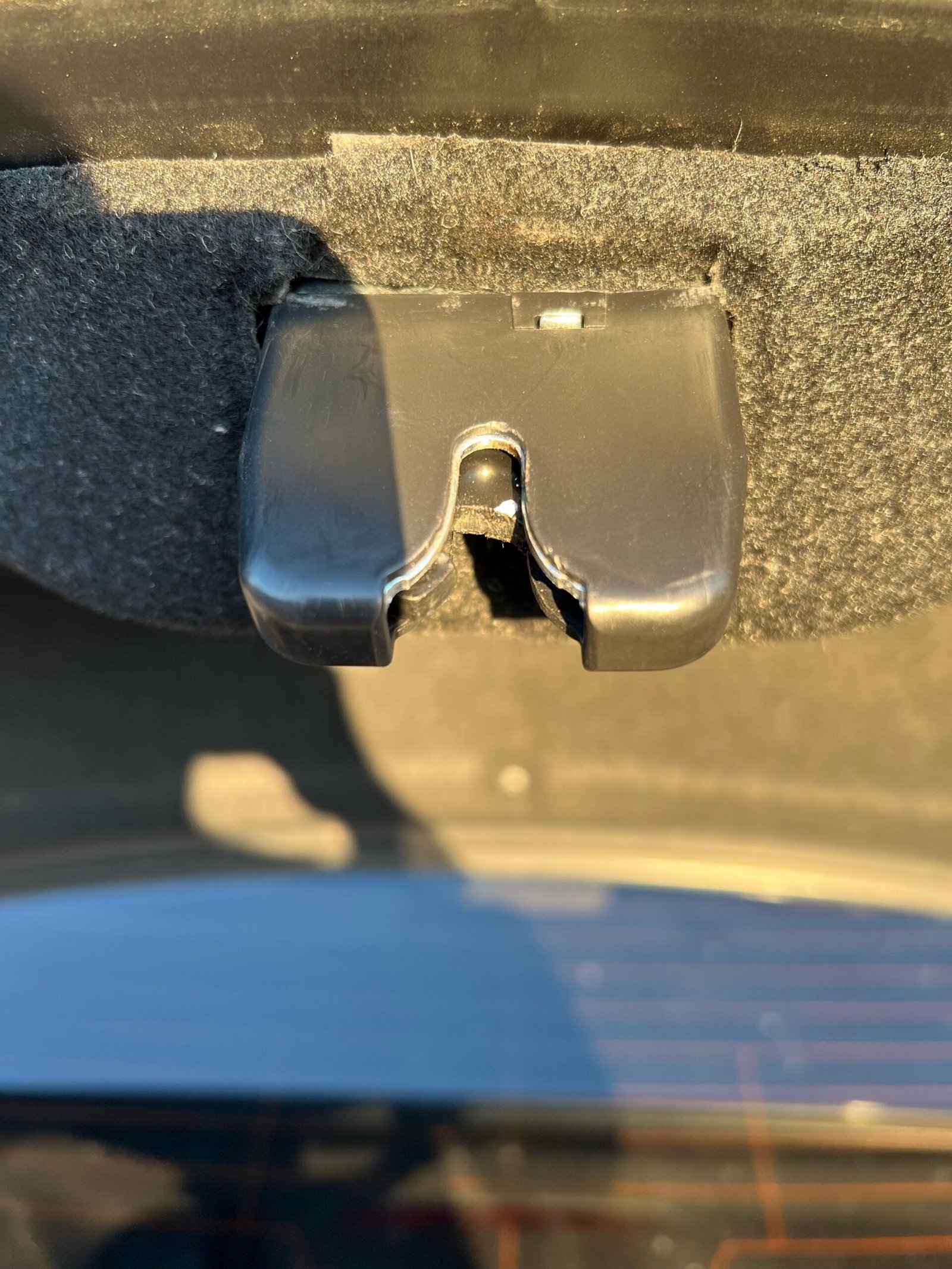
4. Inspect The Trunk Latch
If you can access the trunk from inside, look at the latch mechanism:
- Check for visible damage, rust, or debris.
- Spray penetrating oil on the latch and try to move it with a screwdriver.
- Test the trunk button or key while watching the latch—does it move?
If the latch is stuck, gently tap it with a rubber mallet or handle, then try again.
5. Fix A Frozen Trunk
In cold weather, ice can seal the trunk shut. Avoid using force, which can break the latch.
- Pour warm (not boiling) water around the trunk seam.
- Use a hair dryer to warm the latch area.
- Carefully insert a plastic tool or your fingers to break the ice seal.
Once open, dry the area and apply a little silicone spray to prevent refreezing.
6. Check For Electrical Problems
If your trunk uses an electronic release, a fuse or relay could be blown. Look in your car’s manual for the trunk release fuse location.
- Inspect the fuse and replace if blown.
- Check the wiring near the trunk hinge for damage—these wires can break from repeated opening and closing.
Surprising insight: Many people forget that a trunk release relay can fail, not just the fuse. If the fuse is fine, check for a clicking sound from the relay when you press the button.
7. Examine The Mechanical Linkage
If the button or key turns but nothing happens, the rod or cable connecting your handle to the latch may be disconnected or broken.
- Remove the trim panel from inside the trunk (if you can access it).
- Look for a loose or hanging rod.
- Reattach it to the latch mechanism with pliers.
If the cable is broken, you’ll need to replace it—a common part at auto stores.
8. Clear Obstructions
Sometimes, a bag strap or another object inside the trunk jams the latch. With the rear seats folded down, use a flashlight to inspect and clear anything blocking the mechanism.
9. Seek Professional Help
If you’ve tried all steps and still can’t open the trunk, it’s time for a locksmith or auto mechanic. Forcing the trunk open can cause expensive damage.
Comparing Trunk Release Mechanisms
Every car model uses a different trunk release system. Here’s a quick comparison to help you understand your setup:
| Release Type | Common Issues | DIY Fix Difficulty |
|---|---|---|
| Manual Key | Lock jam, broken key | Easy |
| Electronic Button | Blown fuse, dead battery | Medium |
| Remote Fob | Weak battery, faulty fob | Easy |
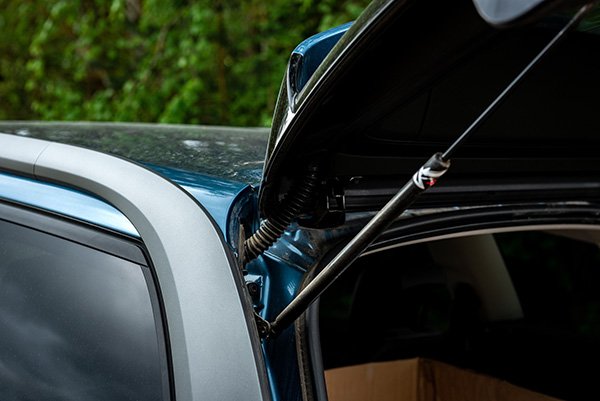
| Mechanical Lever | Disconnected rod/cable | Medium |
Credit: qtucarcare.com
Tools And Materials You Might Need
To fix a stuck trunk, you may need a few basic tools. Having these ready will make repairs faster:
- Flathead screwdriver
- Phillips screwdriver
- Pliers
- Flashlight
- WD-40 or penetrating oil
- Silicone spray (for weatherproofing)
- Replacement fuse (check your car’s manual for the correct type)
- Portable jump starter (if the battery is dead)
- Hair dryer (for frozen trunks)
Pro tip: A trim removal tool is very helpful for popping off the plastic inside panels without breaking them.
How To Prevent Future Trunk Problems
Fixing a stuck trunk once is good, but preventing it from happening again is even better. Here are some tips to keep your trunk working smoothly:
- Lubricate the latch every 6 months with silicone spray or light oil.
- Clean the trunk seal to prevent dirt and moisture from causing jams.
- Check the wiring near the trunk hinge for wear—replace cracked wires early.
- Change key fob batteries once a year.
- Don’t slam the trunk—close it gently to avoid damaging the latch.
- Store heavy items carefully so they don’t block the latch.
These simple habits can add years to your trunk’s life and save on repair costs.
Credit: www.youtube.com
Quick Troubleshooting Table
If you’re not sure where to start, this table can help you match symptoms to likely causes:
| Symptom | Possible Cause | Recommended Action |
|---|---|---|
| No sound, trunk won’t open | Dead battery, blown fuse | Jump-start, replace fuse |
| Clicking sound, but trunk stays shut | Jammed latch, frozen mechanism | Lubricate, thaw with hair dryer |
| Key turns but nothing happens | Disconnected rod/cable | Reattach linkage |
| Trunk opens from inside, not outside | Broken exterior handle | Replace handle |
When To Visit A Mechanic
Some trunk problems are too complex or risky for DIY repair. For example:
- The trunk is stuck shut and you can’t access it from inside.
- The latch or lock is damaged beyond repair.
- There’s an electrical short or water damage in the trunk wiring.
A professional mechanic or auto electrician can diagnose and fix these issues safely. Remember, forcing the trunk open with tools can cause expensive body damage.
Credit: www.reddit.com
Extra Tips Most People Miss
- If your car has a valet mode or child safety lock for the trunk, make sure it’s turned off. Many drivers forget that valet mode disables the trunk release.
- On some cars, the trunk release only works with the car in “park” or when the engine is off. Check your owner’s manual for special instructions.
Reliable Information Sources
For your specific car model, the owner’s manual and official repair guides are the best places to find latch diagrams and fuse locations. If you want to learn more about car locks, you can visit Wikipedia’s page about car trunks.
Frequently Asked Questions
Why Won’t My Trunk Open Even With The Key?
This usually means the lock cylinder is jammed or broken. Try spraying lubricant into the keyhole and gently wiggling the key. If it still won’t turn, the lock mechanism may need repair or replacement.
Can A Dead Battery Prevent The Trunk From Opening?
Yes. On many cars, the trunk release button only works if the battery has power. Try jump-starting the car or unlocking the trunk with the manual key.
What Should I Do If My Trunk Is Frozen Shut?
Pour warm water around the trunk seam and use a hair dryer on the latch area. Never use boiling water, as it can damage the paint. After opening, dry the area and use silicone spray to prevent refreezing.
How Do I Open My Trunk From Inside The Car?
Fold down the rear seats and look for the emergency release handle—usually a glow-in-the-dark pull cord or lever inside the trunk. Check your car’s manual if you can’t find it.
Is It Safe To Force The Trunk Open With Tools?
No. Forcing the trunk can bend the latch, damage the lock, or ruin the trunk lid. It’s better to troubleshoot carefully or call a professional if basic steps don’t work.
Fixing a car trunk that won’t open can be frustrating, but with careful troubleshooting and a bit of patience, you can solve most problems yourself. Remember, regular maintenance is the key to avoiding trunk troubles in the future.