
When you are driving on the highway and your car starts to shake, it can be both annoying and worrying. Many drivers experience car vibrating at high speed, especially above 60 mph (100 km/h). Sometimes the steering wheel trembles, other times the whole car feels unstable. Ignoring this problem is risky—it can lead to bigger repairs, unsafe driving, or even an accident. But the good news is, most causes are easy to identify and fix with the right approach.
In this guide, you’ll learn why cars vibrate at high speeds, how to find the root cause, and step-by-step solutions to stop the shaking for good. Whether you’re a beginner or have some car knowledge, these practical tips will help you drive smoothly and safely.
Why Cars Vibrate At High Speed
Understanding the main reasons for vibrations helps you fix the problem faster. Some issues are simple, like a tire out of balance. Others are more serious, such as problems with suspension or drivetrain parts.
Here are the most common causes:
- Tire problems (unbalanced, worn, or damaged)
- Wheel alignment issues
- Worn suspension or steering parts
- Brake system defects
- Engine or transmission issues
- Axle and driveshaft problems
- Loose or damaged wheel bearings
- Worn motor mounts
- Bent wheels or rims
Each cause can make your car vibrate in a slightly different way. The vibration can be felt in the steering wheel, seat, floor, or even through the whole car.
Step 1: Check Your Tires
Tires are the most common reason cars vibrate at high speed. Problems can include:
- Imbalanced tires
- Uneven tread wear
- Bulges or flat spots
- Low air pressure
Imbalanced tires cause a wobble that gets worse as you drive faster. Even a small imbalance can make a big difference above 60 mph. Tires with uneven wear or damage can also make the ride rough.
How To Fix Tire Issues
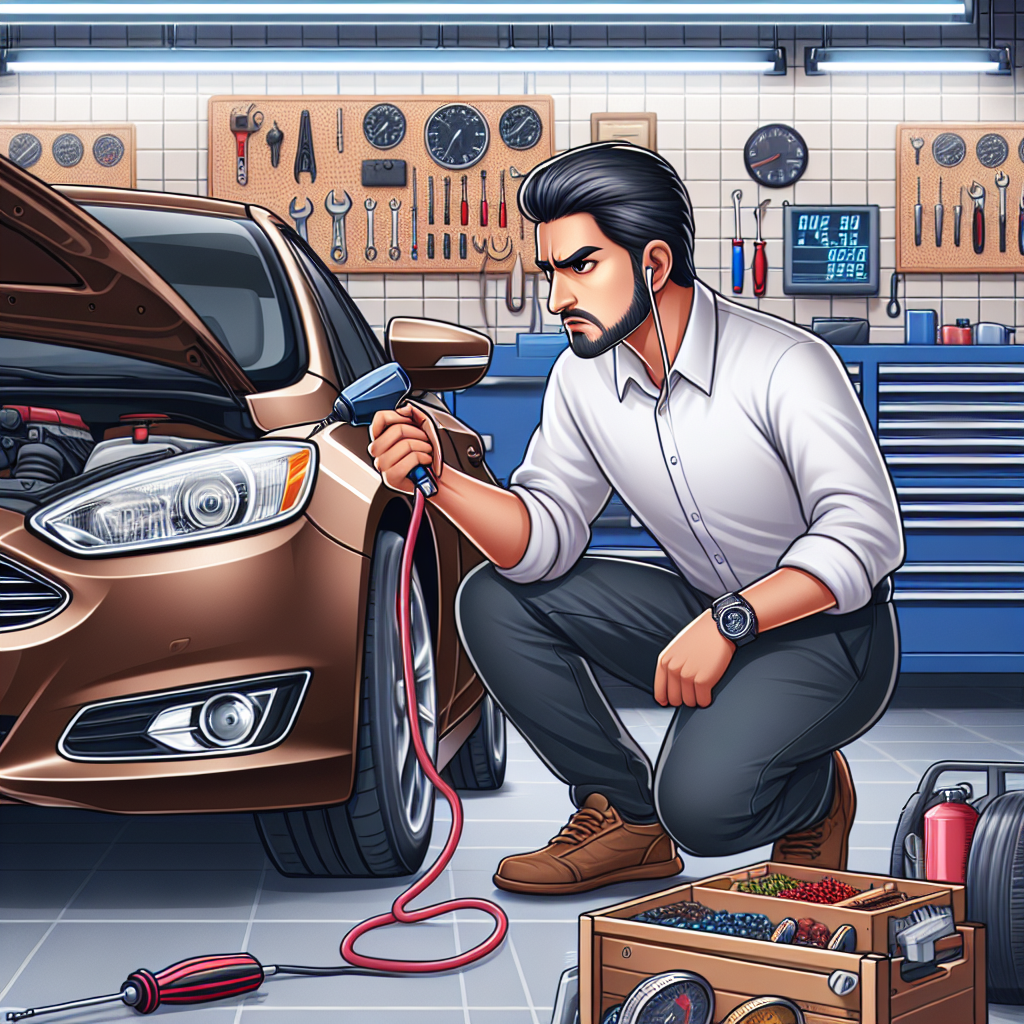
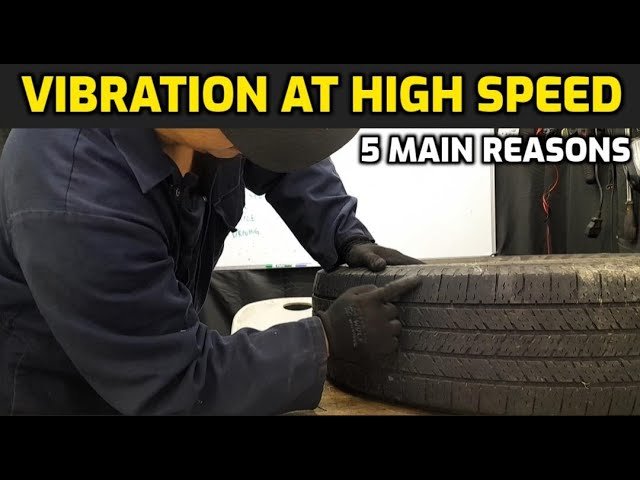
- Inspect each tire for damage, bulges, or uneven wear. Look for cuts or objects stuck in the tread.
- Check air pressure with a gauge. Inflate to the recommended level (found on the sticker inside the driver’s door).
- If you see flat spots or bulges, replace the tire immediately.
- Rotate your tires every 5,000–7,000 miles (8,000–11,000 km) to ensure even wear.
- Balance your wheels at a tire shop. They use special machines to add small weights that correct the imbalance.
A simple balancing service usually costs $10–$20 per wheel. Many drivers are surprised how much smoother their car feels after this quick fix.
Credit: thelandautorepair.com
Step 2: Check Wheel Alignment
Wheel alignment is the adjustment of your car’s suspension so all wheels point in the right direction. Bad alignment makes tires wear unevenly and causes vibration, especially at higher speeds.
Signs of bad alignment:
- Car pulls to one side
- Steering wheel is off-center
- Uneven tire wear
How To Fix Alignment Issues
A professional uses special tools to measure and adjust the angles of your wheels. This process usually takes about an hour and costs $75–$120. After alignment, your car should handle better and vibration often disappears.
Step 3: Inspect Suspension And Steering Parts
Your car’s suspension and steering system keeps the ride smooth and lets you control the car safely. If parts like ball joints, tie rods, or control arms are worn, you may feel shaking, especially when turning or going over bumps.
Common symptoms:
- Clunking or knocking sounds
- Uneven steering response
- Visible looseness in parts
How To Check And Fix Suspension Problems
- Lift the car and check for play in the wheels by shaking them side to side and up and down.
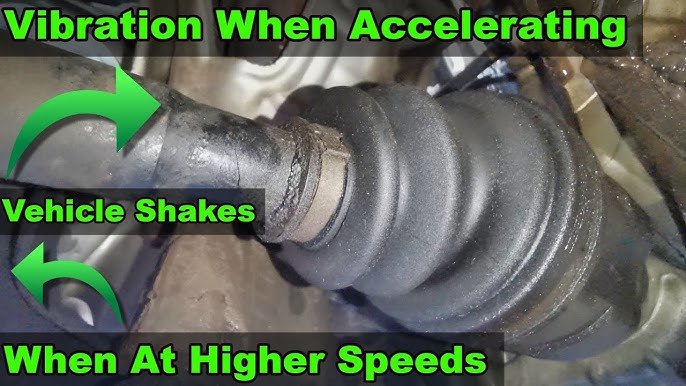
- Look for torn rubber boots or leaking grease around joints.
- If you find a worn part, replace it quickly. Even one bad joint can cause unsafe vibrations.
Many suspension repairs are best done by a mechanic, but you can spot obvious wear yourself.
Credit: www.youtube.com
Step 4: Inspect The Brakes
Brake issues can also cause vibration, especially when slowing down from high speed. The most common problem is warped brake rotors.
Symptoms:
- Vibration or pulsing when braking
- Squealing or grinding noises
Fixing Brake Vibration
If your rotors are warped, a mechanic can resurface or replace them. Pads should also be checked for wear. For safety, always address brake problems right away.
Step 5: Examine Engine And Transmission Mounts
Engine and transmission mounts hold your powertrain in place. If these mounts wear out or break, the engine can move too much, causing vibration.
Signs of bad mounts:
- Excess movement when shifting gears
- Clunking noises during acceleration or braking
- Strong vibration at certain speeds
Fixing Mount Issues
A mechanic can check your mounts and replace them if necessary. This is not a common DIY job, but it’s important for safety and comfort.
Step 6: Check The Axles And Driveshaft
If you have a rear-wheel or all-wheel-drive car, axles and driveshafts are key parts. Bent or damaged shafts can cause strong shaking.
Symptoms:
- Vibration increases with speed
- Clicking or clunking when turning (especially for CV axles)
How To Diagnose And Repair
Look under the car for bent shafts, or torn CV joint boots. If a shaft is damaged, it must be replaced. This can be expensive, but driving with a damaged axle is dangerous.
Step 7: Inspect Wheel Bearings
Wheel bearings allow your wheels to spin smoothly. If they wear out, you may feel vibration or hear a growling noise that changes with speed.
Signs of bad bearings:
- Humming or grinding sound from wheels
- Wobble or looseness when shaking the wheel
Fixing Wheel Bearings
Replacing wheel bearings usually requires special tools. If you suspect a bad bearing, see a mechanic soon. Waiting too long can cause more damage.
Credit: www.youtube.com
Step 8: Check For Bent Wheels Or Rims
Hitting a curb or pothole can bend your wheels. Even a small bend can cause vibration at high speed.
How to check:
- Spin each wheel and watch for “wobble”
- Look for visible dents or damage
If a wheel is bent, it may be possible to repair it. In some cases, replacement is best.
Step 9: Look For Hidden Issues
Sometimes, vibration is caused by less obvious problems:
- Stuck brake calipers: Cause uneven drag on wheels.
- Debris on wheels: Mud or ice stuck inside the rim.
- Heavy aftermarket accessories: Such as oversized rims or wheel spacers.
Removing debris and using parts designed for your car can help prevent strange vibrations.
Spotting The Source: Where Do You Feel The Vibration?
Finding out where you feel the vibration helps narrow down the cause. Here’s a simple guide:
| Vibration Location | Likely Cause |
|---|---|
| Steering wheel | Tire/wheel issues, alignment, suspension |
| Seat/floor | Drivetrain, rear tires, driveshaft |
| Whole car | Severe imbalance, engine mounts, major component damage |
If vibration happens only when braking, focus on the brakes. If it’s only at certain speeds, check for tire balance and alignment first.
How Mechanics Diagnose Car Vibrations
Professional mechanics use a step-by-step process:
- Test drive the car to feel the vibration and note the speed/rpm.
- Visual inspection of tires, wheels, and undercarriage.
- Check tire balance with a machine.
- Inspect alignment with digital tools.
- Lift the car and check for looseness in suspension or steering.
Advanced shops may use a “road force balancer”—a machine that simulates driving pressure to find hidden tire issues.
Prevention Tips: Keep Your Car Smooth
You can avoid most high-speed vibrations by following these tips:
- Check tire pressure monthly.
- Rotate tires regularly.
- Balance and align wheels at least once a year.
- Avoid hitting curbs, potholes, and road debris.
- Inspect suspension and steering every 12,000 miles (20,000 km).
One non-obvious insight: Sometimes cheap aftermarket wheels cause vibration because they don’t fit as precisely as factory ones. Always buy wheels that match your car’s specifications.
Another tip: Using a torque wrench when tightening wheel nuts prevents uneven pressure, which can bend the wheel or brake rotor.
Cost Comparison: Common Fixes For Car Vibration
Here’s a quick look at typical repair costs:
| Repair | Average Cost (USD) | Time Needed |
|---|---|---|
| Tire balancing | 40–80 | 30–60 min |
| Wheel alignment | 75–120 | 1 hour |
| Brake rotor replacement | 150–350 | 1–2 hours |
| Suspension part replacement | 150–500+ | 2–4 hours |
| Wheel bearing replacement | 200–400 | 2–3 hours |
Prices can vary by location and car type. Fixing vibration early often saves money in the long run.
Real-world Example: Fixing A Vibrating Car
A driver noticed his sedan shaking above 70 mph. The steering wheel vibrated, but only at highway speeds. He checked his tires—one had a flat spot and all were slightly underinflated. After replacing the damaged tire and balancing all wheels, the vibration disappeared.
This simple fix cost less than $100 and made driving much safer.
When To See A Mechanic
If you’ve checked tires, alignment, and obvious issues but the vibration remains, it’s time for a professional inspection. Persistent shaking can mean hidden suspension damage or drivetrain problems. Don’t wait—these issues can get worse quickly.
For more detailed information about car vibrations and repairs, you can visit Consumer Reports.
Frequently Asked Questions
Why Does My Car Only Vibrate At High Speeds?
At higher speeds, small problems like tire imbalance or wheel misalignment become much more noticeable. The faster you go, the more any small defect causes shaking. That’s why you may not notice issues around town but feel strong vibration on the highway.
Can Unbalanced Tires Damage My Car?
Yes. Unbalanced tires can wear out suspension parts, steering components, and even damage wheel bearings over time. Fixing imbalance early prevents bigger (and more expensive) repairs later.
How Often Should I Balance And Rotate My Tires?
It’s best to rotate tires every 5,000–7,000 miles (8,000–11,000 km) and balance them at least once a year or when you feel vibration. If you hit a big pothole or curb, check balance immediately.
Is It Safe To Drive With Car Vibration?
Driving with vibration is not safe, especially at high speed. It can make your car harder to control and increase the chance of component failure. Always fix vibration as soon as possible.
What If My Car Vibrates Only When Braking?
Vibration during braking usually means warped brake rotors or worn pads. Have your brakes inspected and repaired right away for safety.
A car that vibrates at high speed is telling you something’s wrong. By following the steps in this guide, you can find and fix the problem, making your car safer and your drive smoother. Don’t ignore the signs—your safety and comfort are worth it.