
If your car starts to wobble or shake at low speeds, it’s not just annoying—it can also be a warning sign. Many drivers ignore small vibrations, thinking they’ll go away. But a wobble at low speed is often a clue that something needs attention. The good news: most causes of car wobble are easy to spot, and many can be fixed without spending a fortune. By understanding the problem and taking smart steps, you can keep your car safe, smooth, and enjoyable to drive.
What Causes Car Wobble At Low Speed?
A car wobble is a side-to-side or up-and-down movement that you feel through the steering wheel, your seat, or the whole car. At low speeds (usually below 30 mph or 50 km/h), the causes are different from high-speed vibrations. Let’s look at the main reasons:
- Tire problems: Uneven wear, bulges, flat spots, or poor balance.
- Wheel issues: Bent rims or loose lug nuts.
- Suspension faults: Worn-out bushings, ball joints, or tie rod ends.
- Brake system faults: Warped rotors, sticking calipers, or uneven pads.
- Drivetrain issues: Damaged CV joints or driveshafts.
- Alignment problems: Wheels not pointing straight.
- Wheel bearing failure: Worn bearings causing side movement.
Understanding these causes helps you narrow down the problem and avoid guessing.
Step-by-step: Diagnosing Car Wobble
Finding the reason for your car’s wobble is the most important part. Here’s a simple way to check:
1. Feel When And Where The Wobble Happens
- Only at low speed? This often points to tires or wheels.
- While braking? Brake system is likely.
- When turning? Suspension or steering parts may be worn.
- While accelerating? Drivetrain issues are possible.
Notice if the steering wheel shakes, if you hear noises, or if the car pulls to one side. Write down what you notice to help a mechanic or when checking things yourself.
2. Visual Inspection
Get close to your car. Look for:
- Tire wear patterns (bald spots, bulges, cracks)
- Wheel damage (bends, cracks)
- Loose lug nuts (all should be tight)
- Leaking fluids near wheels (could mean brake or suspension trouble)
3. Jack Up The Car Safely
If you have a jack and know how to use it, lift one wheel at a time. Try to:
- Spin the wheel: Listen for grinding.
- Wiggle the wheel side to side: Excess play means possible bearing or suspension issues.
- Check tire roundness: Look for flat spots or bulges.
4. Test Drive With Care
Drive slowly in a safe area. Try:
- Driving straight, then braking gently.
- Turning left and right.
- Accelerating and slowing down.
This helps you match the feeling to the possible cause.
Credit: www.reddit.com
Common Causes And How To Fix Them
Now let’s dive into each cause, how to spot it, and what to do.
Tire Problems
Tires are the most common reason for low-speed wobbles. Here’s what can go wrong:
- Flat spots: If your car sits for long, tires can develop flat areas.
- Out-of-balance: Even a small weight difference can cause wobbles.
- Bulges or bubbles: Internal damage leads to visible bulges.
- Uneven wear: Bad alignment or worn suspension causes this.
How To Fix:
- Inspect tires closely. Look for bulges, flat spots, or nails.
- Check tire pressure. Use a gauge—low or high pressure can make things worse.
- Rotate or replace. If one tire is bad, swap it with a spare or replace it.
- Get balancing done. A shop can balance your tires in minutes.
Non-obvious insight: Sometimes a tire can look perfect but still be “out of round.” Ask for a “road force balance” if you can’t find the problem visually.
Wheel Issues
Wheels (rims) can bend from potholes or curbs. Even a small bend can cause a wobble.
How To Fix:
- Check for bends or cracks. Look at the wheel from the side—any wobble as it spins? That’s a problem.
- Tighten lug nuts. Loose nuts are dangerous and can cause wheels to move.
- Replace or repair. Some bent wheels can be fixed at a wheel shop; bad cracks need full replacement.
Suspension Problems
The suspension keeps your wheels on the road and stable. Parts like bushings, ball joints, and tie rod ends wear out over time.
Signs Of Trouble:
- Clunking noises over bumps.
- Steering feels loose or drifts.
- Uneven tire wear.
How To Fix:
- Inspect rubber bushings. Cracks or missing pieces mean replacement.
- Check ball joints and tie rods. These should not have much play; if they move easily, they’re worn out.
- Replace parts as needed. Some jobs can be DIY, but many need a mechanic.
Non-obvious insight: Worn suspension parts often cause tire wear, which then makes the wobble worse—a cycle many miss.
Brake System Faults
Brake issues often cause vibration when stopping. But sometimes, sticky calipers or warped rotors can cause a wobble even when you’re not braking.
How To Fix:
- Check rotors for warping. Run your finger around the edge (when cool)—any big ridges?
- Look for uneven pads. Pads should wear evenly.
- Replace warped rotors. Machining (grinding down) can help, but replacement is best if badly warped.
- Service sticking calipers. A stuck caliper can cause uneven brake pressure.
Drivetrain Issues
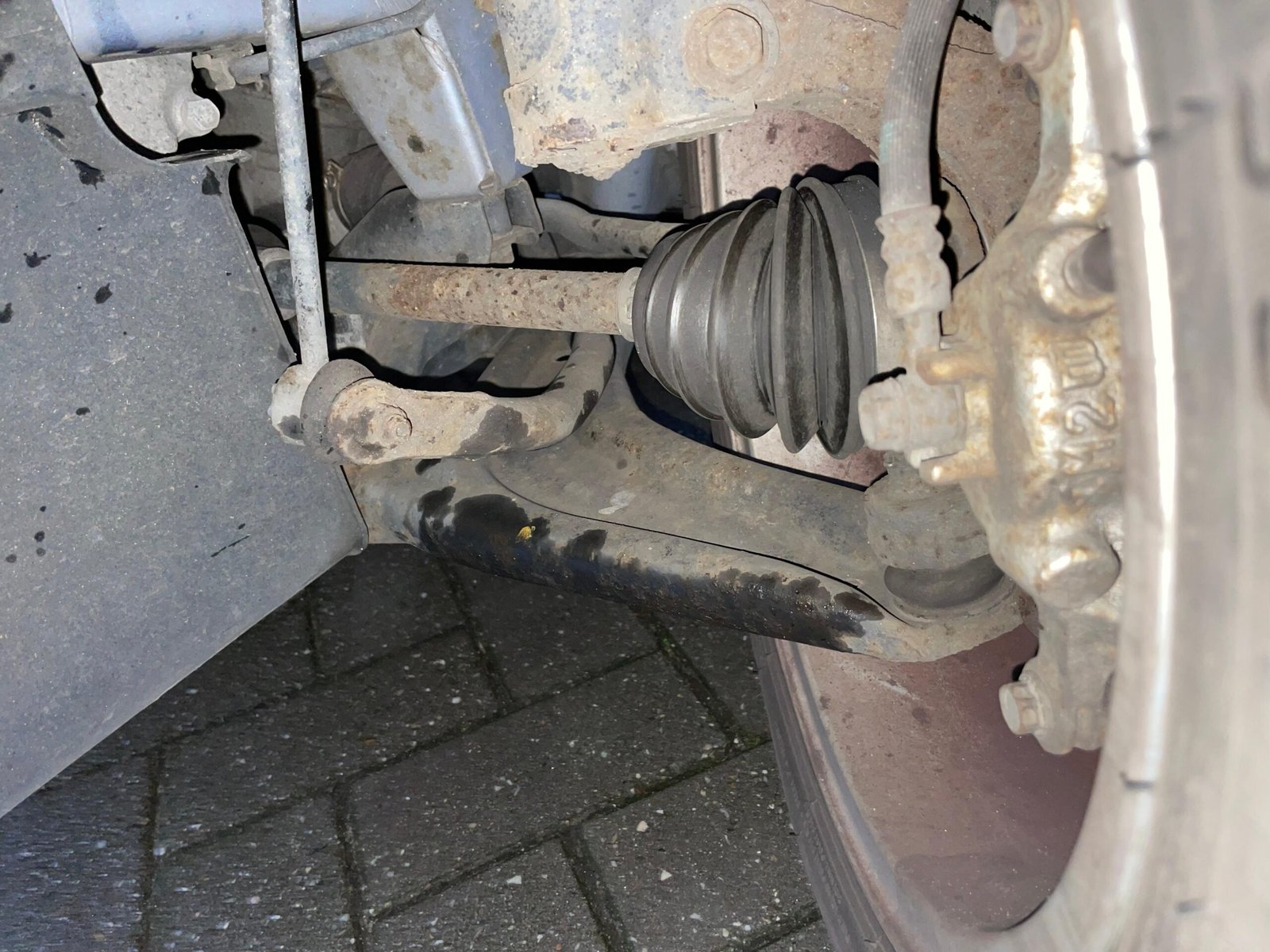
Parts like CV joints and driveshafts transfer power to your wheels. If these are worn, you’ll feel wobble, especially when turning or accelerating.
Signs:
- Clicking sounds when turning.
- Grease leaking from CV boot.
- Vibrations that get worse with speed.
How To Fix:
- Replace damaged CV joints or driveshafts. This is a job for an experienced DIYer or a mechanic.
Wheel Alignment Problems
If your wheels are not aligned, they fight each other—causing pulling, uneven tire wear, and sometimes a wobble.
How To Fix:
- Get a professional alignment. Shops use computers to set everything straight.
- Check after hitting potholes or curbs. Alignment can be knocked out easily.
Wheel Bearing Failure
A worn wheel bearing can cause the wheel to move more than it should.
Signs:
- Rumbling or growling noise that gets louder as you drive.
- Excess play in the wheel when shaken side-to-side.
How To Fix:
- Replace the bearing. This usually needs special tools, so a mechanic is best.
Comparison: Common Causes Of Car Wobble
Here’s a quick look at which signs point to which problems:
| Symptom | Likely Cause | Quick Check |
|---|---|---|
| Wobble at low speed only | Tire or wheel issue | Inspect tires/wheels |
| Wobble while braking | Brake rotor or pad issue | Check rotors/pads |
| Vibration while turning | CV joint or suspension | Listen for clicking |
| Steering feels loose | Tie rods/ball joints | Wiggle wheels |
| Noise gets louder with speed | Wheel bearing | Check for rumble |
How To Fix Car Wobble: Step-by-step Solutions
Now that you know the causes, here’s a step-by-step plan to fix the wobble:
1. Fix Obvious Tire Or Wheel Problems
- Replace damaged tires.
- Balance all four wheels.
- Swap bent wheels for a spare.
2. Tighten And Check Wheel Lug Nuts
- Use a torque wrench if possible.
- Tighten in a star pattern for even pressure.
3. Inspect And Replace Worn Suspension Parts
- Check for movement in tie rods and ball joints.
- Replace worn bushings or suspension arms.
4. Service Or Replace Brake Components
- Install new rotors or pads if warped or uneven.
- Clean and lubricate caliper slides.
5. Address Drivetrain Faults
- Replace broken CV joints.
- Check driveshaft for bends or damage.
6. Get Professional Wheel Alignment
- Ensure all wheels point straight.
- Ask for a printout of before/after alignment specs.
7. Replace Bad Wheel Bearings
- If you hear growling or see wheel play, replace the bearing.
Preventing Car Wobble In The Future
Prevention saves money and headaches. Here are some tips:
- Check tire pressure monthly.
- Rotate tires every 6,000 miles (10,000 km).
- Avoid potholes and curbs.
- Get yearly alignments.
- Inspect brakes and suspension during oil changes.
- Fix problems early. Small issues become expensive if ignored.
Credit: www.youtube.com
Real-world Example: Diagnosing A Mystery Wobble
Imagine your car wobbles every morning for a few minutes, then smooths out. You check the tires and find flat spots. Turns out, leaving your car parked for weeks in cold weather created flat spots on the soft tires. Driving warms up the rubber, and the wobble goes away.
Fix: Move the car weekly, inflate tires to the correct pressure, and park on a surface that’s not too cold.
Data Table: Fixes And Estimated Costs
Car repairs can be expensive, but some fixes are affordable. Here’s a typical cost comparison:
| Repair | DIY Cost (USD) | Shop Cost (USD) |
|---|---|---|
| Tire balancing | — | 30-60 (set of 4) |
| Replace tire | 80-200 (per tire) | 100-250 (per tire) |
| Wheel alignment | — | 75-120 |
| Replace wheel bearing | 60-120 (part) | 200-400 (parts + labor) |
| Replace CV joint | 80-180 (part) | 250-500 (parts + labor) |
Tip: If you’re not sure about a repair, get a second opinion or quote. A good mechanic will explain the problem and show you the bad part.
When To See A Mechanic
While some wobbles are easy to fix, others need professional tools or skills. See a mechanic if:
- You hear loud clunks, grinding, or metal-on-metal noise.
- The steering wheel shakes violently.
- The wobble does not improve after checking tires and wheels.
- You’re not confident doing the checks yourself.
A wobble is not just a comfort issue—it can affect safety and make your car harder to control.
Additional Resources
For more details on car suspension and tire issues, you can visit Wikipedia’s Vehicle Dynamics page.
Credit: www.reddit.com
Frequently Asked Questions
What Is The Most Common Cause Of Car Wobble At Low Speeds?
The most common cause is a tire problem—like a flat spot, bulge, or out-of-balance tire. Even a small issue in one tire can make the whole car wobble, especially at low speeds.
Can Bad Alignment Cause A Car To Wobble?
Yes, bad alignment can cause wobbling, but it’s more likely to cause pulling to one side and uneven tire wear. Wobbling from alignment is usually mild unless combined with other issues.
Is It Safe To Drive With A Wobbling Car?
It is not safe to drive with a car that wobbles. The cause might be a loose wheel, bad bearing, or worn suspension. These can lead to loss of control or more serious damage.
How Do I Know If My Wheel Is Bent Or Just Out Of Balance?
A bent wheel often causes a visible wobble as it spins and may cause a thumping sound. An out-of-balance wheel usually causes vibration but not visible movement. Both need attention, but a bent wheel often needs repair or replacement.
How Often Should I Balance My Tires To Avoid Wobble?
Most experts recommend balancing your tires every 6,000 to 8,000 miles (about every 10,000 to 13,000 km), or whenever you notice vibration or after hitting a large pothole.
Car wobbles at low speed are frustrating but almost always fixable. With some careful checks and quick action, you’ll be back to a smooth, safe ride in no time.