
If you hear rattling or scraping under your car, or notice the exhaust pipe hanging lower than usual, it’s a sign you have a loose exhaust pipe. Many car owners ignore this problem, but it can grow into something much more serious—and expensive. A loose exhaust can cause noise, reduce your car’s fuel efficiency, and even allow dangerous fumes to enter the cabin. The good news: you can often fix a loose exhaust pipe yourself with some basic tools and a bit of patience.
This guide will help you understand the causes, risks, and step-by-step solutions to fix a loose car exhaust pipe. Whether you’re a beginner or have some car repair experience, you’ll find practical tips and common mistakes to avoid. Let’s dive in and get your car back to running quietly and safely.
Why Exhaust Pipes Come Loose
Every car’s exhaust system faces stress from heat, vibration, and road conditions. Over time, some parts can loosen or break. Here are the most common reasons your exhaust pipe might become loose:
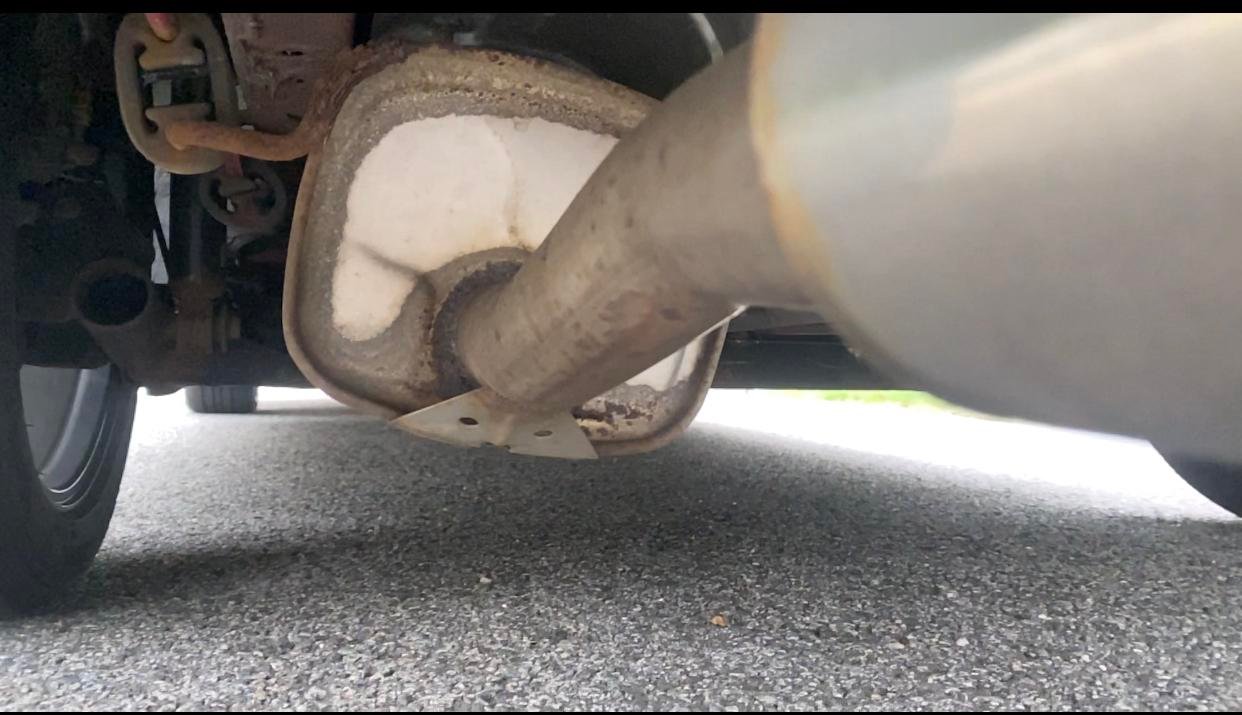
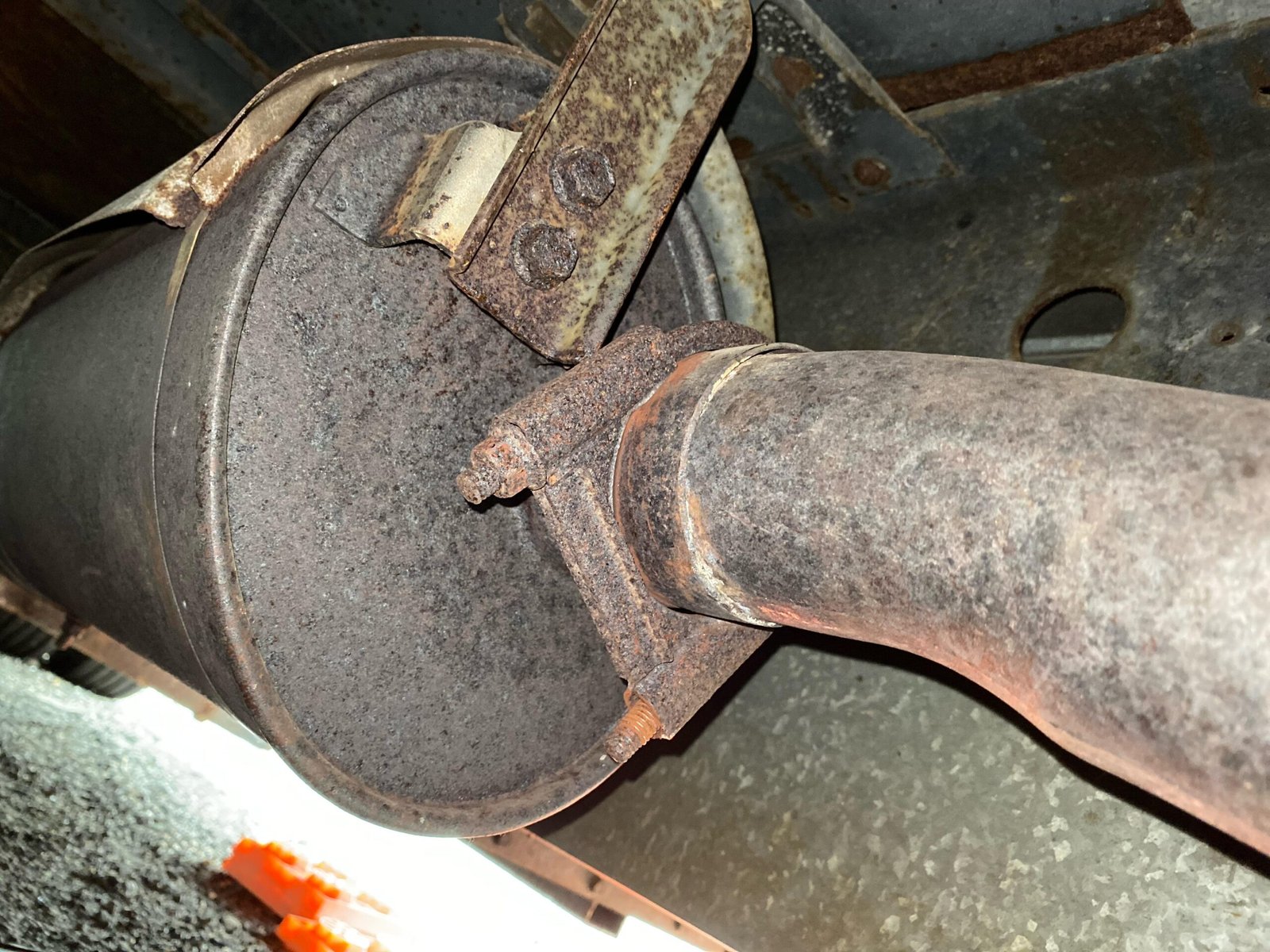
- Rust and Corrosion: Water, salt, and road debris can cause metal parts to rust. Rust weakens the exhaust mounts, clamps, and the pipe itself, making them more likely to loosen or break.
- Broken or Worn Hangers: The exhaust is held up by rubber hangers. These can break or stretch, especially after years of use or if they’re exposed to extreme temperatures.
- Loose Clamps or Bolts: The exhaust system uses clamps and bolts to connect different sections. These can vibrate loose over time, especially if not tightened properly during past repairs.
- Physical Damage: Speed bumps, potholes, or hitting debris can bend or knock loose parts of the exhaust.
- Poor Installation: If a repair wasn’t done correctly, you might end up with a loose exhaust even if all parts are new.
Non-obvious insight: Many people don’t realize that even small exhaust leaks or loose parts can trigger warning lights on newer cars, as sensors detect changes in exhaust pressure.
Risks Of Driving With A Loose Exhaust Pipe
Ignoring a loose exhaust pipe isn’t just annoying—it can be dangerous. Here’s why you should fix it quickly:
- Noise Pollution: A loose exhaust can make rattling or clunking sounds, which can become louder over time.
- Reduced Fuel Efficiency: Exhaust leaks can confuse your car’s sensors, causing the engine to burn more fuel.
- Harmful Fumes: Gaps in the exhaust system can let carbon monoxide and other gases enter the cabin. These fumes are dangerous and can cause headaches or worse.
- Failed Emissions Test: Many countries and states require cars to pass emissions tests. A leaky exhaust often means automatic failure.
Non-obvious insight: A loose exhaust pipe can also damage other parts of your car, like the underbody or even the rear suspension, if it drags or swings while you drive.
Credit: www.reddit.com
Tools And Materials Needed
Before starting the repair, gather these items:
- Car jack and jack stands (never trust a jack alone)
- Safety glasses and gloves
- Socket set or wrenches
- WD-40 or penetrating oil
- Replacement rubber hangers or metal clamps (if needed)
- Exhaust repair putty or tape (for temporary fixes)
- Wire brush
- Flashlight
Optional but helpful:
- Breaker bar (for stuck bolts)
- Torque wrench
- Anti-seize compound
Some of these are available at auto parts stores or online. If you’re unsure about the size of hangers or clamps, check your car’s manual or ask at the parts counter.
Diagnosing The Problem
Before you start fixing, it’s important to find out exactly what’s wrong. Here’s how:
- Listen for Sounds: Rattling, clunking, or scraping under the car usually means something is loose.
- Visual Inspection: Safely jack up the car and secure it with jack stands. Slide under and look for:
- Pipes hanging lower than normal
- Broken or missing hangers
- Rusty, missing, or broken clamps/bolts
- Cracks or holes in the exhaust pipe
- Check for Leaks: Start the engine (with the car still safely raised). Be careful—don’t touch hot parts. Look and listen for escaping air or smoke around joints and pipes.
Practical tip: If you smell strong exhaust fumes under the car, wear a mask and ventilate the area well.
How To Fix A Loose Exhaust Pipe: Step-by-step
Once you know what’s wrong, you can start the repair. Here’s a step-by-step process:
1. Secure The Car
- Park on a flat surface.
- Turn off the engine.
- Use the parking brake.
- Raise the car with a jack and secure it with jack stands.
Never work under a car supported by a jack only.
2. Identify The Problem Area
- Use a flashlight to check all exhaust hangers, clamps, and pipe sections.
- Wiggle the exhaust pipe gently to see where it moves most.
3. Tighten Loose Clamps Or Bolts
- If the pipe is loose at a joint, use a socket or wrench to tighten any visible clamps or bolts.
- Spray rusty bolts with WD-40 and wait a few minutes before trying to loosen or tighten.
4. Replace Broken Or Worn Hangers
- If you find a broken rubber hanger, remove it (usually slides off metal hooks).
- Install a new hanger of the same size and shape.
- Make sure the pipe sits at the correct height and doesn’t touch the car body.
5. Add Or Replace Clamps
- If a clamp is missing or broken, buy a new one that matches the pipe size.
- Position the clamp over the joint and tighten evenly.
- Don’t overtighten—this can crush the pipe.
6. Repair Small Holes Or Cracks
- For temporary fixes, use exhaust repair putty or tape.
- Clean the area with a wire brush.
- Follow the instructions on the repair product.
- Let it cure as recommended before driving.
7. Test Your Repair
- Lower the car and start the engine.
- Listen for any remaining rattles or leaks.
- Check that the exhaust pipe no longer hangs low or moves excessively.
If the problem returns quickly, the damage may be more serious. In that case, see a mechanic.
Common Mistakes To Avoid
Even simple repairs can go wrong. Here are mistakes to watch out for:
- Using the Wrong Parts: Exhaust hangers and clamps come in many sizes. Using the wrong type can cause the pipe to come loose again.
- Ignoring Rust: If parts are badly rusted, simply tightening won’t help. Replace them to avoid future problems.
- Not Securing the Car Properly: Never crawl under a car without jack stands. This is a major safety risk.
- Overtightening Clamps: Too much force can crush the exhaust pipe, causing leaks.
- Skipping the Test Run: Always start the car and check your repair before driving away.
When To See A Mechanic
While many loose exhaust pipe problems are DIY-friendly, some situations need a professional:
- The pipe is badly bent or crushed
- Major rust or large holes
- You see broken welds
- Exhaust is close to fuel lines or sensitive parts
If you’re not confident, it’s safer to let a mechanic handle the repair. Skilled mechanics can also check for deeper problems you might miss.
Cost Comparison: Diy Vs. Mechanic
To help you decide whether to fix it yourself or visit a mechanic, here’s a quick cost comparison:
| Repair Type | DIY Cost (USD) | Mechanic Cost (USD) |
|---|---|---|
| Replace Hanger | 5–15 | 30–60 |
| Tighten/Replace Clamp | 8–20 | 40–80 |
| Exhaust Putty/Tape | 7–15 | 35–60 |
| Full Pipe Replacement | 60–120 | 200–600 |
DIY is usually much cheaper, but only if you’re comfortable and the problem is minor.
Credit: www.reddit.com
Choosing The Right Replacement Parts
Picking the correct parts is key to a long-lasting fix. Here’s what matters:
- Hanger Size and Shape: Measure the old hanger or take it to the parts store.
- Clamp Diameter: Exhaust clamps are sized by pipe diameter (for example, 2.25 inches). Check your pipe before buying.
- Material: Stainless steel parts last longer than regular steel, especially in wet or snowy climates.
Here’s a quick look at common exhaust hanger types:
| Hanger Type | Best For | Pros | Cons |
|---|---|---|---|
| Rubber Loop | Most cars | Cheap, easy to install | Can break with heat or age |
| Polyurethane | Performance cars | Very strong | More expensive |
| Bracket & Bolt | Heavy exhausts | Very secure | Harder to fit |
If you’re unsure, ask for help at the parts counter or check an online parts diagram for your car model.
How Long Will A Diy Repair Last?
The life of your fix depends on several factors:
- Quality of Parts: Cheap rubber hangers may last only a year or two. Polyurethane or stainless steel can last much longer.
- Driving Conditions: Rough roads or salty climates wear out exhaust parts faster.
- Quality of Installation: A careful, secure installation lasts longer than a rushed job.
Here’s a basic estimate:
| Repair Type | Average Lifespan |
|---|---|
| Standard Rubber Hanger | 2–4 years |
| Polyurethane Hanger | 5–8 years |
| DIY Clamp Tightening | 1–3 years |
| Exhaust Putty/Tape | Weeks to months |
Pro tip: Check your exhaust system every oil change (about every 5,000 miles) to spot new problems early.
Safety Tips For Diy Exhaust Repairs
Working under your car can be risky if you’re not careful. Here’s how to stay safe:
- Always use jack stands, not just a car jack.
- Wear gloves to avoid burns or cuts.
- Let the exhaust cool before touching it—pipes can stay hot for an hour after driving.
- Work in a well-ventilated area. Never start the engine in a closed garage.
- Keep a phone nearby in case you need help.
Preventing Future Loose Exhaust Problems
Once you’ve fixed the issue, take these steps to prevent it from coming back:
- Inspect Regularly: Look under your car every few months, especially after winter or rough driving.
- Avoid Potholes and Road Debris: Slow down for speed bumps and avoid obstacles.
- Replace Worn Parts Early: Don’t wait for hangers or clamps to break completely.
- Wash the Undercarriage: Salt and grime cause rust. Rinse the underside of your car if you drive in snowy or coastal areas.
A little attention goes a long way in avoiding repeat repairs.
Credit: www.andrewscarcentre.com
Where To Learn More
For detailed illustrations and step-by-step videos, you can visit the official Wikipedia Exhaust System page. Always use trusted sources if you’re unsure about any part of the repair.
Frequently Asked Questions
How Do I Know If My Exhaust Pipe Is Loose?
Common signs are rattling or clunking noises from under the car, visible sagging or movement of the pipe, and sometimes a strong exhaust smell inside the car. If you notice any of these, check the exhaust system as soon as possible.
Can I Drive With A Loose Exhaust Pipe?
It’s not safe to drive with a loose exhaust pipe for long. It can fall off, damage other parts, or let harmful gases enter the cabin. If you must drive, keep trips short and repair the issue quickly.
What Should I Do If The Exhaust Pipe Is Dragging On The Ground?
Stop driving immediately. A dragging exhaust can catch on something and cause more damage or even a fire. Secure it temporarily with wire or a coat hanger, and drive slowly to a repair shop if you can’t fix it at home.
Do I Need Special Tools To Fix A Loose Exhaust?
Most repairs need basic tools like wrenches, a jack, and jack stands. For rusted or stuck bolts, a breaker bar and penetrating oil can help. Specialized tools are only needed for advanced repairs or welding.
How Much Does It Cost To Fix A Loose Exhaust Pipe?
DIY repairs can cost as little as $10–$30 for hangers or clamps. A mechanic may charge $40–$100 for simple fixes, but major repairs or replacement can cost much more. The exact price depends on your car’s make, the parts needed, and local labor rates.
Fixing a loose car exhaust pipe doesn’t have to be stressful. With the right approach, most people can handle minor repairs at home and enjoy a quieter, safer ride. If you’re ever unsure, it’s always smart to get a professional opinion.