
Parking your car on a rainy day or stepping in with muddy shoes can turn your car’s floor from spotless to stained in just seconds. This is why car floor mats are not just an accessory—they’re a necessity. But while most drivers buy mats for protection and style, many don’t realize that proper installation is just as important as choosing the right mat. A mat that slides or curls can become a safety hazard, or simply fail to protect your car’s carpet. Whether you just bought a new set or want to ensure your current ones are doing their job, knowing how to install car floor mats correctly can make a real difference. Let’s look at how to do it the right way, what mistakes to avoid, and how to keep your mats (and your car’s interior) in top shape.
Why Installing Car Floor Mats Properly Matters
Car floor mats do more than collect dirt. They protect your vehicle’s resale value, keep the interior smelling fresh, and can even prevent accidents. Loose mats can slide under pedals, causing dangerous driving situations. Overlapping mats may trap moisture, leading to mold and odor. When installed correctly, mats extend the life of your car’s carpet and make cleaning much easier.
Another point often missed: insurance claims. Some insurance companies may deny claims if an accident was caused by poorly installed mats interfering with pedals. So, taking a few extra minutes to install them correctly isn’t just about looks—it’s about safety.
Types Of Car Floor Mats
Before you begin installation, it’s important to know which type of mat you have. Not all mats install the same way, and using the wrong process can lead to poor fit or safety issues.
| Type | Main Material | Fit | Best For |
|---|---|---|---|
| Universal mats | Carpet or Rubber | One-size-fits-most | Budget buyers |
| Custom-fit mats | Rubber, Vinyl, Carpet | Specific to car model | Perfect fit, better protection |
| All-weather mats | Heavy-duty Rubber | Universal or custom | Rain, snow, off-road |
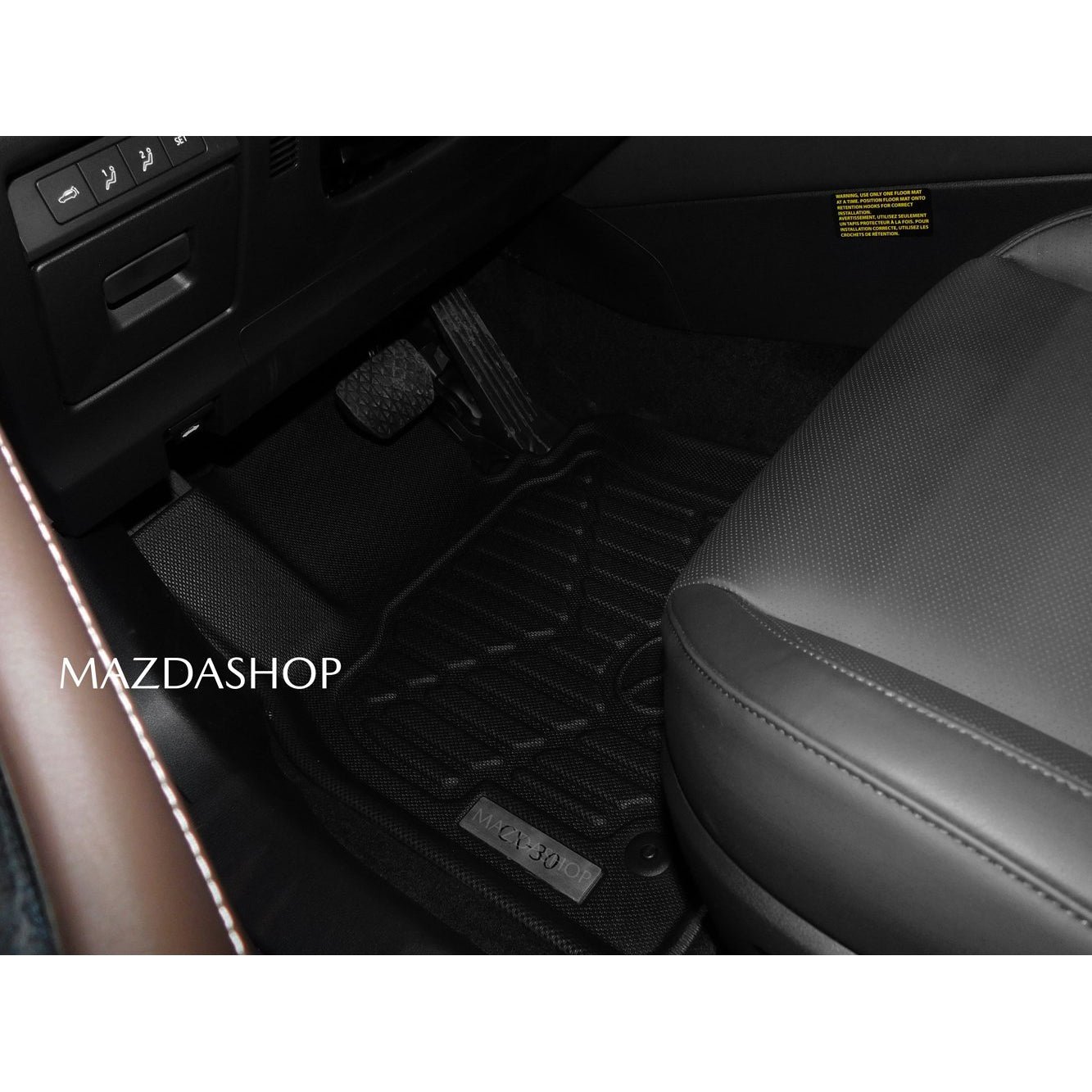
| Liner mats | Thermoplastic | Exact fit, covers edges | Maximum coverage |
Universal mats are easy to find and cheap, but they often require trimming. Custom-fit mats are designed for your car, making installation easier and more secure. All-weather mats offer top protection from mud and spills, while liner mats provide wall-to-wall coverage and are best for those who want the most complete protection.
Credit: mazdashopusa.com
Tools And Preparation
You might think installing mats is as simple as laying them down, but good preparation makes all the difference. Here’s what you’ll need:
- Vacuum cleaner: For cleaning the floor before installation.
- Scissors or utility knife: Needed only if trimming universal mats.
- Cleaning spray and cloth: For wiping away dirt and moisture.
- Owner’s manual: To locate any factory anchor points or clips.
Before installation, always remove the old mats and give the floor a thorough clean. Mats installed over debris can slide more easily and won’t sit flat.
Step-by-step Guide: Installing Car Floor Mats
The right installation steps depend on your mat type, but the basics remain the same. Here’s a reliable process for most cars:
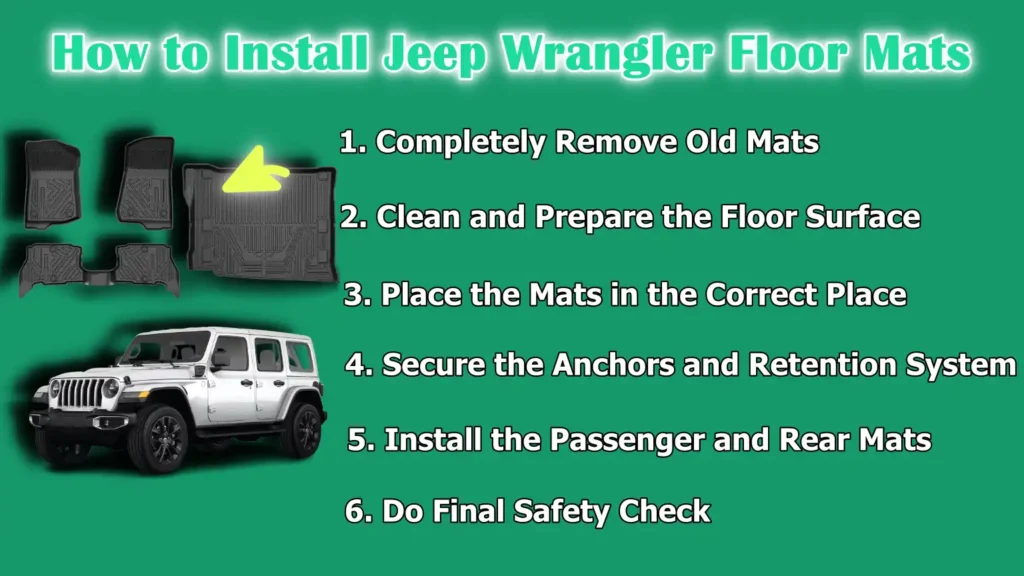
1. Remove Old Mats And Clean
Take out all existing mats, including any factory liners. Vacuum the carpet, especially around the pedals and under the seats. Wipe down the area with a damp cloth and let it dry. This ensures your new mats won’t trap dirt or moisture underneath, which can cause bad odors or even mold.
2. Test Fit The New Mats
Lay each mat on the correct side of the car. Most mats are labeled “driver” or “passenger. ” Make sure the mat sits flat, covers the main area, and doesn’t interfere with any pedals or seat rails. For rear mats, check that they don’t bunch up under the front seats.
3. Secure The Driver’s Mat
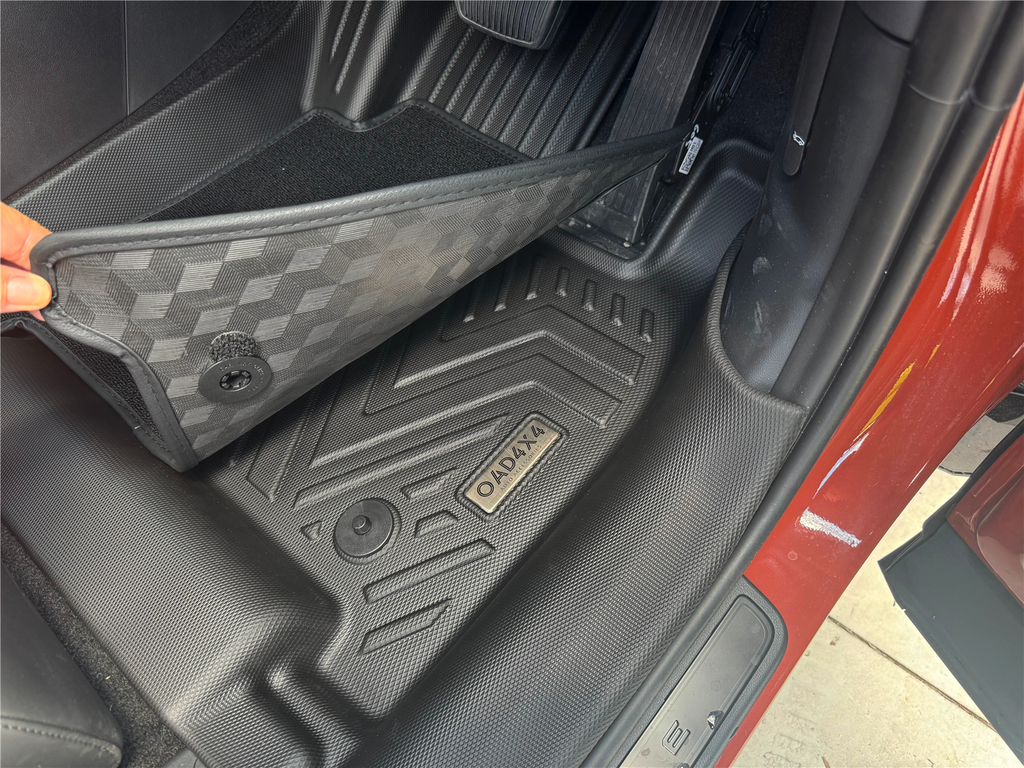
The driver’s mat is the most critical for safety. Many cars have anchor points (little hooks or Velcro patches) that hold the mat in place. Align the mat’s holes with these anchors and press or snap them into place. If your mat doesn’t have holes, use non-slip backing or consider buying aftermarket anchors. Never place one mat on top of another—this increases the risk of slipping.
4. Trim Universal Mats If Needed
If you bought universal mats, you may need to trim them for a proper fit. Lay the mat on your car’s floor and mark where it overlaps with the carpet or covers up important areas like seat rails. Use scissors or a sharp knife to cut along the marked lines.
Trim slowly and check the fit as you go—cutting too much can’t be undone.
5. Secure Rear And Passenger Mats
Passenger-side mats are less critical but should still be flat and secure. For rear mats, especially if you have a split design, make sure both pieces meet in the middle and don’t slide around. Use any built-in grips or non-slip pads to keep them stable.
6. Final Safety Check
Before driving, move your seat all the way forward and back to ensure the mat stays in place. Press each pedal fully and check that the mat doesn’t interfere. If you notice movement, adjust or secure the mat again.
Credit: www.orientalauto.com.au
Common Mistakes To Avoid
Installing mats might look simple, but even experienced drivers make mistakes. Here are errors to watch for:
- Stacking mats: Never put a new mat over an old one. This creates layers that can slip and jam pedals.
- Ignoring anchor points: If your car has anchors, always use them. They’re designed for safety.
- Incorrect placement: Mats must not cover up air vents, seat rails, or wiring.
- Using the wrong mat: A mat designed for another car may not fit and can be dangerous.
- Skipping the clean-up: Dirt under the mat can cause sliding and wear out the carpet.
Many people overlook the importance of securing the driver’s mat, thinking it’s “just for looks. ” In reality, most pedal jams caused by mats involve a driver’s mat that wasn’t fastened down.
Caring For Your Car Floor Mats
Proper installation is only the beginning. Keeping mats in good shape extends their life and keeps your car clean.
- Vacuum regularly: Remove mats every few weeks and shake out loose dirt. Vacuum both sides before putting them back.
- Wash as needed: Rubber and all-weather mats can be washed with water and a mild soap. Carpet mats may need special cleaners.
- Dry thoroughly: Before reinstalling, let mats dry completely. Damp mats can lead to mold under the carpet.
- Check fit and anchors: After washing, make sure mats are still secure and haven’t shrunk or warped.
- Replace damaged mats: If you see cracks, holes, or worn spots, replace the mat. Damaged mats won’t protect as well and may become slippery.
A pro tip: rotate your mats between front and rear (if they fit) every few months. This helps them wear evenly, especially if you drive alone most of the time.
Comparing Custom Vs. Universal Mats
Still deciding if you should stick with universal mats or invest in custom-fit ones? Here’s a quick comparison to help you decide:
| Feature | Custom-fit Mats | Universal Mats |
|---|---|---|
| Fit | Perfect, covers all areas | May require trimming, loose edges |
| Installation Time | Faster, no trimming | Slower, may need adjustments |
| Price | Higher | More affordable |
| Protection | Maximum | Moderate |
| Style Options | Many choices, matches interior | Basic, fewer options |
Most car owners find that custom-fit mats offer better protection and a cleaner look, especially for newer vehicles. Universal mats are a budget solution but may slip or require frequent adjustments.
Real-world Examples
Imagine a taxi driver who puts 100,000 miles on their car every year. Their floor mats not only deal with mud and spills but constant movement as passengers get in and out. In this case, a custom-fit, all-weather mat is a smart investment.
The mat can be cleaned quickly with a hose and won’t slide around, even with heavy use.
Another example: a weekend hiker with a compact car. They might choose liner mats to protect against mud, leaves, and stones. These mats cover more than just the flat floor—they wrap up the sides, so nothing gets under the carpet.
Credit: dondodicarcustoms.com
Non-obvious Installation Tips
- Check for hidden anchor points: Some cars have hidden mat anchors under the carpet. Consult your manual if you can’t find them.
- Consider odor control: Some rubber mats off-gas when new. Let them air out before installing, especially in hot weather.
- Don’t forget the trunk: If you haul sports gear or groceries, consider a liner for the trunk. It’s often the messiest spot in a car.
- Watch for seat movement: After installing, move the front seats back and forth. Some mats can catch under the rails, causing jams.
- Test after heavy cleaning: If you shampoo your carpets, wait until they’re completely dry before reinstalling mats. Even a little moisture can create a musty smell.
When To Replace Your Car Floor Mats
Even the best mats wear out. Signs it’s time for new ones:
- The mat slides even after being anchored.
- There are holes or cracks, especially under the pedals.
- Edges are curled or frayed.
- The mat no longer covers the carpet as it should.
- Odors persist even after cleaning.
Replacing mats regularly keeps your car’s interior fresh and maintains safety.
Frequently Asked Questions
What Is The Safest Way To Install A Driver’s Floor Mat?
The safest way is to use the factory anchor points or clips that come with your car. Align the mat and snap it into place. If your mat doesn’t have holes, choose a mat with a non-slip backing, but avoid stacking mats. Always check that the mat does not interfere with pedal movement.
Can I Use Universal Mats In Any Car?
Universal mats fit most cars, but they may require trimming. Always lay the mat in place and cut carefully to avoid blocking pedals or seat rails. Universal mats are less secure than custom-fit mats, so check them regularly for movement.
How Often Should I Clean My Car Floor Mats?
Clean your mats at least once a month. In rainy or snowy weather, clean them more often to prevent salt and mud from building up. Shake out dirt, vacuum both sides, and wash rubber mats with soap and water. Allow mats to dry fully before reinstalling.
Are Weatherproof Mats Better Than Carpet Mats?
Weatherproof mats (like heavy-duty rubber or thermoplastic) protect better against mud, water, and spills. They’re easier to clean and last longer. Carpet mats can look better in some interiors but require more maintenance and offer less protection in harsh weather.
Where Can I Find More Information About Car Mat Safety?
For detailed guidelines and safety recalls, you can check resources from the National Highway Traffic Safety Administration. They offer up-to-date advice on proper installation and potential safety issues.
Installing car floor mats may seem simple, but doing it correctly protects your investment and keeps your drive safe. Take a few extra minutes, follow these steps, and you’ll enjoy a cleaner, safer car every time you get behind the wheel.