
Installing a car performance ECU tune can transform your driving experience. For many car lovers, tweaking the engine control unit (ECU) is a way to unlock hidden power, improve throttle response, and make the car feel unique. Yet, installing an ECU tune is not as simple as plugging in a device and pressing a button.
It’s a process that needs clear steps, careful attention, and the right information for safe and effective results. Whether you want more horsepower or better fuel efficiency, this guide walks you through everything you need to know about installing a performance ECU tune—no mechanic degree required.
What Is A Performance Ecu Tune?
The engine control unit (ECU) is your car’s main computer. It controls fuel injection, ignition timing, turbo boost (if present), and other engine operations. A performance ECU tune means changing the software on this computer. The new software, called a “tune” or “map,” changes how the engine works. This can make your car faster, smoother, or more fuel-efficient, depending on your goals.
A performance tune usually does one or more of these:
- Increases horsepower and torque
- Improves throttle response
- Changes fuel efficiency
- Raises the rev limiter or speed governor
- Adjusts turbo boost pressure
Many car manufacturers use conservative settings to meet emissions and reliability rules. A custom tune can safely push your car closer to its true potential, as long as you follow the right steps.
Types Of Ecu Tunes
Choosing the right tune depends on your car, your goals, and your budget. Here’s a quick overview.
| Tune Type | Main Benefit | Typical Cost |
|---|---|---|
| Plug-and-Play (Handheld) | Quick, easy power boost | $300–$700 |
| Custom Dyno Tune | Maximum performance, tailored to your car | $500–$2,000+ |
| Flash Tune (Software) | Balance of power and safety | $400–$900 |
1. Plug-and-play Handheld Tuner
A small device plugs into the car’s OBD-II port. You select a tune, and the device programs the ECU. This is the easiest type for beginners.
2. Custom Dyno Tune
A professional tuner uses a dynamometer to measure your car’s power and adjust the ECU software for your exact setup. It’s more expensive but gives the best results, especially if your car has other performance upgrades.
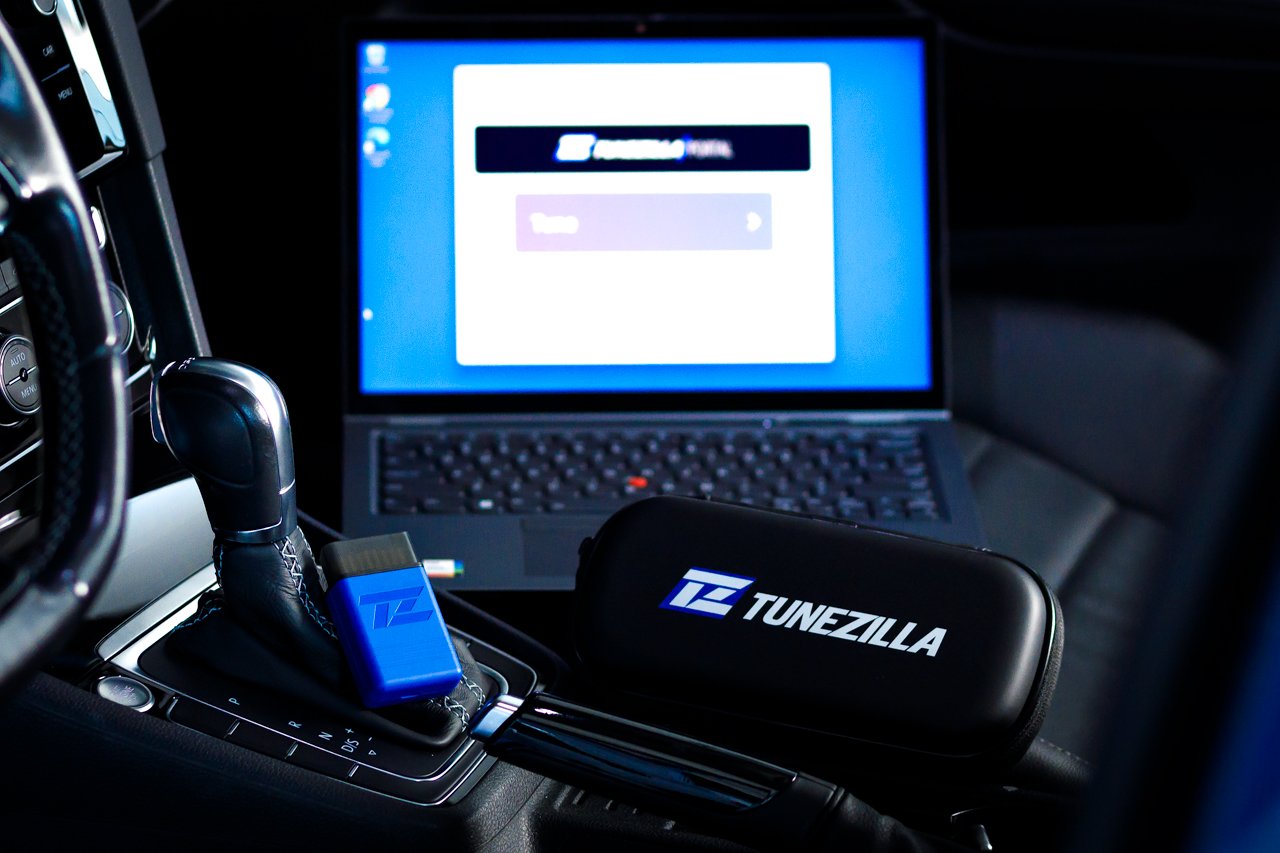
3. Flash Tune Via Laptop
You use a laptop and special software to “flash” the ECU with a new map. This method balances control, cost, and customizability.
Non-obvious insight: The safest tunes are usually those made for your car’s exact year, engine, and modifications. Generic tunes might not deliver reliable results.

Credit: www.ecodetuning.com
What You Need Before Starting
Before you install a performance ECU tune, gather the right tools and information.
- Tuning device or software (handheld, laptop-based, etc.)
- Laptop or PC (if using software-based tune)
- OBD-II cable (connects car to device/computer)
- Charger or battery maintainer (to prevent battery drain during tuning)
- Stock tune backup (always save your original ECU map!)
- Reliable internet connection (for downloads or tech support)
- Car owner’s manual (for OBD-II port location and safety steps)
- Quality fuel (some tunes require premium gasoline)
Non-obvious insight: Always check if your car’s battery is healthy. A weak battery can cause the tune process to fail, and a failed tune may leave your car unable to start.
Step-by-step: How To Install A Performance Ecu Tune
Let’s go through the process, assuming a typical flash tune for a modern car.
1. Research And Choose The Right Tune
Not all tunes fit all cars. Check:
- Your car’s make, model, year, and engine
- Any engine modifications (intake, exhaust, turbo, etc.)
- The type of fuel you use
Some tuners offer different maps for stage 1, stage 2, or stage 3 modifications. Pick the one that matches your setup. Read reviews and join car forums to see what works best for your vehicle.
2. Prepare Your Car
- Fill the tank with the right fuel (some tunes require premium)
- Make sure the engine is healthy (no check engine lights, strange noises, or leaks)
- Warm up the engine to normal operating temperature
- Park the car in a safe, well-ventilated area
3. Connect The Tuning Device
- Turn off all accessories (radio, AC, lights)
- Plug the tuning device or OBD-II cable into the car’s OBD-II port (usually under the dash, near the driver’s seat)
- If using a laptop, connect it to the tuning cable and start the tuning software
4. Backup Your Stock Ecu Map
Before making any changes, always save the original ECU software. Most tuning devices or software have a “read ECU” or “backup” function. Store this file safely—you’ll need it if you want to return the car to stock.
5. Select And Load The Tune
- Follow the instructions for your tuning device or software
- Select the tune file that matches your car and modifications
- Start the flashing process
This step can take 5–20 minutes. Do not turn off the ignition, open doors, or disconnect cables during this time. A loss of power can “brick” your ECU, making the car undriveable.
6. Wait For The Process To Finish
The device or software will usually confirm when the tune is complete. Some cars may show warning lights or messages during the process—this is normal and will reset after the tune.
7. Verify And Test
- Turn off the ignition, wait 30 seconds, then restart the car
- Check for warning lights or error codes
- If everything looks normal, take the car for a gentle drive
Listen for unusual sounds. Test acceleration, throttle response, and overall smoothness. If the car feels rough or a check engine light appears, stop and review the process. You may need to reload the stock map or contact support.
Example: On a 2018 Volkswagen Golf GTI, a stage 1 flash tune can add 40–60 horsepower and 60–80 lb-ft of torque, often with better throttle response and smoother power delivery.
Common Mistakes To Avoid
Many beginners make preventable errors. Here’s how to avoid them.
1. Ignoring Battery Health
A weak battery can ruin the flashing process. Always use a charger if unsure.
2. Skipping The Backup
Failing to save your stock ECU map can make repairs difficult and expensive.
3. Using The Wrong Tune
Loading a tune for the wrong car or modifications can cause engine damage.
4. Not Following Instructions
Each tuning device or software is different. Read the manual and watch official videos.
5. Tuning A Broken Engine
ECU tunes do not fix mechanical problems. Always solve check engine codes or leaks first.
After The Tune: What To Expect
Your car should feel more responsive, powerful, and in some cases, smoother. But changes can vary:
| Car Model | Horsepower Gain | Fuel Efficiency |
|---|---|---|
| Ford Mustang EcoBoost | +40–60 HP | +2–4 MPG (city/highway) |
| BMW 335i | +60–100 HP | Similar or slightly lower |
| Subaru WRX | +20–50 HP | Similar to stock |
- Horsepower increase: Most modern turbo engines gain 15–30% more power.
- Fuel efficiency: Some tunes improve MPG if you drive gently; others can lower it if you drive hard.
- Maintenance needs: You may need to use higher-quality fuel, change oil more often, and watch for extra wear on the clutch or transmission.
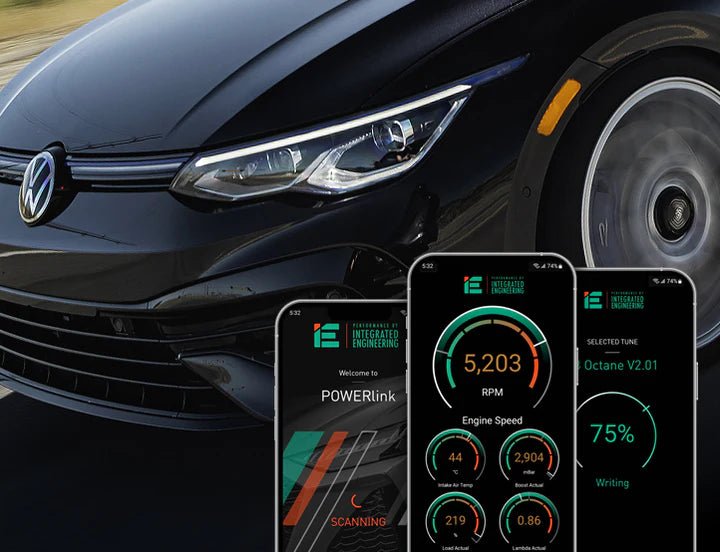
Pro tip: After tuning, monitor your engine with an OBD-II scanner or app. This helps you catch problems early.
Credit: blackforestindustries.com
When To Seek Professional Help
DIY tuning is possible, but some situations require expert help:
- Your car has major engine upgrades (bigger turbo, injectors, etc.)
- You want maximum safety and reliability
- You’re unsure about any step or get error messages
A professional tuner uses a dynamometer and wideband sensors to fine-tune the air-fuel ratio and timing for your car’s exact setup. This can prevent engine damage and give the best possible results.
Is Ecu Tuning Safe?
ECU tuning is safe if:
- You use a reputable tuner or brand
- The tune matches your car and modifications
- The engine is healthy and well-maintained
Risks increase if you push the engine too hard, use poor-quality fuel, or ignore warning signs. Always research and, when in doubt, ask experts on car forums or at tuning shops.
Legal And Warranty Considerations
Changing your ECU software can affect your car’s warranty and local laws.
- Warranty: Dealers may detect a tune and deny warranty claims, especially for engine or transmission problems.
- Emissions: Some tunes disable emission controls, which can be illegal in some countries or states.
- Insurance: Modified cars can have higher insurance premiums. Always inform your insurance company.
Check your local laws before tuning. Some regions have strict rules on emissions and modifications. For more on this, see the Engine Control Unit article on Wikipedia.
Practical Tips For The Best Results
- Use only high-quality, reputable tuning brands or files
- Keep your car’s engine and transmission maintained
- Always run the recommended fuel grade
- Monitor engine parameters after tuning for several weeks
- Revert to the stock map before dealer visits if worried about the warranty
- Join car owner forums for your model to learn from others’ experiences
Credit: tunezilla.com
Frequently Asked Questions
Can I Install An Ecu Tune Myself, Or Do I Need A Mechanic?
Most plug-and-play and flash tunes are designed for home installation. If you follow instructions carefully and have basic tools, you can do it yourself. However, for custom or advanced tunes, a professional tuner is recommended.
Will An Ecu Tune Damage My Engine?
A quality tune matched to your car and modifications is usually safe. Problems arise when using bad files, tuning a broken engine, or pushing the car beyond its limits. Always monitor the engine after tuning.
How Do I Return My Car To Stock If Needed?
Most tuning devices and software allow you to reload the original ECU map. This is why backing up your stock tune is critical. If you lose the backup, a dealer may be able to reflash your ECU for a fee.
Does Ecu Tuning Void My Warranty?
ECU tuning can void parts of your warranty, especially the engine and transmission. Some dealers can detect tuning even if you return the ECU to stock. Check your warranty terms before proceeding.
Is Ecu Tuning Legal Everywhere?
Not always. Some countries and states have laws against modifying emission controls. Always check your local rules before installing a tune.
Making your car faster and more responsive is exciting, but smart preparation and careful steps are the keys to a successful ECU tune. With the right approach, you’ll enjoy new levels of performance every time you drive.