
Upgrading your car’s exhaust tip is one of the easiest ways to boost its style and sound. Many drivers want their car to look sportier, sound deeper, or just stand out from the crowd. A new performance exhaust tip can give you that edge, but only if you install it the right way.
This guide explains every step you need to know, using clear language and real-world advice.
Why Install A Performance Exhaust Tip?
A performance exhaust tip is not just for looks. The right tip can slightly change your car’s sound, make the tailpipe last longer, and even improve resale value. Most car lovers choose exhaust tips for these reasons:
- Better appearance: A shiny, larger, or custom-shaped tip makes your car look more powerful.
- Enhanced sound: Certain designs deepen or sharpen the exhaust note.
- Rust protection: Stainless steel or chrome tips resist rust better than stock pipes.
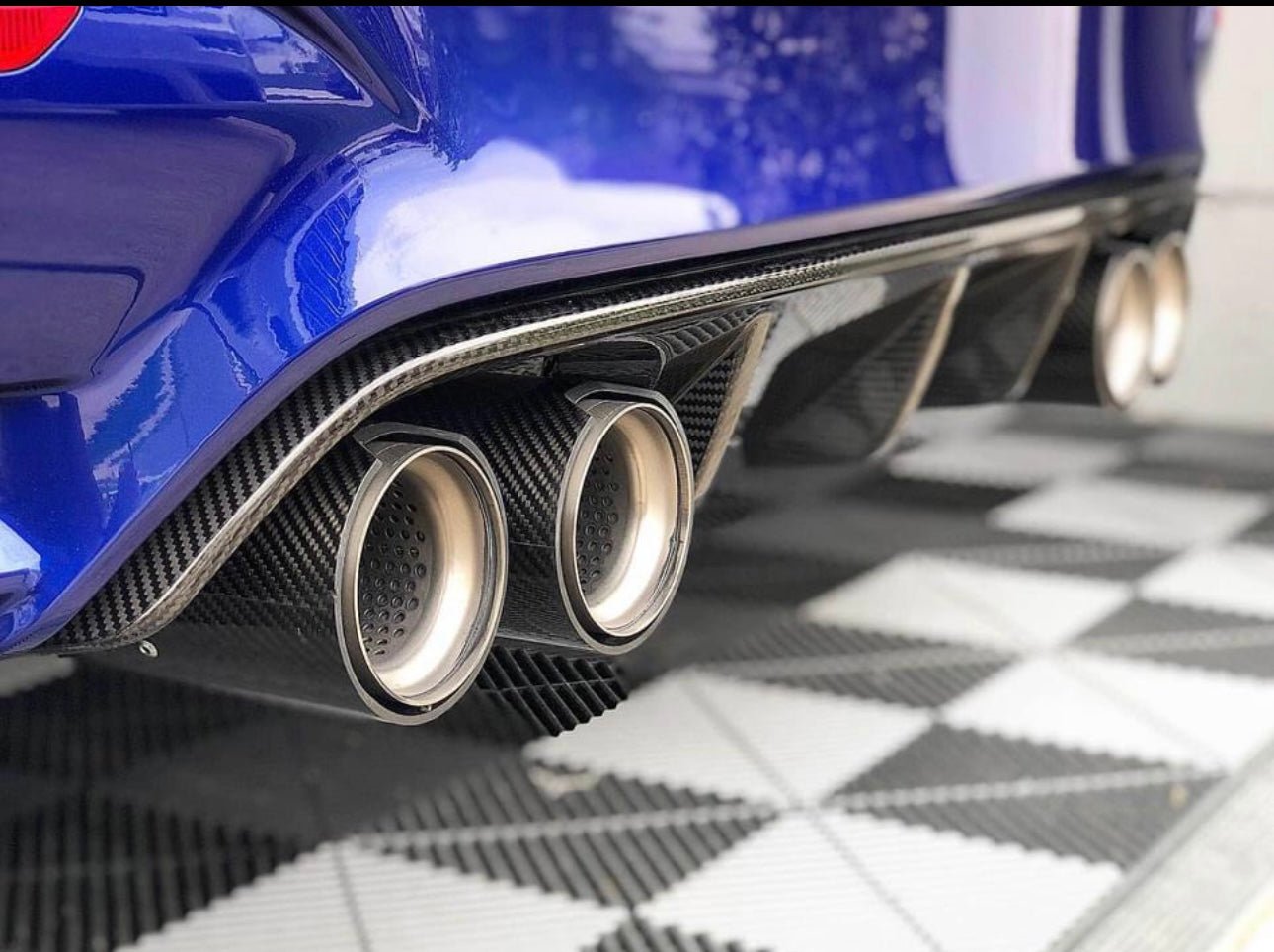
- Personalization: Choose from angled, rolled, or dual tips to match your style.
Many people think an exhaust tip will increase horsepower. In most cases, the power gain is so small you won’t feel it. For real performance improvements, you need a full exhaust system upgrade. But if you want instant visual and sound changes, a tip is the best starting point.
Tools And Materials Needed
Before you start, collect all the tools and materials. This saves time and avoids frustration.
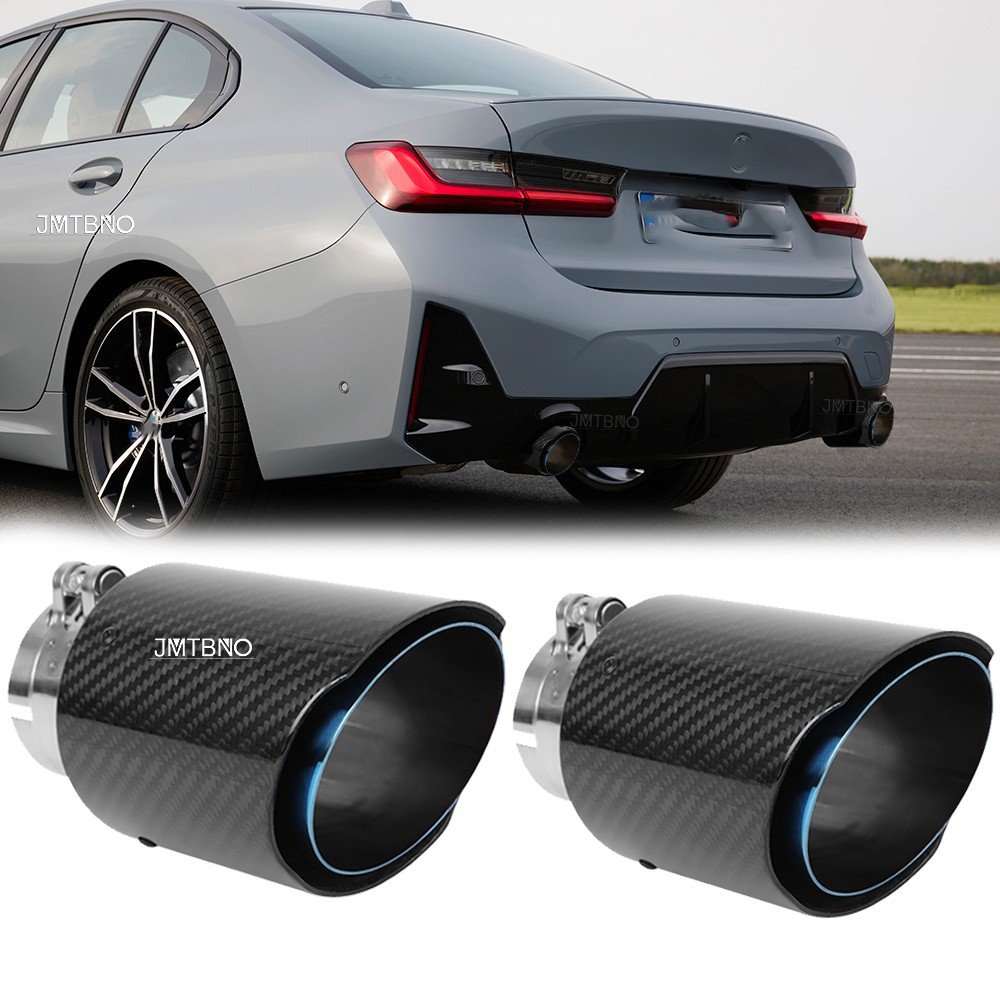
- Performance exhaust tip (choose the right size for your car)
- Socket wrench set
- Screwdriver (flat or Phillips, depending on your tip’s clamp)
- WD-40 or penetrating oil
- Measuring tape
- Work gloves
- Safety glasses
- Jack and jack stands (only if your car’s exhaust sits low)
- Metal file or sandpaper (for cleaning the pipe)
- Exhaust clamp (if not included with the tip)
Some exhaust tips require welding. If you are not experienced with welding, choose a clamp-on tip for easier DIY installation.
Credit: www.ebay.com
Choosing The Right Exhaust Tip
Not all exhaust tips fit every car. Measure your tailpipe’s outer diameter before buying a tip. The most common sizes are between 2 to 3. 5 inches. The tip’s inlet size should match or be slightly larger than your pipe’s diameter.
Here’s a quick comparison of exhaust tip types:
| Type | Look | Sound Impact | Installation |
|---|---|---|---|
| Clamp-On | Easy, clean | Mild | No welding |
| Weld-On | Seamless, permanent | Better seal | Requires welding |
| Bolt-On | Secure | Mild | Simple tools |
Clamp-on and bolt-on tips are best for beginners. Weld-on tips need special skills and tools.
Preparation Steps
Preparation is the key to a smooth installation. Many beginners skip cleaning the old exhaust, which can cause the new tip to fit poorly or fall off.
- Park your car on a flat surface.
- Let the exhaust cool down completely.
- Wear work gloves and safety glasses for protection.
- If the tailpipe is low, use a jack and jack stands to lift the car safely. Never rely only on a jack.
Clean the end of your exhaust pipe with a metal file or sandpaper. Remove rust, dirt, and sharp edges. Spray a little WD-40 if the pipe is rusty or stuck. This step helps the new tip slide on easily and prevents rattling.
Step-by-step Installation Guide
Now, let’s walk through the actual process. The following steps focus on clamp-on and bolt-on tips, which are the most popular DIY options.
1. Measure The Exhaust Pipe
Use a measuring tape to check the outer diameter (OD) of your exhaust pipe. This number is critical—too large or too small, and the tip will not fit correctly.
Pro tip: Check the length available behind the bumper. Make sure the tip does not stick out too much, which can be dangerous or look odd.
2. Test Fit The Exhaust Tip
Before tightening anything, slide the new tip over the cleaned pipe. Check for:
- Snug fit without wobbling
- Even alignment (parallel with the ground)
- Enough clearance from the bumper (at least 1 inch to prevent melting)
If the tip is too tight, gently widen it with pliers or sand the pipe more. If it is too loose, add an exhaust clamp or use a tip with a built-in clamp.
3. Position The Tip
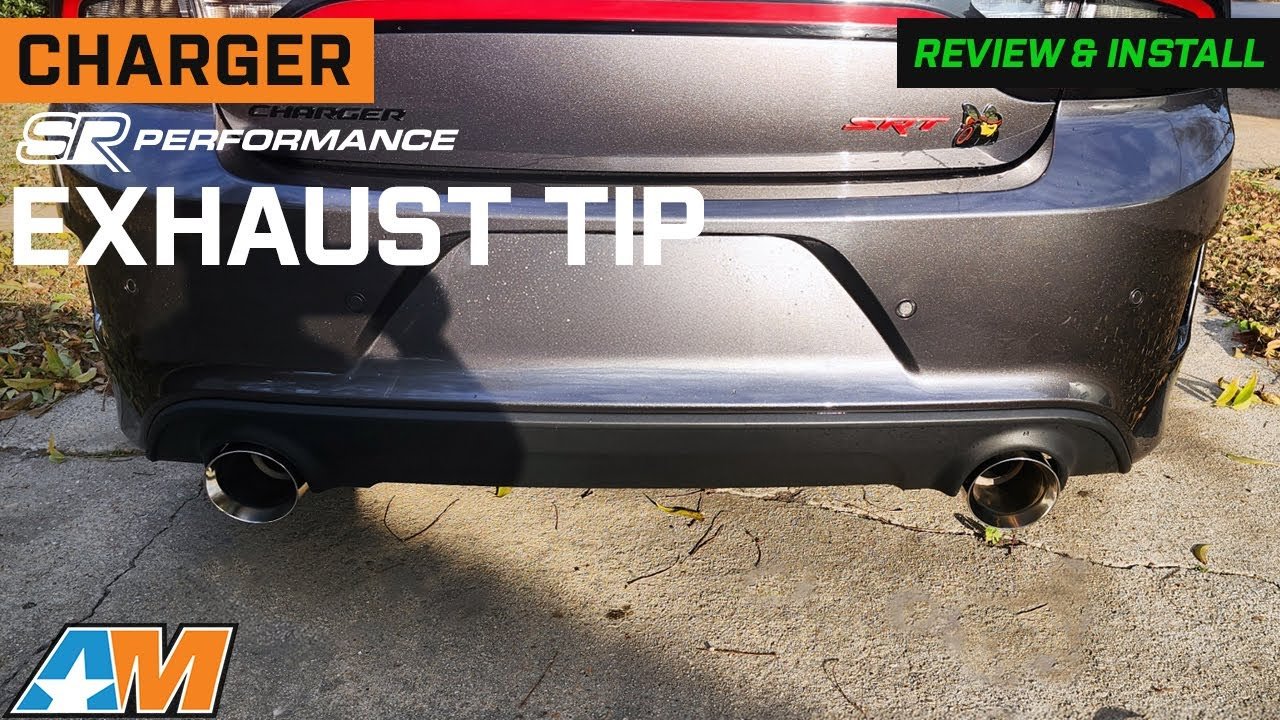
Decide how far you want the tip to extend. Most people prefer 1 to 2 inches past the bumper. Make sure it does not touch the bumper, as heat can cause damage.
Align the tip so it points straight. If your tip is angled or has a logo, check that the angle and logo are visible from behind.
4. Secure The Tip
Tighten the bolts or clamps using a socket wrench or screwdriver. Tighten each side a little at a time, switching sides so the tip pulls on evenly.
- For clamp-on tips: Tighten the clamp until the tip does not move by hand.
- For bolt-on tips: Insert and tighten all bolts firmly.
- For dual-bolt tips: Alternate between bolts for even pressure.
Don’t overtighten. If the clamp or bolt thread strips, the tip could fall off.
5. Double-check And Test
Grab the exhaust tip and give it a gentle shake. It should feel solid, with no movement. Start the engine and listen. Check for any rattling or strange noises. If you hear a rattle, retighten the bolts or adjust the position.
Let the car idle for a few minutes. Check that the tip is not touching the bumper or melting any plastic trim.
Common Mistakes To Avoid
New installers often make simple errors that can lead to problems. Watch out for these common mistakes:
- Skipping the cleaning step: Rust or dirt can stop the tip from fitting tightly.
- Buying the wrong size: Always measure your pipe first, not just guess.
- Overtightening bolts: This can strip threads or crack the tip.
- Tip too close to bumper: Heat can damage paint or plastic.
- Not checking for rattles: Loose tips can fall off while driving.
Always read the instructions that come with your exhaust tip. Some brands have unique installation steps.
Credit: www.youtube.com
Comparing Exhaust Tip Materials
Exhaust tips are made from several materials. The material affects looks, durability, and price.
| Material | Pros | Cons | Best For |
|---|---|---|---|
| Stainless Steel | Rust-proof, strong | Can cost more | Daily drivers |
| Chrome-Plated | Shiny look, affordable | Can chip or rust | Show cars |
| Aluminum | Lightweight, cheap | Not as durable | Temporary upgrades |
Stainless steel tips are the most popular choice for everyday cars because they resist rust. Chrome tips offer a mirror-like shine but need more care. Aluminum tips are only recommended if you want a low-cost, short-term solution.
Tips For Long-term Care
A performance exhaust tip will last longer and look better if you take care of it. Here are some maintenance suggestions:
- Clean the tip every month with car soap and water.
- For chrome or polished tips, use a metal polish to keep them shiny.
- Remove tar or road grime before it hardens.
- Check the tip’s tightness every oil change—bolts can loosen over time.
- Avoid hitting the tip on curbs or speed bumps.
If you live in a place with lots of road salt, clean the tip more often to prevent corrosion.
Real-world Example
Let’s say you drive a Toyota Camry with a 2.25-inch exhaust pipe. You want a sportier look and a deeper sound. You buy a 2.5-inch clamp-on stainless steel tip. After cleaning the pipe and installing the tip, your car now looks more aggressive, and you notice a slightly deeper exhaust note. This simple upgrade cost less than $50 and took about 30 minutes.
Non-obvious Insights
Many first-timers don’t realize that the weight of the exhaust tip can stress older exhaust hangers. If your car’s exhaust hangers are worn or rubbery, replace them before adding a heavy tip. This prevents sagging or knocking noises.
Another tip: Heat expansion can loosen clamps over time, especially after long drives. Retighten the bolts after a week of driving to ensure a secure fit.
When To Seek Professional Help
If your exhaust pipe is badly rusted, has holes, or the tip requires welding, it’s best to visit a mechanic or muffler shop. Professionals have the right tools and experience to handle tricky installations. Paying for expert help can save you from buying the wrong part or damaging your car.
You can find more details about car exhaust systems and maintenance at Wikipedia.
Frequently Asked Questions
Does A Performance Exhaust Tip Increase Horsepower?
No, installing an exhaust tip alone does not add noticeable horsepower. The tip mainly changes the look and sometimes the sound. For real performance gains, you need a complete exhaust upgrade.
Will The Exhaust Tip Make My Car Sound Louder?
Some tips, especially those with a larger diameter or rolled edges, can make your exhaust sound deeper or slightly louder. However, the change is usually mild. Sound differences are more noticeable on cars with performance mufflers.
How Do I Know If A Tip Will Fit My Car?
Measure your exhaust pipe’s outer diameter and check the length behind the bumper. Buy a tip with an inlet size that matches your pipe. If you’re unsure, ask a mechanic or check your car’s manual.
Can I Install An Exhaust Tip Without Special Tools?
Yes, most clamp-on or bolt-on tips only need basic tools like a screwdriver and wrench. Welding is only needed for weld-on tips, which are best left to professionals.
How Do I Keep My Exhaust Tip From Rusting?
Choose a stainless steel tip for the best rust protection. Clean it regularly, especially in winter or if you drive on salted roads. Use metal polish for chrome tips to keep the finish shiny.
Upgrading your car’s exhaust tip is a simple, rewarding project that can transform your vehicle’s style in less than an hour. With the right tools, careful preparation, and a few insider tips, you’ll enjoy a new look and sound every time you drive.
Credit: www.thecarbonindustries.com