
Installing a car remote start system yourself can seem like a big challenge. But with the right tools, patience, and clear steps, many car owners can do it successfully. A remote start system lets you start your car engine from a distance—helpful in winter to warm up your car or on hot days to cool it down before you get inside.
Learning to do the installation yourself saves money and gives you more control over the process. But you must follow each step carefully to avoid mistakes that can affect your car’s electronics.
In this guide, you’ll discover everything you need to know to install a car remote start system on your own. You’ll learn how to pick the right system, what tools you need, how to prepare your car, step-by-step installation instructions, and tips to avoid common errors.
You’ll also find answers to important questions at the end. Let’s get started and make your car more comfortable and convenient.
Understanding Car Remote Start Systems
Before you buy or install anything, it’s important to know what a car remote start system does and how it works. The system uses a small remote (often attached to your keychain) to send a signal to a receiver installed in your car. When you press the button, the car’s engine starts as if you turned the key in the ignition. Most remote start kits also have safety features like engine cut-off if someone tries to drive without the key.
There are two main types of remote start systems:
| Type | Main Features | Best For |
|---|---|---|
| One-way system | Sends signal from remote to car only | Simple needs, budget-friendly |
| Two-way system | Remote receives confirmation from car | Extra security, feedback needed |
Some systems are stand-alone, while others integrate with your car alarm. Make sure you pick a system that matches your car’s make and model.
What You Need Before Starting
Tools And Materials
Before you begin, gather all the tools and items you’ll need. Having everything ready prevents delays and helps you work safely.
- Car remote start kit (compatible with your car)
- Wire strippers and cutters
- Soldering iron or connectors (crimp or T-tap)
- Electrical tape and zip ties
- Multimeter (to test wires and voltage)
- Screwdrivers (flat and Phillips)
- Socket set or wrenches
- Owner’s manual and wiring diagram for your car
- Safety glasses and gloves
Some newer cars have transponder keys or special anti-theft chips. In that case, you may also need a bypass module. Check your car’s manual or ask your dealer if you’re not sure.
Choosing The Right Remote Start System
Don’t just buy the cheapest kit. Make sure the system:
- Matches your car’s year, make, and model
- Supports extra features you want (like smartphone control)
- Is compatible with automatic or manual transmission (not all kits work for both)
- Has good reviews and warranty
If your car has a push-to-start button or advanced electronics, check for special kits designed for those features.
Preparing For Installation
Installation can take 2–5 hours, depending on your experience and your car’s complexity. Work in a quiet, well-lit area. Disconnect the negative battery cable before you start to prevent electrical shocks or short circuits.
Read The Manuals
Read both the remote start system manual and your car’s wiring diagram. Mark or highlight the important wires you need to connect. Take photos of your car’s wiring before you start—this helps if you forget where something goes.
Locate Key Wires
The most important wires are:
- Ignition
- Starter
- Accessory
- Brake
- Parking lights
- Tachometer (sometimes optional)
These wires are usually found under the steering column, behind the dashboard, or in the fuse box area. Each car is different. Use your multimeter to confirm you have the right wires—never guess!
Step-by-step Installation Guide
Let’s go through the main steps to install a car remote start system yourself. These steps cover most vehicles, but always follow your specific kit’s instructions.
1. Remove Panels And Access Wires
Start by removing the lower dashboard cover or kick panels near the steering wheel. Use the screwdriver or socket set as needed. Keep screws in a cup so you don’t lose them.
Gently pull out the wiring harness to expose the wires you need. Use your car’s wiring diagram to find the correct wire colors and locations.
2. Connect Power And Ground
Find a 12V constant power wire. This wire always has power, even when the car is off. Use the multimeter to test and confirm. Connect the remote start kit’s power wire using a solder joint or connector. Wrap the joint with electrical tape.
Connect the ground wire from the kit to a clean, unpainted metal part under the dash. Tighten it securely.
3. Connect Ignition, Starter, And Accessory Wires
These are the most important connections. Each wire from the remote start kit must connect to the matching wire in your car.
- Ignition wire: Powers the ignition when you start the car.
- Starter wire: Activates the starter motor.
- Accessory wire: Powers accessories (radio, AC, etc. ).
Cut or splice into each wire as needed. Use connectors for a solid connection. Test each connection with the multimeter before moving on.
4. Connect Safety And Control Wires
- Brake wire: Connects to the brake switch. This tells the system to shut off if the brake is pressed before the key is in.
- Parking light wire: Lets the remote start system flash the lights as feedback.
- Tachometer wire: (if required) Reads engine speed to prevent over-cranking.
Some kits have extra wires for hood pins (to prevent starting with the hood open), trunk release, or door locks. Connect these if you want those features.
5. Install Bypass Module (if Needed)
If your car has a transponder chip in the key, you must install a bypass module. Follow the bypass module’s instructions carefully. Usually, you’ll need to program it with your original key, so it tricks the car into allowing remote starts.
6. Mount The Antenna And Receiver
Most remote start kits have a small antenna or receiver for the remote signal. Mount it high on the windshield, away from metal parts, for the best range. Run the wire carefully down to the module and secure it with zip ties.
7. Test The System
Reconnect the car battery. Before you put the panels back, test the system:
- Use the remote to start the car.
- Check if the engine starts and all accessories (radio, lights) work.
- Press the brake—engine should shut off.
- Try the remote start from outside (lock the doors first).
Test all safety features and extra options (like trunk release or door lock).
8. Secure And Reassemble
After testing, secure all wires with zip ties. Avoid loose wires that can tangle with pedals or moving parts. Replace all panels and covers.
Keep the remote start manual in your glove box for future reference.
Credit: www.amazon.com
Common Mistakes And How To Avoid Them
Many first-time installers make simple errors that can cause headaches or damage. Here are some mistakes to watch for:
- Not disconnecting the battery: Always disconnect before you touch any wires.
- Guessing wire locations: Use a multimeter, not just wire color.
- Poor wire connections: Solder or use quality connectors. Loose wires can cause failure or shorts.
- Skipping the bypass module: If needed, the car won’t start remotely without it.
- Wrong system for your car: Always double-check compatibility.
Safety Tips For Diy Installation
- Always wear safety glasses when working under the dash.
- Don’t rush—slow, careful work is safer and more reliable.
- Never start the car in a closed garage; fumes are dangerous.
- Double-check every connection before reconnecting the battery.
- If you feel unsure, ask an experienced friend or hire a professional.
Special Considerations For Advanced Cars
Modern cars (2010 and newer) often have complicated electronics. Here are some extra things to consider:
- Cars with push-to-start buttons need special remote start kits.
- Hybrid vehicles may have unique wiring and safety features.
- Some European and luxury cars have encrypted systems—DIY installation may not be possible or may void your warranty.
If your car falls into these categories, do extra research or talk to a specialist before you start.
Cost And Time Estimate
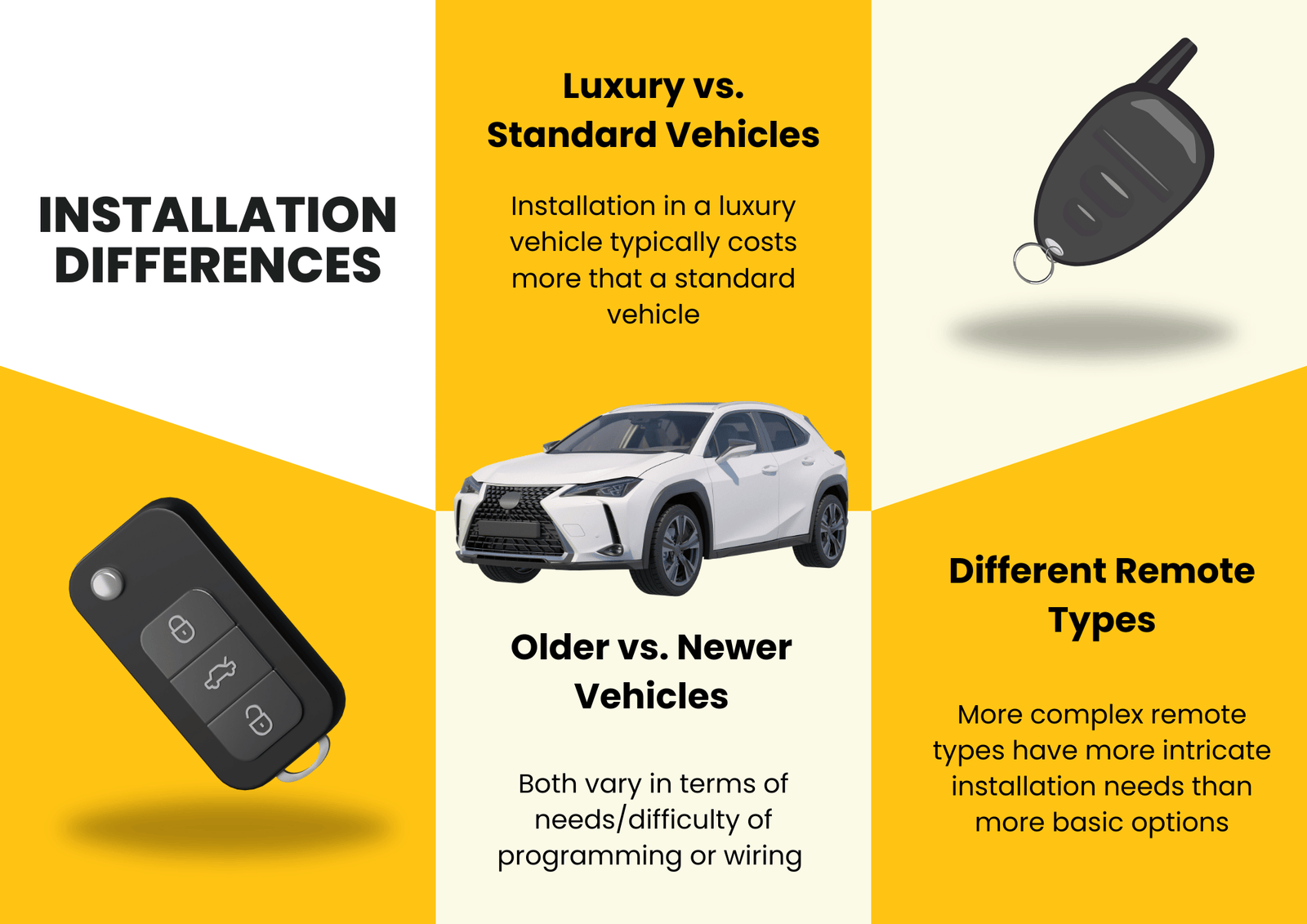
Installing a remote start system yourself saves money. Here’s a comparison of average costs:
| Installation Type | Typical Cost (USD) | Time Required |
|---|---|---|
| DIY Installation | $70–$250 (kit and tools) | 2–5 hours |
| Professional Shop | $300–$700 (parts & labor) | Half-day (drop-off & pick-up) |
If you already have some tools, you’ll save more. But remember, your time and effort are also valuable.
Credit: shop.mypushcart.com
Post-installation: Final Checks And Tips
After you finish, keep these tips in mind:
- Test the remote start system every week to make sure it works.
- If you get a “check engine” light, double-check your wiring.
- Store a copy of your car’s wiring diagram for future repairs.
- If you sell your car, give the next owner the remote and manual.
Many beginners forget to check all features—like door locks, trunk release, or starter cut-off. Test everything with the remote and with the key to catch any missed connections.
When To Seek Professional Help
Some situations are better left to the experts:
- You’re not comfortable reading wiring diagrams.
- Your car has complex electronics (like BMW, Mercedes).
- The kit instructions are unclear or missing.
- You run into problems you can’t solve.
A professional installer has experience and can often finish the job faster and with a warranty. But for most common cars, DIY is a practical option.
Non-obvious Insights For First-timers
- Car wiring colors often change from year to year, even for the same model. Always use a multimeter and don’t trust online color charts.
- Some remote start kits require a second key to be programmed into the bypass module. If you only have one car key, you may need to order a spare before you start.
Helpful Resources
For detailed wiring diagrams and extra tips, check trusted online forums or guides. One good resource is the The12Volt.com forum, which has wiring guides and community advice for many car models.
Credit: murs-a-dessins.ch
Frequently Asked Questions
Can I Install A Remote Start System On Any Car?
Most cars built after 1995 can support a remote start system, but it’s easier on vehicles with simple wiring. Cars with push-to-start buttons, transponder keys, or advanced security may need special kits or a professional installer.
Do I Need Special Tools To Install A Remote Start System?
Basic tools like wire strippers, a multimeter, and screwdrivers are enough for most jobs. For a cleaner, safer connection, a soldering iron or good quality crimp connectors are recommended. Some advanced cars may need extra tools.
Will Installing A Remote Start Void My Car Warranty?
Generally, if the installation is done properly and doesn’t damage any parts, your warranty stays valid. But if the remote start system causes electrical problems, it may affect coverage. Always check your warranty terms and consider professional installation for new cars.
How Long Does It Take To Install A Car Remote Start System?
Most DIY installations take 2 to 5 hours, depending on your experience and your car’s wiring. Professionals can usually finish faster. Take your time and don’t rush the process—accuracy is more important than speed.
What Should I Do If My Car Won’t Start After Installation?
First, check all wire connections—especially power, ground, and ignition wires. Make sure the bypass module is installed correctly if your car has a transponder key. If the problem continues, consult the kit’s manual or get help from an experienced installer.
Installing a car remote start system yourself is a rewarding project that adds comfort and convenience to your daily drive. By following the right steps, working safely, and learning about your car’s wiring, you can complete the job with confidence and enjoy the benefits for years to come.