
Getting ready for a track day is exciting, but safety must come first. If you want to push your car close to its limits, a roll cage is one of the best investments you can make. A roll cage is a strong frame built inside the car, designed to protect you if the car flips or crashes. Installing a roll cage is not a simple task, but it’s possible for a dedicated DIYer with the right tools and planning. This guide will walk you step by step through the process, including tips that many beginners miss and advice to avoid common mistakes.
Why Install A Roll Cage For Track Day?
Track days bring higher speeds and more risks than regular driving. Even experienced drivers can lose control, and modern cars, while safe for the street, are not designed for rollover crashes at the track. A roll cage adds a strong safety layer that can save your life.
Many track day organizers require a roll cage for certain events or car classes. A cage also helps stiffen your car’s chassis, which can improve handling. But safety is the main reason—nothing is more important than protecting yourself and your passengers.
Planning Your Roll Cage Install
Before starting, you need to make a few important decisions. Rushing this step can lead to wasted time and money.
1. Choose The Right Roll Cage Type
There are several types of roll cages. The main types are:
- Bolt-in roll cage: Easier to install, can be removed later. Good for street and track cars.
- Weld-in roll cage: Permanent, stronger, and often required for racing. Needs welding skills and tools.
Think about how you use your car. If it’s a dedicated track car, a weld-in cage is best. If you drive the car on the street, a bolt-in cage might make more sense.
2. Check Track And Rulebook Requirements
Not all roll cages are accepted at every event. Check the rules for your track day. Some organizations, like the SCCA or NASA, have strict requirements for tube size, design, and materials.
A common mistake is buying a cage that doesn’t pass inspection. Always read the rulebook and, if possible, talk to other track drivers with your type of car.
3. Gather Tools And Materials
Installing a roll cage requires:
- Socket set and wrenches
- Drill and metal drill bits
- Angle grinder or cutoff wheel
- Welding machine (for weld-in cages)
- Measuring tape
- Marker or chalk
- Jack and jack stands
You’ll also need safety gear: gloves, safety glasses, and a fire extinguisher nearby.
4. Prepare The Workspace
A clean, level garage is best. You’ll need space to open doors, move around the car, and store cage parts. Good lighting is important for welding and fitting.
Pro tip: Take lots of photos before you start. This helps you remember how things fit together, especially when removing interior parts.
Credit: dsportmag.com
Removing The Interior
Most cages require removing the car’s interior. This is not just for access—it’s to keep things like carpet and seats away from sparks and damage.
- Disconnect the battery. This prevents accidental shorts or airbag issues.
- Remove seats, carpet, and trim panels. Label bolts and parts as you go.
- Take out the headliner if the cage will touch the roof.
- Remove any sound deadening material where the cage will mount.
Pay attention to wiring and airbags. Move or protect wiring harnesses so they won’t get pinched by the cage.
Beginner insight: Many people forget to remove small plastic clips or sensors. Take your time to find all fasteners—broken clips are annoying and hard to replace.
Test Fitting The Roll Cage
Before you start drilling or welding, do a test fit. Many cages are made for specific car models, but sometimes small adjustments are needed.
- Lay out the main hoop (the big bar that goes behind the seats).
- Position side bars, door bars, and any cross braces.
- Check that everything fits with enough clearance for your helmet and seat.
If something doesn’t fit, now is the time to adjust. You may need to trim or bend a bar slightly. For weld-in cages, some parts may come oversized and need cutting.
Non-obvious tip: Test fit with your actual seat and helmet in place. This ensures you won’t hit your head on a bar when driving.
Mounting The Main Hoop
The main hoop is the backbone of the roll cage. It must be securely mounted to the car’s floor or chassis.
- Mark the mounting points on the floor.
- For bolt-in cages, drill holes and fit the mounting plates.
- For weld-in cages, clean the area with a grinder to remove paint and rust. Weld the plates directly to the chassis.
Use thick steel backing plates under the floor to spread the load. Most rules require at least 3mm steel plates.
Example: If your car has thin floors, add reinforcement plates underneath so the cage won’t punch through in a crash.
Fitting The Remaining Bars
With the main hoop in place, fit the other bars:
- Front bars: Go from the main hoop to the front of the car, near the windshield.
- Door bars: Run along the doors for side impact protection.
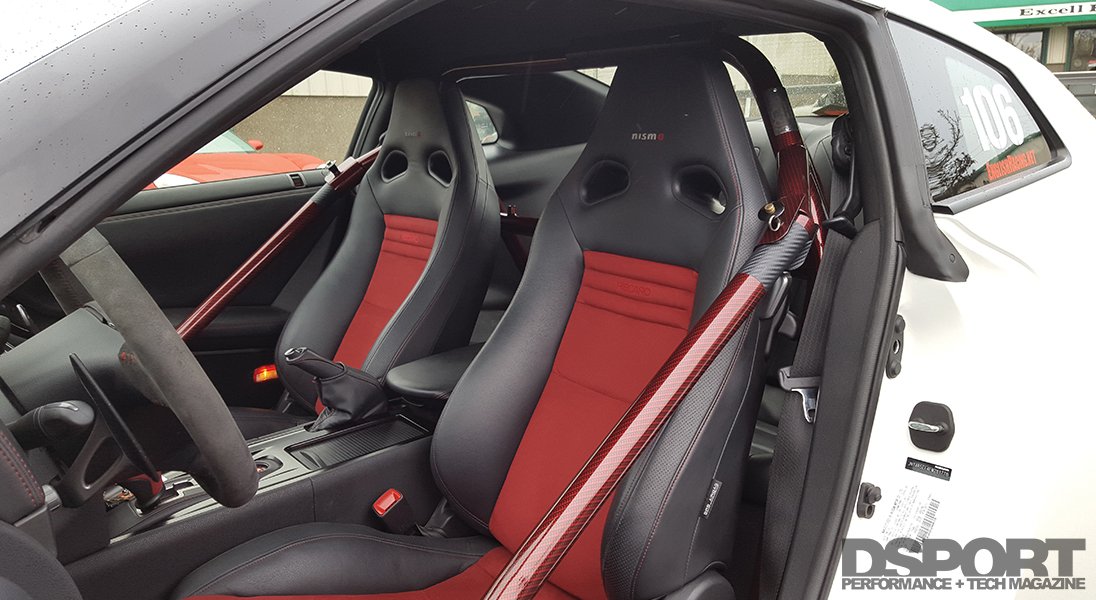
- Harness bar: Behind the seats, for mounting racing harnesses.
For weld-in cages, tack weld everything first. This lets you adjust the fit before final welding.
Beginner mistake: Tighten or weld everything only after all bars are test fitted. If you fully weld one side, it can make it hard to fit the other bars correctly.
Welding And Bolting
If you’re welding, make sure you use the correct type of steel wire or rod. MIG welding is common for roll cages, but TIG welding gives the cleanest, strongest welds.
- Weld all joints fully, moving between joints to avoid overheating one area.
- For bolt-in cages, tighten all bolts to the manufacturer’s torque specs.
- Paint or treat all welds to prevent rust.
Safety note: Keep a fire extinguisher close. Welding can start fires in hidden places, especially near wiring or sound deadening.
Reinstalling The Interior
Once the cage is installed, you can put some of the interior back. Usually, the carpet and headliner will need to be trimmed or left out.
- Refit seats and belts, making sure they clear the cage.
- Cut holes in the carpet or trim panels as needed.
- Double check that seatbelts or harnesses are mounted to strong points.
Pro tip: Use edge trim on any exposed cage bars to prevent cuts and protect your helmet.
Final Checks And Track Day Prep
You’re almost ready to go, but don’t skip these last steps:
- Check all bolts and welds for tightness and quality.
- Shake the cage to make sure it’s solid.
- Sit in the driver’s seat with your helmet on. Make sure you have enough room and good visibility.
- Inspect for sharp edges and cover them with padding.
Non-obvious insight: Some tracks require padding on all bars that your head could hit. Use high-density roll cage padding, not simple foam.
Example Timeline And Cost Comparison
Here’s a rough idea of how long and how much it might cost to install a roll cage, depending on type:
| Type | Install Time | Estimated Cost | Skill Level |
|---|---|---|---|
| Bolt-in | 6-10 hours | $800 – $1,500 | Intermediate |
| Weld-in | 15-25 hours | $1,200 – $2,500 | Advanced (welding skills) |
What To Expect At The Track
After installing your roll cage, you’ll notice the car feels more solid and less flexible. The increased safety is obvious, but there are a few things you might not expect:
- The car can be a bit louder inside, because you may remove insulation and trim.
- Some cages make it harder to get in and out, especially with door bars.
- Track inspectors will check your cage, so bring documentation from the manufacturer or photos of the install.
Beginner insight: Always wear a helmet and proper harness with a roll cage. A cage without a helmet can be more dangerous in an accident.
Common Mistakes To Avoid
- Skipping rule checks: Always read the rulebook before buying or installing a cage.
- Bad fitment: Don’t force bars or leave gaps. Poor fit means weak protection.
- Ignoring padding: Bare steel bars are dangerous for heads and arms.
- Missing reinforcement plates: The cage can rip through thin metal without backing plates.
- Rushing the welding: Poor welds can fail in a crash. If you’re not confident, hire a pro welder.
Roll Cage Materials Comparison
Choosing the right material matters for safety and weight. Here’s a quick look:
| Material | Strength | Weight | Cost |
|---|---|---|---|
| DOM Steel | Very strong | Heavy | Medium |
| Chromoly | Stronger | Lighter | High |
| ERW Steel | Less strong | Heavy | Low |
Tip: Most racing organizations require DOM or chromoly steel. Avoid ERW unless your track allows it.
When To Get Professional Help
Installing a roll cage is a big job. If you have any doubts about your welding or fitting skills, get help from a professional. A poorly built cage can be more dangerous than none at all.
Many shops specialize in roll cage installs. They can build a cage to match your needs and rules, and you’ll be sure it’s safe and strong.
Credit: www.sportseats4u.co.uk
Useful Resources
For more information on roll cage rules and track day safety, check the official guidelines at Wikipedia – Roll cage.
Frequently Asked Questions
How Much Does It Cost To Install A Roll Cage?
The price depends on your car, the type of cage, and whether you do it yourself or hire a pro. Most bolt-in cages cost $800–$1,500 for the kit, plus installation. Weld-in cages can reach $2,500 or more with labor.
Can I Install A Roll Cage Myself?
Yes, if you have good mechanical skills and the right tools, you can install a bolt-in cage at home. Weld-in cages need welding experience and safety know-how. If you’re not sure, it’s safer to hire a professional.
Will A Roll Cage Make My Car Unsafe For Street Driving?
A roll cage adds protection in a crash, but it also makes the interior harder and less forgiving. For street driving, always use padding on exposed bars and wear a helmet if you plan to drive aggressively.
What’s The Difference Between A Roll Bar And A Roll Cage?
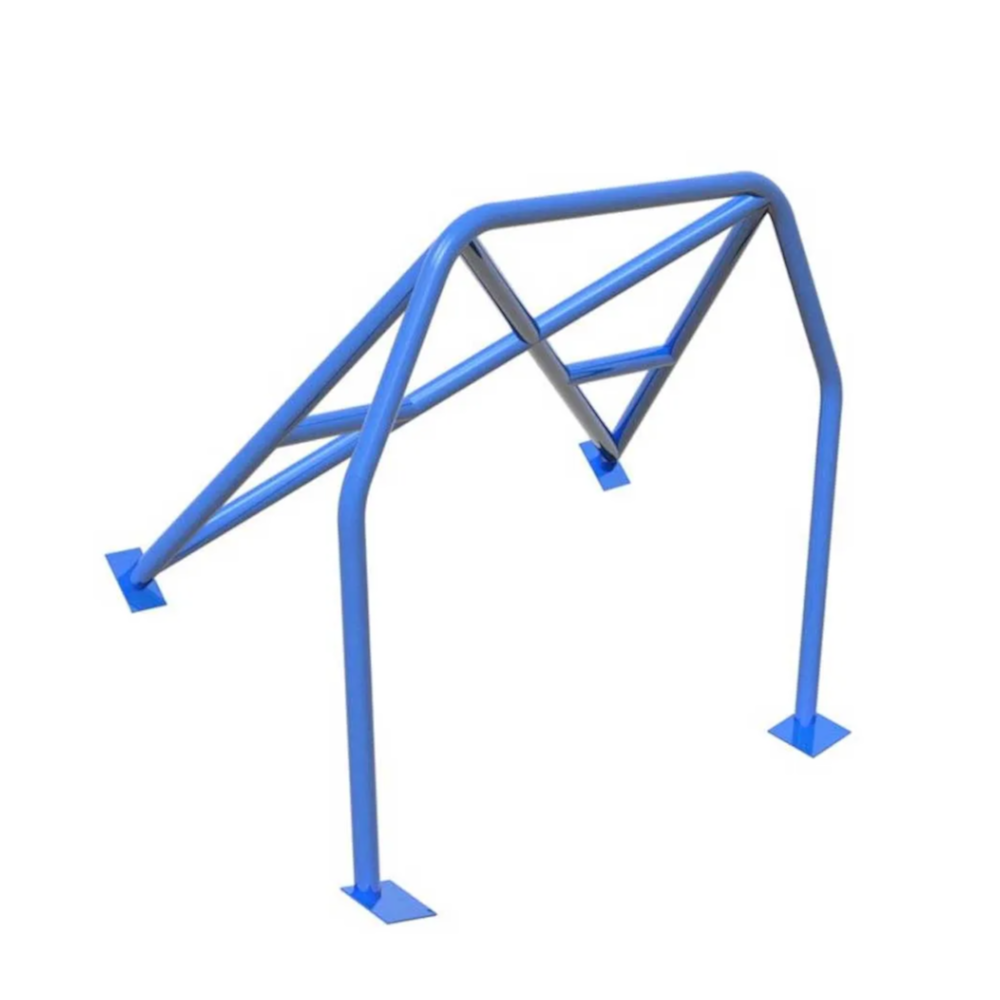
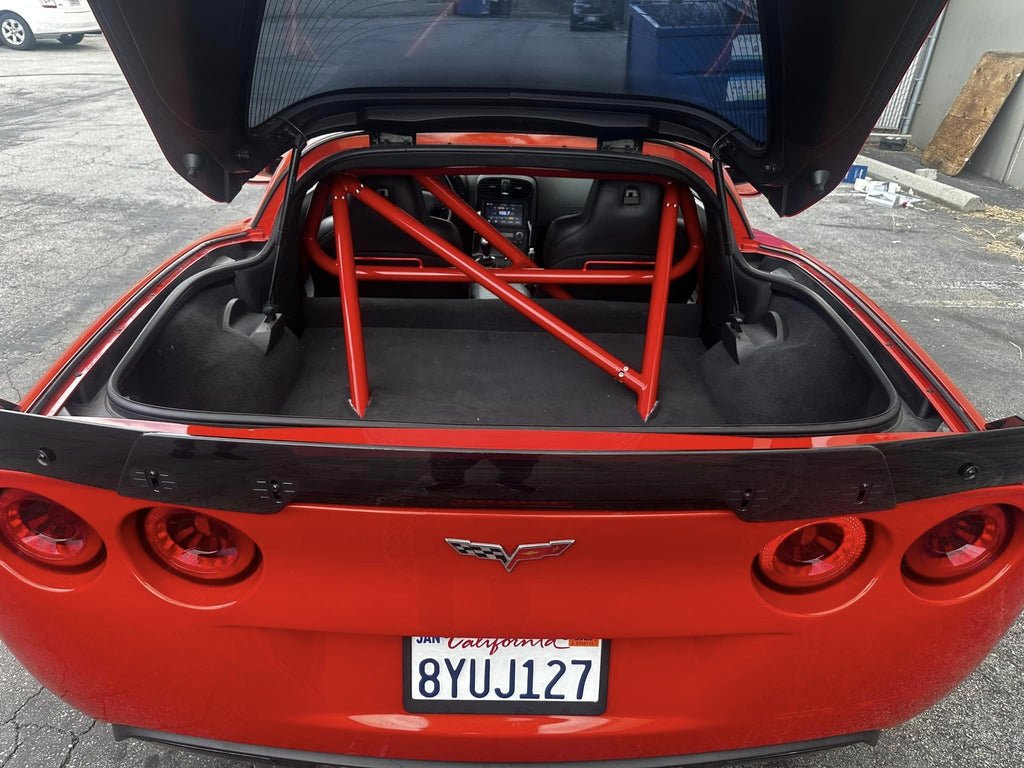
A roll bar is usually a single hoop behind the seats, protecting against simple rollovers. A roll cage is a full frame around the cabin, offering much more protection for track use.
Do I Need A Roll Cage For Every Track Day?
Not always. Some beginner events allow stock cars, but as you go faster or join competitive events, a cage is often required. Always check with the event organizer.
Installing a roll cage is a major upgrade, but it’s worth it for the safety and confidence it brings on track day. Take your time, follow the rules, and you’ll be ready to enjoy driving at the limit—knowing you’ve done everything possible to stay safe.
Credit: trackspecmotorsports.com