
Many truck owners want extra protection for the cargo area. One of the most popular solutions is a tonneau cover. This cover keeps items safe from rain, sun, and curious eyes. But installing a car tonneau cover on your truck can feel confusing if you have never done it before. The good news is, with the right guidance and tools, almost anyone can do it. In this article, you’ll learn every step, from choosing the right cover to making sure it fits perfectly. You’ll also get tips to avoid mistakes and keep your cover in great shape for years.
Why Install A Tonneau Cover?
A tonneau cover does much more than just make your truck look good. First, it protects your cargo from bad weather—rain, snow, even strong sunlight. It also helps keep your things hidden from thieves. Studies show that trucks with covers can get up to 10% better fuel efficiency on highways, since the cover reduces wind drag. Some insurance companies even offer lower rates for trucks with covers.
Beyond security and savings, a tonneau cover also adds value to your truck. When it’s time to sell, buyers often look for trucks with covers, since they know the bed is likely in better shape. And, with the right cover, you can use your truck bed for groceries one day and sports gear the next—without worrying about damage.
Types Of Tonneau Covers
Choosing the right type is the first important step. There are several styles, each with its own pros and cons.
| Cover Type | Material | Opening Style | Security | Price Range |
|---|---|---|---|---|
| Roll-up | Vinyl, Canvas | Rolls to cab | Low-Medium | $150–$500 |
| Folding | Aluminum, Composite | Folds in sections | Medium-High | $300–$900 |
| Retractable | Aluminum, Polycarbonate | Slides into canister | High | $700–$2,000 |
| Hinged | Fiberglass, ABS | Lifts up as one piece | High | $500–$1,500 |
A roll-up cover is affordable and easy to remove. Folding covers offer a good mix of security and convenience. Retractable covers are the most high-tech, letting you open or close them partially. Hinged covers look sleek and are very strong, but they usually cost more.
What To Do Before You Start
Preparation is key for a smooth installation. Start by reading the instructions that come with your cover—every model has small differences. Park your truck on a flat surface and clean the bed rails. Dirt or grease can make the installation harder and may cause leaks later.
Check that you have all the parts. Most kits include:
- Side rails
- Clamps or bolts
- The cover itself
- Seals or weatherstripping
- Hardware (nuts, bolts, washers)
You’ll also need some basic tools:
- Socket wrench
- Screwdriver
- Measuring tape
- Protective gloves
If your truck has a bed liner, see if it needs to be trimmed or adjusted. Some covers fit on top, but others require direct contact with the metal rails. Not checking this is a common mistake that can lead to poor fit or leaks.
Step-by-step Installation
Now, let’s break down the process for most soft and hard covers. While the details may vary, these steps cover the essentials.
1. Position The Side Rails
Lay the side rails along the top edges of your truck bed. Make sure they’re level and straight from front to back. If the rails are crooked, the cover won’t seal well. Use a measuring tape to check the distance from the cab to the tailgate on both sides. Adjust as needed.
2. Attach The Rails With Clamps Or Bolts
Most covers use clamps that grip the bed rails. Place the clamps about 12 to 18 inches apart. Tighten them just enough to hold the rails, but don’t fully secure until all are in place. This lets you adjust the rails for a perfect fit before final tightening.
Some trucks require drilling holes, especially for heavy-duty or retractable covers. If drilling is needed, double-check the instructions and use rust-resistant paint on bare metal.
3. Add Weatherstripping
Many kits include foam or rubber seals. These seals go along the front edge (closest to the cab) and sometimes around the tailgate area. Press them firmly into place. This keeps out water and dust. Skipping this step is a common reason for leaks after rain.
4. Mount The Cover
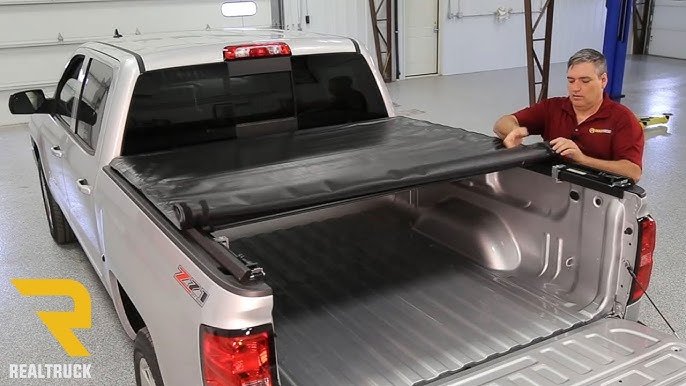
With the rails in place, set the tonneau cover on top. For roll-up or folding covers, align the front edge with the rails and secure it with the provided bolts or clips. If it’s a heavy, one-piece cover, you’ll need a friend to help lift and align it.
5. Secure And Test The Fit
Tighten all clamps or bolts. Roll or fold the cover toward the tailgate to check movement. It should open and close smoothly, with no gaps. If you see any space where water could get in, adjust the rails and seals.
Close the cover and lock it if your model has a latch. Try opening and closing the tailgate. Some covers need the tailgate closed first, others can be opened with the cover down.
6. Final Checks
Once everything is in place, use a garden hose to spray water along the edges. Check inside for any leaks. A little adjustment now can save a lot of trouble later. Clean up your tools and packaging.
Common Mistakes To Avoid
Many first-timers make the same errors when installing a tonneau cover. Here are some things to watch out for:
- Not cleaning the bed rails – Dirt or wax can make seals less effective.
- Over-tightening clamps – This can bend the rails or damage your truck.
- Ignoring the instructions – Each cover is a bit different; don’t guess.
- Skipping weatherstripping – Water will find even a small gap.
- Forgetting about the bed liner – Some liners block the clamp area.
Planning ahead helps avoid these problems. If you do get stuck, many brands have customer support numbers or videos online.
Comparing Popular Tonneau Cover Brands
To help you decide, here’s a quick look at popular brands and what sets them apart.
| Brand | Main Material | Warranty | Unique Feature |
|---|---|---|---|
| TruXedo | Vinyl | 5 Years | Easy roll-up design |
| BAKFlip | Aluminum | 3 Years | Hard folding panels |
| Retrax | Polycarbonate | Limited Lifetime | Retractable with lock |
| Extang | Vinyl/Aluminum | Lifetime | Tool-free install |
A good tip: look for brands with strong warranties. This shows the company stands behind its product.
Credit: www.youtube.com
Maintenance Tips After Installation
Your job isn’t done after installation. Regular care keeps your tonneau cover working well.
- Clean the cover every few weeks with mild soap and water. Avoid harsh chemicals.
- Check the seals after heavy rain or car washes. Reseal if you see leaks.
- Lubricate moving parts if you have a retractable or folding cover.
- Inspect clamps and bolts every few months to make sure nothing has loosened.
- Protect vinyl covers with UV spray to keep them from fading.
If you live in a snowy area, brush off heavy snow before opening the cover. Too much weight can bend or crack panels.
Non-obvious Insights Every Owner Should Know
Many guides skip these, but they make a big difference:
- Install with two people. Even if the cover is light, a friend makes it easier to align and prevents scratches.
- Leave the clamps slightly loose until the end. This lets you tweak the fit—tightening too soon can make the cover crooked and hard to close.
- Check your truck’s warranty. Some new trucks may have rules about adding accessories. If in doubt, ask your dealer before drilling or modifying anything.
What To Do If Problems Come Up
Sometimes, things don’t go as planned. Maybe the cover doesn’t fit, or the clamps won’t hold. In these cases:
- Contact the seller. Most brands want happy customers and will help fix issues.
- Look for online forums where other owners share tips for your truck model.
- Measure again. Double-check your truck bed size; even half an inch can matter.
- Replace missing parts. Never try to “make do” with hardware from another source; it can void your warranty.
If you’re really stuck, a local truck accessory shop can usually help for a small fee.
How Tonneau Covers Affect Truck Performance
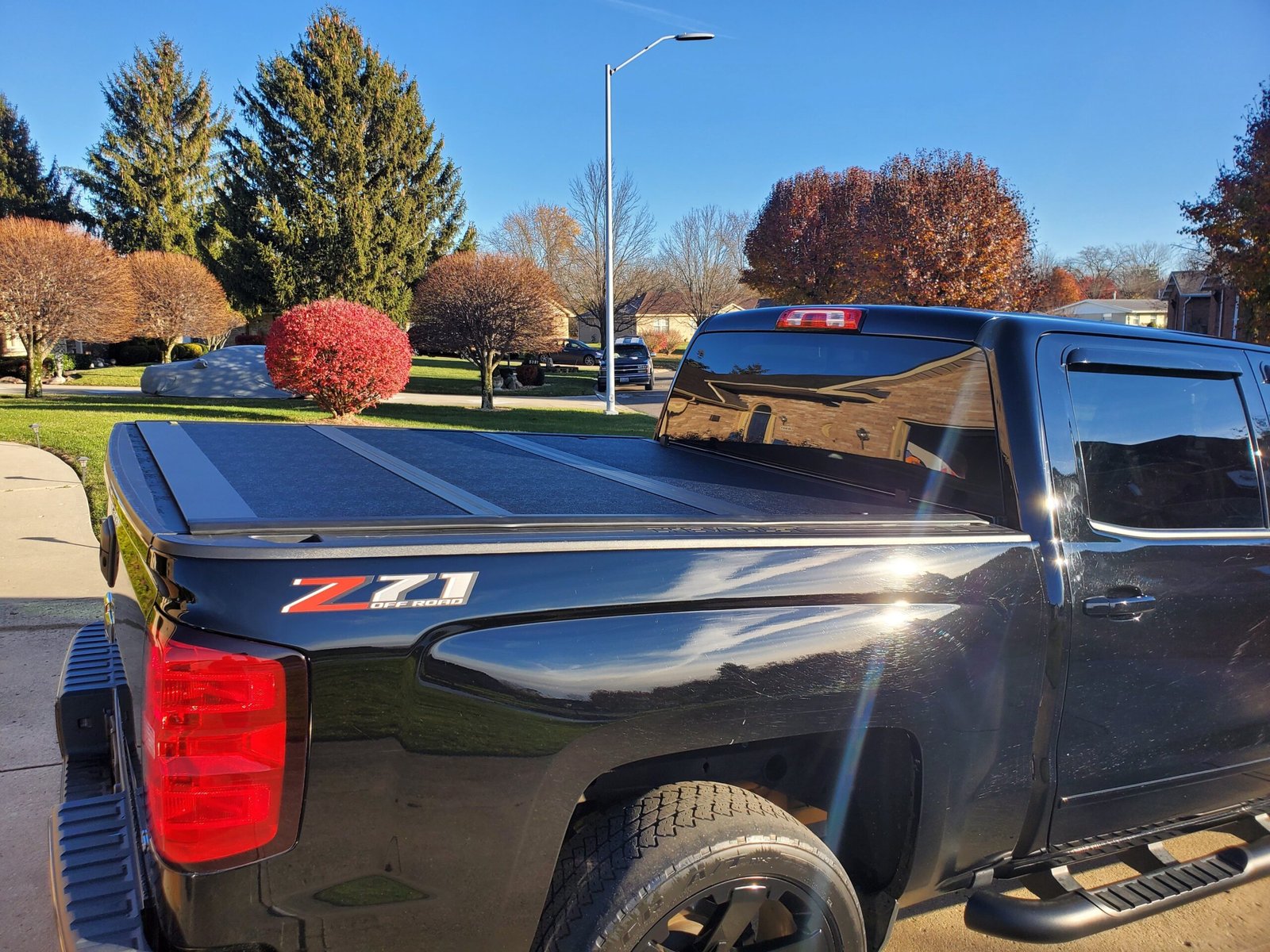
You might be surprised that a tonneau cover can help your truck’s gas mileage. By covering the bed, you reduce air resistance at highway speeds. According to a study from the Specialty Equipment Market Association (SEMA), a covered truck bed can improve fuel economy by 5–10%. Over time, this saves money at the pump.
Covers also keep your truck bed in better condition. Less sun, rain, and snow mean less rust and fewer scratches. When it’s time to sell, your truck will look newer.
Credit: www.americantrucks.com
When To Call A Professional
Most covers are made for DIY installation, but some situations call for help:
- Heavy, one-piece covers (fiberglass) can be hard to lift and align alone.
- Custom installations (with toolboxes or racks) may need special cuts.
- Electrical retractable covers need wiring knowledge.
If you’re not confident, there’s no shame in hiring a pro. This can prevent damage and give you peace of mind.
Frequently Asked Questions
How Long Does It Take To Install A Tonneau Cover?
Most covers take 30 minutes to 2 hours to install. Simple roll-up or folding covers are fastest, while retractable or hinged covers may take longer. Reading the instructions first saves time.
Will A Tonneau Cover Fit With A Bed Liner?
Most covers work with drop-in or spray-on liners, but some liners block the area where clamps attach. Always check your cover’s instructions and, if needed, trim the liner carefully.
Do Tonneau Covers Keep Water Out Completely?
A well-installed cover with good seals keeps out most water, but no cover is 100% waterproof. After heavy rain, you may see a few drops near the tailgate or corners. Regularly check and adjust seals.
Can I Go Through A Car Wash With My Cover On?
Most hard covers can handle automatic washes. For soft vinyl covers, use touchless or hand washes to avoid tears. Always close and latch the cover before washing.
Where Can I Find More Help Or Reviews?
For expert tips and user reviews, check truck accessory forums or trusted sites like Consumer Reports. They offer real-world advice from other truck owners.
Installing a tonneau cover is one of the best upgrades you can make for your truck. With careful planning, the right tools, and these step-by-step tips, you can protect your cargo, save money, and enjoy a better-looking truck for years to come. Take your time, follow each step, and soon you’ll have a cover that fits perfectly—and works exactly as it should.
Credit: midwestaftermarket.com