
Keeping your garage organized can feel like a never-ending battle, especially when it comes to tools like wrenches. These simple hand tools come in many shapes and sizes, and they seem to multiply over time. If you’ve ever wasted minutes digging through a messy toolbox just to find the right wrench, you know how frustrating it can be. An organized wrench system not only saves time but also keeps your tools in good condition and your workspace safer. This guide will show you practical, effective ways to organize wrenches in your garage, regardless of your space or budget.
Why Organized Wrenches Matter
Having your wrenches organized isn’t just about appearances. It impacts your workflow, tool longevity, and even safety. Studies show that workers spend an average of 38 hours per year searching for lost tools. That’s nearly a full workweek! When you know exactly where each wrench is, you finish jobs faster and avoid buying duplicates. Plus, properly stored tools are less likely to rust, bend, or break.
Understanding Your Wrench Collection
Before you can organize, you need to know what you have. Take all your wrenches out and place them on a table or clean surface. Group them by type, such as:
- Open-end wrenches
- Box-end wrenches
- Combination wrenches
- Adjustable wrenches
- Allen (hex) wrenches
- Specialty wrenches (like flare nut or ratcheting)
As you sort, check for duplicates or damaged tools. Consider donating, recycling, or discarding wrenches you never use or those that are beyond repair. This step is often skipped by beginners, but decluttering before organizing makes the entire process easier and more effective.
Credit: www.hertoolbelt.com
Choosing The Right Organization Method
There’s no single “best” way to organize wrenches. It depends on your garage size, budget, and how often you use your tools. Here are some of the most popular and effective methods:
1. Wrench Racks
Wrench racks are designed with slots or clips to hold wrenches of different sizes. They keep everything visible and easy to grab. Most racks are made from plastic, metal, or even wood, and can be placed inside a drawer or mounted on a wall.
Pros:
- Keeps wrenches separated and easy to see
- Prevents tools from touching each other, reducing wear
Cons:
- Takes up more space than some other methods
- May not fit specialty or very large/small wrenches
2. Pegboards
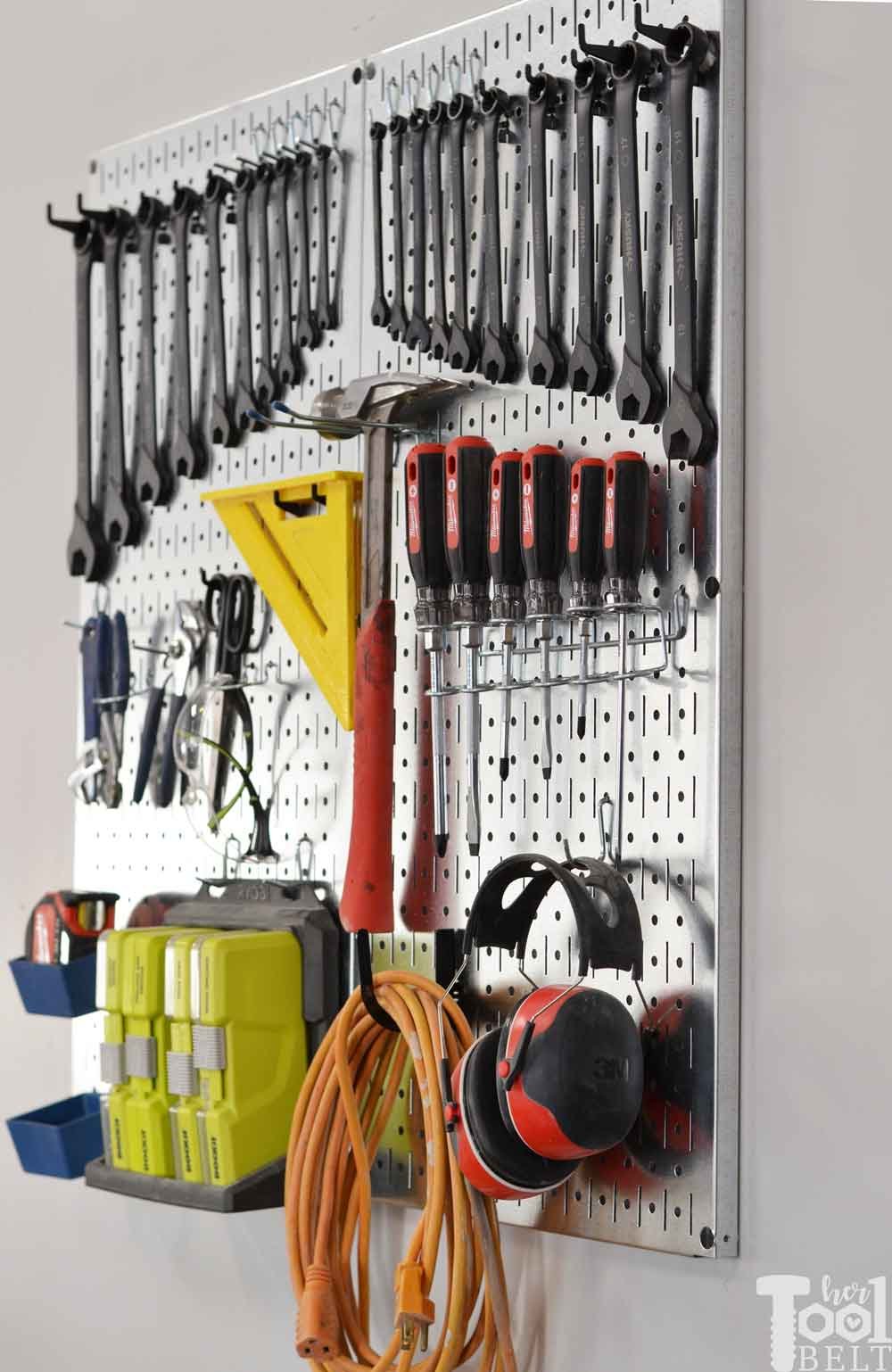
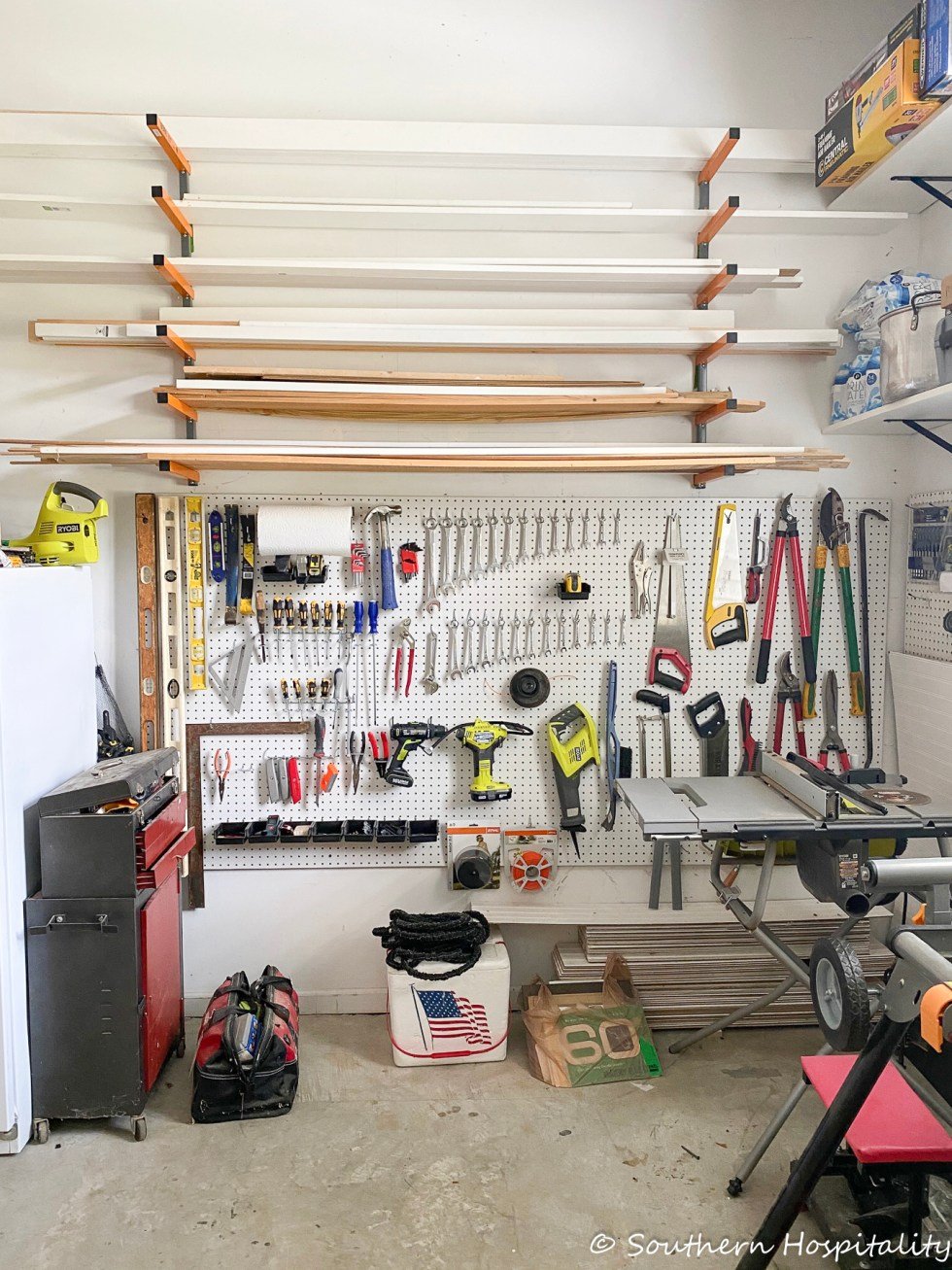
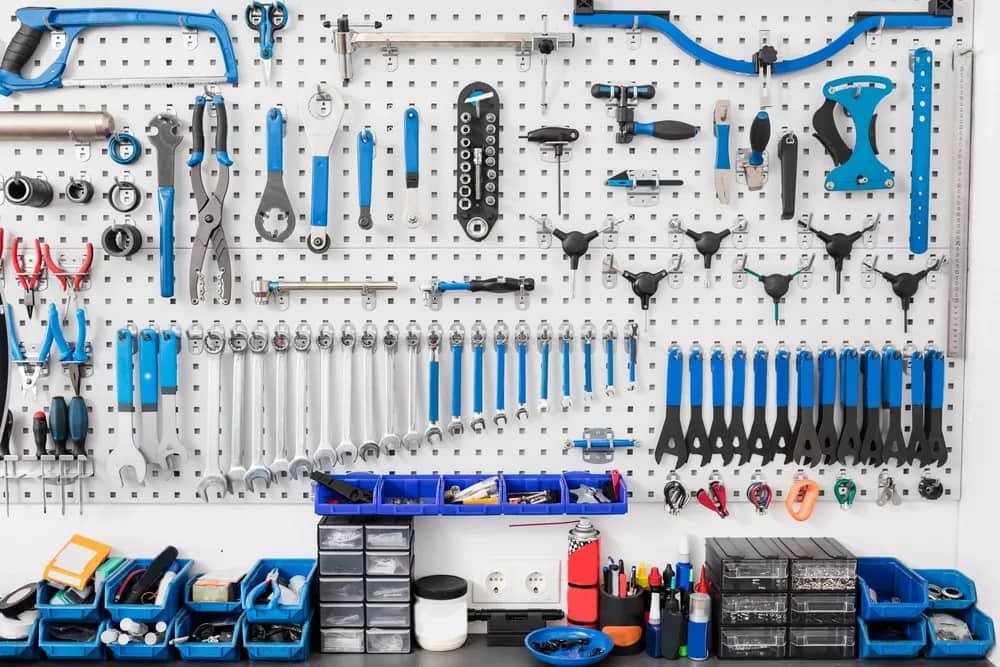
A pegboard is a classic garage solution. By adding hooks or holders, you can hang wrenches on the wall in any pattern you like. This method works best if you have extra wall space and want quick access to your tools.
Pros:
- Highly customizable layout
- Visual display helps you see missing tools
Cons:
- Requires wall installation
- Wrenches can collect dust if not used often
3. Tool Chests And Drawer Organizers
If you have a rolling tool chest or cabinet, drawer organizers are a smart way to keep wrenches tidy. Foam inserts, plastic trays, or DIY wooden dividers all work well. Labeling each slot can help even more.
Pros:
- Protects tools from dust and moisture
- Easy to lock up for security
Cons:
- Not as visible as wall storage
- Drawers can become crowded if not maintained
4. Magnetic Tool Holders
Magnetic strips can hold metal wrenches securely against a wall or inside cabinet doors. They’re simple to install and don’t require special holders for each size.
Pros:
- Fast to install and rearrange
- Saves counter and drawer space
Cons:
- Not suitable for non-magnetic tools (like some alloys)
- Strong magnets may be expensive
5. Wrench Rolls And Pouches
For those with limited space or who take tools on the go, a wrench roll or pouch is ideal. These fabric organizers have individual pockets for each wrench and roll up for storage.
Pros:
- Portable and compact
- Keeps sets together
Cons:
- Not as fast to access as open racks
- May not fit very large or odd-shaped wrenches
6. Diy Solutions
Creative DIYers often build their own wrench organizers. Using scraps of wood, PVC, or even old pallets, you can make custom holders that fit your exact tools and space.
Pros:
- Fully customizable
- Can be built for little or no cost
Cons:
- Requires basic tools and skills
- Takes time to design and build
Comparing Popular Organization Methods
To help you decide, here’s a quick comparison of the most common wrench storage methods:
| Method | Cost | Space Needed | Best For |
|---|---|---|---|
| Wrench Racks | Low to Moderate | Medium | Visible, easy access |
| Pegboard | Low | Wall space | Custom layouts |
| Drawer Organizers | Moderate to High | Drawer space | Protected storage |
| Magnetic Holders | Moderate | Minimal | Quick grab |
| Wrench Rolls | Low | Very little | Portability |
| DIY Solutions | Low | Varies | Custom needs |
Step-by-step: Organizing Your Wrenches
Let’s walk through a practical approach that works for most garages.
Step 1: Empty And Assess
Clear your toolbox, shelves, or drawers. Place all wrenches in one area. This is your chance to see what you have and clean any dirty or rusty tools.
Step 2: Sort By Type And Size
Group wrenches into sets by type. Within each type, arrange them from smallest to largest. This makes it easier to spot missing sizes and ensure you have a complete set.
Step 3: Choose Your Storage Method
Decide which method (or combination) fits your needs and garage layout. For example, you might store your most-used combination wrenches on a pegboard, but keep Allen wrenches in a drawer organizer.
Step 4: Clean And Prepare Your Space
Wipe down shelves, drawers, or the wall area you’ll use. If installing pegboard or magnetic strips, measure carefully and use a level to keep things straight.
Step 5: Arrange And Label
Place each wrench in its new home. Labeling slots, hooks, or pockets with the wrench size helps you grab the right tool quickly. For drawer organizers, use a label maker or masking tape. On pegboards, place size labels above or below each hook.
Step 6: Maintain Regularly
Every few months, do a quick check. Put tools back in their place after use. If you add new wrenches, update your organization system so it doesn’t become cluttered again.
Practical Tips For Better Organization
- Store most-used wrenches in the easiest-to-reach spot (eye level on a pegboard, top drawer, or front of a rack).
- Arrange wrenches in order of size, either left-to-right or smallest-to-largest.
- If you share your garage, use color-coded labels to help others put tools back correctly.
- Keep a small supply of silica gel packs in drawers or toolboxes to prevent rust.
- For specialty wrenches, consider separate storage so they don’t get mixed with standard sets.
Credit: southernhospitalityblog.com
Common Mistakes To Avoid
Many people make similar errors when setting up tool storage. Watch out for these:
- Overcrowding: Jamming too many wrenches into a small space leads to scratches and confusion.
- Ignoring maintenance: Even a well-organized system falls apart if you don’t return tools after use.
- Using open bins: Tossing wrenches into a bin is fast, but you’ll spend more time digging later.
- Not labeling: Without labels, family or helpers may put tools in the wrong spot.
Advanced Organization Ideas
For those who want to take wrench storage to the next level, here are a few advanced ideas:
- Shadow boards: Draw or paint the outline of each wrench on a board or drawer liner. If a tool is missing, you can see at a glance.
- Custom foam inserts: Cut foam to fit each wrench exactly. This protects the tools and looks professional.
- Digital inventory: Use a simple spreadsheet or tool tracking app to log what you have. This is helpful for larger collections.
Credit: www.extraspace.com
Example Wrench Storage Layouts
Here are two sample layouts for different garage sizes:
| Small Garage (Minimal Space) | Large Garage (More Space) |
|---|---|
| – Wrench roll for combination wrenches – Magnetic strip for adjustable wrenches – Small tray for Allen wrenches | – Pegboard wall for all standard wrenches – Drawer organizer for precision/Allen wrenches – Specialty rack for large or unusual wrenches |
Real-world Example: A Mechanic’s Approach
Professional mechanics often use a mix of these methods. For example, a mechanic might keep a wrench rack in their main drawer for daily work, hang lesser-used sizes on a pegboard, and keep a pouch for mobile jobs. This mixed approach means the right tool is always easy to find, whether at the workbench or on a service call.
One insight many beginners miss is that organization is ongoing. Tools, projects, and spaces change over time. The best systems are flexible, letting you add or rearrange wrenches as your collection grows.
How To Keep Wrenches In Good Condition
Organizing helps, but you also need to protect your tools. After every use, wipe wrenches with a clean cloth to remove dirt and moisture. Store them in a dry spot, away from chemicals or water. Lightly oil tools you don’t use often to prevent rust.
These simple habits mean your organized system will last for years.
Maintenance Schedule Example
To help your organization last, follow this basic maintenance timeline:
| Task | Frequency |
|---|---|
| Wipe down wrenches | After each use |
| Check for missing tools | Monthly |
| Deep clean storage area | Every 3-4 months |
| Review and declutter | Annually |
Where To Find More Organization Ideas
If you want more inspiration, the Family Handyman website has a wealth of creative and practical garage tool storage solutions.
Frequently Asked Questions
How Do I Organize Wrenches If I Have Very Little Space?
Use vertical solutions like pegboards or magnetic strips on walls and doors. Wrench rolls are also great for tight spaces, as they can be hung up or stored in a small drawer when not in use.
What’s The Best Way To Store Wrenches To Prevent Rust?
Keep wrenches in a dry place and wipe them clean after each use. Add silica gel packs to drawers or toolboxes, and oil the tools lightly if not used often. Avoid storing tools directly on concrete, as it attracts moisture.
Should I Keep My Wrench Sets Together Or Separate Them By Type?
It depends on your needs. For most people, keeping sets together by type and size makes it easier to find the right tool. However, if you have specialty wrenches, storing them separately can prevent confusion.
Can I Use Household Items To Organize My Wrenches?
Yes! Old cutlery trays, muffin tins, or small baskets can organize wrenches in drawers. With a bit of creativity, you can repurpose many household items for tool storage.
How Do Professionals Organize Their Wrenches?
Professionals often combine methods: racks or foam inserts for daily tools, pegboards for less-used sizes, and rolls for mobile work. The key is fast access and knowing immediately if a tool is missing.
Organizing your wrenches takes some effort, but the rewards are worth it. You’ll save time, protect your investment, and enjoy a garage that’s ready for any project. Start with a simple system, and don’t be afraid to improve it as your needs change.