
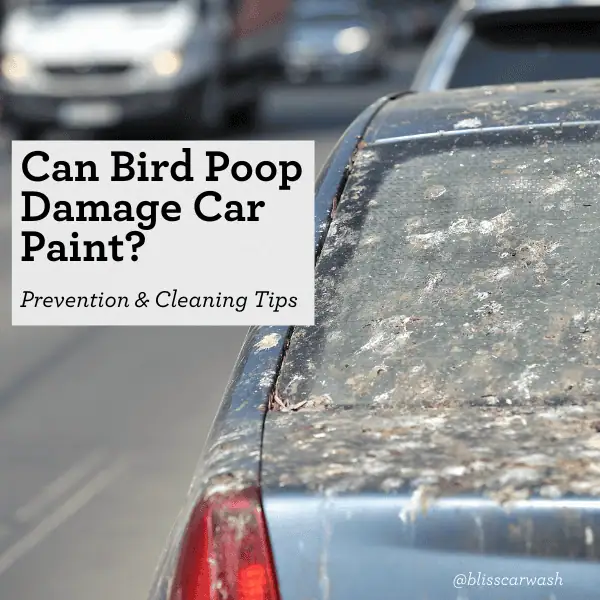
Every car owner knows the sinking feeling of spotting fresh bird droppings on their car’s paint. It’s not just about looks—the real problem is that bird poop can quickly damage your car’s finish. You might think a simple wash will fix it, but removing bird droppings the wrong way can cause scratches, stains, or even permanent marks.
Knowing how to safely remove bird droppings from car paint is essential if you want your vehicle to keep its shine and value.
This article will guide you through the best methods, products, and techniques to clean bird droppings without causing harm. You’ll discover why prompt action matters, what tools to use, and practical tips that even experienced car owners often overlook. Whether you’re dealing with a fresh mess or a stubborn, dried-on spot, you’ll find clear steps and advice here.
Why Bird Droppings Are So Harmful To Car Paint
Bird droppings are more than just an eyesore. Their unique chemical makeup is especially harsh on automotive finishes. They contain uric acid, which is highly acidic (pH between 3 and 4.5). This acid can start eating into your clear coat within minutes, especially on a hot, sunny day. Once the clear coat is compromised, your paint is at risk of staining, etching, and even rust.
What many people miss is that some bird droppings also contain small bits of gravel or seeds. If you rub the droppings without care, these hard particles can scratch your paint. Acting quickly and using the right method is crucial—waiting too long or using the wrong tools makes the problem much worse.
What You Need Before You Start
Before cleaning, gather the right materials. Having everything on hand helps you work quickly, which makes a difference.
Recommended supplies:
- Microfiber towels (soft, clean)
- Spray bottle with water or a dedicated car detailer spray
- PH-neutral car shampoo (not household cleaners)
- A soft sponge or wash mitt
- A bucket with clean water
- Optional: Bird dropping remover wipes or solutions
- Optional: Car wax or sealant (for aftercare)
Using cheap or rough materials—like paper towels or kitchen sponges—can scratch your car. Stick to car-safe products.
Credit: www.youtube.com
Step-by-step: How To Remove Bird Droppings From Car Paint
1. Act Fast
Time is critical. The sooner you remove the droppings, the less chance they have to damage the paint. If you’re near your car when it happens, clean the spot immediately. On a hot day, damage can start within a few minutes.
2. Soften The Droppings
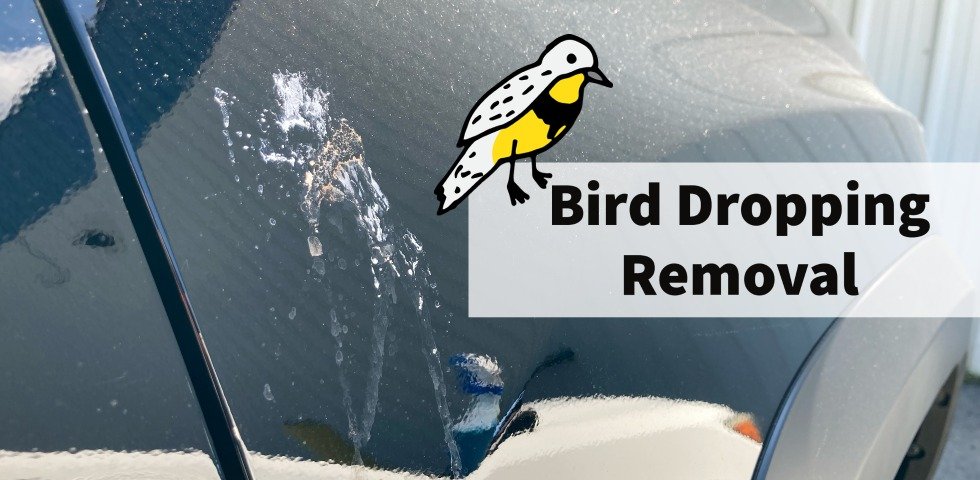
Never scrub dry bird droppings. Instead, soften them first. Spray the area generously with water or a detailer spray. If you don’t have these, lay a wet microfiber towel over the spot for 5–10 minutes. This loosens the mess and reduces the risk of scratching.
A practical tip: Some car owners keep pre-moistened bird dropping wipes in their glove box for emergencies. These are safe for paint and effective on fresh messes.
3. Gently Wipe Away
Once the droppings are soft, use a clean microfiber towel to gently lift them off. Dab and lift—don’t rub. If the towel gets dirty, switch to a clean section or a new towel. For stubborn spots, repeat the soaking step.
Don’t rush: Trying to scrape off dry droppings with your fingernail or a tool can cause deep scratches.
4. Clean The Area
After removal, wash the area with a small amount of pH-neutral car shampoo and a soft sponge. This removes any remaining residue or acids. Rinse well with clean water, and dry with a fresh microfiber towel.
5. Inspect For Damage
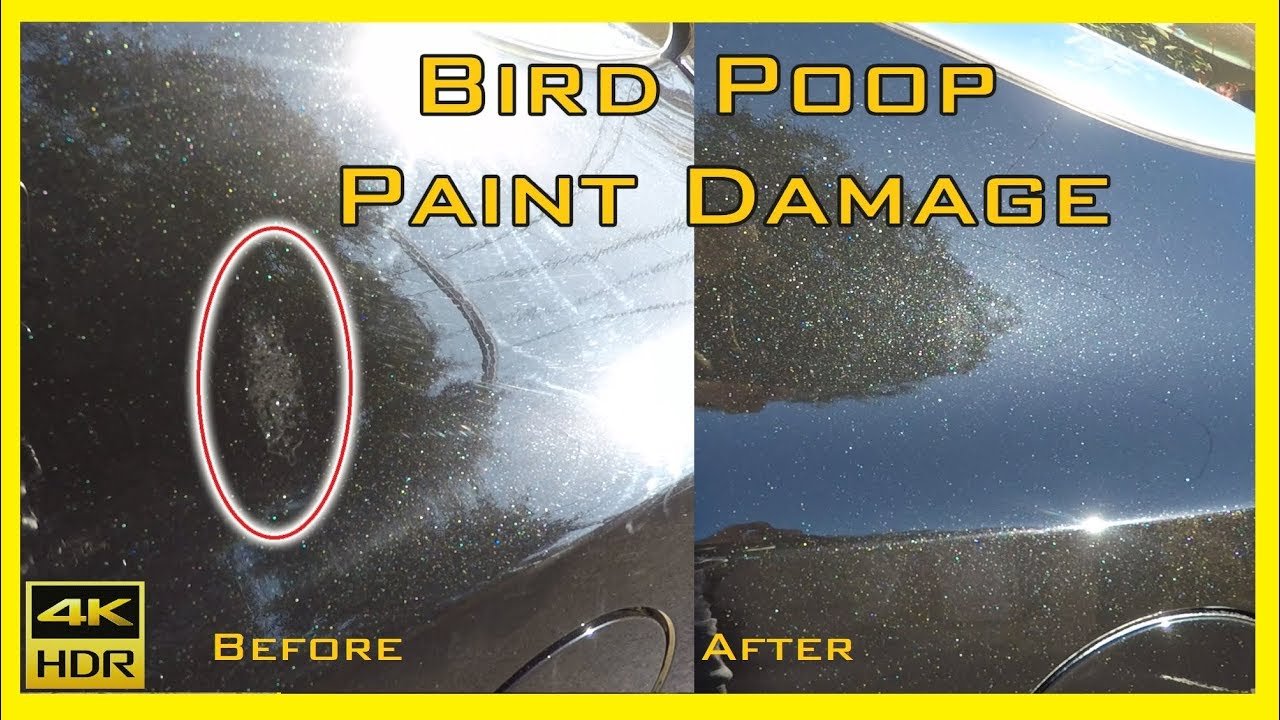
Look closely at the cleaned area. If you see light marks or dullness, the acid may have etched the clear coat. For minor etching, you can often improve the look with a hand-applied polish. If the spot is still obvious or feels rough, consider getting advice from a detailing professional.
6. Protect The Paint
After cleaning, add a layer of car wax or sealant to the area. This helps protect against future droppings and other contaminants.
What To Do With Stubborn Or Dried Bird Droppings
Sometimes you find the mess too late, and it’s dry and hard. These require extra care.
- Soak a folded microfiber towel in warm water.
- Lay the towel over the droppings, pressing gently to keep it in contact.
- Leave it for 15–20 minutes. For very stubborn spots, use a dedicated bird dropping remover solution.
- Repeat soaking if needed, then gently wipe away as described above.
Non-obvious insight: Never use hot water directly on the paint, especially in the sun. Sudden temperature changes can cause the paint to expand or crack.
If any residue remains, try a clay bar kit, which can remove bonded contaminants without harming the clear coat. Always follow the clay bar instructions carefully.
Credit: www.detailedimage.com
Comparing Popular Bird Dropping Removal Methods
Some methods are safer and more effective than others. Here’s a comparison of common options:
| Method | Effectiveness | Paint Safety | Ease of Use |
|---|---|---|---|
| Microfiber & Water | High | Very Safe | Easy |
| Pre-moistened Wipes | Medium-High | Safe (if car-specific) | Very Easy |
| Paper Towels | Medium | Risk of Scratching | Easy |
| Clay Bar | Very High (for residue) | Safe (if used correctly) | Moderate |
| Household Cleaners | Low | Unsafe | Easy |
Common Mistakes To Avoid
Many car owners unintentionally cause more damage by making these errors:
- Scrubbing dry droppings: This grinds grit into the paint.
- Using dish soap or household cleaners: These are too harsh and can strip wax.
- Cleaning in direct sun: Heat speeds up acid damage and can cause streaks.
- Ignoring small spots: Even tiny droppings can etch paint if left too long.
- Delaying cleaning: “I’ll wash it this weekend” is too late for bird droppings.
Best Products For Bird Dropping Removal
Choosing the right product makes a big difference. Here’s a comparison of three popular options:
| Product | Type | Safe for Paint | Special Features |
|---|---|---|---|
| Meguiar’s Quik Detailer | Spray | Yes | Lubricates, easy to carry |
| Armor All Bird Wipes | Wipes | Yes | No-rinse, disposable |
| Griot’s Garage Bug & Smudge Remover | Spray | Yes | For tough stains |
Important: Always check if a product says “safe for clear coat” before using.
Practical Tips For Prevention
While you can’t control where birds fly, you can reduce the risk and damage:
- Park in covered areas whenever possible—garages, carports, or even under trees with care (but avoid trees with heavy bird activity).
- Apply paint protection like wax or ceramic coatings. These make it harder for droppings to stick and make cleaning easier.
- Inspect your car regularly, especially after parking outside.
- Carry cleaning supplies (a small spray and microfiber towel) in your trunk or glove box for quick cleanups.
- Consider a car cover if your car will be parked outside for long periods.
When To Seek Professional Help
Sometimes, bird droppings cause visible etching or stains that don’t come off with normal cleaning. If you see dull or rough spots, or if the paint looks faded in one area, a detailer can often polish out the damage. In severe cases, the car may need touch-up paint or clear coat repair.
Professional detailers have tools and products that aren’t available to most consumers. Getting expert help can save you money in the long run by preventing further damage.
How To Repair Minor Bird Dropping Etching
If you notice light etching after cleaning, you can try these steps:
- Use a mild car polish with a soft foam applicator pad.
- Apply gently in small, circular motions.
- Wipe off the residue with a clean microfiber towel.
- Reapply wax or sealant to protect the area.
If the mark remains, do not use harsher compounds or sandpaper—these can make the problem worse. For deeper damage, consult a professional.
Non-obvious insight: Sometimes, etching only appears under certain light angles. Check the car in both sunlight and shade to spot subtle damage.
The Science Behind Bird Dropping Damage
Many car owners don’t realize that bird droppings can cause permanent paint defects. The acids and enzymes in the droppings chemically react with the clear coat, especially when heated by the sun. Even after the mess is gone, the etched spot can act as a “trap” for dirt and water, making the area more noticeable over time.
According to a study by the Automotive Paint Manufacturers Association, nearly 60% of paintwork complaints involve damage from environmental contaminants, with bird droppings as a leading cause. This is why regular inspection and quick action are so important.
For more about automotive paint chemistry, see this Wikipedia article on automotive paint.
Frequently Asked Questions
How Soon Should I Remove Bird Droppings From My Car?
You should remove bird droppings as soon as possible, ideally within minutes. The acids in droppings can start to damage your paint very quickly, especially in warm or sunny weather.
Can I Use Household Cleaning Products To Remove Bird Droppings?
No, it’s best to avoid household cleaners like window spray, bleach, or dish soap. These can strip your car’s wax or even damage the clear coat. Always use pH-neutral car products designed for automotive paint.
What If The Bird Dropping Has Already Left A Stain?
If you see a stain or etching after cleaning, try a mild car polish and reapply wax. For deeper marks, seek help from a professional detailer. Don’t use abrasive pads or harsh chemicals.
Are Commercial Bird Dropping Wipes Safe For All Cars?
Most wipes made for cars are safe for clear coats, but always check the label. Test on a small spot first if you’re unsure. Avoid wipes with strong solvents or unknown ingredients.
Is It Safe To Use A Pressure Washer To Remove Bird Droppings?
Pressure washers can be risky if used too close or with a strong jet. They may push grit into the paint and cause scratches. It’s safer to use gentle soaking and a microfiber towel for spot cleaning.
Caring for your car’s paint is about both looks and long-term value. By following these steps and tips, you’ll keep your car shining and protect it from one of the most common and damaging problems: bird droppings. Don’t wait until it’s too late—act fast, use the right tools, and your car will thank you with a lasting, beautiful finish.
Credit: blisscarwash.com