
Replacing a serpentine belt in your car sounds simple, but many car owners make mistakes that lead to bigger problems. This long, winding belt connects several engine components and keeps everything running in harmony. If it breaks or is installed incorrectly, your car might not start, or worse, you could damage expensive parts. Knowing what to avoid helps you save money, time, and frustration.
This guide is your straight-to-the-point helper, revealing the most common mistakes people make when changing a serpentine belt. With clear advice and real examples, you’ll learn how to do this job right—even if you’re not a professional mechanic.
Why Replacing A Serpentine Belt Matters
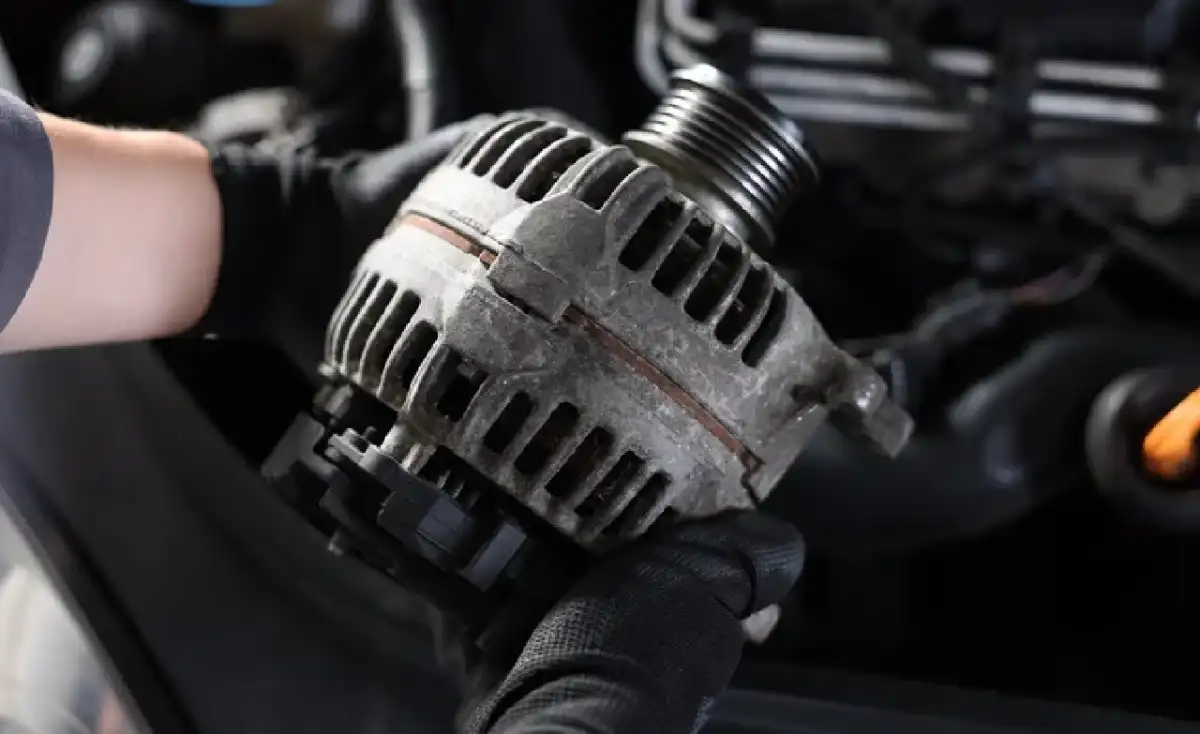
The serpentine belt is more important than many drivers realize. It powers key parts like the alternator, water pump, air conditioning, and sometimes the power steering pump. A worn or broken belt can cause your engine to overheat, your battery to die, or your steering to suddenly feel heavy. That’s why replacing it at the right time—and doing it correctly—is essential for vehicle safety and reliability.
Most Common Mistakes When Replacing A Serpentine Belt
Let’s dive into the mistakes people often make during this repair. Avoiding these errors can save you from roadside breakdowns and expensive repairs.
1. Choosing The Wrong Belt Size
One of the biggest mistakes is buying a belt that’s not the correct length or width. Even a small difference can cause problems. A belt that’s too long will slip and make noise. A belt that’s too short can damage pulleys or not fit at all.
Always check your vehicle’s manual or look for a sticker under the hood showing the exact belt size. If you’re unsure, bring the old belt to the store for comparison.
2. Ignoring The Belt Routing Diagram
Many cars have a belt routing diagram under the hood. This simple drawing shows exactly how the belt should wrap around each pulley. Skipping this step or guessing the path is a recipe for disaster. An incorrectly routed belt can spin components in the wrong direction or miss some altogether.
If your car doesn’t have a visible diagram, search online or take a clear photo before removing the old belt. This small step prevents confusion later.
3. Not Releasing Tension Properly
Modern serpentine belts are kept tight by a spring-loaded tensioner. Some people struggle to remove the belt because they don’t release the tensioner first. Forcing the belt off can damage the tensioner or pulleys.
Use the proper wrench or tool to rotate the tensioner and relieve tension before removing the belt. This prevents injuries and broken parts.
4. Forgetting To Inspect Pulleys And Tensioner
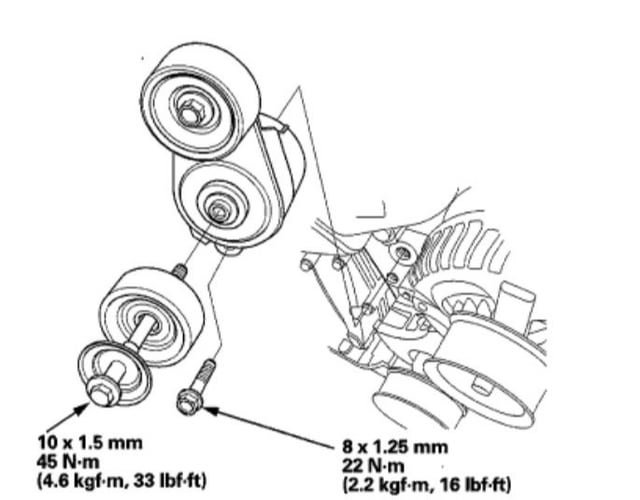
Replacing the belt without checking the condition of pulleys and the belt tensioner is a common mistake. Worn or noisy pulleys, or a weak tensioner, can quickly ruin a new belt. Look for rust, cracks, or wobble in the pulleys and make sure the tensioner moves smoothly.
If you hear squeaks or see signs of wear, replace these parts along with the belt. This ensures your new belt lasts as long as possible.
5. Over-tightening Or Under-tightening The Belt
Many older cars have manual tensioners. Setting the tension too tight puts stress on bearings and pulleys, while too loose causes slipping or squealing. Always follow your vehicle’s specifications for belt tension.
A quick tip: For most cars, you should be able to twist the belt about 90 degrees in the middle of its longest run. But always check the manual for exact requirements.
6. Failing To Check For Oil Or Coolant Leaks
Fluid leaks can quickly destroy a new serpentine belt. If you see oil or coolant on the old belt, find and fix the leak before installing the new one. Belts soaked in oil become slippery and can break. Coolant causes the rubber to swell and crack.
Clean all pulleys and surrounding areas with a degreaser if necessary. This helps your new belt grip properly and last longer.
7. Reusing Old Or Damaged Hardware
Sometimes, people reuse old bolts or parts when replacing the belt. This can lead to loose pulleys or even cause the belt to fly off during driving. If any hardware looks damaged or corroded, replace it.
A missing bolt or cracked bracket might seem minor, but it can turn a simple repair into a major headache.
8. Not Double-checking The Installation
After installing the new belt, some people forget to check their work. A misaligned belt can jump off or wear out quickly. Always spin the pulleys by hand and check the belt’s alignment before starting the engine.
Listen for strange noises after starting the car. If you hear squealing or see the belt wobble, shut off the engine and recheck everything.
9. Using Cheap Or Low-quality Belts
It’s tempting to buy the cheapest belt, but this is rarely a good idea. Low-quality belts wear out faster, stretch, or even break suddenly. Choose a reputable brand, even if it costs a little more.
A quality belt usually lasts 60,000 to 100,000 miles, while cheap ones may fail much sooner. Spending a bit more up front saves you money and trouble in the long run.
10. Working Without Proper Tools
Trying to change a serpentine belt with the wrong tools can lead to stripped bolts or damaged parts. You’ll need a wrench or special serpentine belt tool for the tensioner. Some cars have tight spaces, so the right tool makes the job easier and safer.
If you don’t have the proper tools, consider borrowing or renting them. Forcing parts with makeshift tools increases your risk of injury.
Credit: bilyanagolf.ru
Comparing Belt Quality And Lifespan
Here’s a look at how different belt types stack up for durability and price:
| Belt Type | Average Lifespan | Typical Price Range |
|---|---|---|
| Economy/Generic | 30,000 – 50,000 miles | $10 – $20 |
| OEM/High-Quality | 60,000 – 100,000 miles | $25 – $50 |
| Performance | 80,000 – 120,000 miles | $50 – $120 |
Choosing the right belt isn’t just about price—quality matters for safety and reliability.
Signs You Made A Mistake During Replacement
After changing the serpentine belt, pay attention to your car’s behavior. If you notice any of these signs, double-check your work:
- Squealing or chirping noises
- Battery warning light on the dashboard
- Engine overheating
- Power steering feels heavy
- Air conditioning not working
These problems suggest the belt is loose, misaligned, or not powering all components.
How To Avoid These Common Mistakes
Let’s summarize the best ways to avoid trouble when replacing your serpentine belt:
- Always check the belt size and routing diagram before removing the old belt.
- Use proper tools to release tension and install the new belt.
- Inspect all related components—pulleys, tensioner, bolts—before finishing the job.
- Clean up any leaks or debris around the belt area.
- Test your installation before driving, and listen for unusual noises.
Serpentine Belt Vs. Other Belts: A Quick Comparison
Some cars use a separate V-belt for certain accessories, while most modern vehicles use a single serpentine belt. Here’s a quick comparison:
| Feature | Serpentine Belt | V-Belt |
|---|---|---|
| Number of Belts | Usually one | Multiple |
| Ease of Replacement | Easier (one belt to change) | Harder (must change each belt) |
| Cost | Lower overall | Can be higher for all belts |
| Common Failure | Loss of all accessories at once | Only one accessory stops |
Understanding your car’s belt system helps you plan the replacement correctly.
Credit: everestkitchennc.com
Real-world Example: What Can Go Wrong
John, a DIY car owner, decided to replace the serpentine belt on his Honda Accord. He didn’t check the belt routing diagram, so when he installed the new belt, it slipped off the next day. The power steering stopped working, and he almost lost control of his car while turning.
After a mechanic checked his work, they found the belt was routed incorrectly, and the tensioner was damaged from being forced.
The lesson: taking shortcuts can put your safety at risk. Always double-check your work and don’t rush the process.
Advanced Tip: Check For Belt Alignment Issues
A common problem that beginners miss is belt misalignment. Sometimes, pulleys become bent or brackets are not straight. This causes the belt to ride off-center and wear unevenly. Use a straight edge or visual inspection to make sure all pulleys are in line before installing the new belt. This small check can prevent early belt failure and noisy operation.
Credit: www.icartea.com
Cost Comparison: Diy Vs. Professional Replacement
Many people wonder if they should replace the serpentine belt themselves or pay a mechanic. Here’s a quick cost breakdown:
| Replacement Method | Typical Cost | Time Required |
|---|---|---|
| DIY (Do It Yourself) | $25 – $70 (belt and tools) | 1 – 2 hours |
| Professional Mechanic | $100 – $250 (parts and labor) | 30 – 60 minutes |
DIY is cheaper but only if you avoid common mistakes. If you’re not comfortable, it’s safer to let a pro handle the job.
Frequently Asked Questions
What Happens If I Put The Serpentine Belt On Wrong?
If the belt is routed incorrectly, some accessories may not work, or the belt can slip off. This can quickly lead to engine overheating, loss of power steering, and battery charging issues. Always follow the routing diagram carefully.
How Often Should I Replace My Serpentine Belt?
Most belts last 60,000 to 100,000 miles, but you should inspect them every 15,000 miles for cracks or wear. Replace the belt sooner if you notice any damage or hear squealing noises.
Can I Drive My Car If The Serpentine Belt Breaks?
No. If the belt breaks, your car may lose power steering, charging, and cooling functions. Driving without a serpentine belt can cause severe engine damage in minutes. Get the belt replaced immediately.
What Tools Do I Need To Replace A Serpentine Belt?
You typically need a serpentine belt tool or a socket wrench for the tensioner, and sometimes a breaker bar for extra leverage. Some cars have tight spaces, so a special tool helps reach the tensioner easily.
Is It Okay To Use Belt Dressing To Stop Squeaks?
It’s better to fix the real problem. Belt dressing only hides the noise for a short time and can damage modern belts. Squeaks usually mean the belt is loose, misaligned, or worn out. Replace the belt and check pulleys instead.
Replacing your car’s serpentine belt isn’t complicated, but skipping steps or making small errors can lead to big trouble. Take your time, use the right tools, and double-check your work. If you ever feel unsure, don’t hesitate to get help from a trusted mechanic or check a reliable source like Wikipedia. With the right approach, your car will run smoothly and reliably for many miles to come.