
Working on your car’s brake system can save money and help you understand your vehicle better. But it’s not the same as changing a wiper blade or checking tire pressure. The brake system is critical for your safety—and mistakes can be dangerous.
Whether you’re replacing brake pads, bleeding lines, or just inspecting parts, you need to follow strict safety steps. Many people skip important details, thinking “it’s just brakes,” but accidents and injuries happen every year due to small errors. This guide will show you how to work on your brakes safely, avoid common pitfalls, and protect yourself and your car.
Understanding Brake System Dangers
The car brake system combines mechanical and hydraulic parts. It uses strong forces and pressurized fluids. If something goes wrong, your car may not stop as expected. Here are key risks:
- Heavy parts: Wheels and brake components are heavy and can slip.
- Toxic fluids: Brake fluid is harmful to skin and eyes.
- Dust and debris: Old brakes release harmful dust, sometimes containing asbestos.
- High pressure: Brake lines may spray fluid under pressure.
- Fire risk: Some fluids and parts can ignite.
- Vehicle movement: A car on a jack can fall if not supported correctly.
Ignoring these risks leads to injuries ranging from minor burns and cuts to life-threatening accidents. Many beginners forget that even a parked car can move unexpectedly.
Getting Ready: Preparation And Tools
Before touching the brakes, preparation is your best defense. Always:
- Read your car manual. Every car is different. Some need special tools or have unique steps.
- Gather proper tools. You’ll need a jack, jack stands, wrenches, brake cleaner, gloves, and safety glasses.
- Work on a flat, stable surface. Never work on a slope or soft ground.
- Inform someone. If possible, let a friend or family member know you’re working on your car.
A common mistake is using a regular car jack to hold up the vehicle. Jacks are for lifting, not for supporting. Always use strong jack stands.
Essential Safety Gear
Don’t skip safety equipment. The minimum you need:
- Safety glasses: Protects from fluid sprays and dust.
- Nitrile gloves: Guards skin from chemicals.
- Dust mask or respirator: For old brakes or lots of dust.
- Closed-toe shoes: Avoid dropping a rotor on your foot.
Many beginners think gloves and glasses are optional. They’re not—especially when brake springs or fluid are involved.
Credit: www.roadsafetyfacts.eu
Vehicle Support: Lifting And Securing Your Car
Most brake work means removing wheels. This requires lifting the car. Follow these steps:
- Park on a level surface and engage the parking brake.
- Chock the wheels not being lifted. Use wheel chocks or sturdy blocks.
- Loosen lug nuts slightly before lifting.
- Lift with a hydraulic jack at the correct lift point.
- Place jack stands under the frame or manufacturer-recommended spots.
- Lower the car onto the jack stands. Test by pushing gently—should not wobble.
Never rely on the jack alone. Jacks can slip or fail without warning. If you don’t have jack stands, wait until you do.
Comparison: Jack Vs. Jack Stand
Here’s a quick look at the difference:
| Tool | Purpose | Safety Level |
|---|---|---|
| Jack | Lifting the car briefly | Low |
| Jack Stand | Supporting the car while you work | High |
Many injuries happen because people skip the jack stand.
Safe Handling Of Brake Components
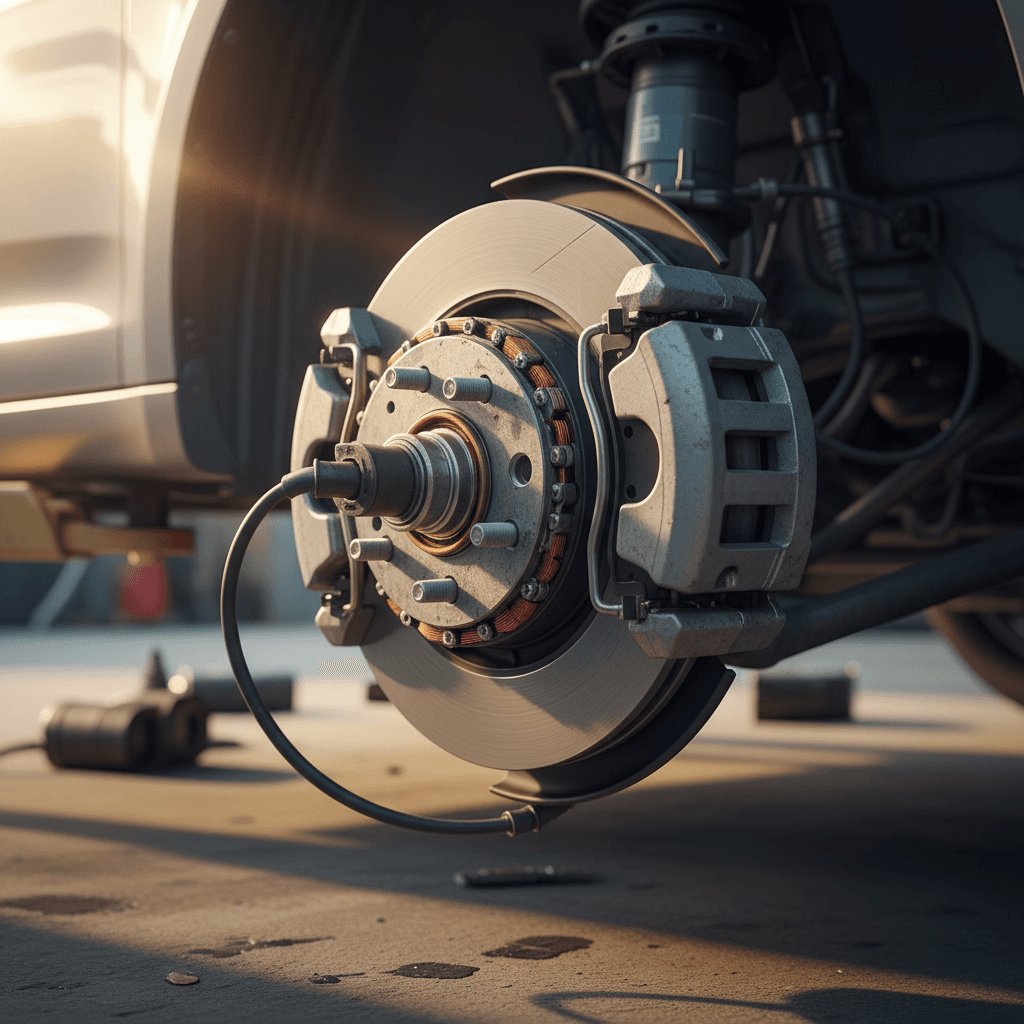
Brakes have many parts—calipers, rotors, pads, springs, and clips. Each can cause injury if handled wrong.
- Calipers and rotors can be sharp or heavy. Hold with care.
- Brake springs are under tension and can snap loose.
- Old pads may contain asbestos dust. Never use compressed air to clean; always use brake cleaner spray.
Spray brake cleaner liberally and wipe with a disposable rag. Always wash your hands after handling any brake part.
Brake Fluid Safety
Brake fluid is corrosive. It eats paint and harms skin. Follow these safety steps:
- Use only DOT-approved brake fluid for your car.
- Store brake fluid away from children and open flames.
- Clean spills immediately.
- Don’t let brake fluid touch your car’s paint.
If brake fluid contacts your skin or eyes, wash with plenty of water right away. If you spill on paint, rinse and wipe immediately to avoid damage.
Credit: recharged.com
Working On The Brake System: Step-by-step Safety
Here’s how to stay safe during common brake jobs.
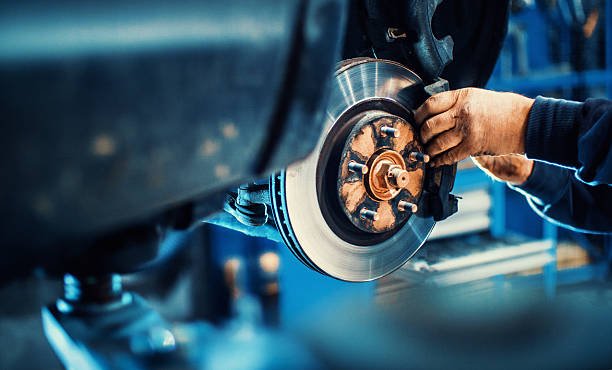
1. Removing The Wheel
- Loosen lug nuts before lifting the car, not after.
- Remove the wheel and place it under the frame as a backup support.
2. Inspecting Parts
- Wear gloves and a mask.
- Avoid blowing or brushing dust.
- Look for cracks, leaks, or uneven wear.
3. Replacing Pads Or Rotors
- Compress caliper pistons slowly using a tool.
- Don’t let the caliper hang from the brake hose—use a hook or rope.
- Double-check that new pads/rotors match old ones before installing.
4. Bleeding The Brakes
- Use a bleeder kit or a clear hose and bottle.
- Never reuse old brake fluid.
- Keep the reservoir filled to avoid air entering the system.
5. Reassembly
- Tighten all bolts to the manufacturer’s specs (use a torque wrench).
- Replace any hardware (springs, clips) that looks worn.
- Make sure nothing is left loose inside the wheel.
A common beginner mistake is forgetting to pump the brake pedal after work. Always pump several times to restore pressure before driving.
Brake System Work: Common Mistakes To Avoid
Many people make small errors that lead to big problems. Here are mistakes to avoid:
- Not checking the brake fluid level before and after.
- Mixing up brake pad types (inner vs. outer pads).
- Touching the friction surface of new pads or rotors with greasy hands.
- Not tightening bolts enough (or too much).
- Driving before checking for leaks or strange noises.
- Skipping the test drive in a safe, empty area.
Credit: advancedautomotiveva.com
Testing Brakes After Work
Testing is not optional. It’s the final safety step.
- Before moving the car, press the brake pedal several times. It should feel firm.
- With the car still in park, keep pressing the pedal for 30 seconds. It should not sink.
- Roll the car slowly in a safe area and brake gently.
- Listen for noises and check for warning lights.
If anything feels off—soft pedal, grinding noise, warning light—stop immediately and recheck your work.
Table: Brake Warning Signs After Service
| Warning Sign | Possible Cause | What to Do |
|---|---|---|
| Soft Pedal | Air in system, fluid low | Re-bleed brakes, check for leaks |
| Grinding Noise | Misaligned pad or debris | Inspect pads/rotors, clean parts |
| Warning Light | Sensor trip, low fluid | Check connections and fluid |
Extra Safety Tips Most People Miss
Some important points are often skipped, even by experienced DIYers:
- Don’t rush: Take your time to do each step carefully.
- Replace both sides: Always service brakes in pairs (left/right) for even performance.
- Check torque settings: Many over-tighten or under-tighten bolts, leading to failure.
- Dispose of waste properly: Brake fluid and old pads must be recycled or handled as hazardous waste. Never dump down the drain.
Professional Help: When To Call A Mechanic
Not all brake jobs are DIY-friendly. Seek a professional if you:
- Notice deep rust or cracked brake lines.
- Don’t have proper tools or safety gear.
- Are unsure about any step.
- See ABS or other warning lights after your work.
- Hear persistent strange noises after repair.
A professional brake inspection may cost more, but it could save your life. If you’re unsure, play it safe.
Safety Tips For Special Brake Systems
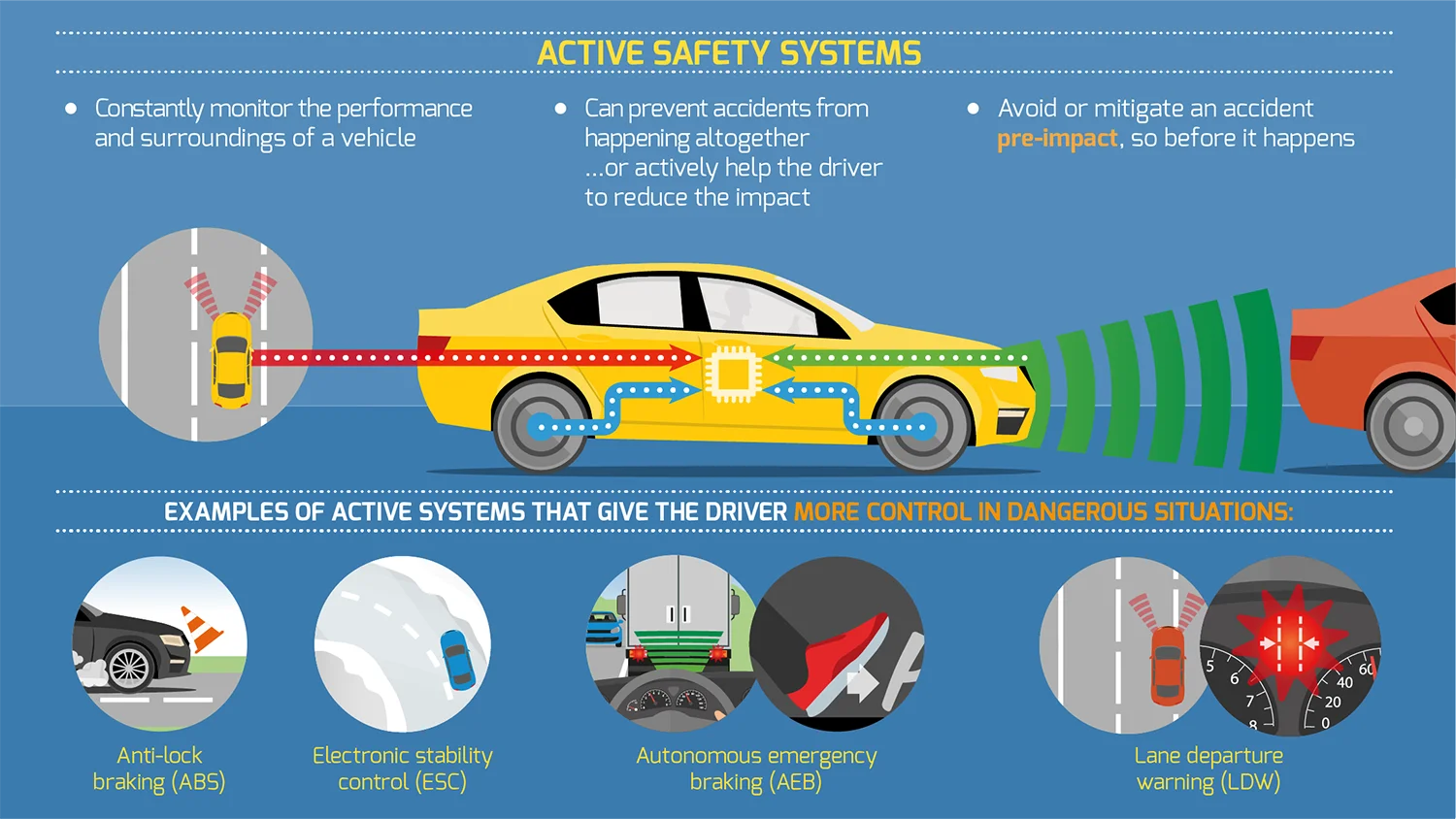
Modern cars may have extra features:
- ABS (Anti-lock Braking System): Some need special bleeding procedures. Don’t skip the manual.
- Electric parking brakes: Disengage using the car’s system before working.
- Hybrid/EV brake boosters: May power up even when “off”—disconnect the battery first.
For advanced brake systems, always check your car’s service manual or visit a trusted resource like Wikipedia for more info.
Frequently Asked Questions
How Often Should I Check My Brake System?
It’s good to check brakes every 10,000–15,000 km or at every oil change. If you hear noises or feel changes in pedal pressure, check immediately.
What Should I Do If I Spill Brake Fluid?
Clean it up right away with rags and water. Avoid letting it touch your skin or car paint. Dispose of rags as hazardous waste.
Is It Safe To Work On Brakes Alone?
Yes, but tell someone you’re working on your car, and keep your phone nearby. Avoid working under the car without support, and never rush.
Can I Reuse Old Brake Fluid?
Never reuse old brake fluid. It absorbs moisture and loses effectiveness. Always use fresh, unopened fluid for best performance.
What’s The Most Common Mistake People Make With Brake Repairs?
Many people forget to pump the brake pedal after working. This can cause the pedal to go to the floor, leading to loss of control. Always pump brakes before you start driving.
Working on your car’s brakes is rewarding, but safety is everything. With careful steps, the right tools, and a bit of patience, you can keep yourself and your car safe on the road. Remember, when in doubt, seek professional help—your safety is worth it.