
Removing water spots from your car’s paint isn’t just about keeping your vehicle looking good. It also protects the paint and helps your car last longer. Water spots may look harmless at first, but they can etch into the surface, making them harder to remove over time.
Many car owners try wiping them away with water or soap, but often, the spots remain. This guide explains why water spots form, how to safely remove them, and how to avoid making mistakes that can damage your car’s finish.
Whether you’re a car enthusiast or just want your car to shine, the steps below will help you deal with water spots in the right way.
What Causes Water Spots On Car Paint?
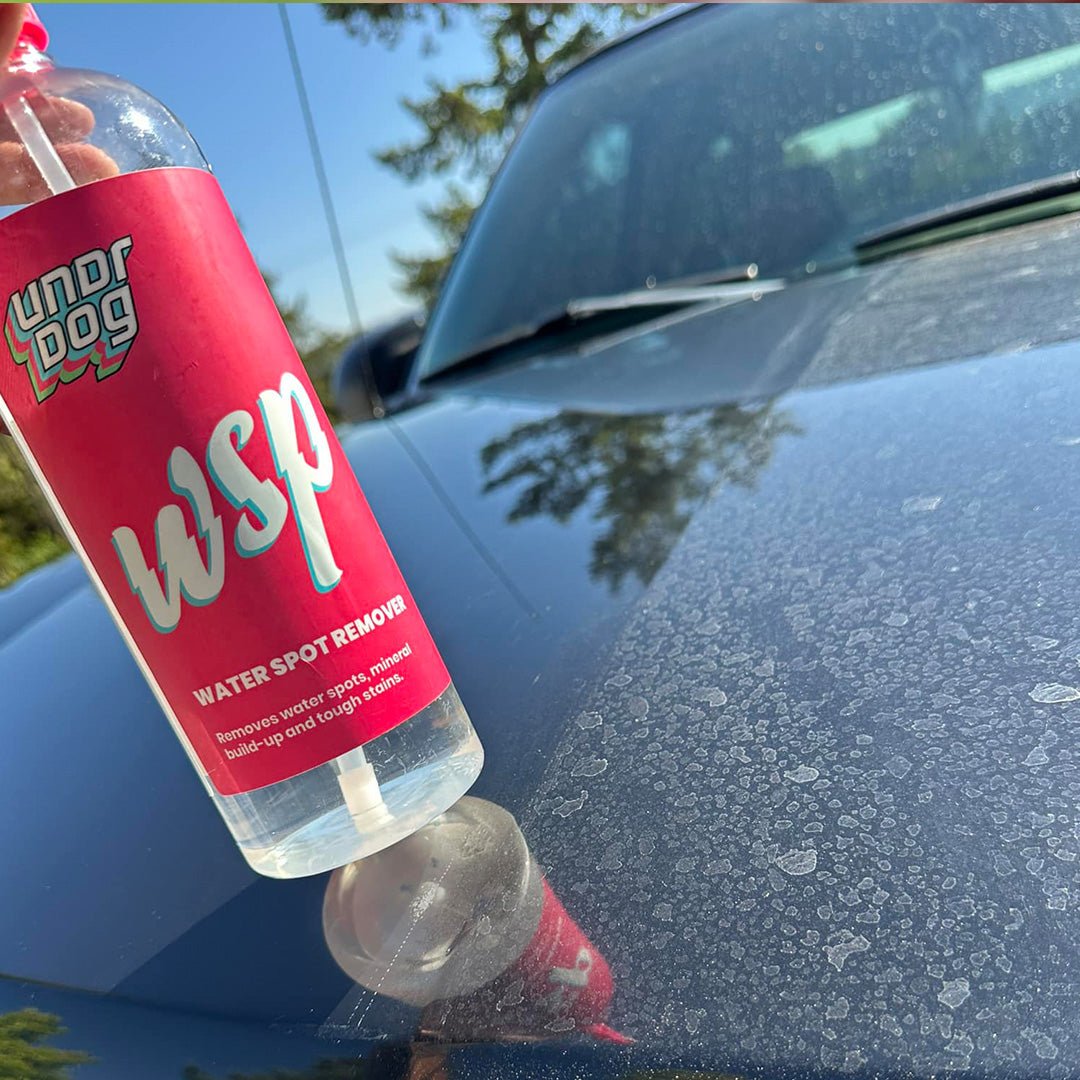
Water spots are usually left behind when water droplets dry on the surface of your car. These spots are made of minerals and contaminants that stay after the water evaporates. There are three main types of water spots:
- Regular water spots: Caused by minerals like calcium and magnesium in tap water.
- Bonded mineral spots: These are more stubborn and form when minerals combine with dirt or pollution.
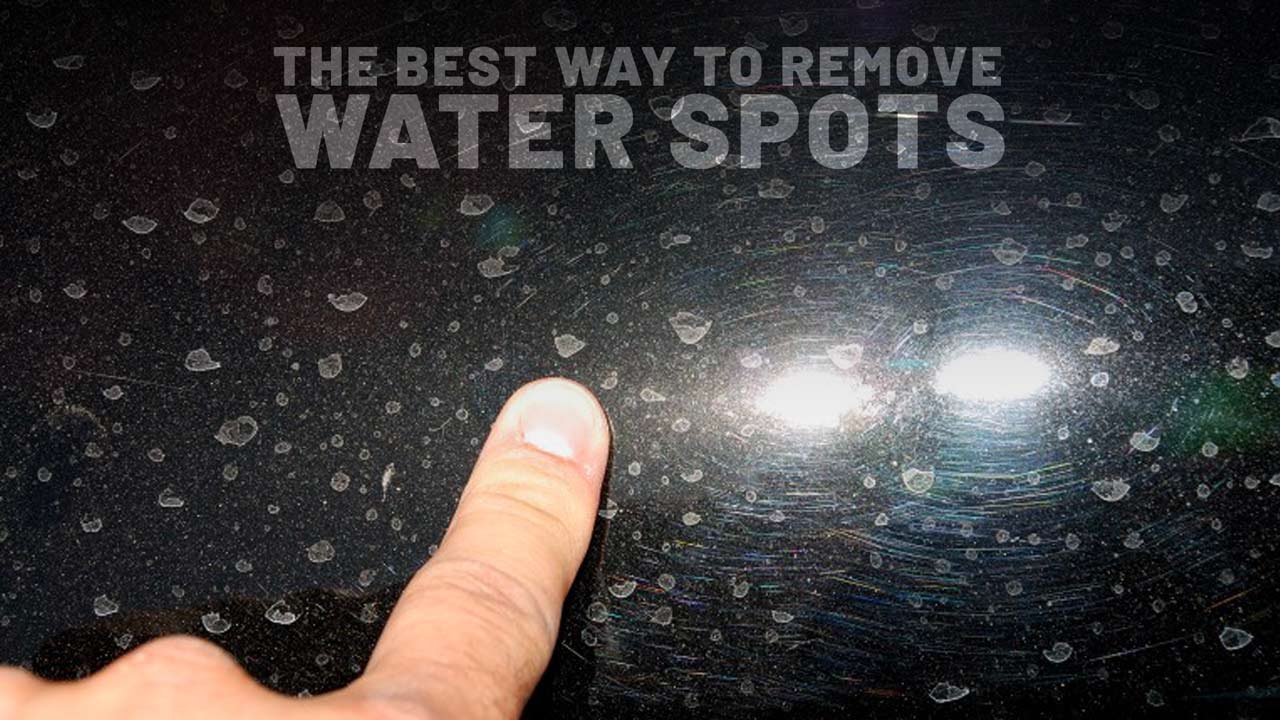
- Etched water spots: These are the most serious. They happen when minerals and contaminants react with the paint, leaving a mark that you can feel with your fingernail.
Rain, sprinklers, car washes, and even dew can all cause water spots. In areas with hard water (high mineral content), the risk is much higher.
Why Removing Water Spots Matters
Ignoring water spots can lead to permanent damage. Over time, the minerals can eat into the clear coat, making paint dull and rough. In some cases, these spots can even cause paint to peel. Removing water spots quickly is the best way to prevent costly repairs. Plus, a clean car holds its value better and simply looks more attractive.
Credit: getundrdog.com
Basic Tools And Products You’ll Need
Before you start, gather these items:
- Microfiber towels (soft and clean)
- Car wash soap (not dish soap)
- Bucket and water
- Clay bar kit
- Water spot remover (special chemical cleaner)
- Detailing spray
- Polishing compound (if needed)
- Dual-action polisher (optional)
- Protective gloves
Using the right products is important. Household cleaners can make things worse, as they may strip wax or harm the paint.
How To Remove Water Spots From Car Paint: Step-by-step
1. Wash The Car Thoroughly
Start with a clean surface. Use car wash soap (not dish soap, which can strip wax) and a microfiber mitt. Rinse well with clean water, and dry with a microfiber towel. This removes dirt and loose minerals, making the next steps more effective.
2. Try Vinegar Solution For Fresh Spots
For new water spots (less than 24 hours old), a simple mixture of equal parts distilled white vinegar and water can work. Spray the solution onto the affected area, let it sit for about 1 minute, then wipe gently with a microfiber towel. Rinse with water to remove any vinegar.
Why Vinegar Works
Vinegar is mildly acidic, so it breaks down minerals from hard water. However, don’t use it on hot surfaces or let it dry, as it can dull the paint.
3. Use A Clay Bar For Stubborn Spots
A clay bar is a soft, sticky material that picks up contaminants stuck to the paint. Spray a clay lubricant or detailing spray on the area, then gently rub the clay bar in straight lines. You’ll feel the surface become smoother as you work.
Tips For Using Clay Bar
- Always use lubricant to avoid scratching.
- Fold and reshape the clay as it becomes dirty.
- After claying, wipe with a clean microfiber towel.
4. Apply A Water Spot Remover
If the spots remain, use a commercial water spot remover made for car paint. Follow the instructions on the label—usually, you apply with a microfiber towel or applicator pad, let it sit, and then buff off. These removers dissolve minerals without harming the paint.
5. Polish For Etched Spots
When water spots have etched into the paint, you’ll need a polishing compound. Apply a small amount to a foam applicator or a dual-action polisher. Work on a small area at a time, using light pressure. Wipe off any excess with a microfiber towel.
Warning
Polishing removes a tiny layer of clear coat, so don’t do this often. Always test on a small area first.
6. Finish With A Protective Wax Or Sealant
After removing water spots, apply a wax or paint sealant to protect the paint. This makes it harder for future spots to stick and gives your car a shiny finish.
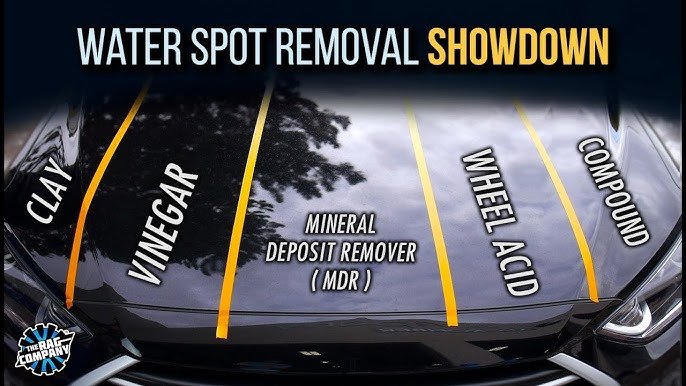
Comparing Water Spot Removal Methods
To help you pick the right method, here’s a comparison of the most common techniques:
| Method | Best For | Time Required | Skill Level |
|---|---|---|---|
| Vinegar Solution | Fresh spots | 10-20 min | Beginner |
| Clay Bar | Light to moderate spots | 30-45 min | Beginner to Intermediate |
| Water Spot Remover | Stubborn spots | 20-30 min | Beginner |
| Polishing Compound | Etched spots | 45-60 min | Intermediate to Advanced |
Common Mistakes To Avoid
Many people make simple errors that can cause more harm than good. Here are some mistakes to watch out for:
- Using hard water to rinse: This can add more minerals and create new spots.
- Wiping with dirty towels: Dirt can scratch the paint.
- Skipping the test spot: Always test new products on a small, hidden area.
- Polishing too aggressively: Too much pressure can thin the clear coat.
- Letting products dry on paint: This can stain or damage the surface.
Credit: www.drbeasleys.com
How To Prevent Water Spots In The Future
Prevention is the best way to keep your car spot-free. Here’s what you can do:
- Wash your car in the shade: Sunlight speeds up evaporation and leaves spots.
- Dry immediately: Use a clean microfiber towel to dry after washing or rain.
- Use filtered or deionized water: These have fewer minerals, so they leave less residue.
- Apply wax or sealant every 2-3 months: This creates a barrier against contaminants.
- Avoid parking near sprinklers: Sprinkler water is often hard and full of minerals.
- Cover your car: If possible, park in a garage or use a car cover during rain.
Professional Help Vs. Diy
Sometimes, water spots are too severe for home methods. If you notice deep etching, heavy build-up, or discoloration, it may be time for professional detailing. Detailers use advanced tools and products that can restore your car’s finish. The cost can range from $50 to $300, depending on the damage and your location.
Here’s a look at when to try DIY vs. when to seek professional help:
| Situation | DIY | Professional |
|---|---|---|
| Fresh water spots | ✔ | |
| Light mineral build-up | ✔ | |
| Heavy etching | ✔ | |
| Large area damage | ✔ | |
| Repeated failures | ✔ |
Non-obvious Insights Most Beginners Miss
- Water quality matters: Many people use tap water for washing, not realizing that hard water leaves more spots. Investing in a simple water filter can save you time and money.
- Surface temperature is critical: Working on a hot surface makes products dry too fast and can leave stains. Always work in the shade and touch the paint—if it’s hot, wait until it cools.
- Multiple techniques may be needed: Sometimes, one method isn’t enough. For example, you may need to clay bar after vinegar or polish after a remover.
Real-world Example
Let’s say you park your car under a tree and come back after a rainy day. You notice white spots on the hood. First, wash with car soap and dry. If the spots are still there, spray a vinegar solution, wait a minute, and wipe.
If spots remain, use a clay bar, following the steps above. Most cars respond well to this process. But if you still feel roughness or see marks, try a water spot remover. Only polish if you see etching or dullness.
Credit: www.youtube.com
Expert Tips For Lasting Results
- Keep extra microfiber towels in your car for quick drying after rain or washing.
- Don’t use glass cleaners on paint—they can be too harsh.
- Check the paint with your hand: After cleaning, it should feel smooth, like glass.
- Regular maintenance (washing and waxing) is easier than fixing damage later.
When To Repaint Or Repair
In rare cases, water spots may damage the paint so much that you see peeling, bubbling, or discoloration. If that happens, spot repairs or even repainting may be needed. This is more likely in older cars or those left outside for years.
Always try cleaning and polishing first, as repainting is costly and should be a last resort.
Extra Data: Cost And Time Estimates
Here’s a quick look at the typical time and cost for each method:
| Method | Time (per session) | Estimated Cost |
|---|---|---|
| Vinegar Solution | 15 minutes | $1-2 |
| Clay Bar | 30-45 minutes | $15-25 |
| Water Spot Remover | 20-30 minutes | $10-20 |
| Polishing | 45-60 minutes | $20-50 (if DIY) |
| Professional Detailing | 2-4 hours | $50-300 |
Frequently Asked Questions
What Causes Water Spots To Form On Car Paint?
Water spots form when water dries on the surface and leaves behind minerals or contaminants. Rain, sprinklers, and car washing with hard water are the most common causes. The spots can be simple mineral deposits or, in severe cases, etched into the paint.
Can I Use Household Cleaners To Remove Water Spots?
It’s best to avoid household cleaners like glass cleaner or dish soap. These can damage the car’s paint or clear coat. Always use products designed for automotive use.
How Do I Know If A Water Spot Has Etched The Paint?
If you can feel the spot with your fingernail or if the mark remains after washing and using a clay bar, it’s likely etched. Etched spots need polishing or professional repair to remove.
Will Waxing My Car Prevent Water Spots?
Waxing adds a protective layer, making it harder for minerals to stick. While it won’t stop all water spots, it will make them easier to remove and protect the paint from damage.
When Should I Seek Professional Help?
If you see large areas of etching, discoloration, or repeated failure to remove spots with DIY methods, it’s time to consult a professional detailer. They have specialized tools and products for deep cleaning and paint correction.
For more information about car care and paint protection, you can check Wikipedia’s Car Wash page.
Removing water spots isn’t just about appearance—it’s about keeping your car in top shape. With the right methods, products, and regular care, you can keep your paint looking new for years. If you pay attention to the details and avoid common mistakes, you’ll save money and keep your car shining on the road.