
Replacing a car’s ignition coil yourself might sound complex, but it can be a manageable and rewarding task. Whether your car is misfiring, running rough, or refusing to start, the ignition coil is often the culprit. In today’s world, labor costs for even simple repairs are rising. Doing it yourself saves money and builds confidence in handling your vehicle. This guide will show you, step by step, how to replace your ignition coil safely and correctly, even if you have little automotive experience.
Understanding the basics is important before you start. This article will explain what an ignition coil does, how to spot a faulty one, and how to prepare for the replacement. By the end, you’ll know not just the steps, but also the tips and common mistakes that can make a big difference.
What Is An Ignition Coil And Why Does It Matter?
The ignition coil is a small but crucial part of your car’s ignition system. Its job is to convert the car battery’s low voltage into the high voltage needed to create a spark in the spark plugs. This spark ignites the fuel and air mixture, allowing the engine to run smoothly.
If the ignition coil fails, the engine may misfire, run poorly, or not start at all. Ignoring a faulty coil can lead to more serious engine damage or expensive repairs. That’s why replacing it promptly is important.
Signs Your Ignition Coil Needs Replacement
Knowing when to replace your ignition coil can save you time and money. Here are the most common signs:
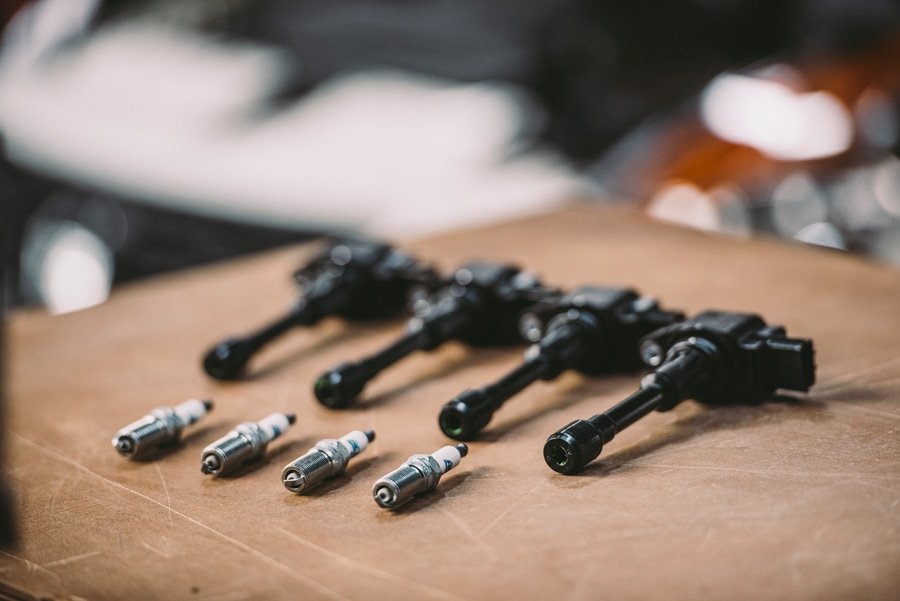
- Engine misfires – If the engine stutters, hesitates, or makes popping sounds, a faulty coil could be the cause.
- Hard starting or no start – The engine may crank but not fire up, especially when hot.
- Poor fuel economy – Bad coils cause incomplete combustion, which wastes fuel.
- Check engine light – The car’s computer may sense a problem and turn on the warning light.
- Rough idle – The engine feels shaky or vibrates when stopped.
- Loss of power – Acceleration feels weak, especially uphill.
It’s important to confirm these symptoms with a scan tool or professional diagnosis, as they can have other causes.
Credit: www.autozone.com
Tools And Materials You Will Need
Before starting, gather all the necessary tools and parts. Having everything ready will make the process smoother and prevent delays.
Basic Tools
- Socket set (metric and standard sizes)
- Ratchet or wrench
- Extension bar (helpful for hard-to-reach coils)
- Flathead screwdriver
- Torque wrench (for final tightening, if possible)
- Dielectric grease (optional, for better electrical contact)
- Clean rag or towel
Replacement Parts
- New ignition coil (make sure it matches your car’s make, model, and year)
- Replacement spark plugs (if needed)
- Anti-seize lubricant (for spark plug threads, optional)
Safety Equipment
- Gloves
- Safety glasses
- Battery terminal wrench (for disconnecting the battery)
How To Find The Correct Ignition Coil
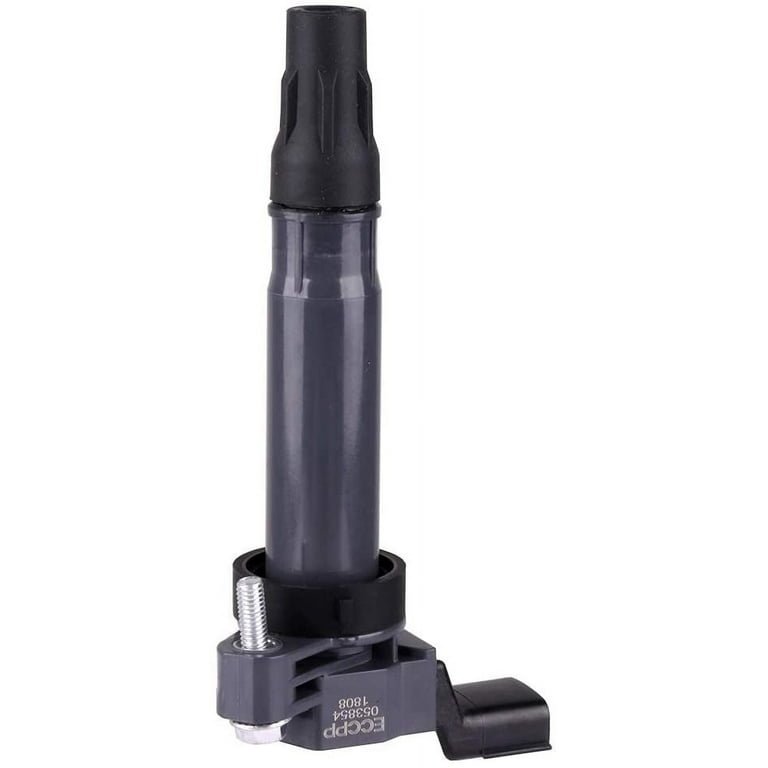
Not all ignition coils are the same. Choosing the wrong type can cause more problems. Here’s how to get the right coil:
- Check your owner’s manual – It lists the correct part number.
- Look at the old coil – The part number is usually printed or stamped on it.
- Ask an auto parts store – Provide your car’s year, make, model, and engine size.
Some cars have a single coil for all cylinders, while others have one coil per cylinder (coil-on-plug). Confirm which type your car uses.
Credit: www.walmart.com
Step-by-step Guide: How To Replace The Ignition Coil
Let’s get hands-on. These steps cover most vehicles, but always check your car’s service manual for details.
1. Prepare Your Workspace
- Park the car on a flat surface.
- Turn off the engine and let it cool.
- Open the hood and secure it.
- Disconnect the negative battery terminal to prevent shocks.
2. Locate The Ignition Coil
The ignition coil is usually found on top of the engine, near the spark plugs. In modern cars, you’ll see a row of coils (one per cylinder) or a single coil pack with wires leading to each spark plug.
3. Remove Any Covers Or Components
Some engines have plastic covers that hide the coils. Remove these by unscrewing bolts or clips. In rare cases, you may need to remove the air intake or other parts for access.
4. Disconnect The Coil Electrical Connector
Press the release tab and gently pull off the electrical connector from the ignition coil. Do not yank the wires.
5. Remove The Coil Mounting Bolt
Use your socket and ratchet to remove the bolt holding the coil in place. Keep the bolt safe; you’ll need it to install the new coil.
6. Take Out The Old Coil
Carefully pull the coil straight up. If it feels stuck, wiggle it gently. Avoid twisting too hard, as this can break the coil or the rubber boot.
7. Inspect The Spark Plug (optional But Recommended)
With the coil out, you can check the spark plug for wear or damage. If needed, remove and replace the spark plug using a spark plug socket.
8. Install The New Ignition Coil
Apply a small amount of dielectric grease to the inside of the new coil’s boot. This helps prevent moisture and ensures a good connection. Insert the new coil straight into the spark plug well.
9. Secure The Coil
Reinstall the mounting bolt and tighten it snugly. If you have a torque wrench, use the recommended torque setting from your manual (usually 6–8 ft-lbs).
10. Reconnect The Electrical Connector
Push the connector onto the new coil until it clicks into place.
11. Reinstall Any Covers Or Components
Put back any engine covers, air intake tubes, or other parts you removed.
12. Reconnect The Battery
Attach the negative battery terminal and tighten it.
13. Test The Car
Start the engine. It should run smoothly and without misfires. If you still notice problems, double-check your work or scan for trouble codes.
Common Mistakes To Avoid
Many beginners make small errors that can cause big headaches. Watch out for these common mistakes:
- Forcing connectors or bolts – Always be gentle. Forcing can break plastic parts.
- Mixing up coil positions – If replacing more than one coil, do them one at a time so you don’t lose track.
- Skipping dielectric grease – This small step prevents future moisture problems.
- Not tightening bolts properly – Loose coils can cause misfires or even fly off.
- Ignoring the check engine light – If the light stays on after replacement, scan for codes. The problem might not be the coil.
Comparing Diy Vs. Professional Replacement
Is it really worth replacing the ignition coil yourself? Here’s a quick comparison:
| Factor | DIY Replacement | Professional Replacement |
|---|---|---|
| Cost | $20–$150 (parts only) | $100–$350 (parts + labor) |
| Time Needed | 30–60 minutes | 1–3 hours (including waiting) |
| Skill Level | Basic tools and care | None required |
| Satisfaction | High – you learn and save money | Low – just pay and wait |
Practical Tips For Success
- Replace all coils at once if possible – If one coil failed, the others may not be far behind, especially in older cars.
- Label connectors and bolts – Use masking tape or small containers to keep parts organized.
- Take photos before disassembly – A quick phone photo can help you remember the order of parts.
- Buy quality parts – Cheap coils can fail quickly. OEM or trusted brands are best.
- Double-check your work – Before closing the hood, review every step.
Credit: www.youtube.com
Real-world Example
Let’s say you own a 2012 Honda Accord with a four-cylinder engine. The engine starts to misfire and the check engine light comes on. A scan tool shows “P0302 – Cylinder 2 Misfire.” You check the ignition coil on cylinder 2, find it’s cracked, and decide to replace it.
You buy a new coil (about $40), remove the engine cover, disconnect the coil’s connector, take out the bolt, and replace the coil. After installing, the engine runs perfectly again. This simple repair saves you over $100 in labor.
Cost Comparison: Popular Car Models
To help you plan, here’s a look at the average cost for a single ignition coil for different cars:
| Car Model | OEM Coil Price | Aftermarket Coil Price |
|---|---|---|
| Honda Accord | $35–$55 | $20–$35 |
| Toyota Camry | $40–$60 | $25–$40 |
| Ford F-150 | $45–$80 | $30–$50 |
| BMW 3 Series | $70–$120 | $40–$80 |
Prices can vary based on location and retailer, but this gives a rough idea.
When To Seek Professional Help
Sometimes, replacing the ignition coil yourself isn’t the best option. Seek help if:
- The coil is hard to reach (some V6 or V8 engines hide coils under intake manifolds).
- You’re not comfortable with tools or car repairs.
- The coil fails again soon after replacement (may indicate another problem).
- The engine light stays on after changing the coil.
A mechanic can check for deeper issues, like wiring faults or computer problems.
Safety Precautions
Even simple repairs have risks. Always:
- Disconnect the battery before starting.
- Let the engine cool to avoid burns.
- Wear gloves and eye protection.
- Keep flammable materials away from the work area.
Data: Ignition Coil Failure Rates
Studies show that ignition coils are one of the top five reasons for engine misfires in cars over 100,000 miles. On average, modern coils last between 60,000 and 100,000 miles, but heat, vibration, and oil leaks can cause early failure.
| Car Age (years) | Common Failure Rate (%) |
|---|---|
| 0–5 | 2% |
| 6–10 | 9% |
| 11–15 | 18% |
This is why regular inspection and timely replacement matter, especially as your car ages.
Frequently Asked Questions
How Do I Know If My Ignition Coil Is Really Bad?
A scan tool can confirm ignition coil failure by reading codes like P0351–P0354. Physical signs include visible cracks, burnt smells, or carbon tracking on the coil.
Can I Drive With A Faulty Ignition Coil?
It’s possible, but not recommended. Driving with a bad coil can damage the catalytic converter and lead to more expensive engine repairs.
Do All Cars Use The Same Type Of Ignition Coil?
No. Some cars use a single coil for all cylinders, others use one coil per cylinder (coil-on-plug). Always check your owner’s manual for the correct type.
Is It Necessary To Change Spark Plugs When Replacing The Ignition Coil?
It’s not required, but it’s a good idea if the spark plugs are old or worn. A bad spark plug can also cause coil failure.
Where Can I Find More Information About Ignition Coil Replacement?
For further reading and detailed diagrams, visit the Wikipedia Ignition Coil page.
—
Replacing your car’s ignition coil yourself is a practical way to save money and learn more about your vehicle. With the right tools, a clear plan, and attention to detail, even beginners can complete this task. Each step builds your confidence for future repairs.
If you’re unsure, don’t hesitate to ask for help, but don’t underestimate your ability to handle basic car maintenance. Your car—and your wallet—will thank you.