
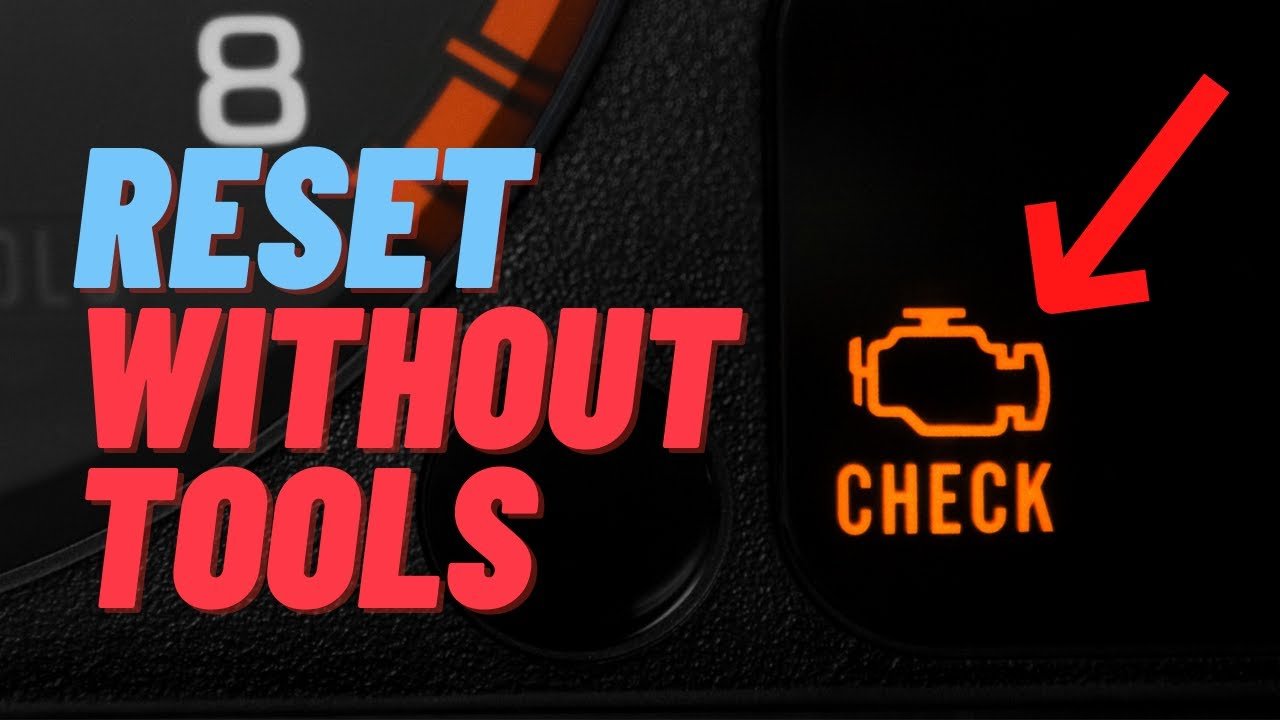
Every car owner knows the feeling: you’re driving along, and suddenly the check engine light glows on your dashboard. It’s a small warning, but it can cause big worries. Many people think they need an expensive tool or a trip to the mechanic to turn it off. But what if you could reset the check engine light without a scanner? The truth is, you can—if you know the right steps and precautions. This guide will walk you through safe, effective methods for clearing the check engine light, explain when you should (and should not) do this, and share helpful tips for handling this common problem.
Understanding The Check Engine Light
When the check engine light comes on, your car’s onboard computer (ECU) is telling you something is wrong. It could be a simple issue, like a loose gas cap, or a sign of a bigger problem with the engine, exhaust, or emissions system. Ignoring the light is risky—it can mean poor fuel economy, more pollution, or even engine damage.
The light does not always mean a major repair is needed. Sometimes, it’s triggered by temporary or minor issues. That’s why many people want to reset the light themselves. But remember: resetting the light does not fix the problem. Always check for real issues first.
When Should You Reset The Check Engine Light?
You might want to reset the light after:
- Fixing the problem (like tightening the gas cap or replacing a sensor)
- Checking for a one-time error
- Passing a repair or emissions test
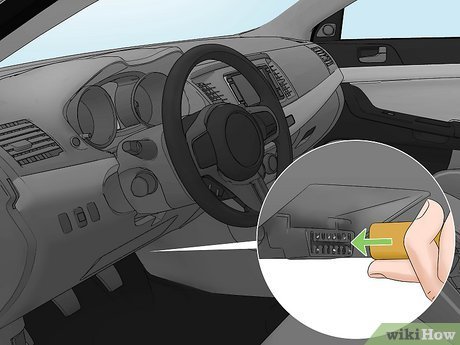
Do not reset the light if your car is running roughly, making strange noises, or showing other warning lights. In these cases, seek professional help first. Resetting the light without fixing the root cause can hide serious issues and delay repairs.
Credit: www.wikihow.com
Basic Methods To Reset The Check Engine Light Without A Scanner
There are a few simple ways to reset the check engine light without using a diagnostic tool. Each method has its own pros and cons. Let’s look at the most common techniques.
1. Disconnect The Car Battery
This is the oldest and most widely known method. By disconnecting the battery, you force the car’s computer to lose its memory, which often turns off the warning light.
Steps:
- Turn off the engine and remove the keys.
- Open the hood and locate the battery.
- Use a wrench to remove the negative (-) cable from the battery terminal.
- Wait 15-30 minutes to let all power drain from the system.
- Reconnect the negative cable securely.
- Start the car and check if the light is off.
Pros:
- Simple and free
- No tools needed beyond a wrench
Cons:
- May reset radio, clock, and seat memory
- Not all car models clear the light this way
Extra Tip: Some newer cars have a backup battery or capacitor, so this trick might not work. If so, try another method.
2. Let The System Reset Itself
Sometimes, the car’s computer will turn off the light after the issue is fixed and the car completes several drive cycles.
What is a drive cycle?
A drive cycle means driving your car at different speeds and conditions (idle, city, highway) for a set time.
Steps:
- Fix the root cause (e.g., tighten the gas cap).
- Drive normally for 3-4 days (about 50–100 miles).
- The system checks itself and may turn off the light if everything is okay.
Pros:
- No tools or risk of memory loss
- Safe for all cars
Cons:
- Takes time
- Won’t work if the problem is still there
3. Use The Ignition Key Method
Some vehicles, especially older models, let you reset the light using only the ignition key.
Steps:
- Insert the key and turn it to the “on” position (not start).
- Turn off and repeat this step 3 times in a row.
- Start the engine on the fourth turn.
Pros:
- Quick and easy
- No special tools
Cons:
- Only works on some vehicles
- May not clear all codes
4. Pull The Ecu/ecm Fuse
Your car’s computer is powered by a fuse. Removing and replacing this fuse can reset the system.
Steps:
- Turn off the car.
- Locate the fuse box (usually under the dashboard or hood).
- Find the fuse labeled ECU, ECM, or EFI.
- Remove the fuse for 10–15 minutes.
- Reinsert the fuse and start the car.
Pros:
- More targeted than disconnecting the battery
- Doesn’t reset all electronics
Cons:
- Requires knowledge of the fuse box layout
- Mistakenly pulling the wrong fuse can cause issues
5. Fix The Triggering Issue
Many times, the check engine light is triggered by small things, like a loose gas cap, dirty air filter, or old spark plugs. Fixing these often resets the light after a few drive cycles.
Common easy fixes:
- Tighten or replace the gas cap
- Change the air filter
- Replace spark plugs or wires
Extra Insight: Always check your gas cap first. According to the Car Care Council, a loose or faulty gas cap is responsible for almost 10% of check engine lights nationwide.
Comparing Reset Methods
Here’s a quick comparison of these methods for different needs:
| Method | Speed | Risk of Data Loss | Works on All Cars? |
|---|---|---|---|
| Disconnect Battery | Fast | Yes | No |
| Drive Cycle | Slow | No | Yes |
| Ignition Key | Fast | No | No |
| Pull Fuse | Medium | Sometimes | No |
| Fix Issue | Slow to Medium | No | Yes |
What Not To Do When Resetting The Check Engine Light
Many beginners make these mistakes:
- Ignoring real problems: Don’t use these methods to hide a real issue. Always check for leaks, strange sounds, or poor performance.
- Repeated resets: If the light keeps returning, something is wrong. Repeatedly clearing the code can make things worse.
- Resetting before inspections: Some places check if the light was recently reset during emissions testing. It’s better to fix the problem first.
Why The Light May Not Reset
Sometimes, the check engine light stays on even after trying these methods. Possible reasons include:
- The underlying problem is still there.
- The car’s computer needs more drive cycles to clear the code.
- The reset method does not work on your car model.
Pro tip: If the light blinks (not just stays on), stop driving. A blinking light means a serious fault, such as a misfire, which can damage the catalytic converter.
The Risks And Downsides Of Manual Resetting
Manually resetting the check engine light seems easy, but there are some risks:
- Loss of error codes: Mechanics use the stored error codes to diagnose issues. If you clear them too early, it’s harder to find the cause.
- Resetting readiness monitors: Your car’s emissions system runs self-checks. Resetting the ECU may clear these and cause your car to fail inspections.
- Voiding warranties: Some automakers may void your warranty if you tamper with the electronics.
Non-obvious insight: Some cars, especially European and luxury models, have anti-tamper systems. Repeated resets without fixing the problem can lock you out of certain features or trigger other warning lights.
How To Know If The Problem Is Fixed
After resetting the check engine light, watch for these signs:
- The light does not return after several days of normal driving.
- The car runs smoothly, with no rough idling or stalling.
- Fuel efficiency improves or stays normal.
If the light returns, schedule a proper diagnosis. Never ignore it if you hear new sounds or feel changes in how your car drives.
Credit: www.endurancewarranty.com
Professional Vs. Diy Reset: What’s Best?
It’s tempting to handle everything yourself, but sometimes it’s better to get expert help. Here’s a side-by-side look:
| DIY Reset | Professional Reset |
|---|---|
| Free or very low cost | May cost $50–$150 |
| Quick for simple issues | Includes full diagnostics |
| Risk of hiding problems | Ensures root cause is fixed |
| No warranty support | Protects warranty |
For minor issues, a DIY reset is fine. For anything more serious, or if the light keeps coming back, professional help is the safer choice.
Real-world Example: Resetting After A Gas Cap Issue
Imagine you just filled up your tank and forgot to tighten the gas cap. A few miles later, the check engine light turns on. You check the cap, tighten it, and decide not to rush to the shop.
You try the drive cycle method—driving for a few days, making sure the cap is tight. The light goes off on its own. In this case, you saved money and time, and you didn’t hide a real problem. But if the light stayed on, you’d need to check for a cracked cap or a larger issue.
Key Takeaways For Beginners
- Always fix the problem before resetting the light.
- Try simple methods first, like checking the gas cap or letting the system reset itself.
- Don’t ignore the light if your car acts strange or the light blinks.
- Be aware of the risks—don’t clear codes just before an emissions test.
- When in doubt, ask a professional for help.
Frequently Asked Questions
What Is The Easiest Way To Reset The Check Engine Light Without A Scanner?
The easiest way is to disconnect the negative battery cable for 15–30 minutes. This usually clears the light, but you may lose radio or clock settings.
Will The Check Engine Light Go Off By Itself?
Yes, if you fix the problem, the light may turn off after several drive cycles. This happens when the car’s computer sees everything is back to normal.
Is It Safe To Drive With The Check Engine Light On?
If the light is steady and the car drives fine, it’s usually safe for a short time. If the light is blinking, or you notice poor performance, stop driving and get help.
Can I Pass Emissions If I Reset The Check Engine Light?
Resetting the light clears the computer’s readiness monitors. Many inspection stations will see this and may fail your car until the monitors are reset by normal driving.
What If The Light Keeps Coming Back After Resetting?
This means the root problem is not fixed. You should have your car checked by a mechanic or use a scanner to read the error codes.
For more on car diagnostics and why the check engine light matters, visit the On-board diagnostics Wikipedia page.
Whether you’re a new driver or a car enthusiast, knowing how to reset the check engine light without a scanner can save time and money. But always remember: clearing the light is not a cure. The real solution is fixing the problem and keeping your car running smoothly for years to come.
Credit: www.youtube.com