
Accidentally connecting a car battery the wrong way is a mistake that can happen to anyone. Maybe you were in a hurry, the battery terminals were poorly labeled, or you simply got distracted. While it seems like a small slip, installing a car battery backwards can lead to big problems—some obvious, others hidden.
Understanding what really happens in this situation can save you time, money, and stress. This guide explains, in clear language, the many mistakes people make with backward battery installation, the real damage it can cause, and what you should do if it happens to you.
What Happens When You Install A Car Battery Backwards
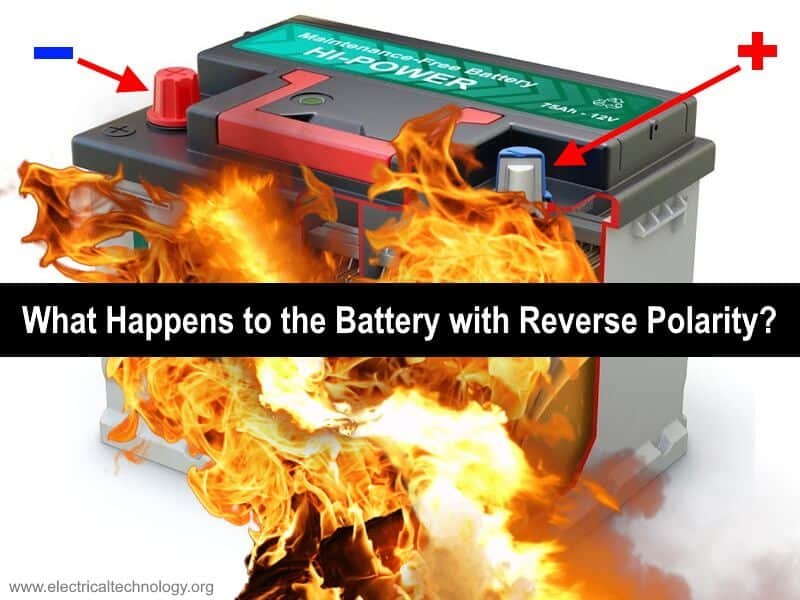
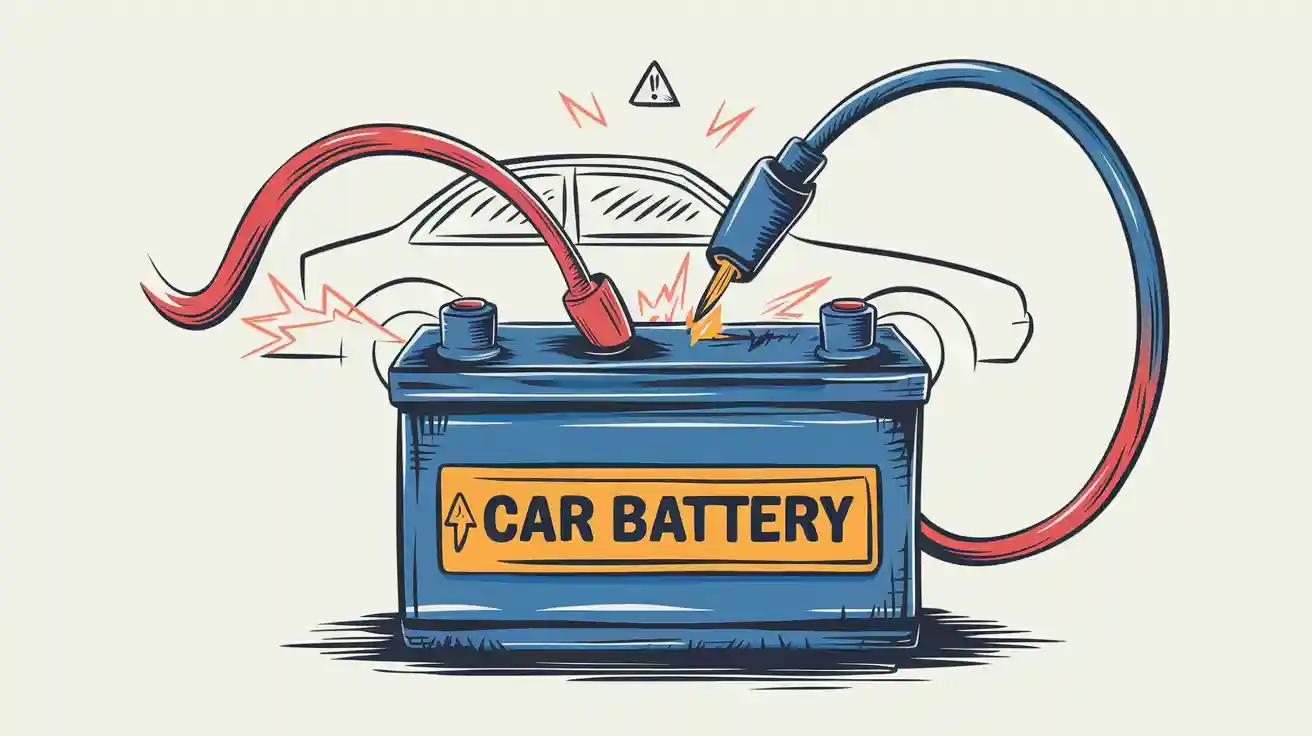
When you connect the positive terminal of a battery to the car’s negative cable, and the negative terminal to the positive cable, you reverse the flow of electricity through your car’s systems. Most car electronics are designed to work with the current flowing in one direction only. Reversing the polarity—also called reverse polarity—can confuse or destroy these components almost instantly.
The moment you connect the battery backwards, a high current may flow through delicate circuits that are not built to handle it. Modern cars have many electronic modules, sensors, and computers, making them especially vulnerable.
Common Mistakes People Make
Many people think connecting a battery is a simple task, but mistakes are easy to make. Here are some of the most frequent errors:
- Not checking battery labels: Some batteries have faded or unclear markings. Relying only on cable color (red or black) can be risky if the wires were replaced before.
- Assuming all cars are the same: Different cars have different battery layouts. Some European cars, for example, have the battery terminals positioned opposite from American cars.
- Skipping owner’s manual: The manual explains exactly where and how to connect the terminals, but many skip reading it.
- Working in poor light: Dim garages or nighttime repairs increase the chance of mixing up terminals.
- Ignoring sparks: If you see a spark when connecting, it’s a warning sign. Many ignore this and continue.
- Not disconnecting ground cable first: Always remove the negative (ground) cable before the positive. This reduces the risk of short circuits.
Immediate Effects Of Backward Installation
Right after connecting a battery backwards, several things can happen:
- Blown fuses: Most modern cars have fuses to protect against incorrect connections. These can blow instantly, sometimes with a loud pop.
- Dashboard warning lights: You may see strange or all warning lights flashing at once.
- No engine start: The engine may not crank, or it may crank but not fire up.
- Burning smell or smoke: This is a sign that electrical components are overheating or melting.
It’s important to act fast if you notice these symptoms. Disconnect the battery immediately to limit damage.
Electrical Components At Risk
Installing a car battery backwards can damage many parts of your car. Here’s a look at what’s most at risk:
| Component | Risk Level | Damage Type |
|---|---|---|
| Engine Control Unit (ECU) | Very High | Permanent failure, costly replacement |
| Fuses | High | Blown, need replacement |
| Alternator | Medium | Damaged diodes, reduced charging |
| Instrument Cluster | Medium | Screen flicker, dead gauges |
| Radio/Stereo | Medium | No sound, error codes |
| Sensors (O2, MAF, etc.) | Low to Medium | False readings, failure |
Non-obvious insight: Even if the car seems fine after fixing the backward connection, some sensor damage might not appear until weeks later.
Real-world Examples
Many car owners share similar stories online. For example, a Honda owner connected the battery backwards for just 20 seconds. The car wouldn’t start, and after replacing four fuses, the car worked—except the radio never turned on again. In another case, a Toyota’s ECU was fried, costing over $800 to fix.
These stories show that even a short mistake can lead to lasting problems. Some damages are immediate, while others emerge slowly.
Why Modern Cars Are More Vulnerable
Cars built after 2000 have more computers and sensors. The ECU is like the brain of your car. It controls everything from fuel injection to anti-lock brakes. When power flows backwards, the microchips inside can be permanently damaged in seconds.
Older cars (from the 1980s and before) have simple wiring and few electronics. They are less likely to suffer major damage, though fuses may still blow.
Practical tip: If you own a modern car, always double-check before connecting the battery. The risk and repair cost are much higher.
What To Do If You Installed The Battery Backwards
If you realize your mistake early, you can limit the damage. Follow these steps:
- Disconnect immediately: Remove both cables, starting with the negative.
- Inspect fuses: Use your owner’s manual to find and check all main fuses. Replace any that are blown.
- Check for burning smell or melted wires: If you see or smell this, seek professional help right away.
- Try to start the car: If it doesn’t start, don’t keep trying. You may cause further damage.
- Scan for error codes: If you have an OBD-II scanner, check for fault codes.
- Visit a mechanic: If in doubt, it’s best to have a professional check the car, especially the ECU and alternator.
Cost Of Repairs
Repair costs depend on what was damaged. Here’s a typical range:
| Component | Typical Cost (USD) |
|---|---|
| Fuses | $2 – $20 each |
| ECU | $400 – $1500+ |
| Alternator | $200 – $500 |
| Instrument Cluster | $300 – $900 |
| Radio/Stereo | $100 – $400 |
Hidden cost: Some problems, like damaged sensors, may not show up immediately. You might face extra repairs weeks or months later.
Credit: www.electricaltechnology.org
How To Avoid This Mistake
You can prevent backward installation by following a few simple habits:
- Always check both cable and battery markings before connecting.
- Clean terminals so you can see the + and – signs clearly.
- Read the car manual if you’re unsure.
- Use good lighting in your workspace.
- Double-check your work before finalizing the connections.
- Ask for help if you feel unsure, especially with new cars.
Myths And Misunderstandings
Some people believe that “the car will be fine if you fix it quickly.” While it’s possible to avoid major damage with quick action, micro-damage to sensitive electronics can still occur. Others think that “only the fuses will blow.” In reality, the ECU and other expensive parts are often at risk.
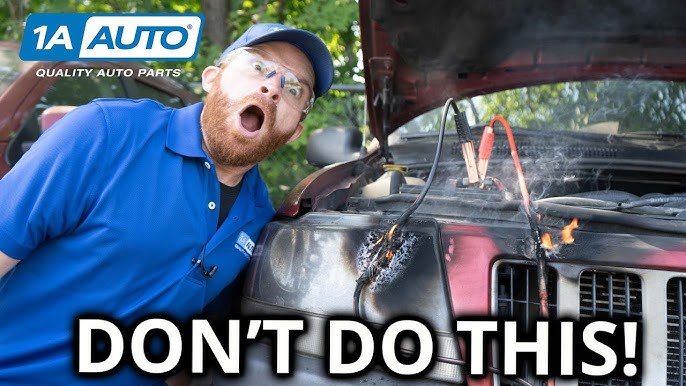
Another myth is that “jump-starting backwards is the same as battery installation backwards. ” Jump-starting backwards can be even more dangerous, as both cars’ electrical systems are involved.
Credit: www.youtube.com
How Reverse Polarity Differs From Other Mistakes
It’s important to understand the difference between reverse polarity and other battery mistakes. Here’s a comparison:
| Mistake | Immediate Effect | Long-Term Risk |
|---|---|---|
| Installing battery backwards | Blown fuses, ECU damage | Hidden sensor failures |
| Loose terminals | Intermittent power, won’t start | Battery drainage |
| Dirty terminals | Slow starting, dim lights | Corrosion, poor charging |
| Old battery | Weak or no start | Stranded unexpectedly |
Non-obvious insight: Reverse polarity is the only common battery mistake that can instantly destroy major electronic parts.
How Mechanics Diagnose And Repair
When you visit a mechanic after installing a battery backwards, they usually:
- Check all fuses: This is the easiest fix and should be done first.
- Test the ECU: Mechanics use scanners to see if the car’s computer is working.
- Measure alternator output: Reverse polarity can damage the diodes in the alternator.
- Inspect wiring: Burned or melted wires must be replaced.
- Test electrical accessories: Radios, power windows, and other electronics may need separate checks.
If the ECU is dead, it may need to be replaced and programmed. This is one reason repairs can be expensive and time-consuming.
Credit: www.large-battery.com
Can Insurance Cover The Damage?
Most standard car insurance policies do not cover damage caused by owner mistakes, including connecting a battery backwards. However, some comprehensive policies may cover electrical system damage, especially if you can prove it was not due to negligence. Check with your insurer if you face a large repair bill.
For more information on car electronics and battery safety, you can visit the Wikipedia page on automobile electronics.
Frequently Asked Questions
What Is Reverse Polarity, And Why Is It Harmful?
Reverse polarity means electricity flows the opposite way through your car’s circuits. Most electronics are designed for one-way flow. When reversed, it can destroy sensitive parts quickly, especially in modern cars.
Will My Car Be Okay If I Fix The Battery Quickly?
Acting fast can limit the damage, but it’s not a guarantee. Some damages, especially to the ECU or sensors, may not show up until later. Always inspect all systems after a backward connection.
What Fuses Should I Check First After A Backward Connection?
Start with the main fuse box, usually found under the hood. Check the large main fuses (often 40A or higher), ECU fuse, and any marked “electronics” or “main. ” The owner’s manual can help you locate and identify these fuses.
Can Jump-starting A Car Backwards Cause The Same Damage?
Yes, and sometimes worse. Jump-starting backwards can damage both cars’ electrical systems, not just one. Always double-check connections before jump-starting.
Is It Safe To Drive After Fixing The Fuses And Reconnecting The Battery?
If all systems appear normal and the car starts without warning lights, it’s usually safe. However, if you notice strange behavior, warning lights, or missing features (like radio or gauges not working), have a professional check your car as soon as possible.
Connecting a car battery backwards is an easy mistake, but it can cost you time and money. By knowing what to look for, how to avoid it, and what steps to take if it happens, you can protect your car and your wallet.
Always slow down, double-check, and don’t rush battery installation—your car’s electronics depend on it.