
Replacing a car’s speed sensor by yourself can save money and help you understand your vehicle better. Many car owners think this job is only for mechanics, but with the right tools and some patience, you can do it at home.
The speed sensor is important because it tells your car’s computer how fast you’re going. If the sensor fails, you may see strange speedometer readings, trouble shifting gears, or even warning lights on your dashboard.
This guide will walk you through everything you need to know about replacing a car speed sensor yourself. You’ll learn about the symptoms of a bad sensor, what tools you need, how to find the sensor, and how to replace it step by step. You’ll also find tips to avoid common mistakes and answers to the most frequent questions. If you’re ready to get your hands a little dirty and fix your own car, keep reading.
What Is A Car Speed Sensor?
A speed sensor is a small electronic device in your car’s transmission or wheel hub. Its main job is to measure how fast the wheels or transmission are spinning. This information goes to the engine control unit (ECU), which uses it for things like:
- Shifting gears smoothly (in automatic cars)
- Operating the speedometer
- Controlling cruise control
- Helping with anti-lock brakes (ABS)
Most modern cars use an electronic speed sensor instead of a cable. The sensor usually sits on the transmission, but the location can change depending on the vehicle.
Common Signs Of A Bad Speed Sensor
Knowing the symptoms can help you catch a failing sensor early. Here are the most common signs:
- Erratic speedometer: The needle jumps or doesn’t work at all.
- Transmission shifting problems: Gears shift roughly or at the wrong time.
- Cruise control failure: You can’t set or keep a constant speed.
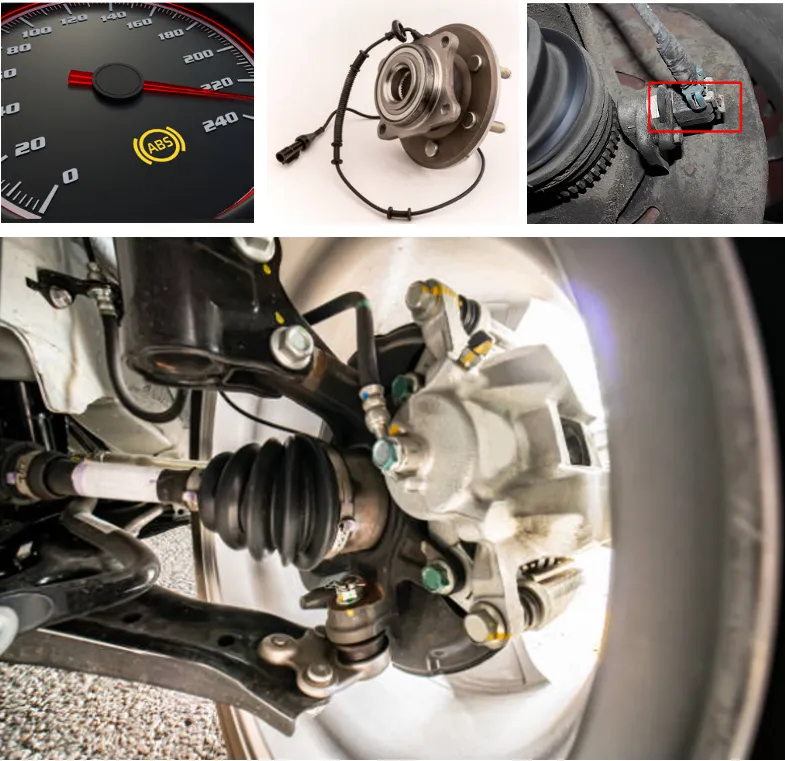
- ABS or check engine light: Warning lights appear on the dashboard.
- Poor fuel economy: The engine uses more fuel because it’s not getting the right data.
If you notice any of these, it’s a good idea to check the speed sensor before it causes more damage.
Credit: www.autotechiq.com
Tools And Materials Needed
Before you start, gather everything you need. This will make the job smoother and reduce stress.
- Replacement speed sensor (specific for your car model)
- Socket set (usually 8mm, 10mm, or 13mm sockets)
- Wrench set
- Screwdrivers (flathead and Phillips)
- Jack and jack stands (or ramps)
- Gloves and safety glasses
- Shop towels or rags
- Dielectric grease (for electrical connections, optional)
- OBD-II scanner (to clear error codes, optional)
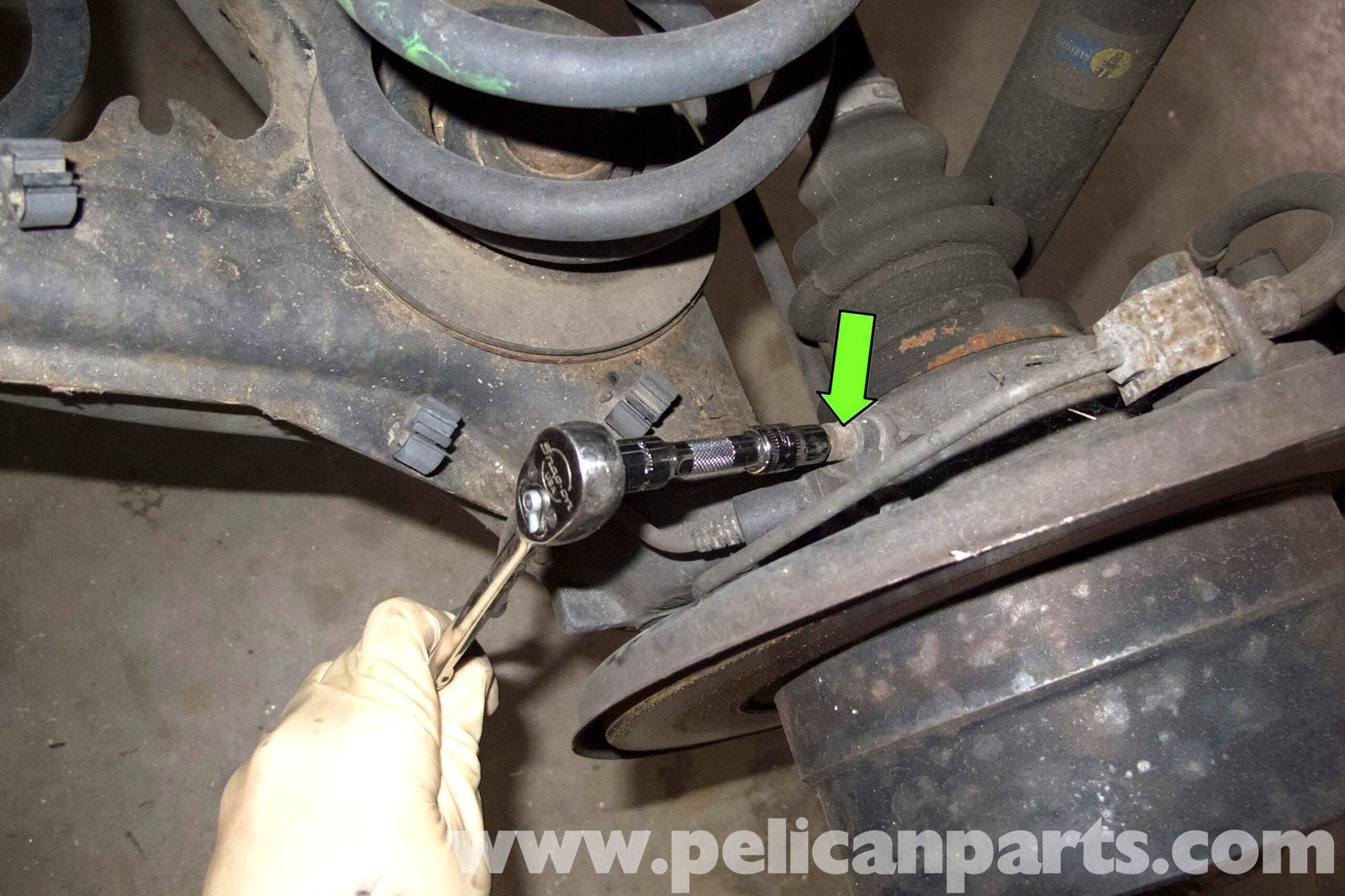
How To Locate Your Car’s Speed Sensor
Finding the speed sensor is half the battle. The location depends on your car’s make and model. Usually, it’s either:
- Bolted to the side or top of the transmission
- Mounted at the wheel hub (for some ABS sensors)
Check your owner’s manual or search online for your car’s diagram. If you’re unsure, look for a small plug with wires coming out, attached to the transmission case. It often has a single bolt holding it in place.
Example Locations
| Car Type | Sensor Location |
|---|---|
| Front-wheel drive | Top or side of transmission, near driveshaft |
| Rear-wheel drive | Near the tail shaft of the transmission |
| All-wheel drive | On transfer case or both axles |
| ABS-based system | Wheel hub or brake assembly |
Don’t confuse the speed sensor with the reverse light switch or oil pressure sensor. If you’re not sure, compare the new sensor with the part on your car.
Credit: www.pelicanparts.com
Step-by-step Guide To Replacing A Car Speed Sensor
Follow these steps to change the sensor safely and correctly.
1. Park Safely And Prepare
- Park the car on a level surface.
- Turn off the ignition and let the engine cool.
- Set the parking brake.
- Use jack stands or ramps to lift the car (if needed). Never work under a car supported only by a jack.
2. Disconnect The Battery
- Remove the negative cable from the battery to prevent electrical shorts or shocks.
3. Locate The Speed Sensor
- Use your manual or the info above.
- Clean around the sensor with a rag to prevent dirt from falling into the transmission.
4. Unplug The Electrical Connector
- Press the tab and gently pull off the connector.
- If it’s stuck, use a small flathead screwdriver to help, but don’t force it.
5. Remove The Old Sensor
- Use the correct socket or wrench to remove the bolt(s) holding the sensor.
- Twist and pull the sensor straight out. Some sensors may need a gentle wiggle.
6. Install The New Sensor
- Compare the old and new sensors to confirm they match.
- Apply a little dielectric grease to the connector pins (optional, but helps prevent corrosion).
- Slide the new sensor into place.
- Tighten the bolt(s) to secure the sensor. Do not overtighten.
7. Reconnect The Electrical Connector
- Push the connector onto the sensor until it clicks.
8. Lower The Car And Reconnect The Battery
- If you lifted the car, remove the jack stands and lower it safely.
- Reconnect the negative battery cable.
9. Test The Repair
- Start the car and check that the speedometer, transmission, and cruise control work normally.
- If you have an OBD-II scanner, clear any error codes.
10. Check For Leaks Or Warning Lights
- Inspect the area around the sensor for leaks or loose wires.
- Drive the car and pay attention to the dashboard.
Tips For A Successful Diy Speed Sensor Replacement
Here are practical tips that can make your repair easier:
- Wear gloves to protect your hands from hot or sharp parts.
- Take photos of the sensor and wiring before removal for reference.
- Keep bolts and small parts in a tray so you don’t lose them.
- If the sensor is stuck, spray a little penetrating oil and wait a few minutes.
- Double-check the part number for your sensor. Even small differences can matter.
Common Mistakes To Avoid
Many beginners make simple errors. Here’s how to avoid them:
- Forgetting to disconnect the battery: This can cause short circuits or even damage your car’s computer.
- Mixing up connectors: Mark or photograph wires before unplugging.
- Using the wrong sensor: Always compare the old and new parts.
- Overtightening bolts: This can crack the sensor or transmission case.
- Ignoring error codes: If the dashboard light stays on, scan for codes and make sure you solved the problem.
Differences Between Speed Sensors
Not all sensors are the same. Here’s a quick comparison of the most common types.
| Type | Location | Main Function | Common Vehicles |
|---|---|---|---|
| Transmission speed sensor | Transmission case | Controls shifting, speedometer | Most automatic cars |
| Wheel speed sensor | Wheel hub or axle | ABS, traction control | Cars with ABS |
| Output shaft sensor | Transmission tail shaft | Speedometer, ECU input | Trucks, some SUVs |
Always check your car’s service manual or trusted auto parts store to find the right sensor.
How Much Does It Cost To Replace A Speed Sensor?
Doing it yourself can save a lot. Here’s a breakdown:
- Sensor cost: $20–$70 for most cars. Some luxury models may be higher.
- Tools: If you already own basic tools, there’s no extra cost.
- Professional labor: $80–$200 depending on location and car type.
So, you can often replace a speed sensor for less than $70 yourself, versus $150–$300 at a shop.
When To Call A Mechanic
DIY isn’t always the best choice. Call a mechanic if:
- The sensor is hard to reach or covered by other parts.
- You see fluid leaks that you can’t identify.
- The problem doesn’t go away after sensor replacement.
- You’re not comfortable working under your car.
A professional will have the right tools and experience to finish the job safely.
How Long Does It Take To Replace A Speed Sensor?
For most cars, it takes 30–60 minutes for a beginner. Add more time if:
- The sensor is rusty or stuck.
- You need to lift the car and remove other parts.
- You’re working slowly or for the first time.
Don’t rush. Taking your time helps avoid mistakes.
Practical Insights Most Beginners Miss
Many guides skip these advanced tips, but they can save you frustration:
- Clean the electrical connector with a spray contact cleaner before reconnecting. Dirt or corrosion can cause poor connections.
- Check for software updates. Some newer cars need a computer reset or software update after sensor replacement. Your dealer or a good OBD-II tool can do this.
- Do a short road test after repair. Make sure the transmission shifts and speedometer works at different speeds.
- Pay attention to the rubber O-ring. Some sensors have a rubber seal to prevent leaks. If your new sensor doesn’t include one, reuse the old O-ring if it’s in good condition.
Real-world Example
Consider a 2010 Honda Accord with a faulty speed sensor. The owner noticed the speedometer stopped working and the transmission shifted roughly. After following these steps, the new sensor fixed both problems. The repair took about 45 minutes and cost $38 for the part—saving over $150 compared to a shop.
Additional Resources
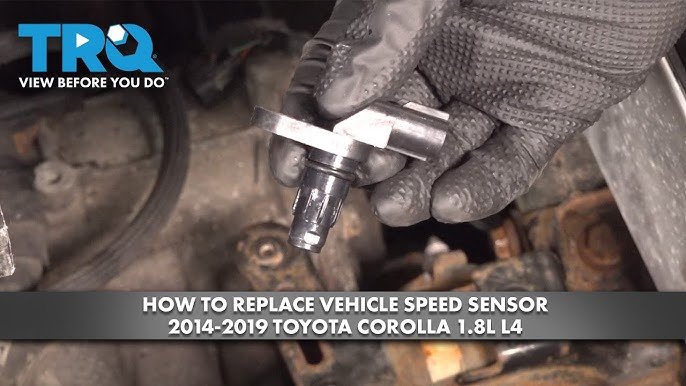
If you want to see a video tutorial or find your car’s specific sensor location, check your car’s official service manual or visit reliable automotive forums. For more details on speed sensors, you can read the overview at Wikipedia.
Credit: www.youtube.com
Frequently Asked Questions
How Do I Know If My Speed Sensor Is Bad?
Common signs are a jumping speedometer, trouble shifting gears, cruise control not working, or warning lights on the dashboard. You can also use an OBD-II scanner to check for related error codes.
Can I Drive My Car With A Bad Speed Sensor?
It’s possible, but not recommended. Driving with a faulty sensor can cause shifting problems, poor fuel economy, and even damage to your transmission over time.
Do I Need To Program The New Speed Sensor?
Most cars do not need programming after replacement. However, some modern vehicles require a reset with an OBD-II tool or a short drive for the computer to relearn.
Where Can I Find The Right Replacement Sensor?
Check your owner’s manual, local auto parts store, or trusted online retailers. Always match the part number and connector type to your vehicle.
What Happens If I Install The Wrong Sensor?
The car may run poorly, the speedometer may not work, or the check engine light can come on. Always double-check the part before installing.
Replacing a car speed sensor yourself can be satisfying and saves money. With the steps above, patience, and careful work, you’ll have your car running smoothly again.