
Replacing a faulty windshield washer pump can save you money and keep your driving safe, especially during rainy or dusty conditions. Many drivers put off this simple repair because they think it is complicated, but with some basic tools and clear steps, almost anyone can do it at home. This guide will walk you through everything you need to know about changing your car windshield washer pump, including what signs to look for, what tools you need, and practical tips for a smooth replacement.
Why Replace A Windshield Washer Pump?
Your windshield washer pump is the small electric device that pushes washer fluid onto your windshield. When it stops working, you lose the ability to quickly clear dirt, bugs, or road salt from your view. This can be dangerous, especially at high speeds or in bad weather.
Replacing a broken pump restores your washer system to full function, improves visibility, and may even help you pass vehicle inspections.
A working washer pump is also important for the long-term health of your windshield. Dirt left on the glass can scratch or damage it, especially if you try to use the wipers without enough fluid. Keeping your pump in good shape is a simple way to avoid costly repairs later.
Signs Your Washer Pump Needs Replacing
Most washer pumps last several years, but they can fail due to age, electrical problems, or simple wear and tear. Here are some common signs your pump may need attention:
- No noise when you press the washer button (the pump should make a soft humming sound)
- Washer fluid does not spray onto the windshield
- Washer fluid leaks under the car when you try to use the system
- Washer fluid reservoir is always full, but nothing comes out
- Wipers move but no fluid appears
If you notice any of these, it’s time to check your washer pump.

Credit: www.youtube.com
Tools And Parts You Will Need
Before you start, make sure you have everything ready. This helps the job go faster and avoids frustration.
Basic tools and supplies:
- New windshield washer pump (exact type for your car model)
- Flathead and Phillips screwdrivers
- Pliers (needle-nose are best)
- Socket set and ratchet
- Plastic trim removal tool (optional, but helpful)
- Clean rags or paper towels
- Washer fluid (to refill the reservoir)
- Small container (to catch old fluid)
- Gloves and safety glasses
Pro tip: Always check your car’s manual or look up the part number before buying the new pump. Some cars have different versions depending on the year or trim.
How To Locate The Washer Pump
The washer pump is usually attached to or near the washer fluid reservoir. On most cars, this is a white or blue plastic tank under the hood, often near one of the fenders.
However, there are two main types of locations:
| Location Type | Common Vehicles | Ease of Access |
|---|---|---|
| Under the hood | Japanese sedans, compact cars | Easy |
| Behind the wheel well | Some European cars, SUVs | Moderate to difficult |
Non-obvious tip: If your washer pump is behind the wheel well, you may need to remove the wheel and part of the plastic fender liner. This can add time to the job, so plan ahead.
Step-by-step Washer Pump Replacement
Now let’s walk through the process. Read all steps before starting and take your time.
1. Disconnect The Car Battery
It’s always safest to disconnect the negative battery cable before working with any electrical parts. Use a wrench or socket to loosen the nut, lift the cable off, and tuck it to the side.
2. Drain The Washer Fluid
If your reservoir is full, place a container under the tank or pump. Some pumps can be pulled straight out, letting fluid drain. This keeps fluid from spilling on your engine or driveway.
3. Remove Any Covers Or Shields
If your pump is under the hood, you may only need to remove a small plastic cover. If it’s behind the wheel well, you’ll likely need to remove the wheel and several plastic fasteners. Use the trim tool and take care not to break the clips.
4. Disconnect The Pump
Most washer pumps are held in by a rubber grommet. Gently pull the electrical connector off the pump. If it’s stuck, use pliers but don’t damage the wires. Then, twist and pull the pump straight out from the reservoir.
Some cars have a small hose on the pump outlet. Slide this off carefully.
5. Compare Old And New Pumps
Before installing, make sure the new pump matches the old one. Check the connector, the mounting, and the shape. Even small differences can cause leaks or poor fit.
6. Install The New Pump
Press the new pump into the rubber grommet or mounting hole. If your grommet looks worn or cracked, replace it—many new pumps come with a new seal.
Reconnect the hose and the electrical connector. Make sure everything clicks into place.
7. Reassemble And Refill
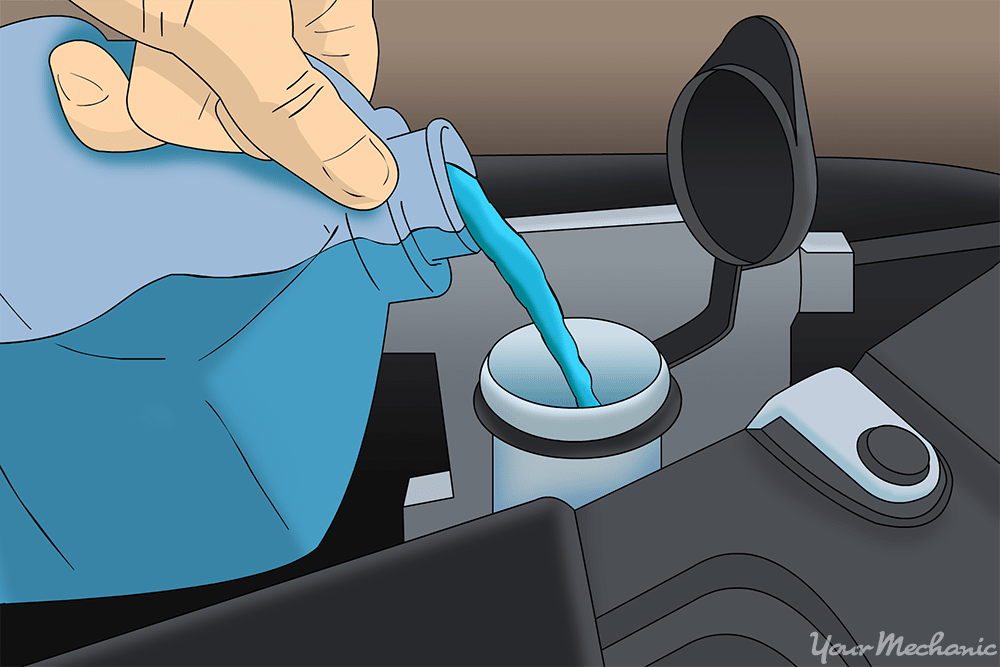
Put any covers or shields back. Reinstall the wheel if needed. Fill the reservoir with washer fluid. Reconnect the battery.
8. Test The System
Start the car and press the washer button. Check for leaks and make sure fluid sprays onto the windshield. If it works, you’re done!
Common Mistakes And How To Avoid Them
Changing a washer pump is usually simple, but there are pitfalls to watch out for.
- Forgetting to disconnect the battery can lead to short circuits or blown fuses.
- Using the wrong pump type can cause leaks or no function at all.
- Damaging the grommet or connector often leads to leaks.
- Not checking for leaks before finishing can waste fluid and make a mess.
Insider tip: Always test the system before putting all covers and wheels back. Fixing leaks is easier when everything is still open.

Credit: www.kemimoto.com
Cost And Time Involved
Replacing a windshield washer pump is one of the more affordable car repairs. Here’s a quick comparison:
| Repair Option | Average Cost | Time Required | Skill Level |
|---|---|---|---|
| DIY replacement | $15–$50 for parts | 30–90 minutes | Beginner–Intermediate |
| Professional shop | $75–$200 (parts & labor) | 1–2 hours | N/A |
Most drivers can finish this repair in under an hour if the pump is easy to reach.
Washer Pump Vs. Other Washer Problems
Sometimes, washer issues are caused by other parts. Here’s how to tell:
| Problem | Likely Cause | Solution |
|---|---|---|
| No noise, no spray | Failed pump, blown fuse | Replace pump or fuse |
| Noise, but no spray | Clogged nozzle or hose | Clean or replace nozzle/hose |
| Washer fluid leaks | Cracked reservoir or hose | Replace reservoir/hose |
| Wipers move, fluid sprays weakly | Clogged filter or weak pump | Clean filter or replace pump |
Non-obvious insight: A common beginner mistake is replacing the pump when the real problem is a clogged nozzle. Always check the nozzles and hoses for blockages first.
Maintenance Tips For Your Washer System
To keep your new washer pump working well:
- Only use proper washer fluid—never water, as it can freeze or grow bacteria.
- Clean the nozzles every few months with a pin or needle.
- Check the reservoir level often, especially before long trips.
- Listen for changes in the sound of the pump—strange noises can mean a clog or running dry.
- Replace old or cracked hoses before they leak.
When To See A Mechanic
If you follow all steps and the washer still won’t work, the problem might be with wiring, the switch, or the control module. These are harder to fix at home. Also, if your car has headlight washers or advanced washer systems, professional help is a good idea, as these can be more complex.
For more details on car maintenance, check resources like Wikipedia.
Credit: www.yourmechanic.com
Frequently Asked Questions
What Happens If I Drive With A Bad Washer Pump?
You risk poor visibility, especially in bad weather. This makes driving more dangerous and can even get you fined in some areas if the system is required by law.
How Do I Know If The Pump Or The Fuse Is Bad?
If you press the washer button and hear no noise from the pump, check the fuse first (your manual will show where it is). If the fuse is good but the pump is silent, the pump is likely bad.
Can I Use Water Instead Of Washer Fluid?
It’s not recommended. Water can freeze in cold weather, create bacteria, and does not clean as well as proper washer fluid. Always use a product made for windshield washing.
Is Replacing The Washer Pump The Same For All Cars?
The basic process is similar, but the location and shape of the pump can vary. Some cars make it very easy, while others require removing more parts. Always check your owner’s manual for details.
Why Does My New Pump Still Not Spray Fluid?
Check for clogged nozzles, blocked hoses, or an electrical problem. Sometimes, the connector may not be fully clicked in. Make sure all parts are clean and connected before assuming the new pump is bad.
Replacing your car windshield washer pump can be a rewarding DIY project that improves your safety and driving comfort. With a little patience and the right tools, you can handle this repair in an afternoon and save money compared to a shop. Remember to check the simple things first and don’t rush—careful work will keep your windshield clear and your car in great shape.