
Storing tires in your garage may sound simple, but doing it wrong can ruin your tires before you even use them. Tires are expensive, and improper storage can lead to cracks, flat spots, and even dangerous blowouts. If you want to make your tires last longer and stay safe, you need to know the right way to store them.
Whether you have extra winter tires, off-season sets, or just a spare or two, a little effort now can save you a lot of money and trouble later.
Many car owners overlook the basics of tire care. Some stack them in corners, others leave them outside, thinking tires are tough and can survive anything. In reality, tires are vulnerable to sunlight, moisture, ozone, and temperature changes. Even small mistakes can shorten their life.
With some planning and a few simple steps, you can avoid the most common problems.
This guide covers everything you need to know about how to store tires in garage properly. You’ll learn how to prepare your tires, choose the best spot, decide whether to store them on rims or off, and how to protect them from the hidden dangers in your garage. Let’s make sure your tires are ready when you need them.
Why Proper Tire Storage Matters
Tires are made from rubber compounds designed for flexibility and grip. These compounds react to environmental factors. If exposed to sunlight, ozone, or moisture, the rubber can dry out and crack—a problem called dry rot. Flat spots can develop if tires sit in one position too long, especially in hot or cold garages. Tires can even lose their shape, leading to vibrations and poor handling.
According to the U.S. Tire Manufacturers Association, proper storage can add years to a tire’s life. Poorly stored tires may lose performance after just a few months. This is not just about saving money; it’s about safety. Worn or damaged tires are one of the top causes of accidents worldwide.
Preparing Tires For Storage
Before you put your tires away, you need to clean and inspect them. This step is easy to skip but very important.
- Clean Thoroughly: Wash tires with water and mild soap. Remove all dirt, brake dust, and chemicals. Dry them completely with a towel.
- Inspect for Damage: Check for cuts, cracks, bulges, or embedded objects. If you find serious damage, consider replacing the tire instead of storing it.
- Mark Tire Position: If you plan to rotate your tires, mark each one (e.g., “Front Left”) with chalk. This helps you keep the rotation pattern for next season.
- Remove Valve Caps: This prevents moisture from getting trapped and causing corrosion inside the valve stem.
- Deflate Slightly (if off the car): If tires are off your vehicle, release about 5–10 psi of air. This helps relieve pressure on the sidewalls during long storage.
Two key tips beginners often miss:
- Never use tire dressings or protectants before storing. Many products contain chemicals that can dry out or weaken rubber over time.
- Always let tires dry fully before stacking or bagging, or you risk trapping moisture.
Should You Store Tires On Rims Or Off Rims?
How you store tires depends on whether they are still mounted on wheels (rims) or not. Each method has pros and cons.
Storing Tires On Rims
When tires are left on their rims, they keep their shape better. This is the preferred method if you have space. You can:
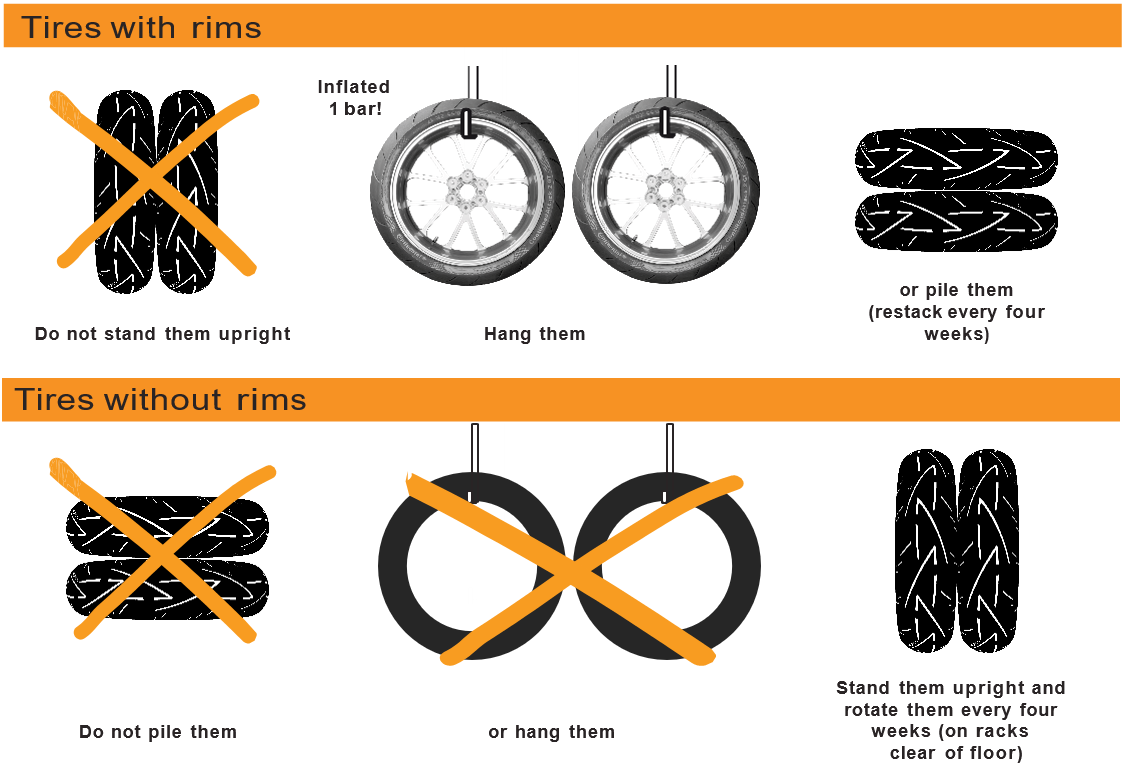
- Hang them on hooks or racks (never through the tire’s bead, only the rim)
- Stack them horizontally (one on top of another)
Storing Tires Without Rims
If you don’t have extra rims, store tires standing up (vertically), not stacked. This prevents the bottom tire from getting deformed.
Here’s a comparison of both methods:
| Storage Method | Best Position | Main Risk | Best For |
|---|---|---|---|
| On Rims | Stacked or Hung | Flat spots (if overinflated) | Seasonal tire swaps |
| Off Rims | Upright (Vertical) | Deformation (if stacked) | Spare tires, limited space |
Choosing The Right Spot In Your Garage
Not all garage spots are equal. A good storage location should be:
- Cool: High heat speeds up rubber aging.
- Dry: Moisture encourages mold and rust.
- Dark: Sunlight and UV rays break down rubber.
- Clean: Free from oil, gasoline, and solvents.
Avoid placing tires near windows, heaters, or motors. These areas can expose tires to ozone and heat, both of which shorten tire life. If your garage is not climate-controlled, pick the spot least affected by outdoor weather.
Another often-missed detail: keep tires off the bare concrete floor. Concrete draws moisture, which can damage tires. Place a piece of wood, a mat, or even cardboard under the tires.
Credit: www.continental-tires.com
How To Stack And Arrange Tires
The way you arrange your tires affects their condition. Here’s how to do it right:
For Tires On Rims
- Stack horizontally (lay flat), but not more than four high to prevent crushing the bottom tire.
- You can also hang the tires by the rims using strong hooks or a rack.
For Tires Off Rims
- Stand tires vertically, side by side.
- Rotate them a quarter turn every month to keep their shape.
Never hang tires without rims. The weight can deform the bead (the edge of the tire that seals against the rim).
Here’s a quick reference:
| Situation | Best Arrangement | Why |
|---|---|---|
| On Rims | Stacked or Hung | Minimizes flat spots |
| Off Rims | Vertical, side by side | Prevents deformation |
Protecting Tires From Environmental Damage
Tires face hidden dangers in the garage. Here’s how to protect them:
- Use Tire Bags: Place each tire in a large plastic bag (contractor bags work well). Remove as much air as possible and seal tightly. This slows down oxygen, ozone, and moisture damage.
- Avoid Sunlight: Even a little sun speeds up aging. If your garage has windows, cover them or place tires in a dark corner.
- Keep Away from Chemicals: Store tires away from paints, solvents, and electric motors (which produce ozone).
- Control Humidity: If your garage is damp, use a dehumidifier or moisture absorber near your tire stack.
A surprising tip: If you use bags, never vacuum-seal them. Some air circulation is needed to prevent mold.
Long-term Vs. Short-term Tire Storage
How long do you plan to store your tires? The answer changes your approach.
Short-term Storage (less Than 6 Months)
- Standard cleaning and bagging is enough.
- Check tire pressure if storing on rims.
- Rotate position if storing upright.
Long-term Storage (6+ Months)
- Consider a tire rack for better air flow.
- Increase inspection frequency (every 2–3 months).
- Store in a climate-controlled garage if possible.
One fact: Most tires start to lose their flexibility after 6 years, even if stored perfectly. Always check the DOT date code to know your tire’s age.
Using Tire Racks, Shelves, And Wall Mounts
Specialized tire racks and wall mounts are excellent for saving space and keeping tires safe.
- Floor racks hold tires upright and prevent shifting.
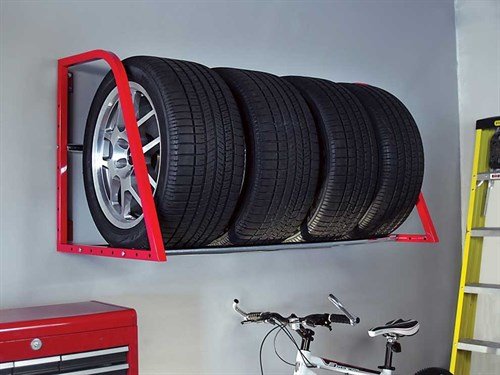
- Wall mounts let you hang tires with rims, freeing up floor space.
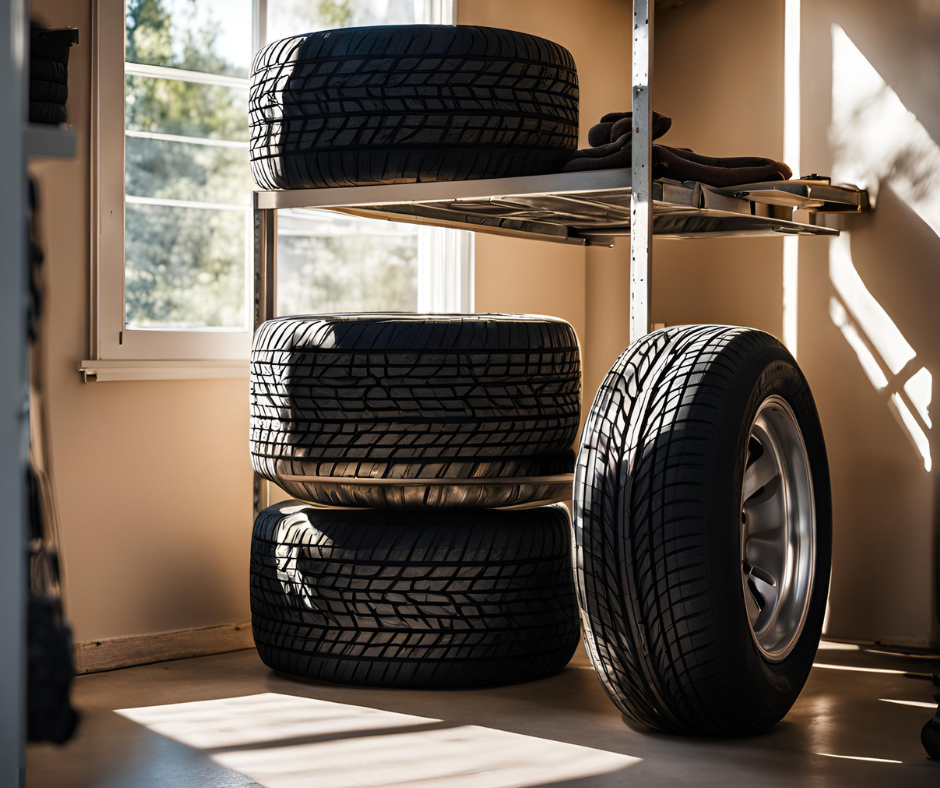
- Shelving units can store tires off the ground, but watch for sagging shelves.
When installing racks or mounts, make sure they can hold the weight. A typical car tire and rim weigh 40–50 pounds (18–23 kg) each.
Mistakes To Avoid When Storing Tires
Even experienced car owners make mistakes. Watch out for these:
- Leaving tires outside: Weather and sunlight do more damage than most garages.
- Storing on bare concrete: This draws moisture into the rubber.
- Using the wrong cleaners: Harsh chemicals can break down rubber.
- Stacking tires too high: This crushes the bottom tire and can ruin its shape.
- Ignoring tire age: Even with perfect storage, old tires can fail suddenly.
One expert tip: Always give stored tires a careful inspection before reinstalling them. Look for cracks, hardening, or flat spots.
Best Practices For Motorcycle And Specialty Tires
Not all tires are the same. Motorcycle, ATV, and trailer tires need the same care—but often have softer compounds and thinner sidewalls.
- Store upright, never stacked.
- Use tire stands for motorcycles to take pressure off the tire.
- For RV or trailer tires, cover them if stored outdoors, and block sunlight.
If possible, check specialty tires every month, as they age faster.
Credit: www.herculestire.com
How To Get Tires Ready For Use Again
When you’re ready to put your tires back on:
- Unwrap and clean: Remove bags and wipe off any dust or moisture.
- Check for damage: Look for cracks, bulges, or hard spots.
- Check air pressure: Inflate to the recommended PSI before mounting.
- Balance and rotate: Have tires balanced and rotated if needed, especially after long storage.
- Drive carefully at first: Listen and feel for vibration or noise, which could mean a problem.
If you spot any damage, do not use the tire. It’s better to replace a questionable tire than risk a blowout.
Real-world Example: Seasonal Tire Storage
Many drivers in cold climates switch between winter and summer tires. Proper storage keeps your off-season set ready. For example, a driver in Canada stores winter tires during summer:
- Cleans and dries tires after removing in April.
- Bags each tire, labels them, and stacks them in a dark, dry garage corner.
- Uses a wooden pallet under the stack.
- Each October, inspects and rotates before installing for winter.
Following these steps, the tires last 5–6 years, saving hundreds of dollars and avoiding safety risks.
Credit: www.bemac.ca
Frequently Asked Questions
How Long Can I Store Tires In My Garage?
Most tires stay in good condition for up to 6 years if stored properly. However, after 6 years, rubber begins to harden, even if not used. Always check the DOT date code for tire age before use.
Should I Cover My Tires With Plastic Bags?
Yes, using large plastic bags slows down moisture and ozone damage. Make sure tires are clean and dry before sealing. Leave a small opening for air flow to prevent mold.
Can I Stack Tires Without Rims On Top Of Each Other?
It’s best to avoid stacking tires without rims. This can deform the bottom tire over time. Instead, stand them upright and rotate their position monthly.
Is It Okay To Store Tires Outside If I Use Covers?
Outdoor storage is not recommended, even with covers. Sunlight, temperature changes, and moisture damage rubber faster than indoor storage. If you must store outside, use thick covers and keep tires off the ground.
What Is The Best Temperature For Storing Tires?
The ideal temperature is between 10–25°C (50–77°F). Avoid places with big temperature swings or high heat, as this speeds up rubber aging.
For more detailed tire care guidelines, you can read the recommendations from the Tire Rack.
Storing tires properly in your garage isn’t hard, but it does require attention to detail. By following these steps, you’ll protect your investment, keep your family safe, and get the most from every set of tires you own.