
Upgrading your vehicle with a car lift kit can be exciting. It gives your car or truck a whole new look and boosts off-road performance. But many people jump into the process without enough planning. Installing a lift kit is not as simple as swapping a few parts.
If you make mistakes, you may face poor handling, fast tire wear, or even dangerous driving conditions. Before you start, it’s smart to learn about the most common mistakes and how to avoid them. This guide will help you steer clear of costly errors and keep your ride safe and smooth.
Not Choosing The Right Lift Kit
Selecting the correct lift kit is the first—and maybe the most important—step. Many beginners pick a kit based on looks, price, or what their friend recommends. But not all lift kits fit every vehicle or driving style.
Your vehicle’s make, model, and year affect what kits will work. Some kits are for off-road use, others for city driving. For example, a 2-inch spacer kit is very different from a 4-inch suspension lift. If you tow heavy loads, some kits may not handle the extra weight.
Non-obvious insight: Always check your local laws about maximum vehicle height. Some regions have strict rules that could make your lifted vehicle illegal.
A common mistake is ignoring future plans. If you might install bigger tires or more modifications later, pick a kit that can handle those changes. Otherwise, you might end up buying twice.
Skipping Pre-installation Research
Installing a car lift kit is more than just following a manual. Each vehicle and kit can have unique steps or challenges. Failing to research these details can lead to frustrating surprises.
Many forget to check online forums, YouTube guides, or the manufacturer’s FAQ. These resources often highlight hidden issues or steps that manuals miss. For example, some trucks require relocating brake lines or changing driveshaft lengths.
Pro tip: Print out all instructions and lay out your tools and parts before starting. This reduces confusion and wasted time.
Using The Wrong Tools
Using improper tools is a recipe for trouble. Some bolts may need special wrenches, and some parts require torque wrenches for precise tightening. If you try to use makeshift tools, you risk stripping bolts or damaging parts.
Let’s compare basic and advanced toolkits needed for lift kit installs:
| Tool Type | Basic Kit | Advanced Kit |
|---|---|---|
| Sockets/Wrenches | Standard sizes | Deep sockets, impact wrenches |
| Jack Stands | 2-ton | 4-ton or higher |
| Torque Wrench | Not always included | Essential for safety |
| Spring Compressor | Rarely included | Often needed for coil lifts |
If you don’t have the right tool, borrow or rent it. This is not the place to cut corners.
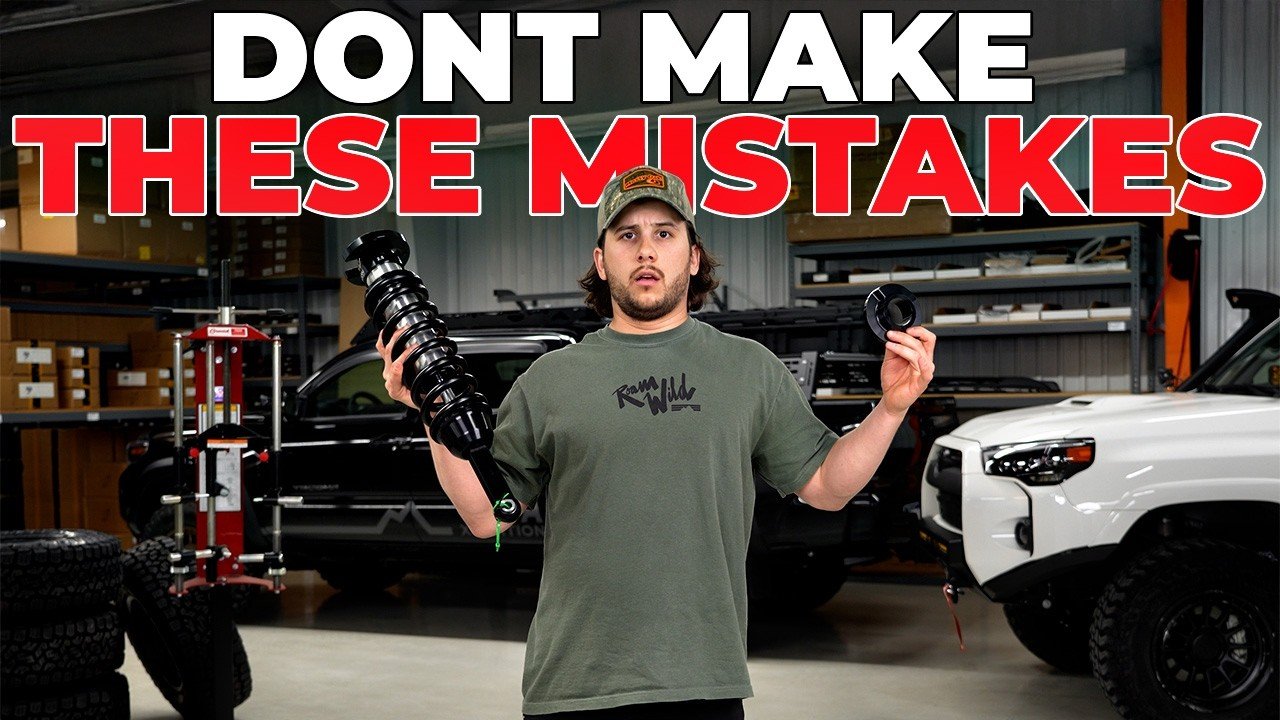
Not Checking Vehicle Condition Before Installation
Imagine installing a new lift kit on a truck with old, rusty suspension parts. The results will never be good. Many people forget to inspect their vehicle’s bushings, shocks, and springs before starting.
If these parts are worn out, the lift kit will not work as designed. Worse, you could create dangerous weak spots. It’s wise to check and replace any worn items before lifting your vehicle.
Non-obvious insight: Rusted bolts can snap during removal. Spray all bolts with penetrating oil a day before you begin.
Credit: www.youtube.com
Ignoring Alignment After Installation
Once the lift is installed, your vehicle’s wheel alignment will almost always be off. Skipping the alignment is a major error. You may notice the vehicle pulls to one side, or your tires wear out quickly.
A professional alignment resets your wheels to the correct angle. This step is not optional. Even a small difference can affect handling, safety, and fuel economy.
Here’s how tire wear compares when alignment is ignored vs. done correctly:
| Alignment Status | Average Tire Life | Handling Quality |
|---|---|---|
| Properly Aligned | 40,000 miles | Stable, predictable |
| Not Aligned | 20,000 miles or less | Pulling, poor control |
Don’t skip the alignment shop—your tires and wallet will thank you.
Forgetting About Brake Lines And Hoses
Lifting a vehicle changes the distance between the frame and axles. This means brake lines and hoses might get stretched too far. In extreme cases, they can snap when you hit a bump.
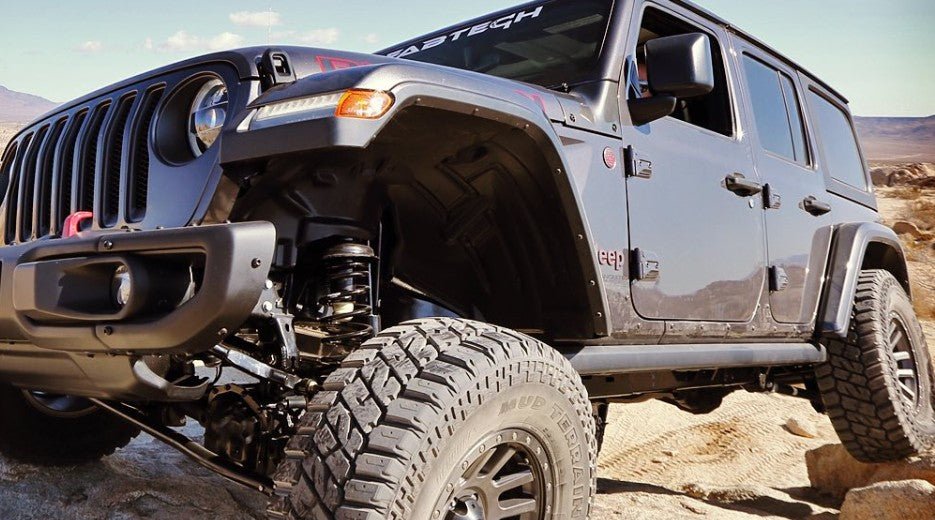
It’s a mistake to ignore these parts. Some lift kits come with new extended brake lines. If yours doesn’t, measure your current lines and see if you need longer ones. This is especially important for lifts over 2 inches.
Example: A Jeep Wrangler with a 4-inch lift usually needs longer brake lines front and rear. Missing this detail is dangerous.
Not Upgrading Supporting Components
Many think a lift kit is just new springs or spacers. But a proper install sometimes means upgrading other parts. For example:
- Shocks: Stock shocks often can’t handle the new height.
- Driveshafts: Sometimes need to be longer or shorter.
- Sway bar links: May need to be replaced with adjustable ones.
If you skip these upgrades, your ride may feel bouncy or unstable.
A comparison between stock and upgraded components:
| Component | Stock | Upgraded |
|---|---|---|
| Shocks | Limited travel | More travel, better control |
| Sway Bar Links | May not fit | Correct length |
| Driveshaft | Possible vibration | Smoother ride |
It’s better to budget for these parts in advance than to wait for problems.
Over-tightening Or Under-tightening Bolts
Torque specs matter. Bolts that are too tight can strip threads or break. Bolts that are too loose can work themselves free. Both situations are dangerous.
Always use a torque wrench and follow the manufacturer’s specs. Mark each bolt after tightening so you don’t lose track.
Practical tip: After driving 100 miles, check all bolts again. Sometimes they settle and need re-tightening.
Not Considering Driveshaft And Differential Angles
A lift kit changes the angle of your driveshaft and differentials. If you ignore these changes, you could face vibrations at certain speeds or wear out your u-joints early.
Some vehicles need angle correction brackets or new driveshafts. Research your specific model and ask about this detail before installing.
Example: Older pickups often develop a vibration at highway speeds after a lift. This can usually be fixed with a small adjustment to the differential angle.
Using Low-quality Parts
It’s tempting to buy the cheapest kit online. But poor-quality parts can fail quickly, sometimes with no warning. This is not an area to bargain hunt.
Stick to well-known brands with good reviews. A cheap lift kit might save money up front but cost much more in repairs or accidents.
For more details on how to spot reliable parts, check resources like SEMA.
Doing The Installation Alone
Lifting a vehicle is not a one-person job. Some parts are heavy or hard to hold in place while you bolt them down. Working alone makes mistakes more likely and increases the risk of injury.
Ask a friend or family member to help, especially when raising or lowering axles. Two sets of eyes often catch small errors before they become big problems.
Not Testing After Installation
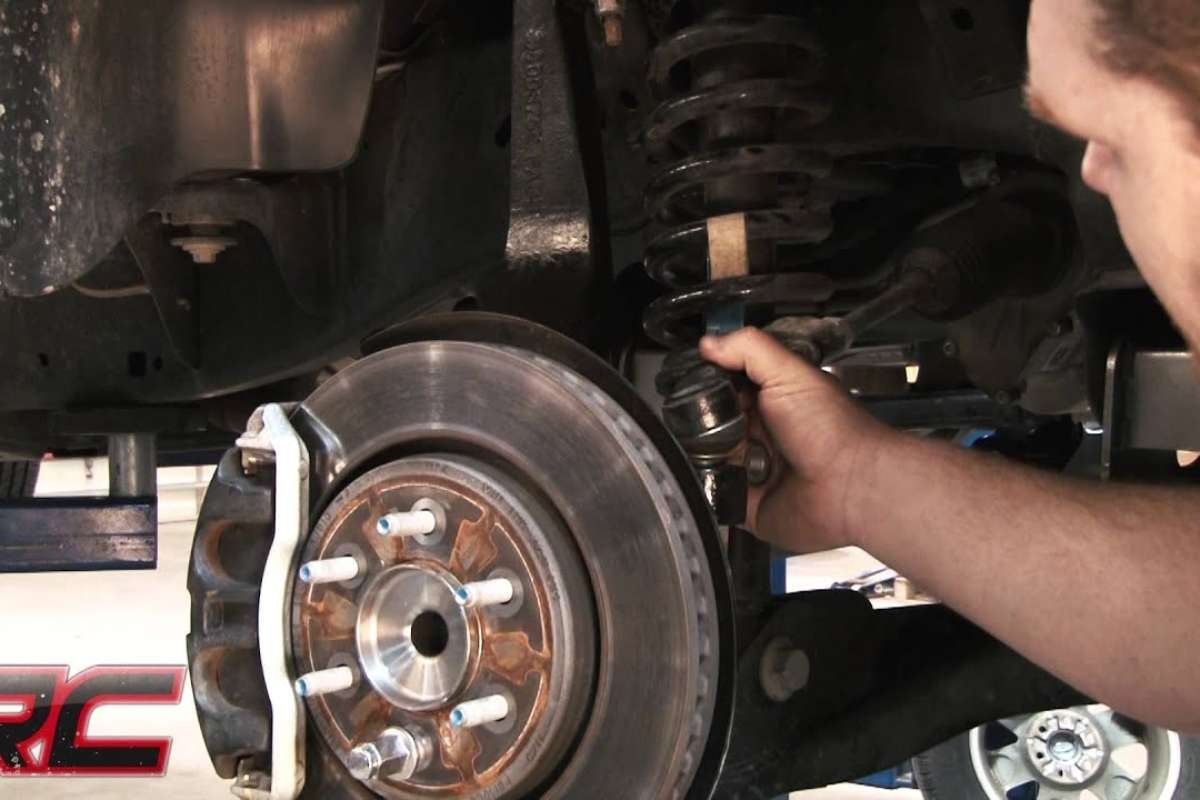
Many people finish the install and drive off, but testing is crucial. Start with a slow, careful drive. Listen for odd noises or new vibrations. Test brakes, steering, and turning radius.
Check for leaks, loose bolts, or anything that feels wrong. If you notice issues, address them right away instead of hoping they’ll go away.
Credit: www.partsvia.com
Failing To Re-torque After Initial Use
After your first few drives, suspension parts can settle, and bolts may loosen slightly. It’s a mistake not to re-torque all critical bolts after 50 to 100 miles.
This simple check can prevent parts from coming loose later on. Marking bolts with a paint pen helps you see if anything has moved.
Not Notifying Your Insurance Or Local Authorities
Some regions require you to declare any major modifications to your vehicle. Failing to do this could void your insurance or lead to fines.
Contact your insurance company and, if needed, your local motor vehicle office. Ask if you need to update your registration or coverage. It’s better to be safe than sorry.
Credit: theenterpriseworld.com
Overlooking The Impact On Warranty
If your vehicle is still under warranty, installing a lift kit may change your coverage. Some manufacturers will not cover issues related to suspension or drivetrain if you have modified them.
Check your warranty terms before installing. Some brands offer approved kits that keep your warranty valid.
Neglecting Routine Maintenance After Installation
A lifted vehicle needs more frequent checks. Suspension, steering, and tire wear should be inspected every few months. Lubricate any parts that require grease.
Example: Lifted trucks often need tire rotations more often to prevent uneven wear.
Underestimating The Learning Curve
Installing a lift kit is not for total beginners. If you have never done major car repairs, consider asking for help or having a pro do the work. Mistakes can be expensive and dangerous.
Take time to learn about your specific vehicle and kit. Watch videos, read guides, and talk to others who have done it before.
Frequently Asked Questions
How Long Does It Take To Install A Car Lift Kit?
Most lift kits take between 4 to 8 hours for a first-time installer with basic mechanical skills. If you have help or advanced tools, it may go faster. Complex kits or vehicles with rusted parts can take much longer.
Is It Legal To Install A Lift Kit On Any Vehicle?
Not always. Laws vary by location. Some areas have rules about maximum height, bumper height, or headlight position. Check with your local Department of Motor Vehicles before starting.
Will A Lift Kit Affect My Fuel Economy?
Yes, lifting a vehicle usually reduces fuel economy. The change in aerodynamics and larger tires both increase drag and rolling resistance. Expect a decrease of 1–3 miles per gallon, depending on the lift and tires.
Do I Need To Replace My Shocks When Installing A Lift Kit?
Most lifts over 2 inches require new shocks. Stock shocks often cannot handle the extra travel and may wear out faster or limit suspension performance.
Can I Install A Lift Kit Myself?
If you have mechanical experience and the right tools, you can install a lift kit at home. However, for beginners, it’s safer to have a professional do the job or at least help with difficult steps like alignment or driveshaft modifications.
Upgrading your vehicle with a lift kit can be rewarding, but it requires careful planning and attention to detail. Avoiding these common mistakes helps ensure your car or truck will look great, drive safely, and last longer. Take your time, do your homework, and don’t be afraid to ask for help.
Your lifted ride will reward you with better performance and style for years to come.