
Replacing a car fuel pump can seem simple, but it’s easy to make mistakes that cause big problems. Many car owners or even mechanics rush the job or skip important steps. These errors often lead to wasted money, unsafe driving, or even engine damage.
Understanding where things commonly go wrong will help you avoid frustration and keep your vehicle running reliably.
Why Fuel Pump Replacement Matters
A fuel pump is the heart of your car’s fuel system. It sends fuel from the tank to the engine at the right pressure. If it fails, your car won’t start or may stall while driving. Replacing a faulty fuel pump restores performance, but only if you do the job correctly. Mistakes can cause leaks, electrical failures, or new pump damage.
Common Mistakes When Replacing Car Fuel Pump
Many people make similar errors when replacing a fuel pump. Here’s what to watch out for and how to avoid trouble.
1. Choosing The Wrong Fuel Pump
Not all pumps fit every car. Many buyers pick a pump based only on price or brand. This can lead to low pressure, poor fit, or wiring issues.
- Always check your car’s year, make, and model
- Match the pump’s pressure rating and connector type
- Some pumps look similar but have different flow rates
For example, a pump for a Toyota Corolla may not fit a Honda Civic even if they appear identical.
2. Ignoring Safety Precautions
Gasoline is dangerous. Skipping safety steps can cause fires, injuries, or health problems.
- Work in a well-ventilated area
- Disconnect the battery before starting
- Use gloves and eye protection
- Keep a fire extinguisher nearby
Some beginners forget to relieve fuel pressure, which can spray fuel unexpectedly.
3. Not Relieving Fuel Pressure
Before removing the old pump, you must relieve the pressure in the fuel lines. If you skip this, fuel can spray out and cause injuries.
- Find the fuel pump fuse or relay and remove it
- Start the engine and let it run until it stalls
- This drains the pressure safely
Many people skip this step, thinking it’s unnecessary, but it prevents dangerous accidents.
4. Leaving Old Fuel Filter In Place
The fuel filter protects the pump and engine from dirt. When you change the pump, the filter may already be clogged.
- Always replace the fuel filter with a new pump
- A dirty filter can strain the new pump and cause early failure
Some cars have filters inside the tank, so check your vehicle’s manual.
5. Using Incorrect Tools
Trying to remove the pump with random tools can damage parts or cause leaks.
- Use the right socket sizes and fuel line tools
- Don’t use pliers on delicate connectors
Damaged fittings can lead to costly leaks.
6. Forgetting Seals And Gaskets
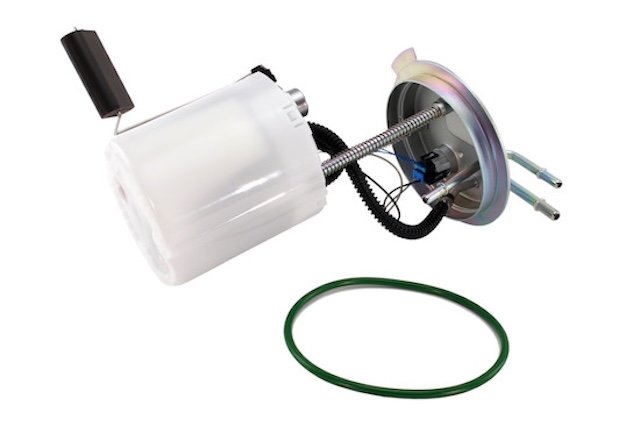
Every pump has seals and gaskets to prevent leaks. Reusing old seals or forgetting them can cause fuel leaks.
- Always use new gaskets and O-rings
- Check for cracks or wear before installing
Leaks can cause fire hazards or engine problems.
7. Not Cleaning The Fuel Tank
Many people install a new pump into a dirty tank. Dirt or debris can clog the pump quickly.
- Clean the tank thoroughly before installing the new pump
- Remove old fuel and wipe the inside with a clean cloth
A clean tank helps the new pump last longer.
8. Wrong Wiring Connections
Fuel pumps need proper wiring. Mixing up wires or using poor connectors can cause pump failure.
- Match wire colors and connector types
- Use solder or quality crimp connectors
Some pumps need special wiring adapters; check your manual.
9. Over-tightening Or Under-tightening Bolts
Bolts hold the pump and tank together. If you overtighten, you can crack the tank or strip threads. If you undertighten, you may have leaks.
- Use a torque wrench if possible
- Follow manufacturer specs for bolt tightness
Many beginners use “feel” instead of proper measurements, leading to mistakes.
10. Installing The Wrong Way
Fuel pumps must face the correct direction. If installed backward, the pump will not work.
- Check the pump orientation before installing
- Look for arrows or markings on the pump
Some pumps have confusing shapes, so take your time.
11. Not Checking Electrical Connections
After installing, some people forget to check the electrical system. Loose or weak connections can cause intermittent failures.
- Test all connectors for tight fit
- Check the voltage at the pump
A pump may run but not at full strength if the voltage is low.
12. Skipping A Test Run
Always test the new pump before closing everything up. Many people skip this, thinking the job is done.
- Turn the key to “ON” and listen for the pump
- Check for leaks around the tank
If you find problems now, it’s easier to fix than after reassembling.
13. Using Old Fuel
After replacing the pump, some use old fuel left in the tank. Old gas can clog the new pump or cause rough running.
- Replace old fuel with fresh gasoline
- If possible, drain the tank fully
This helps your engine run smoothly.
14. Not Checking For Error Codes
Modern cars use computers. After changing the pump, some cars show check engine lights or error codes.
- Use an OBD-II scanner to check for codes
- Clear any codes if needed
Ignoring these codes may hide problems.
15. Missing Manufacturer Instructions
Every car and pump comes with instructions. Many people throw them away or ignore them.
- Always read instructions before starting
- Look for special steps or warnings
Some pumps need priming or have unique fitting methods.
16. Failing To Replace Related Parts
Sometimes, other parts around the pump are worn out, like hoses or clamps. If you only replace the pump, you may have leaks or failures soon.
- Inspect hoses, clamps, and connectors
- Replace anything that looks old or cracked
This prevents future breakdowns.
17. Not Testing Fuel Pressure
After the job, you should measure the fuel pressure to confirm the pump works correctly.
- Use a fuel pressure gauge
- Compare readings to your car’s specs
Low pressure means a problem, even if the car starts.
18. Ignoring Signs Of Leaks
Leaks are dangerous. After installing, always check for wet spots or smells.
- Look under the car and around the tank
- Check for gasoline odor
Even a small leak can cause fire or health risks.
19. Not Securing Fuel Lines Properly
Loose fuel lines can cause leaks or disconnect while driving.
- Use proper clamps and fittings
- Double-check connections before finishing
A loose line can ruin the job and create safety issues.
20. Rushing The Job
Many people rush to finish the job quickly. This leads to mistakes, skipped steps, or missed problems.
- Take your time and follow each step carefully
- Double-check all connections and fittings
A careful job lasts longer and prevents headaches.
Practical Tips For A Successful Fuel Pump Replacement
To help your fuel pump replacement go smoothly, follow these tips:
- Prepare all tools and parts before starting
- Take photos of the old setup for reference
- Work with a helper if possible
- Keep your workspace clean and organized
- If unsure, consult your mechanic or car manual
These steps help avoid common errors and make the job easier.
Data: Fuel Pump Failure Rate And Replacement Impact
Here’s a comparison of fuel pump failure rates and the impact of correct versus incorrect replacement:
| Replacement Quality | Failure Rate (within 1 year) | Common Outcomes |
|---|---|---|
| Correct Replacement | 2% | Reliable performance, rare leaks |
| Incorrect Replacement | 17% | Leaks, pump failure, engine issues |
The data shows that careful, correct replacement makes pumps last longer and keeps your car safe.
Credit: gmb.net
Fuel Pump Types And Compatibility
Choosing the right pump is important. Here’s a quick comparison of common types:
| Type | Typical Use | Pressure Range | Compatibility |
|---|---|---|---|
| In-tank Electric | Modern cars | 40–60 PSI | High, must match model |
| Inline Electric | Older cars, performance | 30–50 PSI | Medium, check fit |
| Mechanical | Classic cars | 4–10 PSI | Low, only for carbureted engines |
Many mistakes happen when people buy the wrong type or pressure range.
Cost Comparison: Diy Vs. Professional Replacement
Replacing a fuel pump yourself can save money, but mistakes may cost more later. Here’s a simple cost comparison:
| Replacement Method | Average Cost | Risk of Errors |
|---|---|---|
| DIY | $60–$200 | Medium–High |
| Professional | $250–$600 | Low |
DIY can be rewarding if you follow all steps carefully. If you feel unsure, professional help reduces risk.
Credit: www.youtube.com
Non-obvious Insights Most Beginners Miss
- Pump priming: Some electric pumps need to be primed before running. If you skip this, the pump may burn out quickly. Always check instructions for priming steps.
- Battery voltage matters: Low battery voltage can cause the pump to run weakly, even if it’s new. Always check your battery and charging system before blaming the pump.
What To Do If You Make A Mistake
If you realize you made an error, don’t panic. Here’s what you should do:
- Stop driving the car immediately
- Check your work carefully for leaks, loose connections, or wrong parts
- If unsure, ask a mechanic to inspect your work
- Never ignore warning signs like fuel smell, rough running, or engine codes
Fixing mistakes quickly can save your car and keep you safe.

Credit: www.youtube.com
When To Seek Professional Help
Some fuel pump jobs are more complex, especially in modern cars with advanced fuel systems. If you notice:
- Strong gasoline smell
- Persistent engine codes
- Unusual noises from the pump
- Difficulty accessing the tank
It’s best to seek help from a certified mechanic. They have special tools and knowledge to fix issues safely.
Where To Find Reliable Information
Always use reliable sources for guides and parts. Car manufacturers, official manuals, and trusted websites offer accurate advice. For more details on fuel systems, visit Wikipedia.
Frequently Asked Questions
What Signs Show My Fuel Pump Needs Replacement?
Common signs include engine stalling, trouble starting, loss of power, or strange noises from the tank area. If your car struggles to accelerate or starts and then dies, the fuel pump may be failing.
Can I Replace A Fuel Pump Myself?
Yes, many people do it themselves. But you must follow safety steps and use the correct parts and tools. If your car is newer or has complex systems, professional help may be safer.
How Long Does A New Fuel Pump Last?
A quality fuel pump usually lasts 7–10 years or about 100,000–150,000 miles. If you install it correctly and use clean fuel, it can last even longer.
Is It Dangerous To Drive With A Bad Fuel Pump?
Yes, it can be dangerous. Your car may stall in traffic or fail to start when needed. Fuel leaks are also a fire risk. Always fix pump issues quickly.
What’s The Most Expensive Mistake People Make?
The most costly mistake is installing the wrong pump or forgetting to replace seals and gaskets. This can lead to major leaks, engine damage, or pump failure, costing hundreds to fix.
Replacing a car fuel pump is not a quick task. By avoiding these common mistakes, you protect your vehicle, save money, and stay safe on the road. Take your time, follow instructions, and don’t hesitate to ask for help if needed.