
Replacing a car power steering pump may sound simple, but it is easy to make mistakes that can cost time, money, and even safety. Many drivers and DIY mechanics try to change the pump themselves, hoping to save on repair bills. However, the process involves more than just removing old parts and installing new ones. Understanding the right steps and knowing what to avoid is key for a successful repair.
If you are planning to replace your power steering pump, this article will guide you through the common mistakes people make. You will learn not only what to avoid, but also how to do the job correctly, with tips from real mechanics and examples that highlight why attention to detail matters.
By the end, you will feel more confident about the process and know how to keep your car’s steering safe and smooth.
Why The Power Steering Pump Matters
The power steering pump is essential for comfortable, easy steering. It sends hydraulic fluid to the steering system, making it possible to turn the wheel with little effort. When the pump fails, steering becomes hard and sometimes dangerous, especially at low speeds or when parking. Ignoring problems with the pump can cause damage to other parts of the steering system and lead to costly repairs.
Common Signs Your Pump Needs Replacement
Before replacing the pump, you need to be sure it is the real problem. Some symptoms are:
- Whining noise when turning the steering wheel
- Stiff steering
- Leaking power steering fluid
- Squealing belt
- Burning smell from the engine area
These signs can point to other steering issues too, so always check carefully. Replacing the pump without confirming the problem can waste time and money.
Most Frequent Mistakes When Replacing A Power Steering Pump
Let’s look at the top mistakes people make when changing a power steering pump. Each mistake can lead to bigger problems if not avoided.
1. Not Diagnosing The Real Problem
Sometimes, the power steering pump is not the real cause of the issue. For example, a worn steering rack or a loose belt can have similar symptoms. Replacing the pump without checking the whole steering system can result in the same problem coming back. Always inspect hoses, the reservoir, the steering rack, and the belt before deciding the pump is bad.
2. Using The Wrong Replacement Pump
Not every pump fits every car. Even if two pumps look alike, they may have different pressure ratings or mounting points. Using an incorrect pump can cause leaks or steering that feels strange. Always match the part number and check compatibility with your car’s make, model, and year.
3. Forgetting To Flush The System
Old fluid can contain metal particles and debris. If you do not flush the system before installing the new pump, these particles can quickly damage the new part. Many mechanics see pumps fail early because the owner skipped this step. Use the recommended method for flushing – usually, this means disconnecting the return hose and running fresh fluid through the system until it comes out clean.
4. Not Bleeding The Air Out
Air in the system leads to noisy operation and poor steering response. After installing the new pump, you must bleed the air out by turning the steering wheel from lock to lock several times with the engine running (after refilling fluid). Some cars need the front wheels lifted for easier bleeding. Skipping this step can make the steering feel spongy or even damage the pump.
5. Reusing Old, Worn Hoses Or Seals
A new pump with old hoses or seals is a recipe for leaks. If hoses are cracked, hard, or swollen, replace them. Also, use new O-rings and seals that come with the pump. Many leaks come from reusing old, tired seals.
6. Not Tightening Bolts To The Correct Torque
Too loose and the pump can move or leak; too tight and you risk breaking the bolts or damaging the pump’s housing. Always use a torque wrench and follow the manufacturer’s settings. Guessing by feel is risky and can lead to expensive mistakes.
7. Mixing Power Steering Fluids
Manufacturers specify the correct type of power steering fluid for a reason. Mixing different fluids can cause chemical reactions, foam, or loss of lubrication. This can wear out the pump quickly. Check your manual and use the fluid recommended for your car.
8. Failing To Check The Drive Belt
A worn or loose belt can slip or break, making the new pump seem faulty. Always inspect the drive belt for cracks, glazing, or looseness. Replace or adjust as needed. This is a step many DIYers forget, leading to repeat repairs.
9. Overfilling Or Underfilling Fluid
Too much or too little fluid can both be harmful. Overfilling can cause leaks and foaming, while underfilling can starve the pump, leading to noise and damage. Check the level with the engine off and on a level surface, using the dipstick or marks on the reservoir.
10. Ignoring Cleanliness
A small bit of dirt can damage the precision parts inside a power steering pump. Wipe all connections and work with clean hands and tools. Dirt in the fluid or inside the pump can cause early failure.
11. Not Replacing The Reservoir (when Needed)
On some cars, the reservoir has a built-in filter. If this filter gets clogged, your new pump will not last. If your car’s reservoir is separate and not expensive, it’s smart to replace it at the same time. At the very least, clean it well.
12. Skipping A System Pressure Test
After installation, checking the system pressure helps confirm everything is working well. Most people skip this step, but it can catch issues like a blocked line or weak pump. Many auto parts stores rent out pressure gauges.
13. Not Checking For Leaks After Installation
Once the job is done, run the engine and check for leaks around all connections. Even a small drip can mean a loose fitting or bad seal. Leaks can damage the pump and make a mess. It’s easy to miss this if you rush.
14. Forgetting To Reset The Steering Angle Sensor
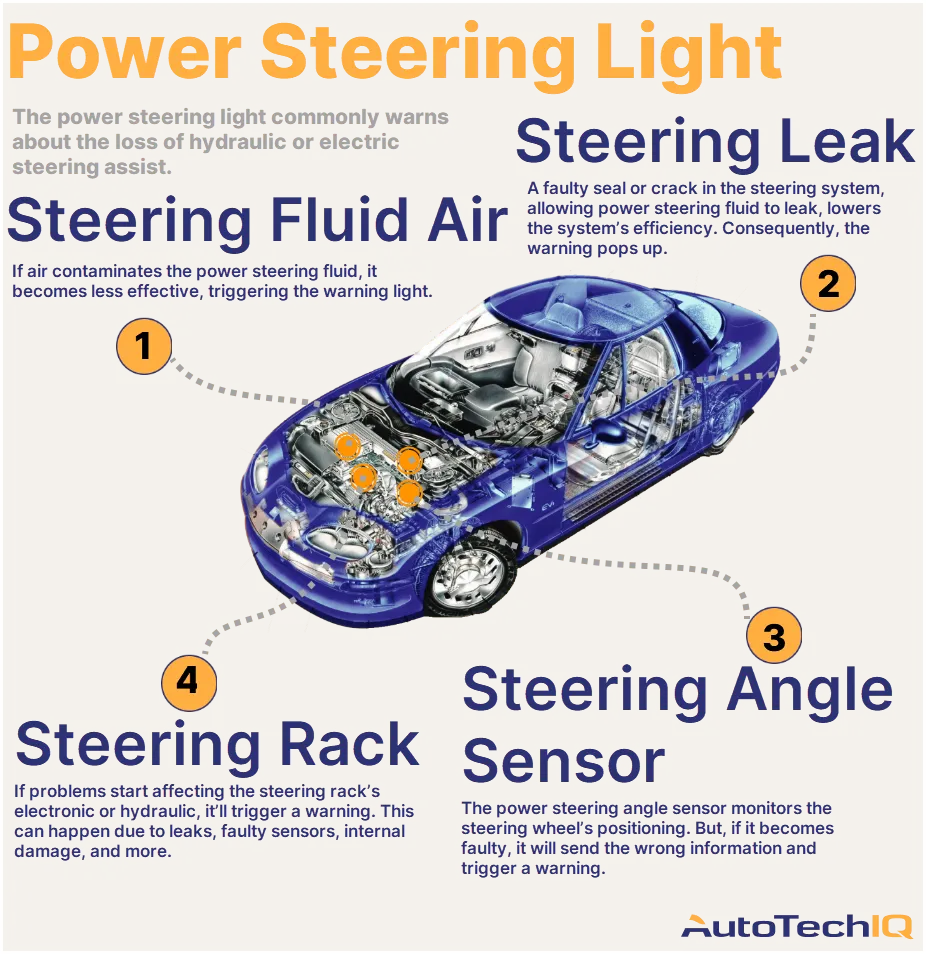
On some newer cars, the steering angle sensor needs to be reset after steering system work. Failing to do this can trigger warning lights or cause electronic steering problems. Always check if your car needs this step.
15. Not Test Driving Carefully
A quick drive around the block is not enough. Listen for noises, feel for smooth steering, and check for leaks again after a longer test drive. Small issues often show up only after the system has warmed up.
Side-by-side Comparison: Correct Vs. Incorrect Replacement
To help you see the difference, here’s a comparison of what happens when you follow best practices versus common mistakes.
| Correct Replacement | Common Mistakes |
|---|---|
| Flushes system before pump install | Installs new pump with old fluid |
| Uses correct, compatible pump | Uses lookalike, wrong pressure pump |
| Bleeds air out after filling | Skips air bleeding, gets noisy steering |
| Checks and replaces bad hoses | Reuses old, cracked hoses |
| Test drives and checks for leaks | Finishes job without final inspection |
Why These Mistakes Happen
Many mistakes come from rushing or trying to save money. Some DIYers rely on guesswork instead of following the manual. Others think that a new pump will fix everything, skipping checks of other parts. Lack of the right tools, like a torque wrench or fluid pump, can also make the job harder.
Another common cause is not reading the car’s service manual. Every car is different, and steps for a Honda may not be the same as for a Ford or BMW. Always have the manual or a trusted guide before starting.
Real-world Example
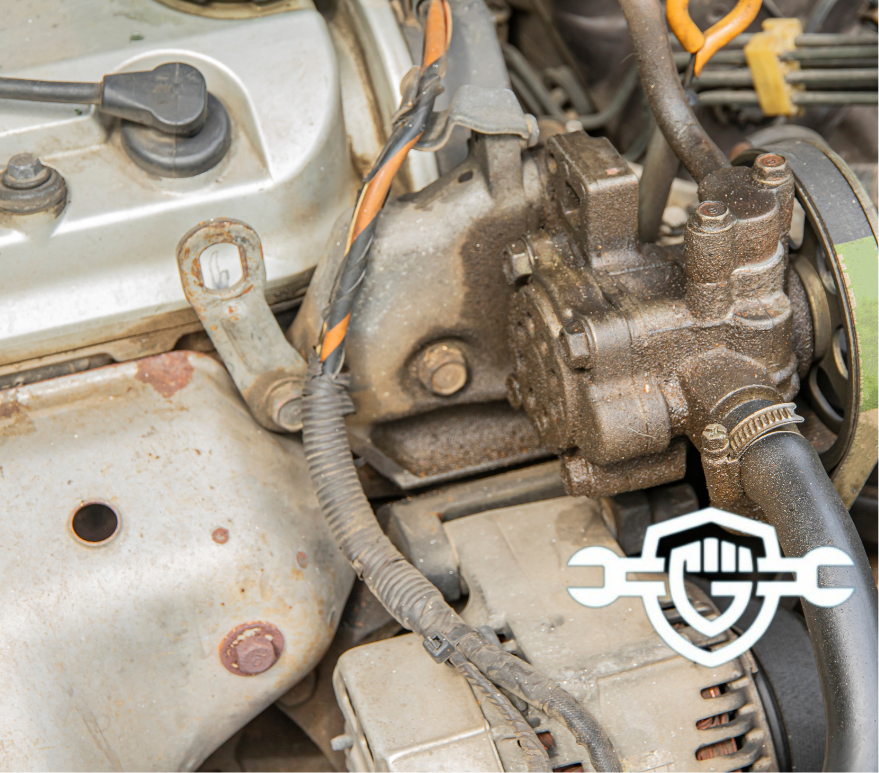
A driver replaced their power steering pump at home. After a few days, they heard a whining noise and saw fluid leaks. It turned out they had reused old hoses and did not flush the system. Metal particles from the old fluid quickly ruined the new pump. They had to buy a second new pump and pay for professional installation. The lesson: shortcuts often cost more in the end.
Credit: www.greatwater360autocare.com
Extra Insights Most Beginners Miss
- Check for Warranty Requirements: Some new pumps require proof of system flushing for the warranty to be valid. Save your receipts and take photos to avoid denied claims.
- Look for Updated Parts: Some replacement pumps are improved over the original. Check for bulletins or updates from the manufacturer, as the newer part may last longer or fix a common issue.
Estimated Cost And Time
Replacing a power steering pump at home usually takes 2-4 hours, depending on your skill and the car’s design. The pump itself can cost from $70 to $400, with fluid and new hoses adding another $30 to $100. Professional shops may charge $200 to $500 for labor, but the price can be higher for luxury cars or hard-to-reach pumps.
Here’s a cost breakdown:
| Item | DIY Cost | Shop Cost |
|---|---|---|
| Power Steering Pump | $70–$400 | Included |
| Fluid & Hoses | $30–$100 | Included |
| Labor | Free | $200–$500 |
Credit: mitsubishi.oempartsonline.com
Practical Tips For A Successful Replacement
- Always use new seals and O-rings.
- Take photos of the old setup for reference.
- Label hoses and bolts to avoid confusion.
- Wear gloves to keep fluid off your hands.
- Dispose of old fluid responsibly; many shops accept it for recycling.
When To Call A Professional
If you are unsure about any step, or if your car uses electric power steering, it is best to let a professional handle the job. Some cars have complex systems that require special tools or computer resets. A mistake can quickly become an expensive problem.
Credit: www.autotechiq.com
Where To Find Reliable Information
For step-by-step guides, forums, and videos, check trusted sources like the manufacturer’s service manual or official car forums. For more information on vehicle maintenance, you can also visit Wikipedia’s Power Steering page.
Frequently Asked Questions
What Happens If I Drive With A Bad Power Steering Pump?
Driving with a bad pump can make steering very hard and risky. It can also damage other steering parts and may lead to sudden loss of control, especially at low speeds.
Can I Just Add Fluid If My Pump Is Noisy?
Adding fluid may stop noise for a short time if the level is low, but it does not fix the real problem. If the pump is worn or leaking, it needs repair or replacement.
How Do I Know If I Have Air In My Power Steering System?
Signs include whining noises, bubbles in the reservoir, and steering that feels jerky or not smooth. Bleeding the system usually removes the air.
Is It Safe To Use Power Steering Stop-leak Products?
Stop-leak can sometimes help with very small leaks, but it is not a real fix. Over time, these products may cause blockages or damage seals. It is best to repair the real cause of the leak.
Can I Replace The Pump Myself, Or Do I Need A Mechanic?
Many people can replace a power steering pump with basic tools and patience. However, if your car has a complex system or you are not confident, a mechanic is a safer choice.
Replacing your car’s power steering pump is a great way to learn about your vehicle, but it is important to avoid common mistakes. Take your time, follow the right steps, and you will have safe, easy steering for many miles ahead.