
Automotive DIY Guides & Car Repair Tips

Trusted step-by-step guides for car repair, maintenance, and diagnostics — written by an ASE-certified technician with 12+ years of experience.

Why You Should Always Use Wheel Chocks

why you should always use wheel chocks

You should always use wheel chocks to prevent unintended vehicle movement, ensuring safety during parking, maintenance, loading, and when operating heavy equipment. They provide a critical physical barrier against rolling, especially on inclines or uneven surfaces, safeguarding people and property from potential accidents. This simple yet vital safety device is indispensable for anyone working with …

Read more

Can You Work Under Car With Only Jack?

Can You Work Under Car With Only Jack

⚠️ Critical Safety Warning Never work under a vehicle supported only by a floor jack. Always use jack stands rated for your vehicle’s weight. Position stands on reinforced frame points only — never on suspension components, body panels, or exhaust. A falling vehicle can cause fatal injuries. No, it is extremely dangerous and strongly advised …

Read more

How to Safely Work Under a Car at Home: Guide

How to Safely Work Under a Car at Home

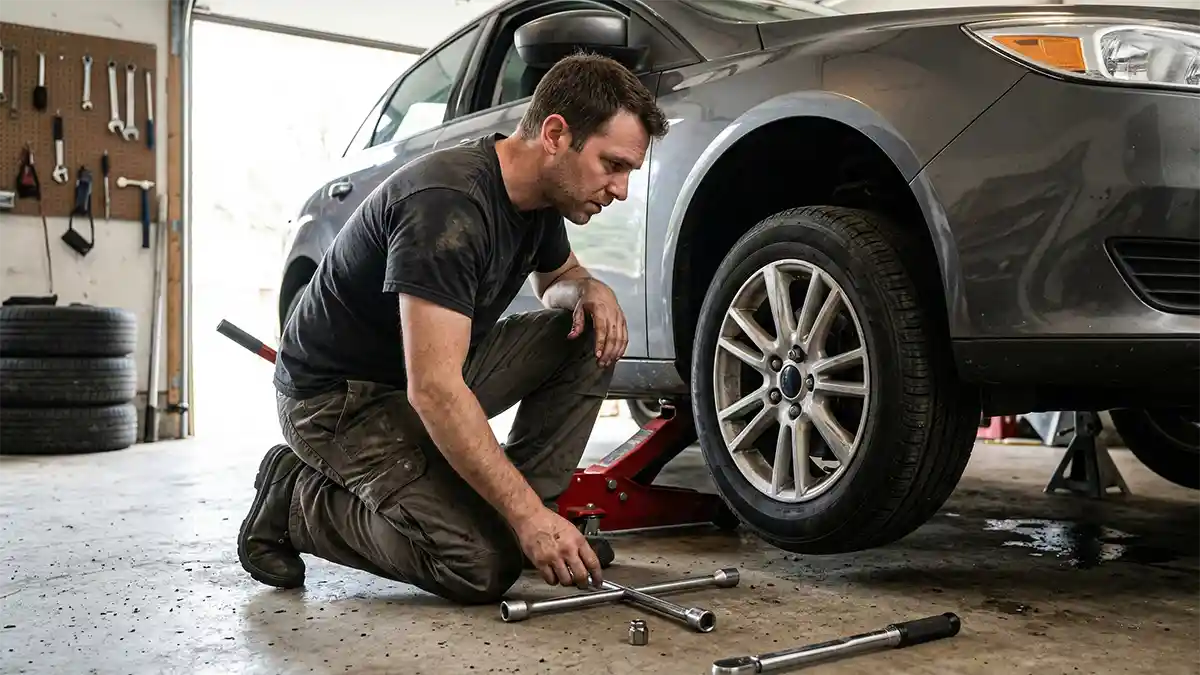
To safely work under a car at home, always prioritize stability and proper equipment. Begin by parking the vehicle on a level, firm surface. Use a high-quality hydraulic jack to lift the car, then immediately secure it with sturdy jack stands placed at the manufacturer-recommended support points. Always chock the wheels that remain on the …

Read more

Avoiding Common Jacking Mistakes: Safety Guide

Avoiding Common Jacking Mistakes Beginners Make

⚠️ Critical Safety Warning Never work under a vehicle supported only by a floor jack. Always use jack stands rated for your vehicle’s weight. Position stands on reinforced frame points only — never on suspension components, body panels, or exhaust. A falling vehicle can cause fatal injuries. Lifting a vehicle for maintenance or repair is …

Read more

Where to Place Jack Stands on Car Frame

Where to Place Jack Stands on Car Frame

Properly placing jack stands on your car’s frame is paramount for safety when working underneath a vehicle. Jack stands should always be positioned on strong, structural points of your car, such as reinforced pinch welds, designated jack points, sturdy subframe mounting points, or solid axle tubes. Always consult your vehicle’s owner’s manual for specific recommendations …

Read more

What Happens If You Overfill Engine Oil: DIY Guide

What Happens If You Overfill Engine Oil DIY

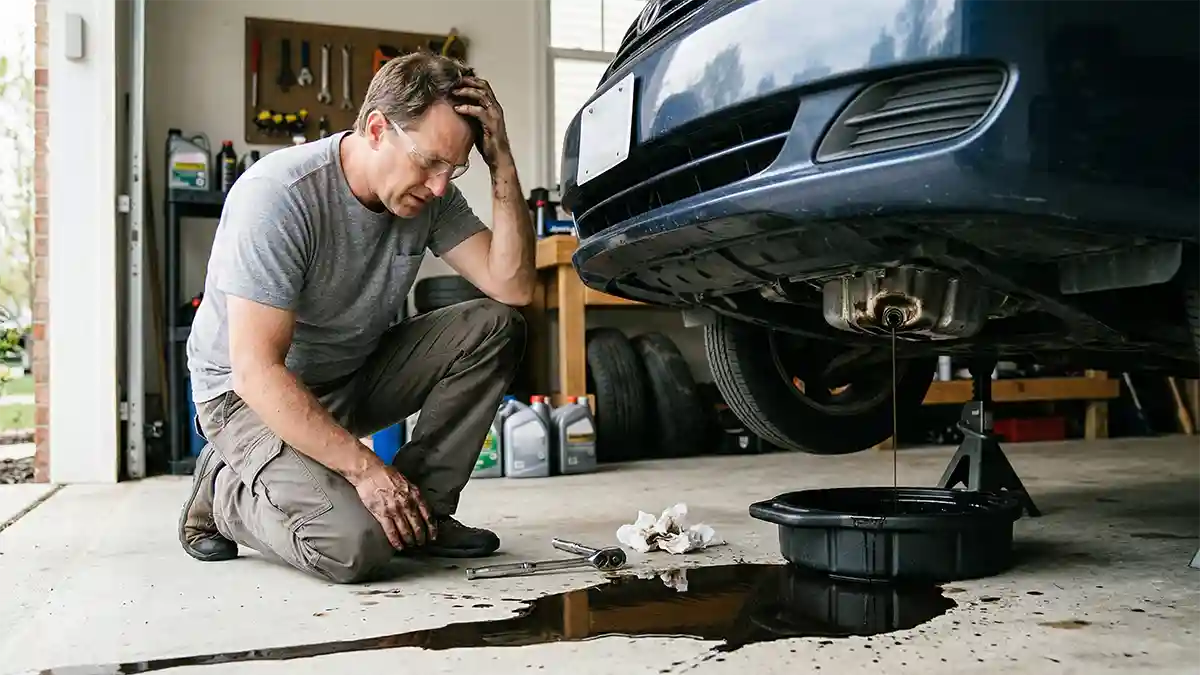
Overfilling engine oil can lead to a cascade of serious problems for your vehicle’s engine, ranging from reduced performance to catastrophic component failure. When the oil level exceeds the manufacturer’s recommended maximum, it can introduce air into the lubrication system, increase internal pressure, and damage critical seals and components. Addressing an overfill situation promptly is …

Read more

How to Change Transmission Fluid at Home: Basic Guide

How to Change Transmission Fluid at Home Basic

Changing transmission fluid at home involves safely lifting your vehicle, draining the old fluid from the transmission pan, replacing the filter and pan gasket, and then refilling with the manufacturer-specified new fluid. This essential maintenance task helps ensure the longevity and smooth operation of your vehicle’s transmission system. Always consult your vehicle’s owner’s manual for …

Read more

How to Clean a Reusable Air Filter: DIY Guide

How to Clean Reusable Air Filter DIY

To clean a reusable air filter DIY, first remove it from your HVAC system or vehicle. Gently tap out loose debris, then spray it with a specialized filter cleaner or a mild detergent solution. Rinse thoroughly from the clean side out with low-pressure water until clear. Allow it to air dry completely before re-oiling (if …

Read more

How to Fix Small Oil Leak Temporarily: DIY Tips

How to Fix Small Oil Leak Temporary

how to fix small oil leak temporary is a common question. In this guide, you’ll get a clear, practical breakdown before we dive into the main sections. How to Fix Small Oil Leak Temporary: Your Guide to Quick Solutions To temporarily fix a small oil leak, you can employ specialized oil stop-leak additives, apply temporary …

Read more

How to Check for Oil Leaks DIY: Complete Guide

How to Check for Oil Leaks DIY

To check for oil leaks DIY, begin by observing your usual parking spot for any fresh oil stains or puddles. Next, perform a thorough visual inspection of your engine bay, starting from the top and working downwards, looking for any signs of wetness, drips, or accumulated grime that indicates oil seepage. Using a flashlight can …

Read more